
Deep cleaning services go far beyond DIY efforts by targeting hidden dirt, bacteria, and hard-to-reach areas using professional tools and expertise. DIY cleaning helps maintain surface-level cleanliness, but professional deep cleaning delivers a more thorough, hygienic, and long-lasting result.
DIY Deep Cleaning vs Professional Deep Cleaning
When comparing DIY and professional deep cleaning, the key difference lies in depth, efficiency, and expertise. DIY cleaning usually focuses on visible dirt and everyday tasks like wiping surfaces, vacuuming, and mopping floors. These routines help maintain cleanliness but often miss deeper grime and bacteria buildup over time.
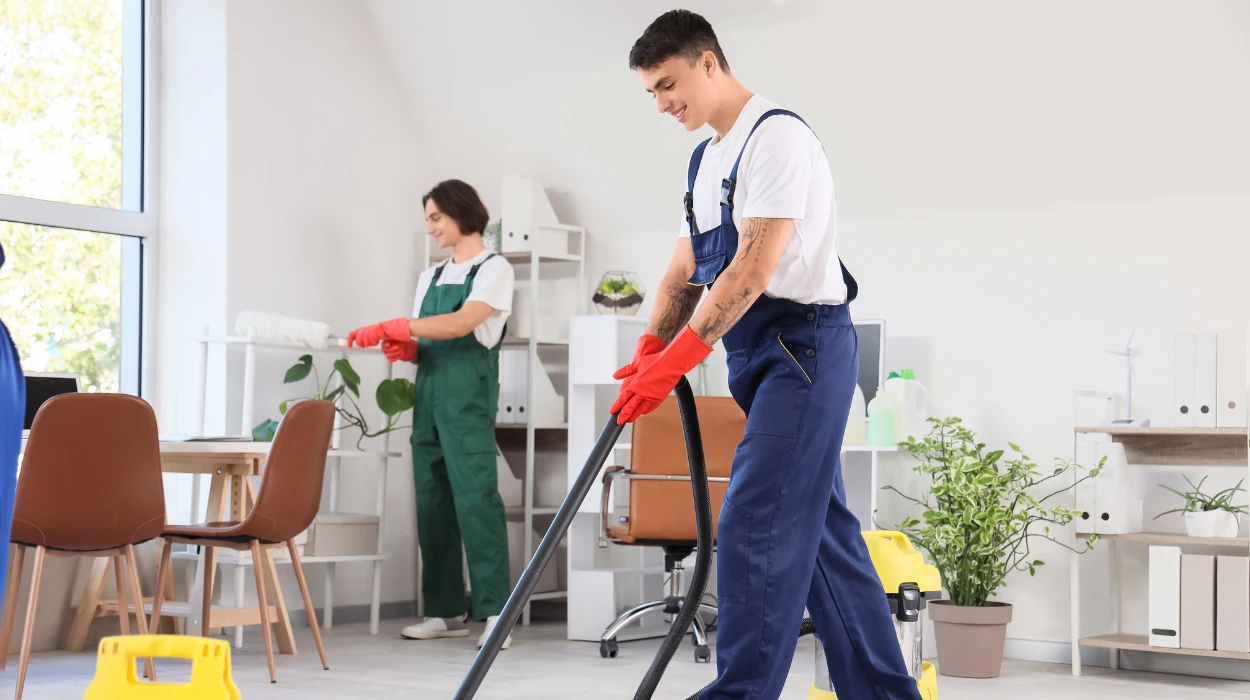
Professional deep cleaning, on the other hand, is a comprehensive process that reaches hidden and neglected areas such as behind appliances, inside fixtures, and high-level surfaces. It involves specialized equipment and techniques designed to eliminate stubborn dirt and contaminants that regular cleaning cannot remove.
For homeowners in Farnworth, this distinction is important because maintaining hygiene is not just about appearance but also about health. Bee Cleaning Services Manchester provides structured cleaning processes that ensure no area is overlooked. While DIY efforts are valuable, they often lack the consistency and depth required for a complete deep clean.
What Does DIY Deep Cleaning Typically Involve?
DIY deep cleaning is usually an extension of regular cleaning routines, where homeowners dedicate extra time to tackle areas that are not cleaned daily. This might include scrubbing bathroom tiles, cleaning kitchen appliances, or dusting ceiling fans and baseboards. It is a hands-on approach that relies on household tools and standard cleaning products.
However, even with effort, DIY cleaning has limitations in reaching hidden dirt. Many people clean what they can see, but areas like under furniture, inside vents, and behind large appliances often remain untouched. These spaces can accumulate allergens, grease, and bacteria over time, affecting indoor air quality and hygiene.
Another challenge is time and physical effort. Deep cleaning a home properly can take several hours or even days depending on the property size. Without professional-grade equipment, removing stubborn stains or buildup can become difficult. This is why many homeowners start with DIY but eventually consider professional services for better results.
What Makes Professional Deep Cleaning Different?
Professional deep cleaning is structured, methodical, and far more detailed than DIY cleaning. It involves trained cleaners who follow a systematic approach to clean every part of the property, including overlooked and hard-to-reach areas. This ensures a consistent and high standard of hygiene throughout the home.
One of the biggest differences is the use of advanced equipment and specialised cleaning solutions. Professionals use high-powered vacuums, steam cleaners, and industrial-grade products that effectively remove deep-seated dirt, grease, and bacteria. This level of cleaning cannot typically be achieved with household tools alone.
Additionally, professional services focus on sanitation as well as cleaning. Kitchens, bathrooms, and high-touch surfaces are disinfected thoroughly to reduce health risks. Bee Cleaning Services Manchester applies these techniques in their Deep Cleaning Services in Farnworth, ensuring homes are not only clean but hygienic and safe for occupants.
Key Areas Where DIY and Professional Cleaning Differ
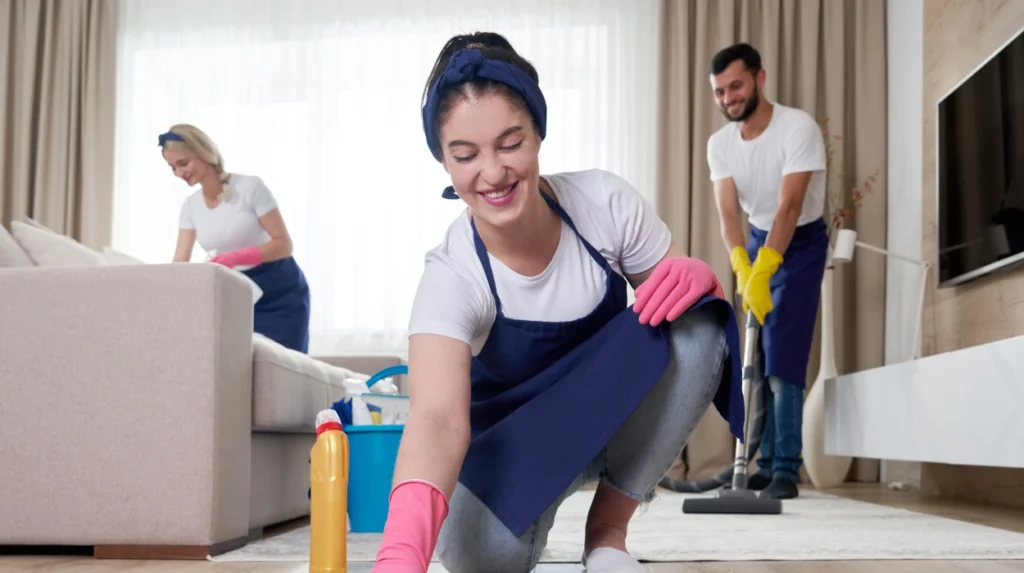
The difference between DIY and professional deep cleaning becomes more noticeable when you look at specific areas of the home. Kitchens, for example, often require degreasing of appliances, extraction systems, and hidden surfaces where grease builds up over time. DIY cleaning may address visible areas, but deeper layers of grime are often left behind.
Bathrooms are another area where professional cleaning stands out. Removing limescale, mould, and bacteria from grout lines and fixtures requires specialised products and techniques. Without these, DIY efforts may only provide temporary results rather than long-term cleanliness.
Floors and carpets also benefit significantly from professional treatment. Deep cleaning services include methods like carpet extraction and floor scrubbing, which restore surfaces and remove embedded dirt. These processes improve both appearance and longevity of materials in ways that standard home cleaning cannot match.
Time, Cost, and Efficiency Considerations
DIY cleaning may seem cost-effective at first, but it often requires significant time and effort. Homeowners must invest hours into cleaning tasks, purchase cleaning products, and still may not achieve professional-level results. Over time, repeated effort can outweigh the perceived savings.
Professional deep cleaning, while involving an upfront cost, offers efficiency and long-term value. Trained teams complete the job faster and more effectively, reducing the need for frequent intensive cleaning. This makes it a practical solution for busy households or those preparing for special situations such as moving in or out.
In many cases, professional cleaning also helps extend the lifespan of furniture, carpets, and surfaces. By removing harmful buildup and maintaining materials properly, it reduces wear and tear over time. This makes it an investment rather than just an expense.
Health and Hygiene Impact
One of the most important differences between DIY and professional deep cleaning is the impact on health. Regular or DIY cleaning primarily removes visible dirt, but it may not eliminate bacteria, allergens, and pollutants hidden within the home. Over time, these can affect air quality and contribute to health issues.
Professional deep cleaning targets these hidden contaminants, improving overall indoor hygiene. It includes disinfecting high-touch areas, removing allergens from carpets and upholstery, and cleaning ventilation spaces. This contributes to a healthier living environment, especially for families with children or allergy concerns.
Deep cleaning is also recommended periodically to maintain a safe and hygienic space. Experts suggest that while routine cleaning should be done regularly, deep cleaning should be scheduled every few months to prevent buildup and maintain high standards of cleanliness.
When Should You Choose Professional Deep Cleaning?
There are specific situations where professional deep cleaning becomes essential rather than optional. Moving into a new home, preparing for tenants, or recovering after renovations are common scenarios where a thorough clean is required. These situations demand a level of detail that DIY cleaning often cannot provide.
Seasonal cleaning is another important use case. Over time, dust, allergens, and grime accumulate in hidden areas, making a professional deep clean necessary to refresh the entire space. This ensures a healthier and more comfortable living environment.
For homeowners exploring the full scope of deep cleaning tasks, this detailed guide on what a full home deep clean includes provides useful insights into the process and expectations.
Why Expertise and Equipment Matter
Professional cleaners bring both experience and specialised tools to the job, which significantly impacts the outcome. They understand which cleaning methods are suitable for different surfaces and materials, reducing the risk of damage while ensuring effective results.
Advanced equipment such as steam cleaners and industrial vacuums allow professionals to clean deeper and more efficiently. These tools remove embedded dirt and bacteria that are not accessible through standard cleaning methods. This level of precision is what differentiates professional services from DIY approaches.
Making the Right Choice for Your Home
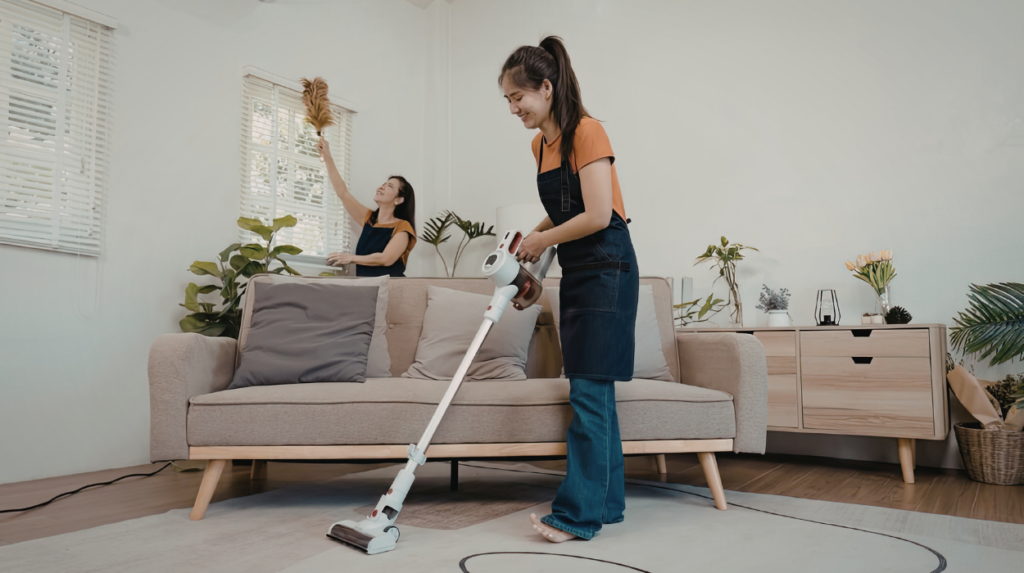
Choosing between DIY and professional deep cleaning depends on your needs, time availability, and desired results. DIY cleaning is suitable for regular maintenance and small-scale tasks, helping keep your home tidy on a day-to-day basis.
However, for a complete reset of your living space, professional deep cleaning is the more effective option. It ensures every part of your home is cleaned thoroughly, improving hygiene and extending the life of your interiors.
Bee Cleaning Services Manchester supports homeowners by offering structured and reliable Deep Cleaning Services in Farnworth that address both visible and hidden cleaning needs. Their approach ensures consistent results while maintaining high hygiene standards.
The difference between DIY and professional deep cleaning ultimately comes down to depth, efficiency, and results. While DIY cleaning is useful for regular upkeep, it often falls short in tackling hidden dirt, bacteria, and long-term buildup. Professional services provide a more thorough and effective solution, ensuring a cleaner and healthier home environment.
Bee Cleaning Services Manchester delivers professional cleaning solutions that combine expertise, advanced equipment, and structured processes. This ensures that every deep cleaning task is completed to a high standard, helping homeowners maintain a hygienic and comfortable living space.
What are the top 5 skills needed for housekeeping?
The most important housekeeping skills include time management, attention to detail, communication, organisation, and flexibility. These skills help ensure tasks are completed efficiently while maintaining high cleaning standards.
What are the hardest housekeeping tasks?
The most difficult tasks usually involve deep cleaning bathrooms, removing grease in kitchens, and cleaning hard-to-reach areas like behind appliances. These tasks require time, effort, and proper techniques to achieve thorough results.
How to be an excellent housekeeper?
To be an excellent housekeeper, focus on consistency, proper cleaning techniques, and attention to detail. Planning tasks and following a structured routine also helps maintain high standards and efficiency.
What are the 5 rules of smart cleaning?
Smart cleaning includes working top to bottom, cleaning systematically, avoiding rework, using the right tools, and maintaining consistency. These rules improve efficiency and ensure no area is missed during cleaning.
What is the best all-purpose cleaner?
A good all-purpose cleaner is one that safely removes dirt, grease, and bacteria from multiple surfaces without causing damage. Professional cleaners often use multi-purpose solutions designed for effective and safe everyday cleaning.