
Antiviral sanitisation services in Farnworth are essential when there’s a heightened risk of viral transmission, after confirmed illness on the premises, or as part of proactive hygiene protocols for businesses. They are especially important where hygiene standards directly affect health, comfort, and compliance.
Understanding when these services matter helps homes and organisations reduce infection risks and maintain a healthier, safer environment.
Why Hygiene Standards Matter More Than Ever in Farnworth
In today’s public health landscape, hygiene is not just about keeping spaces visually clean; it’s about managing the unseen risks that harmful pathogens pose to people in homes, workplaces, schools, and high‑traffic public environments. Antiviral sanitisation services in Farnworth are specialised processes designed to reduce viral and microbial loads on surfaces and in environments that regular cleaning may not fully address. They play a critical role in infection prevention and control, contributing to safer spaces for occupants.
Antiviral sanitisation goes beyond surface cleaning by using professional‑grade virucidal products and methods that meet recognised standards (such as European EN standards for disinfectants) to inactivate viruses and other pathogens. These services are delivered by trained technicians who understand how to target high‑risk areas effectively, boosting hygiene outcomes and helping control the spread of infection in both domestic and commercial settings.
Whether you’re a homeowner preparing for guests, a business managing staff safety, or a landlord organising between tenancies, knowing when to invest in antiviral sanitisation can improve well‑being and confidence in your space.
What Antiviral Sanitisation Services Involve
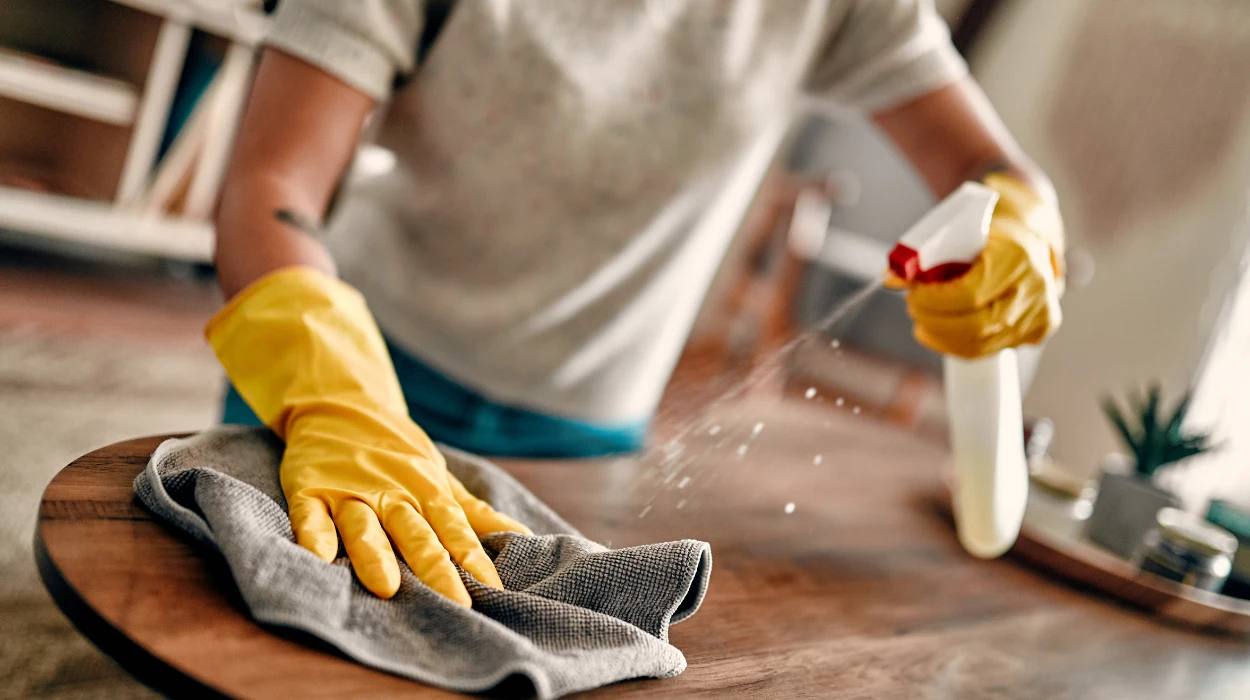
Antiviral sanitisation typically includes treating frequently touched surfaces and high‑risk areas with certified virucidal solutions that reduce visible and microscopic contaminants. This process may include fogging, manual application of disinfectants, and systematic wiping of contact points like door handles, switch plates, desks, and communal facilities.
Professional technicians use products that meet recognised effectiveness standards (such as BS EN 1276) and often provide a comprehensive sanitisation process tailored to the property type and risk level.
Unlike everyday cleaning, antiviral sanitisation is health‑focused and formulated to control pathogens — helping to protect occupants from viral transmission in environments where hygiene is absolutely critical.
When You Should Book Antiviral Sanitisation in Farnworth
Understanding the right triggers for professional sanitisation helps allocate resources effectively and protects health without unnecessary costs.
1. After a Confirmed Illness or Viral Outbreak
If someone at your home or workplace has been diagnosed with a viral infection (like COVID‑19 or influenza), the probability of surface contamination increases. Viruses can persist on commonly touched areas, making traditional cleaning insufficient. Professional antiviral sanitisation helps reduce the viral load on surfaces, lowering the risk that others could catch the virus from contact points.
This is particularly important in shared environments such as office facilities, student accommodations, or community centres where multiple individuals may interact with the same surfaces throughout the day.
2. When Preparing for Vulnerable People
Homes and care settings that host vulnerable people, including the elderly, immunocompromised individuals, or newborns benefit from an added layer of protection. Even when no illness is known, antiviral sanitisation can help minimise the likelihood of asymptomatic transmission, giving peace of mind to residents and families.
This proactive approach is especially relevant in multi‑generational households or environments with frequent visitors.
3. Prior to Re‑Opening or High‑Traffic Use
Businesses and organisations in Farnworth that are preparing to reopen after a closure whether due to holidays, long breaks, renovations, or other reasons can use antiviral sanitisation as part of their reopening hygiene programme. Reducing contamination risk before staff or customers resume regular access helps build confidence and meet expectations around safe operations.
In high‑traffic shared spaces such as retail outlets, gyms, schools, or childcare centres, scheduling periodic antiviral sanitisation can form part of a broader hygiene strategy to maintain cleanliness standards that regular daily cleaning alone may not achieve.
4. Between Tenancies or Lease Turnovers
Landlords, letting agents, and property managers often face pressure to make rental properties ready for new occupants. In addition to regular cleaning and inspections, professional antiviral sanitisation serves as a final precautionary step that helps ensure that the property is hygienically safe — particularly when tenants are moving in shortly after previous occupants have vacated.
This is a practical measure where lease turnovers occur frequently and where tenants may expect evidence of health‑focused preparation.
Benefits of Professional Antiviral Sanitisation
Professional antiviral sanitisation services offer benefits beyond routine cleaning by targeting hazards that standard methods might miss:
- Reduces risk of surface‑based infection transmission: Professionally applied virucidal solutions are proven to inactivate many viruses and bacteria on contact when used correctly.
- Focuses on high‑touch, high‑risk areas: Technicians prioritise areas most likely to harbour pathogens, such as handles, switches, shared facilities, communal surfaces, and frequently used equipment.
- Supports workplace health strategies: Businesses can enhance staff and visitor health measures, aligning with workplace health expectations and potentially lowering absenteeism due to contagious illness.
- Delivers professional assessment and application: Certified products and trained teams ensure correct application, safety compliance, and measurable outcomes that everyday cleaning can’t easily provide.
How Professional Antiviral Sanitisation Helps Prevent Cross‑Contamination

Professional antiviral sanitisation services in Farnworth work differently from routine cleaning because they are specifically designed to interrupt viral transmission pathways on surfaces that people frequently touch. When a trained technician treats a space, they use products that meet recognised industry standards and have verified virucidal activity against viruses, bacteria, and pathogens. These treatments reduce the number of active microbes on hard and soft surfaces, minimising the opportunity for one person to transfer an illness from a surface to another person. Scientific hygiene guidance confirms that disinfection after cleaning can further lower the risk of spreading disease, especially when someone has been visibly ill or the area has high footfall.
This targeted sanitisation process is particularly beneficial in environments where surfaces can harbour microscopic viral residues for hours or days if left untreated. By focusing on high‑risk areas — like door handles, shared workstations, or communal restrooms — and using professional‑grade antiviral agents, viral loads can be significantly reduced. This does not eliminate all risk, but it meaningfully lowers the chances of infection spreading through surface contact, complementing regular cleaning and hygiene routines.
When Regular Cleaning Isn’t Enough and Sanitisation Becomes Necessary
In many everyday situations, routine cleaning with soap, detergent, or household products will remove dirt and visible grime from surfaces. However, health guidance makes it clear that sanitation and disinfection are needed when there is known exposure to viral illness or where there is a higher probability of transmission, such as in shared business settings or spaces with frequent foot traffic. In these cases, simply cleaning will not reliably reduce harmful pathogens to levels that minimise infection risk.
For example, if someone in a household or workplace has recently been unwell with a contagious virus even if symptoms have passed surfaces they touched may still harbour active pathogens. Professional antiviral sanitisation uses trained technicians and certified solutions that kill viruses at a microscopic level, ensuring a deeper level of hygiene protection beyond what everyday cleaning can achieve. This is especially relevant for business owners or property managers in Farnworth who are preparing spaces for staff, customers, or new tenants.
How It Complements Other Cleaning Services
It’s useful to differentiate antiviral sanitisation from other cleaning processes:
- Regular Cleaning: Focuses on visible cleanliness and removal of dirt and debris.
- Deep Cleaning: Offers a thorough clean of surfaces, fixtures, and hidden areas but does not necessarily neutralise viruses to the same degree antivirals aim to achieve.
- Antiviral Sanitisation: Specifically targets contamination risk from viruses and harmful pathogens, often using products certified to recognised standards.
Together, these layers of cleaning and sanitisation provide a comprehensive hygiene approach, particularly valuable in settings with elevated health and safety expectations.
Choosing a Trusted Provider in Farnworth
When selecting antiviral sanitisation, look for a provider with professional training, reputable methods, and actionable outcomes. Bee Cleaning Services Manchester offers professional expertise tailored to community needs, helping homes and businesses in Farnworth maintain safer, healthier environments through targeted cleaning services — including industry‑focused sanitisation that enhances routine hygiene practices.
By understanding when antiviral sanitisation is most needed and how it integrates with wider hygiene protocols, organisations and households can make smarter decisions about protecting health and managing risk.