
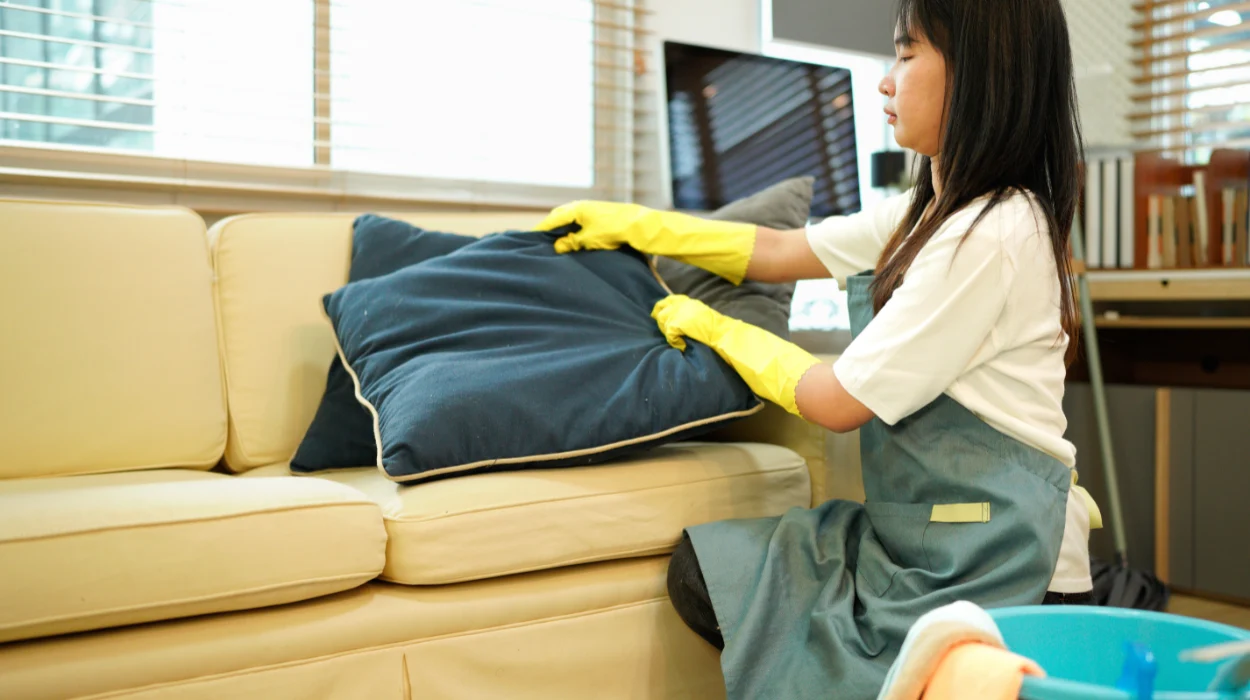
Upholstery Cleaning Services in Farnworth are more accessible and affordable than most homeowners expect. Bee Cleaning Services Manchester provides professional sofa and fabric cleaning across Farnworth at competitive rates, using industry-grade equipment and fabric-safe solutions that deliver real, lasting results.
Why Your Upholstery Needs More Than a Surface Clean
Many households vacuum their sofas regularly and consider that adequate maintenance, but surface cleaning removes only the loose debris sitting on top of the fabric. Over time, body oils, food residue, pet dander, dust mites, and airborne particles settle deep within upholstery fibres where a standard vacuum cannot reach. These embedded contaminants affect not only the visible appearance of the furniture but also the overall air quality of the room, particularly in homes with children, pets, or allergy sufferers.
Fabric furniture also retains odours that become more persistent the longer the underlying soiling is left unaddressed. Professional upholstery cleaning penetrates the fibre structure, extracting the buildup that accumulates through ordinary daily use across months and years. Without this level of cleaning, even well-maintained furniture can carry hygiene concerns that remain entirely invisible during routine tidying.
What Professional Upholstery Cleaning Actually Involves
Professional upholstery cleaning is a structured, multi-stage process that goes well beyond applying a cleaning product and wiping the surface down. Trained technicians begin by evaluating the fabric type, weave construction, and overall condition of the piece before selecting the appropriate cleaning method and solution chemistry. This assessment stage is essential because applying the wrong solution to a delicate or reactive fabric can cause shrinkage, colour bleeding, pile distortion, or permanent structural damage.
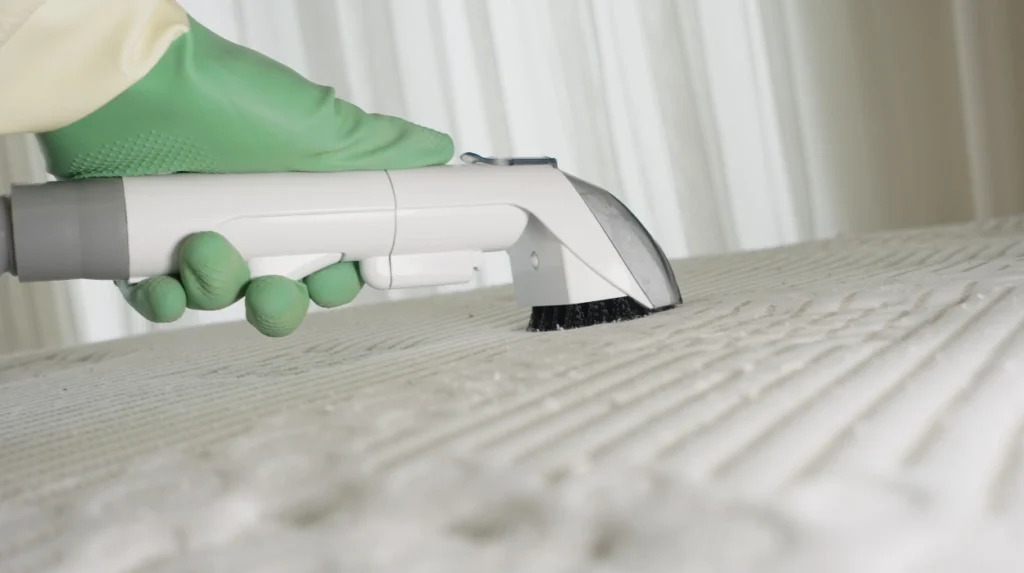
Once the correct approach has been established, a pre-treatment solution is applied to loosen embedded soiling and prepare the fibres for extraction. The extraction machine then draws out moisture, dissolved dirt, and residues in a single controlled pass, leaving the upholstery clean without excess dampness. The entire process is designed to be thorough without being aggressive, producing results that are noticeably superior to anything achievable through DIY cleaning.
Fabric Assessment and Pre-Treatment
Before any water or solution is introduced to the fabric, the technician examines the manufacturer’s care label and the fabric construction to understand how the material will behave under cleaning conditions. Common upholstery fabrics including velvet, microfibre, linen, cotton, chenille, and synthetic blends each respond differently to moisture, heat, and cleaning agents, and a professional assessment prevents avoidable damage from the outset.
Pre-treatment involves applying a specially formulated solution to the fabric surface and allowing it to dwell for a set period, during which it penetrates and breaks down grease, staining compounds, and accumulated soiling. This dwell time significantly improves cleaning outcomes by reducing the effort required during the extraction phase and ensuring more thorough removal of deeply ingrained contaminants. The duration of the pre-treatment varies depending on the fabric’s absorption rate and the level of soiling present. Rushing this stage consistently produces inferior results, which is precisely why trained professionals work methodically and systematically throughout the job.
The Extraction and Finishing Stage
Once the pre-treatment has been applied and given sufficient time to work into the fibres, the extraction phase begins using either a hot water extraction unit or a low-moisture dry extraction system, depending on the fabric type and soiling level. Hot water extraction injects a precisely controlled amount of heated water and solution into the fabric while simultaneously vacuuming it back out along with the dissolved soiling in a single pass. Dry extraction, by contrast, uses minimal moisture content and specialised absorbent compounds to lift soiling from the fibres without saturating the material, making it better suited for delicate fabrics or time-sensitive situations. The finishing stage involves grooming the fabric pile to restore its natural direction, applying a fabric protector where appropriate, and ensuring consistent drying conditions throughout the treated area. Technicians typically position air movers over the cleaned upholstery or advise on ventilation arrangements that will reduce drying time safely. The combined effect of extraction and finishing is upholstery that looks, feels, and smells substantially cleaner than before the process began.
Common Upholstery Fabrics and How They Are Professionally Treated
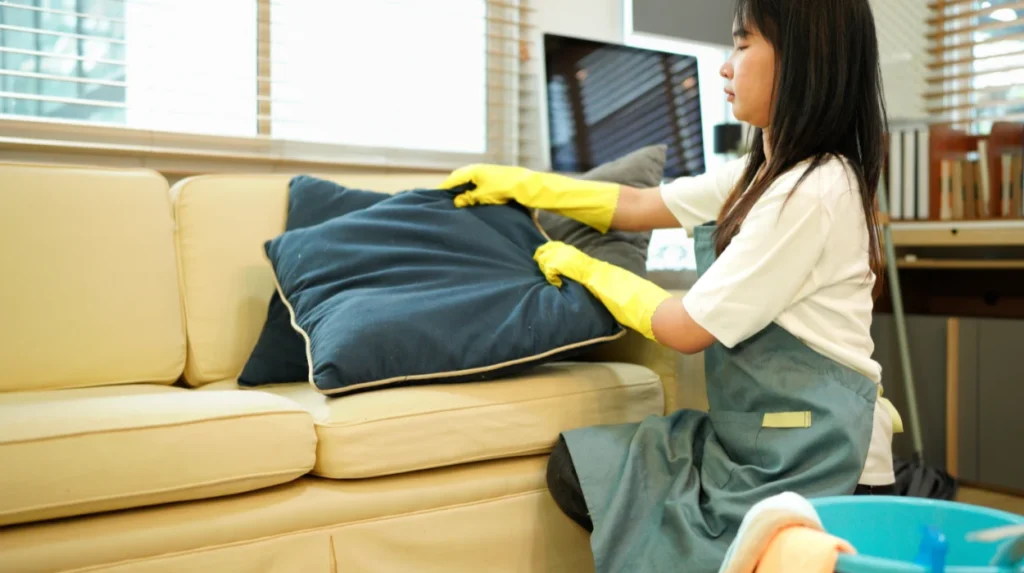
Different upholstery materials require genuinely different approaches, and this knowledge is central to achieving a safe and effective clean on any given piece of furniture. Microfibre is one of the most popular sofa materials in Farnworth households due to its durability and practical stain resistance, yet it still accumulates embedded grime and skin particles that respond well to low-moisture extraction techniques applied at the correct pressure. Natural fabrics such as cotton, linen, and wool are more sensitive to water saturation and require careful moisture management throughout the process to prevent shrinkage, tide marking, or structural distortion of the weave.
Leather and faux leather upholstery require entirely different products including specialist pH-balanced conditioners and cleaning emulsions rather than water-based solutions, and these should only be used by someone with specific knowledge of the material’s properties and limits. Velvet and chenille are particularly vulnerable to pile crushing and irreversible sheen damage if subjected to incorrect agitation or excess moisture, making professional handling especially important for these fabric categories. Recognising which method suits each material is a core competency that distinguishes a qualified upholstery cleaner from a general domestic cleaning provider.
How Often Should You Book Professional Upholstery Cleaning?
The recommended frequency for professional upholstery cleaning depends on a combination of factors including household size, pet ownership, the presence of young children, and how heavily the furniture is used on a daily basis. For an average household without pets and with adults only, having sofas and armchairs professionally cleaned once every twelve to eighteen months is generally sufficient to maintain hygiene and a presentable appearance throughout the year. Households with pets, particularly those that shed hair or spend time resting on the furniture, benefit from professional cleaning at intervals of every six to twelve months to manage allergen buildup and odour retention effectively.
Families with young children or individuals with respiratory conditions or allergies may also benefit from more frequent professional attention due to the accelerated accumulation of soiling and airborne particles in the fabric. Seasonal deep cleans are a practical scheduling approach for many Farnworth households, timed to coincide with warmer months when windows can be opened to support faster, more even drying conditions. Maintaining a consistent cleaning schedule also extends the lifespan of upholstered furniture, protecting the financial investment made when the pieces were originally purchased.
The Real Cost of Affordable Upholstery Cleaning in Farnworth
One of the most persistent misconceptions about professional upholstery cleaning is that it represents an expensive service beyond the reach of ordinary households. In reality, affordable upholstery cleaning in Farnworth is widely available, and the cost is often straightforwardly justified when set against the price of replacing furniture that has been allowed to deteriorate beyond the point of reasonable recovery. Pricing for professional upholstery cleaning typically depends on the size of the piece being treated, the fabric type and its specific cleaning requirements, the degree of soiling present, and whether supplementary treatments such as fabric protection are included.
A standard sofa clean is generally priced to be accessible for most Farnworth households, and many providers offer competitive rates for multiple items cleaned during the same appointment visit. Bee Cleaning Services Manchester maintains transparent pricing so that customers know exactly what the service includes before any work begins on their furniture. Requesting a written quote in advance is always advisable, as it allows for clear budgeting and removes any uncertainty around the final cost.
What Sets a Reliable Upholstery Cleaner Apart in Farnworth
Selecting the right upholstery cleaning provider in Farnworth requires more than simply comparing advertised prices, because the quality of the outcome depends directly on the technician’s training, equipment specification, and professional approach to the work. A reliable provider will always carry out a fabric assessment before beginning, select and test the correct cleaning solutions for the material, and take consistent responsibility for protecting the furniture throughout every stage of the process. Experience across a wide variety of fabric types is a meaningful indicator of genuine capability, as is the use of commercial-grade extraction equipment rather than domestic hire machines that lack the suction power and temperature control needed for thorough results.
Clear communication about the cleaning method, realistic expectations for the outcome, and an honest indication of drying time are professional courtesies that distinguish reputable services from lower-quality alternatives operating in the same area. For homeowners seeking professional upholstery and fabric cleaning that restores furniture condition, understanding what the service actually delivers helps set the right expectations from the outset. Taking the time to assess a provider’s approach before booking is a straightforward step that consistently leads to better outcomes.
How Your Choice of Cleaning Method Affects the Results
The method used to clean upholstered furniture has a direct and meaningful impact on both the quality of the results achieved and the safety of the fabric throughout the process. Hot water extraction delivers deep soil removal and is particularly effective for heavily used or visibly soiled pieces, but it requires adequate drying conditions and proper moisture control to prevent water marks or residual dampness from developing in the fabric. Dry extraction is better suited to sensitive fabrics or circumstances where minimal drying time is a priority, and when applied correctly, it can still achieve excellent results on moderately soiled upholstery across a range of fabric types.
Understanding the distinction between these two approaches is practically useful when discussing a cleaning requirement with a provider, because it helps ensure the method chosen genuinely suits both the material and the cleaning objective. For a more detailed explanation of how both methods work and which fabrics each is best suited to, reviewing a guide on how steam and dry extraction methods compare for different sofa types provides a clear and impartial breakdown of the technical differences. Matching the right cleaning method to the right fabric is the single most important factor in achieving a result that is both thorough and safe.
Is Steam Cleaning Suitable for Every Type of Fabric Sofa?
Steam cleaning is one of the most widely referenced methods in professional upholstery care, but it is not universally appropriate for every fabric type or furniture construction and should not be applied without prior assessment of the material. Certain delicate natural fibres and loosely woven fabrics can be adversely affected by excessive heat or moisture if the technician does not apply the correct technique and equipment settings during the cleaning process. It is also worth noting that the term “steam cleaning” is frequently used loosely in the cleaning industry, and most professional systems in practice use hot water extraction rather than pure steam, which involves a measurably different level of heat application and moisture delivery to the fabric surface.
Understanding whether your particular sofa is suitable for this approach before booking a clean can prevent disappointing results and eliminate the risk of avoidable fabric damage. For homeowners wanting clarity on this before speaking to a provider, a practical overview of whether steam cleaning is safe for different fabric sofa types covers the key considerations in accessible, straightforward terms. Having this background knowledge before the appointment allows for a more productive and informed conversation with the technician from the start.
Upholstery cleaning is a practical and worthwhile investment in the hygiene, appearance, and long-term durability of the furniture in your home, and finding a professional service in Farnworth at an affordable price does not require compromising on quality or results. Understanding the cleaning process, the methods available, the fabric considerations involved, and the factors that affect pricing gives any homeowner the foundation to choose a provider with genuine confidence.
Bee Cleaning Services Manchester delivers professional upholstery cleaning services in Farnworth through a structured, fabric-safe approach that addresses both the surface appearance of the furniture and the embedded contaminants that affect the everyday environment of your home. Whether the need arises from a seasonal refresh, persistent staining, or simply the desire to maintain a hygienic and welcoming living space, professional cleaning consistently achieves results that routine household methods are not equipped to match. The decision to book a professional service becomes straightforward once the difference in process, equipment, and outcome is clearly understood.
What are common upholstery cleaning mistakes?
Using too much water, applying the wrong cleaning solution for the fabric type, and scrubbing stains instead of blotting them are among the most frequent mistakes homeowners make. These errors can cause colour bleeding, watermarks, or permanent fibre damage that professional upholstery cleaning in Farnworth is specifically trained to avoid.
What is the best way to deep clean a sofa?
The most effective approach is hot water extraction carried out by a trained technician, which removes embedded soiling, allergens, and odours from deep within the fabric fibres. For delicate materials, low-moisture dry extraction delivers a thorough deep clean without the risk of over-wetting the upholstery.
How to clean a sofa immediately?
For a quick response to a spill or fresh stain, blot the area gently with a clean white cloth to absorb as much liquid as possible without spreading it further. Avoid rubbing the fabric or applying household sprays, as these can set the stain before a professional upholstery cleaner in Farnworth can treat it properly.
What is a sofa ghost?
A sofa ghost is the faint shadow or outline that appears on upholstery fabric showing exactly where a cushion, armrest, or person has regularly made contact with the sofa over time. It forms because dust, skin oils, and airborne particles settle unevenly, accumulating more heavily in the exposed areas around cushions than beneath them, creating a visible contrast in the fabric colour.
What is the 2 2 1 rule for sofas?
The 2 2 1 rule suggests rotating sofa cushions every two weeks, vacuuming the entire sofa every two weeks, and booking a professional deep clean at least once a year. Following this routine helps maintain the fabric condition and extends the life of your upholstery between professional cleaning appointments.