

Your oven requires immediate structural care when it emits visible smoke during preheating, releases acrid burnt odours, or develops a thick layer of carbonized residue across the interior glass. Neglecting these early operational warning signs can lead to uneven thermal distribution, systemic airflow restriction, and highly dangerous grease fires within your kitchen.
An accumulation of food particles and carbonised grease alters how heat radiates inside the cooking chamber. When these substances bake repeatedly onto the heating components, they act as an insulation layer that forces your appliance to consume significantly more energy to sustain standard cooking temperatures. Over time, this constant thermal strain causes premature heating element degradation and can potentially damage delicate internal electrical components. Seeking specialized intervention through trusted Oven Cleaning Services in Oldham ensures that these hazardous accumulations are safely dissolved without compromising the mechanical integrity of your appliance.
Discoloured Oven Glass and Impaired Visibility
A clear indicator of severe grease accumulation is a dark brown or amber film coating the interior observation window. This residue forms as oil particles vaporize under intense heat and liquefy upon contact with the cooler surface of the glass pane. As successive layers of grease bake onto the pane, they harden into a dense, non-porous carbon sheet that completely blocks your view. This forced structural blindness means homeowners must repeatedly open the main door to inspect their food during cooking.
Opening the appliance door mid-cycle releases a tremendous amount of accumulated thermal energy into the kitchen. This sudden drop in internal temperature forces the heating elements to work twice as hard to stabilize the cooking environment. The constant fluctuating environment leads to poorly baked goods and significantly higher household utility bills over time. Professional cleaning technicians utilize specialized non-caustic stripping pastes that break down these hardened organic lipids safely. This meticulous process removes the carbonized film completely without scratching or weakening the specialized tempered glass structure.
Unpleasant Odours and Corrupted Food Flavours
When an appliance begins emitting a distinct acrid scent during the preheating phase, it indicates that historic grease deposits have reached their smoke point. Every time new meals are prepared, microscopic fat droplets splat across the roof, side walls, and fan guards. If left untreated, these fats undergo chemical changes that produce foul-smelling compounds whenever the internal temperature rises. These noxious vapours circulate continuously within the sealed cooking chamber, eventually penetrating fresh ingredients and altering the natural taste of your meals.
The altered flavour profiles of your food are a direct result of these volatile carbon compounds binding to moisture on the food surfaces. Beyond the negative impact on taste, inhaling these concentrated fumes on a regular basis can irritate sensitive respiratory tracts over time. Regular maintenance prevents this flavor cross-contamination while ensuring that your kitchen air quality remains pristine and healthy. Utilizing specialized cleaning solutions breaks down these stubborn lipid structures, returning the interior environment to a perfectly neutral state.
Persistent Smoking During Standard Preheating
A smoking appliance is a clear and direct indication of an advanced structural cleaning emergency that requires immediate attention. This phenomenon typically happens when accumulated grease chunks drop down onto the base floor or the lower heating elements. Once exposed to direct radiant heat, these carbonised materials ignite partially, releasing continuous streams of thick grey smoke. This scenario creates an immediate hazard by triggering household smoke detectors and filling living spaces with harmful particulate matter.
This chronic smoking behavior also deposits fine soot particles across all interior surfaces, creating a toxic feedback loop inside the unit. This residue blocks the internal sensors from accurately reading the ambient temperature, causing severe calibration issues. If your oven continues to smoke during normal operation, reading an informative article like Is Professional Oven Cleaning services in Oldham Worth the Money can help you understand the long-term economic and structural benefits of hiring an expert.
Inaccurate Internal Temperature Readings and Uneven Cooking
When the interior surfaces of your cooking appliance are blanketed in thick grime, the internal thermostat cannot function properly. This sensory component relies on clear, unhindered airflow to read the ambient temperature inside the chamber accurately. When the probe becomes encased in a thick shell of carbonized fat, it becomes insulated from the actual conditions inside. As a result, the unit receives false data, leading to inaccurate temperature adjustments that leave food undercooked or burnt.
This structural imbalance means that while one side of your meal might burn, the core remains dangerously undercooked. This inconsistent heat distribution creates real food safety risks, particularly when preparing raw meats or poultry. Professional deep cleaning involves safely removing grime from these sensitive sensors to restore flawless thermal regulation throughout the system.
The Physical Accumulation of Burnt Crumb Debris
The steady collection of charred debris at the bottom of your appliance forms a dangerous foundation for unexpected kitchen fires. Large chunks of food often fall from the wire racks during cooking, settling close to the intense heat sources. As these pieces bake over multiple cooking cycles, they dry out completely and transform into highly combustible charcoal briquettes. A single stray splatter of hot fat can easily ignite this loose debris, creating a sudden and dangerous fire.
This thick layer of loose carbon soot also restricts the smooth distribution of heat from the lower gas burners or electric elements. This blockage forces your system to run longer cycles, which puts unnecessary stress on your appliance and shortens its lifespan. Homeowners can secure their property and prolong their appliance life by choosing targeted Professional Oven Cleaning Services in Oldham — Single, Double and Range Cookers to eliminate these hidden fire hazards safely.
Hardened Grease Formations on Internal Racks
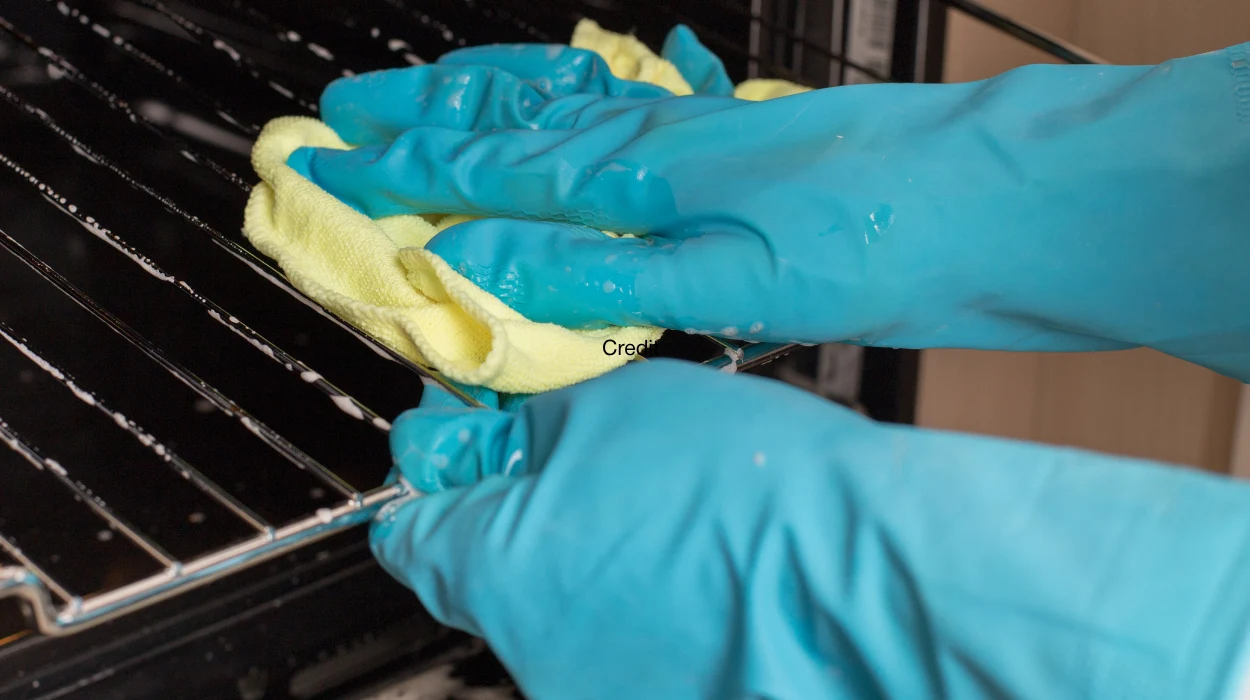
When wire shelving racks lose their original silver shine and turn a sticky, dull grey, they have accumulated a significant amount of grease. This sticky film acts like a magnet, catching dust, pet dander, and loose food particles every time the oven door opens. Over time, these layers bake into a rough, sandpaper-like texture that makes it difficult to slide roasting trays in and out smoothly.
Trying to force stuck trays along rough, grime-coated side rungs can cause hot liquids to spill, creating a severe burn hazard. Standard domestic dish soaps are generally not strong enough to dissolve these highly carbonized, baked-on layers. Professional technicians solve this issue by placing the removable wire racks into specialized vehicle-mounted dip tanks. This process uses sustained thermal energy and specialized solutions to dissolve the toughest grime, restoring a smooth, clean finish.
Frequently Asked Questions
How can I tell if my oven is a fire hazard?
An oven becomes an immediate fire hazard when it releases thick smoke, develops a strong burning grease smell, or shows thick layers of black carbon buildup near the heating elements. These old food splatters and oil deposits can easily ignite under high heat, creating a dangerous situation. Getting a professional deep clean removes these combustible materials completely, ensuring safe operation.
Why is my oven still smoking after cleaning it at home?
Domestic oven cleaning sprays often leave behind a thin chemical residue or fail to reach hidden grease deposits behind the fan guard and panels. When the oven heats up again, these leftover chemicals and missed grease pockets burn, creating a continuous stream of white smoke. Professional technicians prevent this by using eco-friendly products and thoroughly rinsing every internal component.
Can a dirty oven alter the taste of my food?
Yes, baked-on grease and carbon deposits release volatile organic compounds and acrid vapours every time the appliance heats up. These airborne particles circulate continuously within the closed oven chamber, soaking into your fresh food and leaving a bitter, smoky taste. Thoroughly cleaning your oven eliminates these old residues, ensuring your meals taste exactly as they should.
How often do oven manufacturers recommend professional cleaning?
Most major appliance manufacturers recommend booking a professional deep clean every six to twelve months, depending on how often you cook. Regular maintenance prevents heavy carbon buildup, keeps heating elements working efficiently, and helps prevent unexpected component failures. Keeping a consistent maintenance schedule extends the overall life of your appliance and helps control household energy bills.
Will a professional oven clean remove scratches from glass doors?
Professional cleaning processes are designed to completely dissolve tough carbon stains, grease layers, and burnt-on food, but they cannot repair physical scratches or chips in tempered glass. However, removing the dark grime film often makes light surface scratches much less noticeable by restoring total clarity to the window. Technicians use soft, non-abrasive tools to clean the glass safely without causing any new surface wear.