


The winter in Bolton has a way of revealing the issues that people believed they had already resolved. Damp is one of the problems that never goes away with many council flat residents. You wipe the walls. The mould fades. A repair is made. Then comes winter, and so does the damp. Having a reason why Bolton winter damp continues to recur in council flats can be used to understand the reasons why the problem seems to have no end, and what actually yields results over the long-term.
Why Bolton Winter Damp Keeps Resurfacing in Council Flats
The damp always returns to the same place every winter. In most cases, it is a combination of a number of minor problems, rather than just a single mistake. Damp is another issue that is dealt with as a superficial issue in a lot of council flats. Walls are washed, patches repainted, and vents briefly examined. These measures assist in the short term, yet it fails to eliminate the moisture that is retained in the walls, ceilings or cold corners. As the temperatures fall once more, the moisture which is trapped comes back.
What Recurring Damp Really Means in Council Housing
Recurrent dampness entails no complete loss of moisture in the building. Although a flat might appear to be dry in summer, water vapour may be left behind in plaster, beneath flooring or in the poorly insulated walls. As soon as winter comes, cold surfaces come back, and condensations occur again.
One time, I talked with a tenant in a high-rise in Bolton, and she said that the ceiling of her bathroom appeared fine all summer. In December, the dark spots again appeared in the very same spots. Nothing new caused it. The circumstances just kept on repeating.
How Bolton’s Winter Climate Makes Damp Worse Indoors
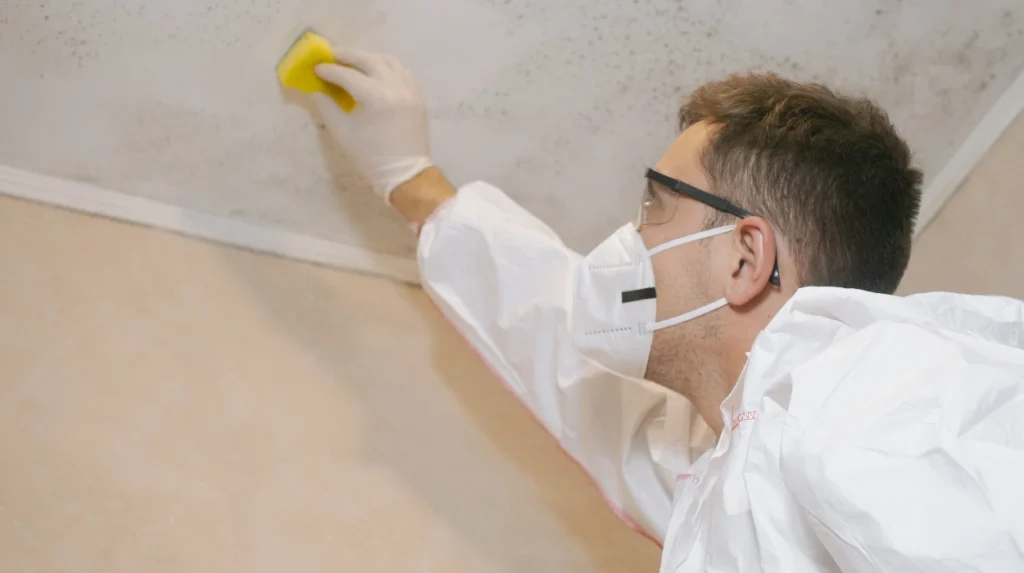
The winter weather in Bolton has a greater contribution than most individuals can imagine. The cold air contains less moisture, and indoor air is full of water vapour when the heating is not uniform. Older council flats are also known to have a problem regulating warmth. To control expenses, heating is switched on for brief periods. Windows stay closed. Water of day-to-day living has no place to go.
Cold Air, Trapped Moisture, and Indoor Humidity
Drying clothes in the house, cooking, taking a shower, and even breathing emit water to the atmosphere. During winter, such moisture is deposited on cold walls and ceilings. These surfaces created by cold are condensation magnets.
Since there is limited insulation as well as a solid wall, many flats get cool very fast during the night. As the heating is adjusted back on, cold surfaces are struck by warm air, and the condensation is re-established. This cycle occurs on a daily basis during winter.
Condensation: The Most Common Cause in Council Flats
The most common cause of the winter damp returning again in council houses is condensation damp. It has been misinterpreted and underrated. Rain does not get in, causing condensation. It is generated by the moisture that is present in the house. This issue is further aggravated by design and lifestyle constraints, as opposed to negligence, in council flats.
It is recommended that many of the residents should open their windows more, which is not always viable in the winter. Cold air raises the heating expenses and makes the existing chilly flats unbearable. Vents can also become blocked, painted over, or maintained poorly over time. One resident of the block of Bolton informed me that her kitchen vent had not been functioning correctly in years. Mould had reoccurred behind cupboards every winter, even when they were cleaned. The water had no place to go.
Structural Issues in Older Bolton Council Flats
There are some wet issues that are beyond condensation. There are a lot of council flats in Bolton that were constructed many decades ago, when there were no modern insulation standards. The walls of these buildings are usually solid bricks, with little or no cavity insulation and outdated ventilation systems. This leads to the prevalence of cold bridging.
Poor Insulation and Hidden Moisture
Cold bridges are those in which the heat is lost more easily, e.g. corners, window frames and edges of ceilings. These spots have a low temperature, and they condense. In the long-run, water accumulates under the painting and plaster.
Even where mould is removed, damp residues are concealed. Once the winter temperatures come back, moisture comes back to the surface, as though the damp has never been gone at all.
Why Damp Returns Even After Council Repairs
Most tenants are annoyed when they complain of damp only to notice it weeks later. It is usually the case since repairs are directed to symptoms as opposed to the causes.Maintenance teams in the councils operate on strict budgets and time constraints. The solutions can include repainting, resealing or minor ventilation modifications. Although useful, these repairs do not often fill insulation gaps and deep-seated moisture.
Unless moisture in walls is dried properly, it will just be waiting till the next cold spell. The same case comes about when winter sets in. The wet spots occur in the same spots, and one thinks that nothing was done at all.The cycle is particularly typical in blocks with more than one flat having common walls. The problem can also be worsened by moisture that is carried through the structures by neighbouring homes.
Health and Living Impact of Repeated Winter Damp
Life there, wet all the years. Spores of moulds may have an impact on breathing not only in children but also in old age and in asthmatics. Even when a home is regularly maintained, its smell can make it appear to be unclean.
Recurrent damp can also spoil furniture, clothes and soft furnishings. Mattresses, carpets and curtains take in moisture, and thus the rooms grow colder and harder to heat. In the long run, this contributes to energy expenses and stress.
Lots of people living in Bolton say that the emotional burden is equally overwhelming. A flat can never seem to be a permanent place ,as feeling like a problem can always be a temporary fix instead of making a house.
What Actually Helps Reduce Recurring Damp Long-Term
To prevent damp coming back, it takes a consistent approach and not a patch-up. The little things that people do every day do count, but they have to be coupled with appropriate building support.
It is advisable to keep heating at a constant low temperature instead of sporadic bursts, and this keeps surfaces cold. It is also necessary to allow the moisture to escape using working vents and extractor fans. Whenever clothes can be dried outside, even in the short term, drying clothes decreases the indoor humidity.
Professional Deep Cleaning and Moisture Control
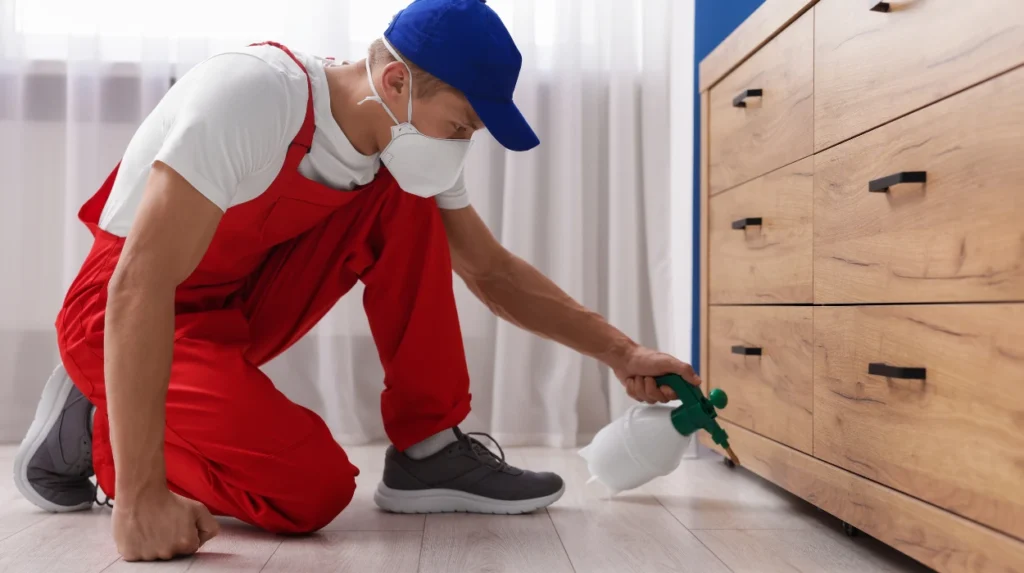
Professional cleaning of moulds and residues becomes significant when damp has been years old. Ordinary house hold items tend to clean up surface effects but leave spores behind. These spores enable mould to recur as soon as the conditions recur.
Professional cleaning mainly targets the elimination of the hidden residues, the improvement of hygiene, and the prolongation of the drying time of surfaces. This process assists in the prevention of the issue in the long run rather than just covering it up.Cleaning service in Bolton and maintaining the area can only go so far. If the problem of dampness is coming back every winter despite the measures taken, then professional help is needed.
Professional cleaners who have worked in council flats know the behavior of winter dampness very well. They do not only see the mould but also detect the places where moisture is present, the areas that hygiene is a problem, and the risk factors for that.
In this case, Bee Cleaning Services Manchester can be of assistance. Their expertise in dealing with mould and damp homes is not only a quick fix but also a solution that fits real living conditions for the long-haul.