

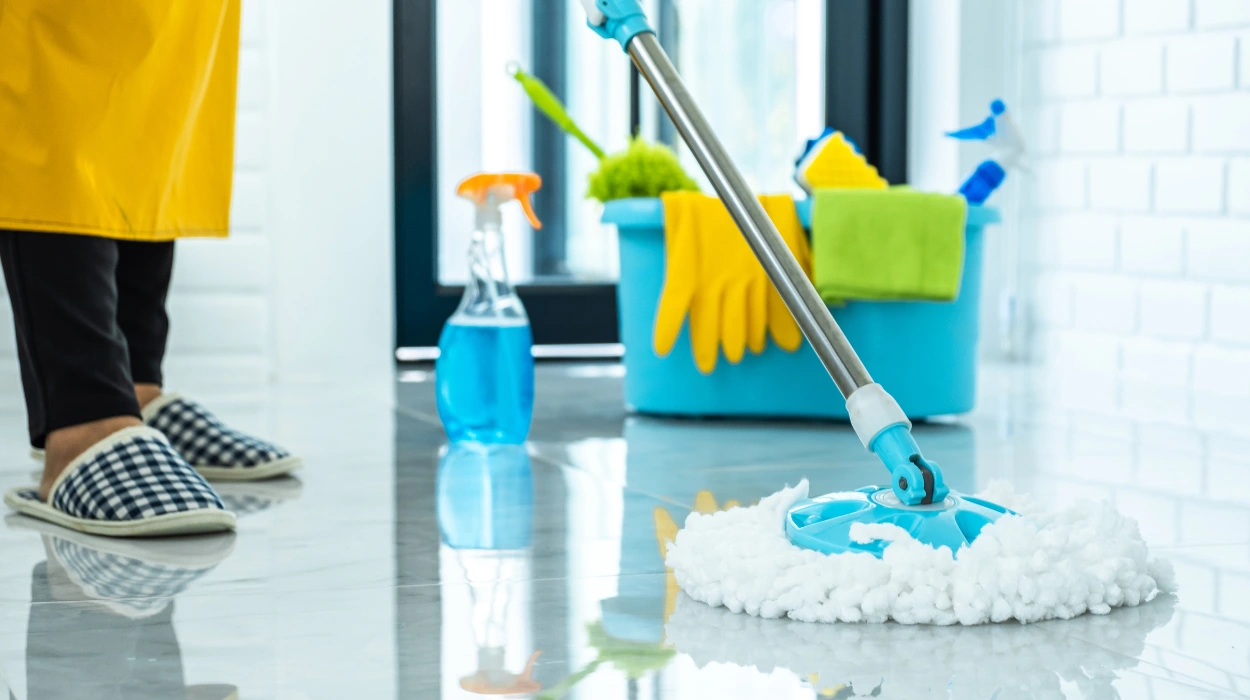
Cleaning of NDIS homes is much more than merely ensuring that a place appears good. To carers, it is all about safety, wellbeing, and dignity. Due to poor cleaning, the health of the participants can suffer, and stress can appear, as well as everyday care can become more difficult.
Even minor neglect may cause accidents, infections, or discomfort, which is the worry of carers. The cleaning quality in Manchester NDIS homes, where a large population of diverse individuals is served in Manchester. Carers are regarded as keeping high standards of care in the family, and any lapse in these standards can be a burden to the staff involved. These concerns enable families and service providers to enhance their outcomes.
How Cleaning Can Impact Health, Safety and Care Outcomes
The hygiene has a direct impact on the health and safety of the NDIS participants. Infection is prone to dust, mould and unhygienic surfaces. Uncleanliness also invites slippery accidents, especially when one has a mobility problem. Care takers are also concerned with the repercussions of an overlooked corner or a hasty cleaning schedule. In addition to physical safety, hygiene standards affect mental well-being.
A cluttered or dirty environment may increase anxiety levels or lead to sensory discomfort for the participants. Careers in the Manchester NDIS homes usually have to balance between day-to-day care and cleaning chores, a situation that results in stress and burnout. Maintaining the regular cleaning of the area by professional cleaners provides the carers and the participants with peace of mind. It enables the carers to concentrate on supporting activities because they are sure that the home is secure and clean.
What Cleaning Quality Means in NDIS Homes
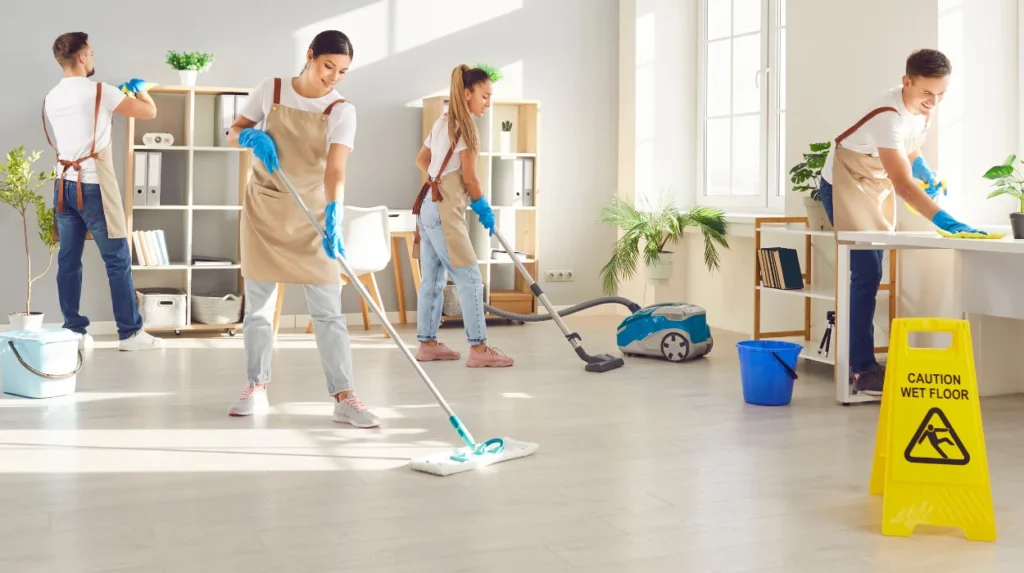
To carers, cleanliness is not just about shine. It entails in-depth customised cleaning, taking into account the needs of participants. The rooms need to be sanitised and scrubbed, the kitchen and bathroom hygienic, and the bedrooms dusty and cluttered. Most carers in Manchester stress that cleaning must prevent health risks without disturbing the routine. They also become anxious in situations where cleaning is not routine, tools are insufficient, or work is hurried.
NDIS homes are often subject to professional cleaning (which is designed specifically) and are often followed by detailed checklists. These principles concern the control of infections, safety risks and mobility issues. Quality of the cleaning also includes discussing the priorities and schedules with the carers. Caring plans also allow the carers to know they can be certain of the environment they take care of day in and day out. Finally, cleaning quality facilitates both the physical and emotional health of both the participants and the carers.
Safety Risks When Cleaning Standards Are Poor
Where cleaning is poor, there are increased risks. Dust and dirt can cause respiratory health issues or allergies. The chances of slips, trips and falls increase and occur more often among individuals on walkers or wheelchairs. Lack of adequate cleaning may also provide a breeding ground for bacteria and therefore risk of infection.
In Manchester, carers tend to recount cases of minor accidents that would have been avoided had they been cleaned. Minor things such as dirty surfaces or uncleaned bins, could multiply the stress and concern. The risks also impact the mental health of carers, who end up anxious or overworked. When worried about safety hazards, carers may be stressed, and this may be noticed by families. This demonstrates why cleaning quality is not a task but an important aspect of ensuring that the NDIS homes are safe, comfortable, and supportive.
The impact of Cleaning Quality on Carer Wellbeing
Responsibility for safeguarding the participants is often vested on carers. In case of uncertainty in the quality of cleaning, it may lead to a perennial worry. Most carers in Manchester also confess that they feel guilty when they do not have their homes sparkling, even when they have tried their level best. This concern will result in burnout, emotional exhaustion, and lower job satisfaction. Care includes cleaning, which is combined with other care tasks such as meal preparation, help in personal hygiene, and health monitoring.
The low level of cleaning makes the stress levels even higher as it is up to the carers to compensate and, in some cases, do something that is not part of their job. Career anecdotes share personal experiences of long nights caused by concerns over hygienic violations or dirty places. A safe environment is clean, and this assures the carers that they are offering maximum care. Cleanliness leads to reduced anxiety, which contributes to preserving professional confidence and enables carers to engage in meaningful communication instead of being concerned about risks.
Real Concerns Carers Face in Manchester NDIS Homes
There are numerous recurring challenges that raise concerns for carers. There are instances when cleaning is done in a hurry, leaving corners, bathrooms orthe kitchen unattended. Failure to communicate with cleaning personnel may imply that some duties are not done at all. The shared areas of NDIS homes can need more attention in cases of more than one participant, and the carers are nervous when there are no adhered schedules.
Cleaning materials and equipment might not be adequate, and it is more difficult to fulfil the hygiene requirements. In order to maintain a clean environment, some carers have problems with clutter and keeping surfaces clean. These issues illustrate the reason why cleaning quality is one of the preferences of carers in Manchester. By solving these issues, the service providers will be able to help the carers and the participants, which will produce a safer, calmer, and healthier environment for all in the home.
What Good Cleaning Practices Look Like
Preferred cleaning in NDIS homes entails regularity, focus on detail, and knowledge of the needs of participants. Dee cleaning programs, cleanliness, and routines are a great difference. A collaborative style of cleaning is a suggestion made by carers who would communicate with cleaning staff about what is important to them. The houses are supposed to have the hygiene standards, cleaning appliances, and frequent audits.
Special accommodations like allergen-free products or sterilised mobility aids can be required for participants with special health needs. Professional cleaning services trained as per the NDIS standards have the ability to assist carers in Manchester to reduce their added stress. This enables them to concentrate on direct care and know that the surrounding is safe, clean, and conducive. It also guarantees the families that the homes are safe and comfortable.
Solutions and Support for Better Cleaning Outcomes
To enhance the quality of cleaning, it needs the collaboration of the carers, families, and cleaning providers. Training periodically keeps employees informed about the hygiene standards and requirements of the participants. Consistency and accountability can be ensured by checklists and audits. Open communication is used to eliminate missteps and missed tasks. The advantage of professional cleaning of some Manchester NDIS homes is that it will relieve the stress on carers and maintain high standards.
Carers like it when they are included in the process of the schedules and the right choice of cleaning products. By focusing on safety and cleanliness, homes are made warmer and healthier for the participants. The same improvements also enable the carers to be more energised and focused to be able to deliver better care and feel secure in the place they are working.
The cleaning quality in the Manchester NDIS cleaning homes is a concern among carers since it has a direct influence on safety, health, and the quality of life. Irregular cleaning may lead to increased risks, create stress, and lower the standards of care. By addressing these issues and providing professional cleaning practices, customized plans, and good communication, the caregivers can concentrate on the help that the participants really need. The families also feel relieved knowing that their loved ones are being cared for or are living in a safe and clean environment.
If you are looking for cleaning services that are reliable, detailed, and reputable for the NDIS homes in Manchester, then you should call Bee Cleaning Services Manchester today and enjoy a cleaner, safer, and more supportive environment for everybody.