

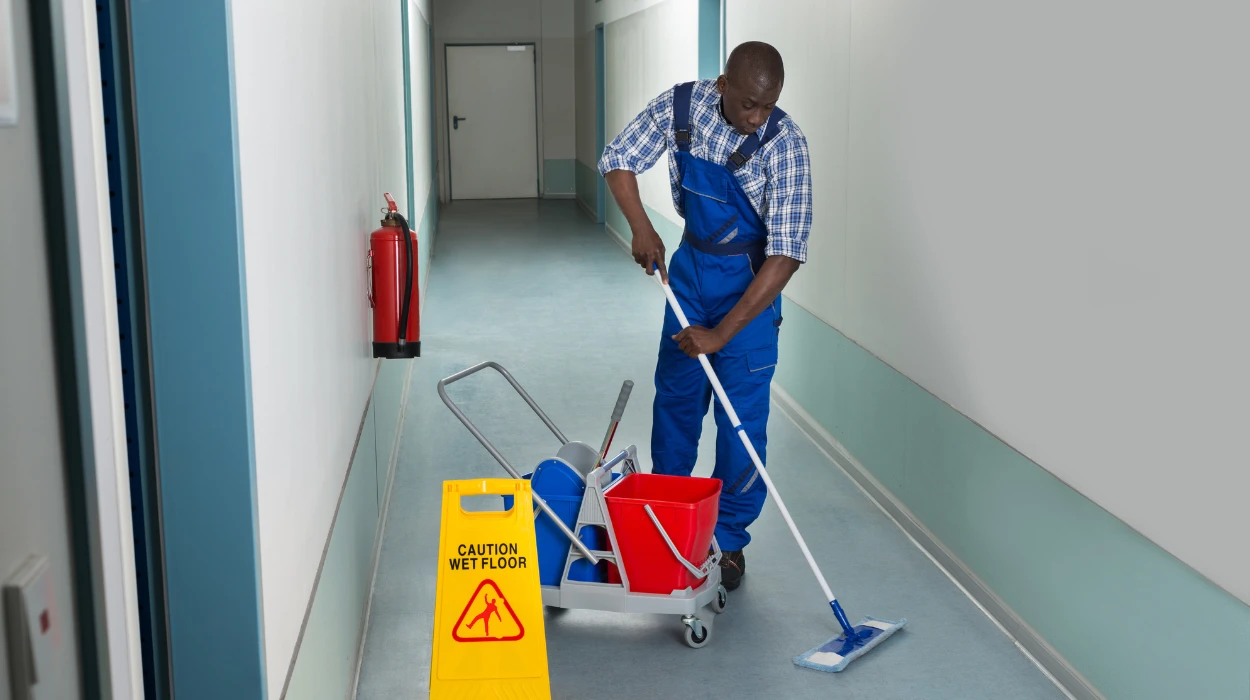
Hiring an Oldham Construction Cleaning Company 24 Hour Service ensures your newly built or renovated property is completely cleared of hazardous dust and debris safely at any hour of the day. Professional post-construction technicians utilize specialized industrial equipment to deep clean environments efficiently, transforming chaotic construction sites into spotless, handover-ready spaces that meet strict safety standards.
When a construction project nears its final deadline, the pressure to deliver a flawless environment increases significantly for project managers and developers. The final handover phase requires meticulous attention to detail because standard sweeping cannot eliminate fine particulate matter trapped in vents or light fixtures. Utilizing a dedicated Oldham Construction Cleaning Company 24 Hour Service allows your management team to maintain strict timelines without compromising the aesthetic or structural presentation of the building. Round-the-clock availability means that evening shifts can clean spaces seamlessly, ensuring that morning building inspections proceed without any costly operational delays or safety non-compliance issues.
Fine plaster dust, stray silicone beads, and leftover paint splatters bond quickly to fresh surfaces, making them exceptionally difficult to remove without causing permanent scratches. Professional teams understand the chemical compositions of modern building materials and use non-abrasive techniques to salvage glass, steel, and premium hardwood panels. Investing in specialized Construction Cleaning Services in Oldham protects your cosmetic investments from accidental damage during the final tidying phases of the project. Experts systematically scrub areas from top to bottom, making certain that fine particulates do not settle back down onto surfaces that have already been washed and polished.
Navigating the Phases of Professional Post-Build Handover Care
The initial phase of clearing a construction zone involves removing heavy debris, leftover timber framing pieces, loose drywall offcuts, and protective plastic sheets. Rough cleaning requires heavy-duty waste management strategies and careful lifting protocols to ensure the underlying floor materials remain completely unmarred throughout the process. Technicians sweep floors, clear large piles of dust, and prepare walls for the subsequent detailed scrubbing stages that follow. This structural preparation sets a stable foundation for technical deep cleaning, ensuring that subsequent fine washing stages achieve maximum visual effectiveness across the entire commercial or residential floor plan.
Once large waste items are cleared, teams focus directly on deep detail work by wiping down baseboards, cleaning internal window frames, and scrubbing electrical sockets. This intermediate phase targets hidden areas where microscopic silica dust settles, such as inside cabinetry hinges, along door tracks, and within light fixtures. Technicians use commercial HEPA vacuum systems designed specifically to capture microscopic elements that standard domestic vacuums simply recirculate back into the ambient air. Eliminating these hidden residues improves indoor air quality, which protects the respiratory health of future building occupants and keeps ventilation systems running optimally for years.
The final stage of the process is the sparkle clean, which gives the property its pristine, move-in-ready brilliance just before the client walkthrough. During this step, teams polish stainless steel fittings, clean glass panels until streak-free, and buff floors to highlight the architectural design features beautifully. Every surface is systematically re-checked for fingerprints, smudges, or lingering adhesive spots left behind by protective manufacturing tapes and window labels. This exhaustive final polish ensures that your building reflects the high quality of your craftsmanship, providing a powerful impression during stakeholder site inspections.
The Operational Benefits of Round-the-Clock Site Cleaning Support
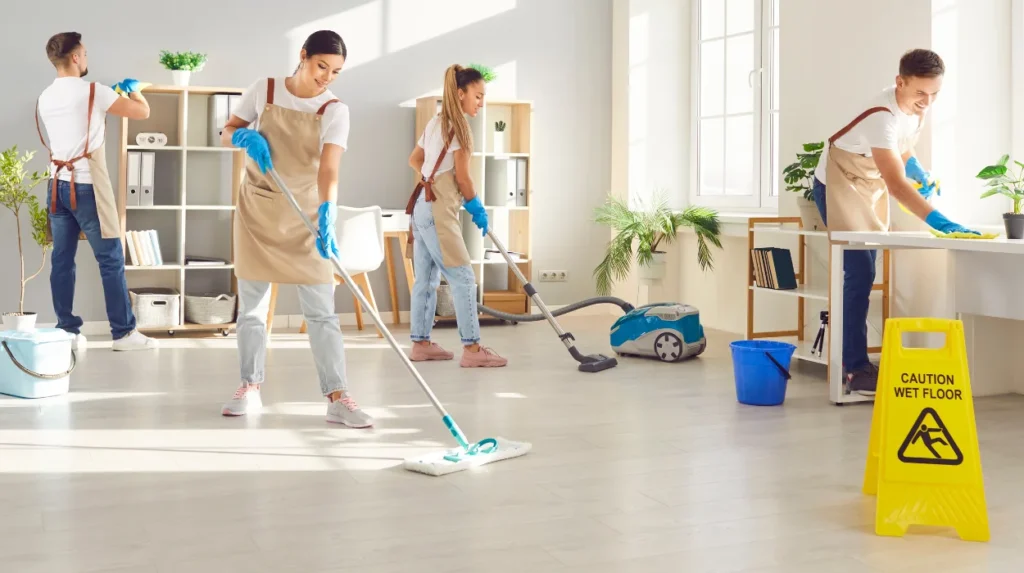
Operating on a 24-hour schedule provides commercial builders with the flexibility needed to manage unexpected design changes or material delivery delays effectively. Cleaning crews can execute their tasks overnight while structural contractors are off-site, eliminating spatial conflicts and maximizing overall workforce efficiency. This separation of trades reduces on-site congestion, allows cleaning technicians to work faster, and ensures zero interference with remaining plumbing or electrical adjustments. Maintaining continuous momentum across the final days of a development cycle helps prevent liquid damages or penalty clauses associated with late handovers.Health and safety compliance remains a primary consideration on modern building sites, requiring cleaning staff to possess proper certifications and specialized training. Professional teams arrive fully equipped with high-visibility gear, steel-toe footwear, and respiratory protection appropriate for handling lingering silica dust hazards safely. They closely follow established site safety protocols, ensuring that the risk of workplace accidents remains exceptionally low throughout the intensive cleaning process. Entrusting this work to certified experts provides peace of mind, knowing that the property is managed in strict alignment with regional safety regulations.
Protecting Structural Investments with Expert Surface Care Specialist Methods
Different building materials require specific chemical pH levels and wiping pressures to prevent permanent discoloration, etching, or unexpected fiber breakdown. For instance, natural stone tiles can react poorly to acidic scale removers, while unsealed wood elements require minimal moisture to prevent warping. Trained cleaning staff identify these architectural vulnerabilities immediately, applying balanced care solutions that preserve the integrity and warranty of every installed fixture. Their experience prevents costly refinishing errors, ensuring that expensive design upgrades look flawless when presented to property buyers or commercial tenants.
Upholstered items and carpets installed in new buildings frequently trap airborne masonry dust during the final dry-lining and sanding phases of construction. Regular vacuuming cannot extract these sharp, abrasive microscopic crystals, which gradually cut carpet fibers down at the base under everyday foot traffic. Utilizing professional post-renovation care methods helps extract deep-seated fine dirt particles, ensuring the carpets maintain their texture, pile density, and vibrant color tones over time. This precautionary care extends the operational life expectancy of interior textiles, lowering overall long-term maintenance costs for property owners and asset managers.
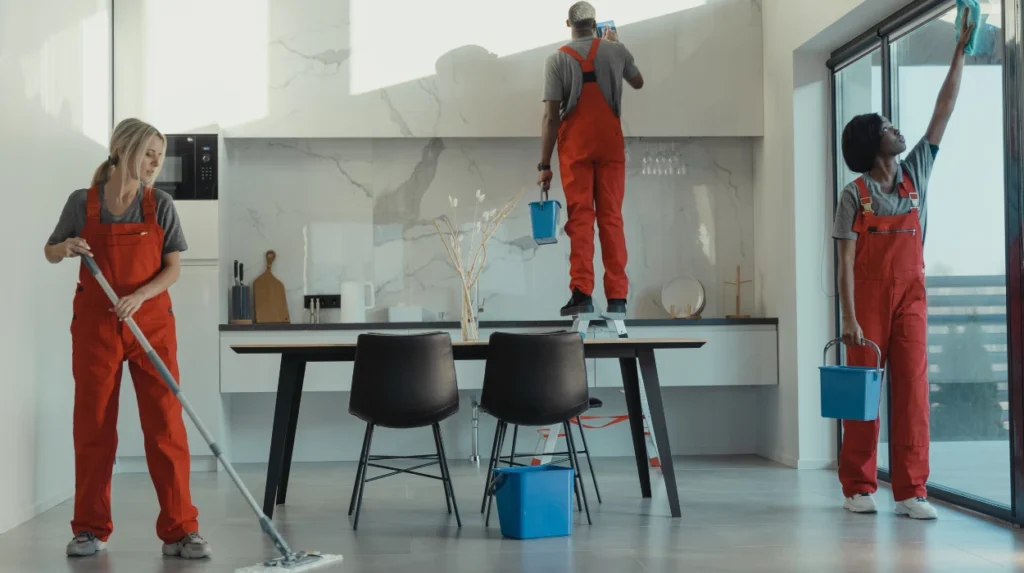
External windows and glass facades often accumulate stubborn concrete splatters, mortar run-off, and heavy weather staining during multi-month commercial structural builds. Scraper blades used incorrectly by untrained personnel can leave permanent hairline scratches across window panes, ruining visibility and requiring expensive glass replacements. Specialists apply targeted softening agents that break down the binders in concrete matrixes, allowing the residue to slide off safely without scratching. This careful approach restores glass clarity perfectly, allowing natural light to fill the building interiors and showcase the internal finishes to their best advantage.
Enhancing Environmental Air Quality Standards After Major Building Renovations
Post-construction environments often retain elevated levels of airborne particulates and volatile organic compounds emitted by fresh adhesives, caulking agents, and commercial paint coatings. These microscopic particles linger in dead air zones for weeks if not actively collected and filtered out using specialized air-scrubbing machinery. Professional crews introduce commercial-grade air movers and filtration systems alongside detailed surface scrubbing to clean the atmospheric conditions inside the building envelope. Improving the indoor climate creates a safer, fresh-smelling interior that feels clean and welcoming from the moment the building doors open.
HVAC ductwork can draw in floating dust during sanding operations, distributing those fine particles back through the building once the heating system turns on. Technicians vacuum out return vents and clean register grills to prevent recirculating dirt throughout newly finished rooms. This proactive approach prevents premature clogging of premium air filters and safeguards complex internal system components from overheating due to heavy dust accumulation. Maintaining clean ventilation networks ensures energy-efficient climate control performance while protecting the long-term operational health of the property infrastructure.
Microscopic silica dust particles can remain suspended in enclosed indoor air zones for up to twelve hours after construction activities have officially ceased on-site.
Finalizing a construction project with a pristine environment requires structural organization, specialized industrial machinery, and highly flexible operational scheduling solutions. Partnering with a dedicated Oldham Construction Cleaning Company 24 Hour Service allows developers to effortlessly bridge the gap between active building site conditions and client-ready handovers. Bee Cleaning Services Manchester delivers reliable, safe, and professional cleaning solutions tailored to meet the exacting aesthetic and regulatory needs of local construction handovers.
Read More: Need to book after builders cleaning in Oldham with a fast turnaround?
Frequently Asked Questions
What is the difference between a builders clean and a sparkle clean?
A builders clean focuses on the heavy-duty restoration of a site by removing structural debris, paint splatters, silicon residues, and coarse masonry dust layers. A sparkle clean is the final aesthetic phase executed right before handover, concentrating on high-gloss polishing, window buffing, and detailed surface detailing to present the project perfectly.
Why can you not use standard domestic vacuums for post-construction dust?
Construction debris contains microscopic silica crystals and fine plaster particulates that easily tear standard domestic vacuum filters and burn out consumer-grade motors. Professional teams use industrial HEPA-filtered extraction machinery designed specifically to lock in microscopic particles without exhausting hazardous dust back into the breathing environment.
Do post-construction cleaners require specific site certifications?
Yes, legitimate commercial cleaners working on active construction sites must possess valid Construction Skills Certification Scheme (CSCS) cards to verify their health and safety training. Professional technicians also arrive fully equipped with Personal Protective Equipment (PPE), including steel-toe footwear, high-visibility vest systems, and rated respiratory filters.
How long after construction finishes should the deep clean begin?
Detailed cleaning operations should ideally begin approximately twelve to twenty-four hours after the final sanding, dry-lining, or structural construction dust-producing tasks have officially ceased. This strategic operational delay allows airborne micro-particles to settle completely out of suspension, preventing them from contaminating surfaces that have already been thoroughly washed and polished.