

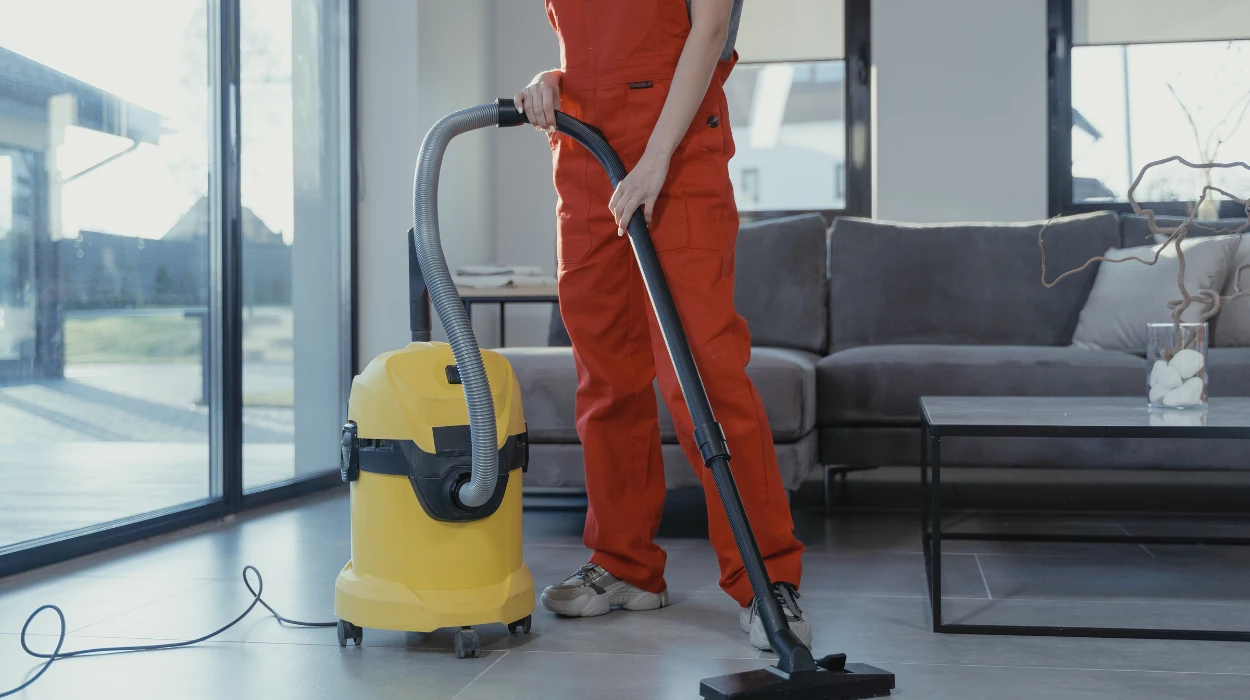
Opting for professional Construction Cleaning Services in Oldham ensures that fine particulate matter, hazardous silica dust, and heavy structural debris are safely extracted from your property using industrial HEPA equipment. Attempting to clear these specialized residues with standard domestic tools risks damaging your surfaces and re-circulating airborne toxins throughout your indoor environment.
Understanding the Hidden Hazards of Post-Renovation Dust
Unmanaged structural residue contains microscopic elements that present serious health risks if disturbed without proper personal protective equipment. Anyone attempting to restore their property after major building work must understand that standard domestic vacuums simply recirculate fine plaster particles back into the atmosphere. These micro-particles settle deep within soft furnishings, ventilation networks, and wall cavities, posing long-term indoor air quality issues for building occupants. Prioritizing respiratory safety by wearing an appropriate mask and ensuring maximum ventilation across the property is an essential first step before any physical scrubbing begins.
The Systematic High to Low Cleaning Strategy
Executing a precise top-to-bottom spatial cleaning trajectory ensures that falling debris does not ruin already sanitized surfaces beneath. Experienced technicians providing Construction Cleaning Services in Oldham always initiate their structural clearance by addressing light fixtures, ceiling coving, and high wall joints first. Scraping away stray paint flecks and heavy adhesive residues requires delicate manual tools to avoid permanently gouging modern drywall or historical plaster coatings. Once upper structural levels are stabilized, attention shifts downward toward window frames, electrical switch plates, and mid-level architectural trim pieces.
Selecting Safe Chemical Solutions for Structural Residues
Different building materials require specific chemical neutralizers to dissolve stubborn residues without damaging the underlying substrate surfaces. Alkaline washes work efficiently to cut through greasy residues, while specialized low-pH acidic solutions are required to break down structural cement splashes or grout haze on tiled floors. Homeowners must avoid mixing random household chemicals, as combining certain agents can release toxic vapors into confined newly renovated indoor environments. Testing cleaning products on an inconspicuous surface area ensures the chemical does not cause permanent discoloration or surface etching.
Deep Extraction Protocols for Carpets and Soft Furnishings
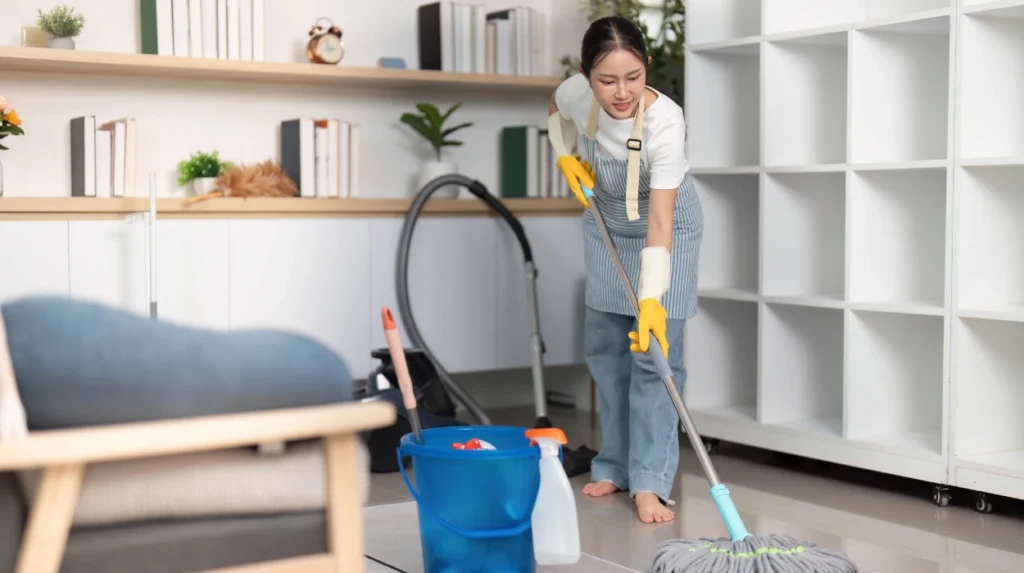
Fine masonry dust possesses highly abrasive physical properties that can prematurely degrade delicate carpet fibers if left untreated. Standard vacuuming tools often fail to lift deeply embedded grit from the base of heavy fabrics, requiring heavy-duty industrial hot water extraction systems instead. Utilizing specialized industrial machinery helps lift fine silica particles out of carpet backing fabric while preventing permanent fiber discoloration. For comprehensive commercial or large-scale domestic restorations, scheduling a detailed after construction cleaning cost calculator uk guide review helps property owners balance machinery hire costs against professional team mobilization.
Restoring Air Quality and HVAC System Integrity
When dust settles inside HVAC ductwork systems during active construction phases, it circulates throughout the entire property every time heating or cooling units activate. Replacing all internal air filters immediately after building work concludes prevents fine plaster particles from continually fouling your clean indoor living spaces. Wiping down air supply grilles and return vents with damp cloths captures residual surface tracking before it escapes back into the room. For comprehensive peace of mind or fast-tracked property handovers, opting for an experienced oldham construction cleaning company 24 hour service guarantees full environmental remediation around the clock.
Ultimately, achieving a pristine and clinically safe indoor environment requires specialized industrial tools, targeted chemical applications, and methodical physical labor. While minor cosmetic wipe-downs can occasionally be managed independently, heavy structural debris and widespread plaster dust demand experienced intervention. Engaging an established local specialist ensures every trace of hidden particulate matter is completely extracted without compromising your structural materials or family health. Bee Cleaning Services Manchester provides comprehensive, fully certified property restoration packages tailored to safely return your renovated space to a beautiful, livable condition.
Curious about what to expect financially for a full property clear-out? Read our complete breakdown: How Much Does Construction Cleaning Services in Oldham Cost?
Frequently Asked Questions
How long should you wait to clean after building work finishes?
It is best to wait approximately 24 to 48 hours after all structural work concludes before initiating a comprehensive deep clean. This waiting window allows ultra-fine airborne plaster dust particles to completely settle onto flat surfaces rather than remaining suspended in the room. Attempting to wipe down surfaces too early results in continuous cross-contamination as airborne particles settle back onto freshly washed areas.
Can a regular household vacuum handle post-construction plaster dust?
No, standard domestic vacuum cleaners should never be used to clean up fine construction or plaster dust residues. The microscopic particles pass right through conventional domestic filters and can instantly burn out the vacuum motor while exhausting dust back into the air. Safe extraction requires specialized industrial vacuums equipped with certified HEPA filtration systems designed to capture micro-particles securely.
What is the fastest way to remove white plaster dust from floors?
The most efficient method involves dry vacuuming with an industrial HEPA unit followed by a sequence of damp mopping using a specialized acidic rinse. Pure water often dissolves the plaster slightly and creates a stubborn white slurry that leaves white streaks behind as it dries. Adding a splash of commercial grout cleaner or white vinegar to your mopping water breaks down the alkaline plaster residue cleanly.
Is building dust dangerous to breathe during a home DIY renovation?
Yes, breathing unmanaged building dust poses significant health hazards because materials like concrete, brick, and mortar contain crystalline silica. When mixed or disturbed, these materials create fine respirable dust that can cause permanent respiratory inflammation or long-term lung conditions. Always wear a tightly fitting mask and maximize room ventilation when clearing away post-construction dust.
Why do white powdery streaks keep appearing after I mop?
White streaks appear because fine plaster dust is highly water-soluble and expands into a thin liquid film when wiped with a wet cloth or mop. When the water evaporates, the dissolved mineral solids dry out and recrystallize on the surface again. To fix this, you must dry-vacuum more thoroughly first and change your damp microfiber cloths and rinse water frequently.