

Deep cleaning services in Farnworth often miss critical areas because standard checklists fail to account for hidden grease buildup, high-level dust, and the complex structural nooks of older properties. Achieving a truly comprehensive clean requires specialized equipment, systematic movement through a room, and a professional understanding of how environmental pollutants settle on various surface textures over time.
The Technical Gap in Standard Cleaning Protocols
When homeowners invest in professional sanitation, they expect a level of detail that surpasses a standard weekly tidy-up. However, the discrepancy between expectations and results often stems from a lack of technical training regarding soil types and surface compatibility. Many providers focus on visible horizontal surfaces while neglecting the vertical planes and recessed joints where bacteria and allergens frequently congregate. A high-quality approach involves assessing the specific architectural layout of a home to identify high-traffic contact points that are easily overlooked during a rushed session. This systematic gap is often why consumers feel the need to double-check the work of local contractors after the job is finished.
Restorative Sanitation Requirements
Understanding the difference between surface-level maintenance and restorative sanitation is the first step in ensuring your home remains a healthy environment for your family. Standard domestic routines typically focus on odor control and aesthetic organization, whereas professional interventions target the microscopic layers of grime that bond to skirting boards and door frames. If a provider does not utilize industrial-grade HEPA vacuums or specific degreasing agents for kitchen cabinetry tops, the result will inevitably be incomplete. Deep Cleaning Services in Farnworth must prioritize these technical aspects to deliver the lasting value that clients expect from a premium local brand. By focusing on the science of soil removal rather than just the appearance of cleanliness, specialists can ensure that every square inch of the property is addressed.
Identifying the Most Frequently Neglected Zones
The most common areas forgotten during a deep clean are often those that require physical exertion or specialized tools to reach effectively. Ceiling fan blades, the interior tracks of sliding window frames, and the coils behind heavy appliances are notorious for accumulating years of neglected debris. These spots are not just aesthetic concerns; they are reservoirs for dust mites and allergens that can significantly impact indoor air quality if left undisturbed. A professional team should possess the discipline to move heavy furniture and utilize extendable reach tools to sanitize every corner. This level of dedication distinguishes a premium service from a basic one, ensuring that the comprehensive sanitation process addresses the root causes of household odors and persistent dust.
Addressing Lighting and Electronic Interfaces
Lighting fixtures and electronic interfaces represent another category of frequently bypassed zones during a typical cleaning appointment. Chandelier crystals, recessed spotlight rims, and the tops of wall-mounted televisions collect a fine layer of static-charged dust that regular wiping often fails to remove. Without the correct microfiber technology and non-conductive cleaning solutions, these delicate areas can become permanently dulled or damaged by improper handling. Technicians must be trained to recognize the specific requirements of modern home technology and decorative glass to provide a safe yet thorough result. This attention to detail ensures that the brilliance of your home’s lighting is restored, contributing to a brighter and more welcoming atmosphere throughout the living space.
The Complexity of Kitchen Grease and Carbon Deposits
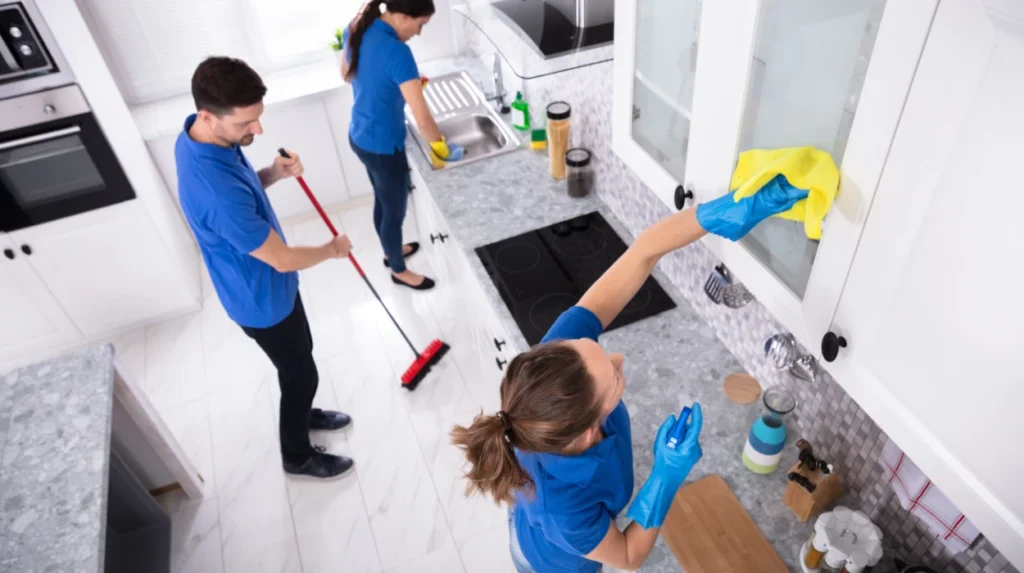
Kitchen environments pose the greatest challenge for deep cleaning due to the way airborne grease solidifies on high surfaces and inside cabinetry. Many services will wipe down the exterior of a stove but fail to address the heavy carbon deposits hidden within the extractor hood filters or the side panels of the oven. This residual grease acts as a magnet for further dust, creating a sticky layer that is extremely difficult to remove without professional-grade chemical emulsifiers. A detailed technician will prioritize these high-friction areas, ensuring that the cooking environment is not only visually clean but also hygienically safe. Learning more about the distinctions between service levels can help homeowners choose the right package for their specific kitchen maintenance needs.
Sanitizing High-Moisture Bathroom Recesses
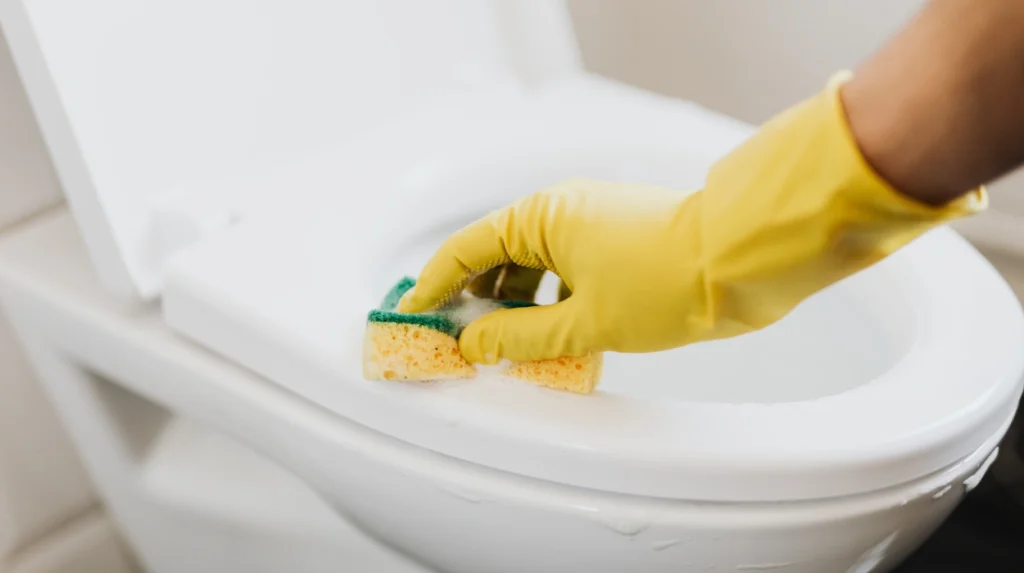
Bathrooms are similarly prone to missed spots, particularly in the hidden recesses of the plumbing fixtures and the porous grout lines between floor tiles. Limescale buildup around the base of taps and the underside of toilet rims can harbor significant bacterial colonies if not treated with the appropriate acidic descalers. Standard mopping often pushes dirty water into the corners of the room, leading to a dark buildup of grime along the baseboards over time. A professional deep clean involves scrubbing these joints with specialized brushes and steam technology to lift embedded dirt that a regular mop simply cannot reach. By addressing these moisture-rich zones with precision, a cleaning service prevents the growth of mold and mildew, protecting the structural integrity of the bathroom.
Quality Control and Assessment Standards
The success of a professional cleaning session is often determined by the quality of the initial assessment and the communication between the client and the service provider. Many missed areas are simply the result of a lack of clear parameters or a failure to inspect the work against a rigorous quality control checklist. When hiring Deep Cleaning Services in Farnworth, it is essential to verify that the team follows a structured protocol that includes double-checking high-level and low-level surfaces. This accountability ensures that the investment leads to a healthier home rather than just a temporarily tidy one. For those transitioning between properties, selecting a specialized moving sanitation package ensures that even the most obscure corners are sanitized before the new occupants arrive.
Ultimately, the goal of a deep clean is to reset the home to a baseline of total hygiene, which requires a blend of physical labor and technical expertise. Bee Cleaning Services Manchester understands that every property in the region has unique requirements, from historic terraces with intricate molding to modern apartments with expansive glass surfaces. By employing a detail-oriented strategy that prioritizes the areas most people forget, the company provides a service that stands up to the closest scrutiny. Professional cleaning is about more than just appearances; it is about creating a sterile, comfortable, and pride-inducing environment for every resident. Trusting a dedicated local specialist ensures that your deep clean is truly deep, leaving no stone unturned and no corner untouched.
What is the 3:30 rule for cleaning?
The 3:30 rule is a productivity technique where you set a timer for 30 minutes to tackle three specific, high-impact tasks. This method helps maintain daily order and prevents smaller chores from accumulating into the massive projects that eventually require professional intervention.
What part of the house takes you the longest to clean?
The kitchen is widely considered the most time-consuming area because it requires degreasing vertical surfaces and sanitizing food-prep zones. Deep Cleaning Services in Farnworth often spend a disproportionate amount of time here to ensure that hidden carbon deposits and appliances are fully restored.
What is the hardest thing to clean in a house?
Grout lines and textured bathroom tiles are arguably the hardest elements to clean because they are porous and trap minerals and mold deep below the surface. Removing these stains often requires specialized steam equipment and acidic cleaners that go beyond the capabilities of standard domestic tools.
What is a messy house a symptom of?
A messy house is often a symptom of “decision fatigue” or a lack of functional storage systems rather than a lack of effort. When every item doesn’t have a designated home, clutter builds up, making it significantly harder for Bee Cleaning Services Manchester to access the actual surfaces that need sanitizing.
What is grandmas’ simple trick to eliminate dust?
The classic “grandma trick” involves using a slightly dampened microfiber cloth or a very small amount of mineral oil on a rag to trap dust instead of pushing it into the air. This simple moisture-based approach prevents particles from resettling, which is a key principle used by professional teams to ensure a long-lasting finish.