
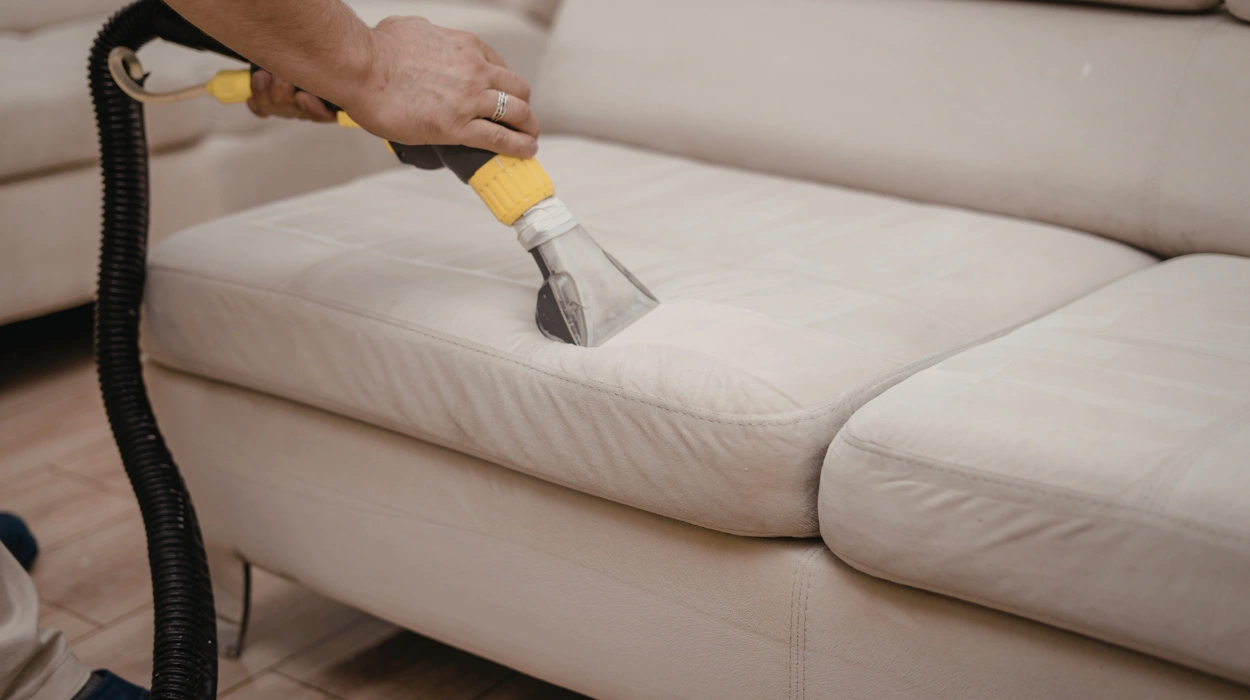
Industrial-grade extraction removes allergens, dust mites, and deeply embedded debris that no household vacuum or retail spray product is built to handle effectively. The advantage comes from professional pressure levels, controlled heat application, and powerful moisture removal, none of which are replicable with consumer-grade equipment.
The Hidden Layer Most Home Cleaners Never Reach
Mattress Cleaning Services in Farnworth have become increasingly sought after as more homeowners recognise that standard cleaning methods leave behind far more than surface dirt. A typical mattress accumulates years of dead skin cells, body oils, sweat residue, and microscopic dust mites that settle deep within the foam and fabric layers over time. These contaminants are not visible to the naked eye, which is precisely why many people underestimate how much biological load is present inside a mattress they consider clean.
Vacuuming the surface moves loose debris around but rarely lifts material from below the first inch of padding. Retail mattress sprays treat odours and surface bacteria, but they do not penetrate the internal structure where the majority of contamination actually sits. Understanding this gap between appearance and actual cleanliness is the starting point for understanding why professional extraction methods exist and why they perform so differently. The tools matter enormously, and the performance difference begins with the fundamental engineering of the machines involved.
What Home Cleaning Products Are Actually Designed to Do
Home mattress cleaning products, whether handheld vacuums, upholstery attachments, or enzyme-based sprays, are engineered for maintenance, not deep remediation. They are designed to address surface-level soiling between professional treatments or in households where no significant hygiene concern is present. A handheld vacuum with an upholstery nozzle generates suction of roughly 15 to 20 kPa in most consumer models, which handles loose particles sitting near the top layer of the mattress fabric but little else.
Enzyme sprays work by breaking down organic matter at a chemical level, but their reach is limited to however far the liquid penetrates before the fabric repels further moisture absorption. Neither tool is built to flush contaminants from the inside of a mattress outward. They work from the outside in, touching only the layers immediately accessible, while the deeper structure remains largely untouched. This is not a flaw in the products themselves; it is simply the limitation of what they were designed and tested to achieve within their category.
The Engineering Difference in Industrial Extraction Machines
Industrial hot water extraction machines, the type used by professional cleaning companies, operate at a fundamentally different performance tier than anything available in a retail setting. These machines generate water pressure between 100 and 500 psi depending on the application, paired with water temperatures that can reach between 60 and 90 degrees Celsius, and they extract injected moisture at rates that leave surfaces dry within a controlled timeframe. The combination of high-pressure injection and simultaneous vacuum extraction means contaminants are not merely loosened but physically pulled out of the mattress structure during the same cleaning pass.
The suction power in professional equipment typically exceeds 200 inches of water lift, compared to 80 to 100 inches in the strongest consumer vacuum models available today. That difference is not incremental; it represents a completely different category of mechanical capability altogether. Professional machines are also fitted with specialist mattress heads that distribute pressure evenly across the surface and prevent fabric damage during the extraction process. The result is a level of internal access that consumer tools cannot approach regardless of price point or brand.
Why Temperature Is a Critical Factor in Mattress Hygiene
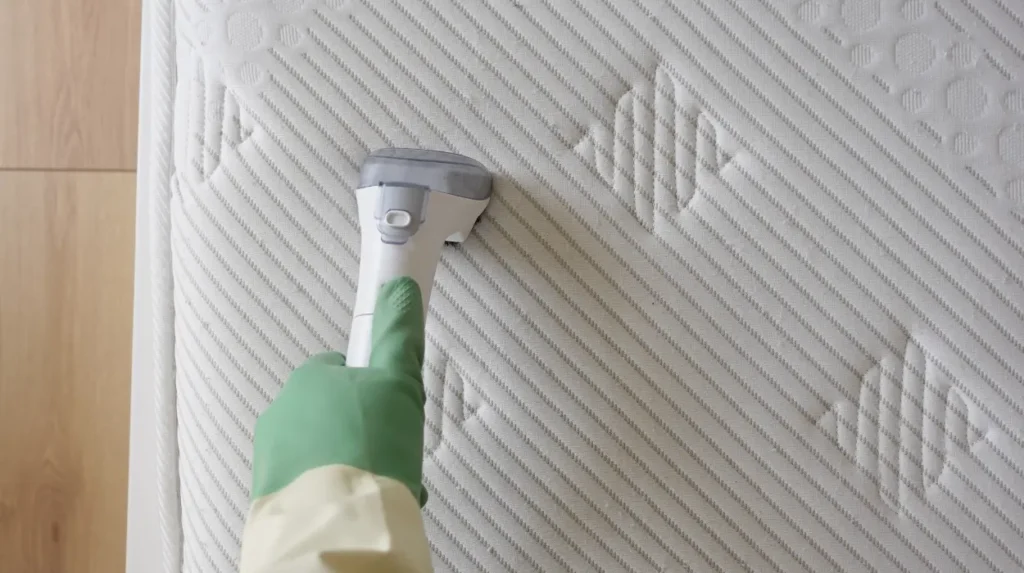
Heat plays a decisive role in mattress cleaning that most homeowners do not factor into their assessments of different cleaning approaches. Dust mites, which are among the most common allergen sources found in mattresses, die at sustained temperatures above 55 degrees Celsius. Steam cleaning and hot water extraction achieve and maintain these temperatures throughout the cleaning process, ensuring that allergen sources are not just displaced but destroyed at the biological level.
Retail steam devices designed for home use often lose temperature consistency as they travel across larger surface areas, and the steam pressure is rarely sufficient to carry that heat deep into the mattress layers where mite colonies are most concentrated. Professional extraction equipment maintains consistent temperature output across the full service duration, whether the job takes twenty minutes or an hour. This consistency is what produces measurable, repeatable results rather than the variable outcomes that come with consumer tools. For households dealing with asthma, eczema, or other respiratory and skin sensitivities, the temperature differential between home and professional cleaning is clinically significant and practically meaningful.
The Role of Pre-Treatment in Professional Mattress Extraction
Pre-treatment is the preparatory stage that separates professional mattress extraction from a simple hot water flush, and it makes a significant difference to the final result, particularly on mattresses with established staining or high biological load. Professional technicians assess the mattress before applying any solution, identifying areas of concentrated soiling, odour sources, and fabric type to determine which pre-treatment agent is most appropriate. Enzyme-based pre-treatments are applied to areas of organic contamination such as sweat accumulation or protein-based stains, where the enzymes break down the molecular bonds holding the contaminant to the mattress fibres before the extraction phase begins.
Alkaline pre-sprays are used on greasy or heavily soiled areas to emulsify the soil and make it mobile enough for the extraction machine to lift out completely. This targeted chemistry, applied by someone trained to match the right formulation to each situation, amplifies the mechanical effectiveness of the extraction equipment significantly. Home cleaning kits do not include this level of formulation specificity, and consumer-grade sprays are typically designed for a broad range of surfaces rather than the precise requirements of different mattress compositions. The pre-treatment stage is why professional extraction produces consistently deeper results than any home approach, even when home users invest in the most capable consumer products available.
The Moisture Problem That DIY Cleaning Often Creates
One of the most overlooked risks of home mattress cleaning is the introduction of moisture that the equipment cannot fully extract once applied. When a mattress absorbs water from a spray or a steam device and that moisture is not pulled back out within a controlled drying window, the interior layers become susceptible to mould and mildew growth. This is not a theoretical risk; it is a documented consequence of mattresses that are cleaned with water-based products and then covered or placed back into use before fully drying.
Mould colonies within a mattress are extremely difficult to address once established because they grow inside the foam structure, not on the surface where visible inspection would catch them early. Professional extraction equipment removes moisture at the same time as it injects it, and the high suction rates ensure that residual dampness remaining after treatment is minimal enough to air-dry within a few hours. Understanding the full scope of what can go wrong with DIY moisture application is covered in depth within a comprehensive guide to DIY mattress cleaning methods and their limitations, which examines the most common mistakes and their consequences in detail. Professional equipment eliminates the over-saturation risk by design, making the process both safer and more reliable.
What Industrial Extraction Actually Removes From a Mattress
The range of contaminants that industrial extraction removes from a mattress goes well beyond what most people associate with a standard cleaning outcome. Dust mite faecal matter, which is the primary allergen trigger rather than the mites themselves, is a fine particulate that binds to mattress fibres and requires both heat and strong suction force to dislodge and remove completely. Body oils and sweat residue penetrate the top layers of foam over time and create a biological film that accelerates bacterial growth and contributes to the yellowing and odour development that older mattresses display.
Professional extraction machines flush these substances out using pressurised hot water and capture them in the wastewater recovery tank that exits through the machine during operation. Staining agents like protein-based residue and beverage spills that have penetrated the surface are also drawn out through this process when appropriate pre-treatment solutions are applied beforehand. Consumer products can treat stains topically, but without the mechanical force to pull the dissolved matter back out, the residue remains in the mattress at depth after treatment. The visible evidence after professional extraction is measurable: recovery tanks consistently fill with discoloured water even on mattresses that appeared surface-clean before the service began.
Drying Time and Post-Extraction Conditions
Drying time after mattress cleaning is a practical consideration that professional extraction handles far more effectively than home methods, and it has a direct bearing on whether the process creates new problems or resolves existing ones. Industrial extraction machines remove the majority of the moisture introduced during cleaning before the technician leaves the property, typically leaving residual dampness at a level that air circulation can resolve within two to four hours under normal indoor conditions.
Home steam cleaners and spray-based approaches often leave a mattress noticeably damp, requiring extended air-drying periods of eight to twelve hours or more before the mattress can be safely covered or used. In environments with lower airflow or higher ambient humidity, this extended drying window creates conditions where mould spores present in the indoor air can begin colonising the damp internal structure before it fully dries. Professional technicians also advise on post-clean ventilation and room conditions to ensure the drying process completes correctly, something a retail cleaning product label cannot adapt to the specific conditions of a given property. The controlled moisture application and powerful extraction that industrial machines provide effectively eliminates this drying risk, making the entire process both safer and more practical for the household.
Choosing the Right Professional Service for Farnworth Homes
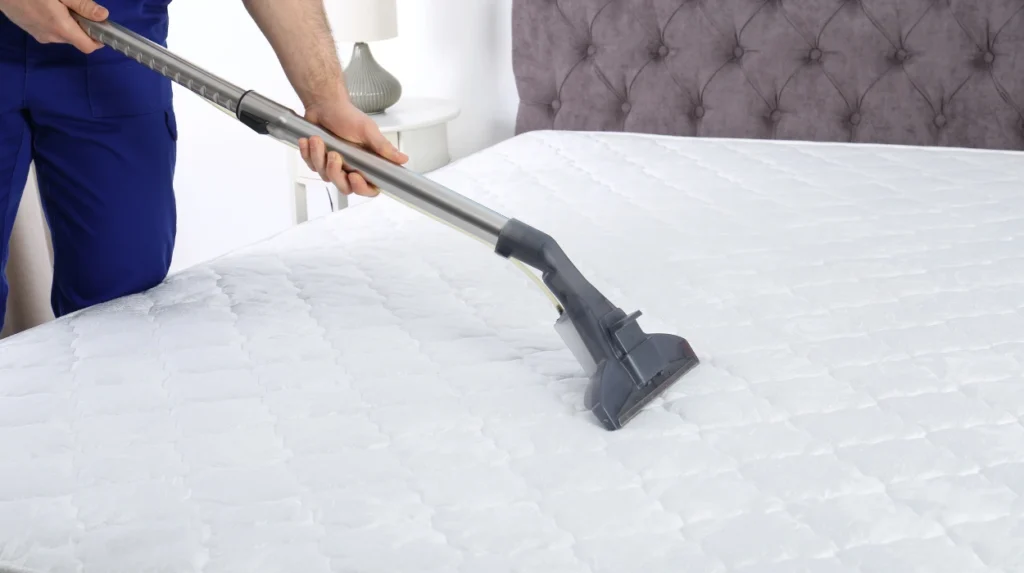
Mattress Cleaning Services in Farnworth operate within a residential environment that spans a range of property types, from older terraced houses with naturally higher dust accumulation to newer builds where synthetic mattress materials require specific extraction approaches. The variability in local housing stock means that a one-size-fits-all cleaning approach is not sufficient, and professional operators adjust water temperature, pressure, and solution chemistry based on the specific mattress construction and the level of soiling present.
Farnworth properties, given the region’s atmospheric humidity levels, are more susceptible to the kind of moisture retention inside mattresses that creates conditions for biological growth when cleaning is not performed correctly. Industrial extraction equipment used by trained technicians accounts for these variables in a way that home equipment does not allow for. For those seeking a service that delivers thorough results, reviewing the options for professional mattress deep cleaning in Farnworth provides a clear picture of what a professional extraction service covers and what outcomes to expect from a qualified provider. The combination of local knowledge and industrial capability is what positions professional cleaning as the effective choice for Farnworth residents rather than an optional upgrade.
How Bee Cleaning Services Manchester Approaches Mattress Extraction
Bee Cleaning Services Manchester has built its mattress cleaning approach around industrial hot water extraction because the evidence supporting its effectiveness over alternative methods is consistent and well-established within the professional cleaning industry. Extraction-based cleaning addresses the full depth of the mattress rather than treating symptoms at the surface, which aligns with the standard of results that professional clients expect from a trained service provider. The team applies pre-treatment solutions to areas of concentrated soiling before extraction begins, allowing the chemistry time to break down organic compounds before the extraction phase lifts and removes them entirely.
This two-stage approach, pre-treatment followed by extraction, consistently produces outcomes that neither home cleaning products nor surface-only methods can match in terms of contamination removal depth. The equipment is calibrated to the specific requirements of mattress fabric types, preventing the oversaturation that leads to prolonged drying times or structural damage to the foam core. Households in Farnworth and the surrounding Greater Manchester area seeking verified hygiene results will find that expert steam mattress extraction in Farnworth represents the most direct route to a measurably clean sleep surface. Bee Cleaning Services Manchester prioritises process consistency because it is the foundation of reliable, repeatable cleaning outcomes across every service.
The performance difference between industrial extraction and home mattress cleaning is not marginal; it is structural and measurable at every stage of the process, from the mechanical pressure applied to the temperature maintained and the volume of contamination actually removed. Home products serve a purpose in routine surface maintenance, but they were never engineered to deliver the deep hygiene remediation that mattresses require over time. Professional extraction addresses the mattress as a three-dimensional structure with internal layers that accumulate biological load regardless of how clean the surface appears.
The evidence is visible in the recovery water, measurable in allergen reduction, and felt in the sustained cleanliness that follows a thorough professional clean compared to the temporary freshness of a surface treatment. Bee Cleaning Services Manchester provides professional extraction-based mattress cleaning designed to meet the actual hygiene demands of residential mattresses in Farnworth and across Greater Manchester, offering a service built on process precision rather than surface-level results.
Do the mattress vacuums really work?
Home mattress vacuums can remove surface dust and some allergens, but they cannot match the deep‑soil extraction and sanitising power of industrial‑grade machines used by professionals.
What do professional mattress cleaners use?
Professional cleaners typically use high‑powered extraction units with hot‑water or steam systems, specialised vacuum tools, and often UV‑C lamps to kill mites, bacteria, and viruses across the entire mattress surface and core.
How long does a mattress take to dry after professional cleaning?
Most professionally cleaned mattresses take roughly 6–12 hours to dry fully, depending on thickness, material, and airflow; extraction systems with strong airflow can sometimes leave mattresses ready for use in about 2 hours.
What is the 20 minute rule in cleaning?
The 20‑minute rule means working on one cleaning task for 20 minutes, then taking a short break, which helps avoid burnout and makes large jobs feel more manageable over the day or week.
What happens if I sleep on a new mattress before 24 hours?
Many manufacturers recommend leaving new foam mattresses to expand for around 24 hours so they regain full shape, support, and off‑out any factory odours before regular use.