

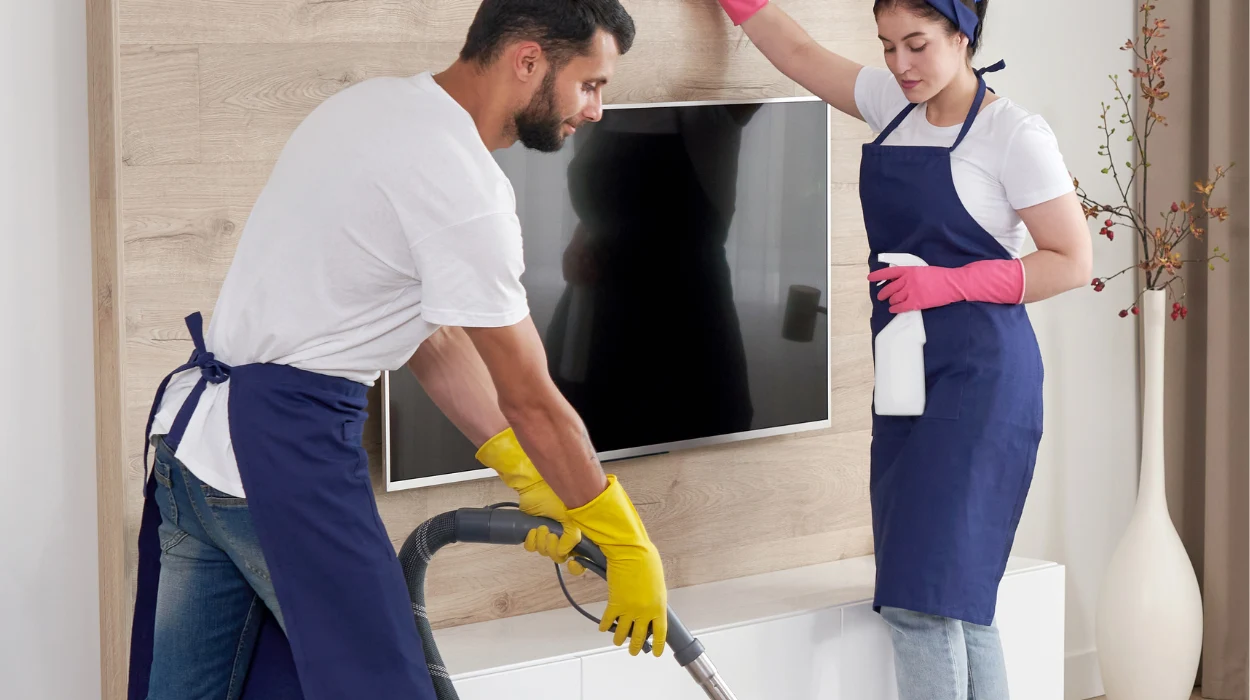
Post construction deep clean for new build homes Oldham is essential because newly constructed properties retain persistent fine silica dust, drywall powder, paint overspray, and chemical residues that standard domestic cleaning cannot clear. Conducting a systematic deep cleaning process restores indoor air quality, protects delicate household finishes, and transforms a newly completed building into a healthy, immaculate, and move-in ready home.
Moving into a newly constructed property across Greater Manchester represents an exciting milestone, yet home buyers frequently encounter unexpected layers of stubborn builder dirt. Microscopic mortar particles, wood sawdust, silicone remnants, and adhesive marks coat almost every interior surface, including window tracks, light fixtures, and newly fitted kitchen cabinetry. Attempting to address this level of post-renovation debris using standard household brooms or off-the-shelf dusters usually distributes fine particles deeper into heating ducts and soft furnishings. Understanding why specialist post construction deep clean for new build homes Oldham is required allows property owners to safeguard their investment and protect family health right from day one.
Comprehensive construction cleanup involves far more than basic surface dusting and floor vacuuming. Fine construction dust carries microscopic particles of silica, gypsum, and timber fragments that pose severe respiratory risks when inhaled or continually recirculated. Professional specialists deploy HEPA-filtered industrial extraction systems, specialized microfibre capture technology, and non-abrasive chemical formulations specifically selected for fresh paint and delicate sealants. Eliminating build-up across hidden spots like door frames, architraves, electrical sockets, and skirting boards ensures that airborne particulate counts drop safely to normal residential standards.
How Does Construction Dust Impact Health and Indoor Air Quality?
Microscopic building particles generated during plasterboard installation, masonry cutting, and joinery fitting remain suspended in indoor air for extended periods after construction concludes. Inhaling airborne silica and drywall dust irritates human respiratory airways, triggering asthma flare-ups, persistent coughing, and skin irritation for vulnerable occupants. Standard domestic vacuum cleaners lack filtration efficiency to trap these micro-particles, frequently exhausting fine dust back into living spaces. Specialist cleaning-equipment such as high-efficiency HEPA extractors traps sub-micron particles, effectively purifying the interior environment before your family unpacks.
Unfiltered construction residue continuously cycles through central ventilation ducts, settling back onto kitchen countertops, bedroom carpets, and window ledges long after initial handovers. Persistent dust settlement damages delicate electronic appliance cooling fans, clogs home air filters, and leaves permanent micro-scratches on polished hardwood or gloss tile surfaces. Professional after builders cleaning teams focus heavily on multi-pass extraction across high-level structural ledges, vent covers, and internal duct openings. Removing airborne contaminants at the source eliminates persistent indoor air pollution, creating a fresh, hygienic environment across every room of your newly built house.
What Are the Key Phases of an Effective New Build Deep Cleaning Process?
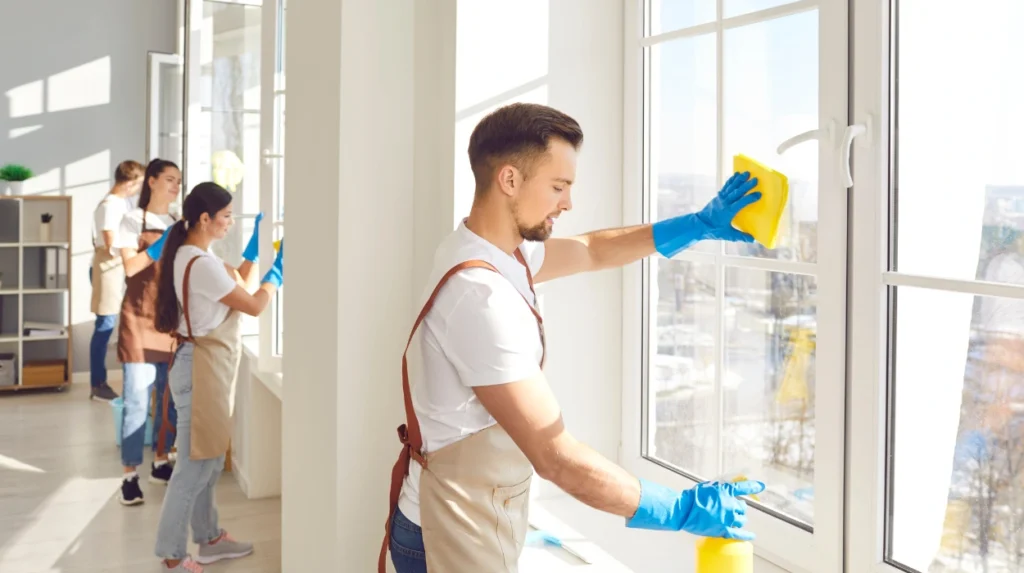
A thorough post-construction cleanup strategy follows a strictly structured three-stage protocol designed to eradicate debris without damaging unured materials. The initial rough clean phase focuses on removing bulk protective films, mortar splashes, leftover timber offcuts, and heavy debris left by sub-contractors. The second phase involves meticulous detail cleaning, targeting paint drips, adhesive film, grout haze, and fine dust resting atop high doors, window frames, and trim work. Finally, a touch-up inspection polish ensures that glass panes, stainless steel kitchen appliances, and bathroom porcelain shine brilliantly without streak marks.
Each phase requires tailored chemical solutions and specialized techniques to prevent unintended damage to fresh finishes. For instance, removing grout haze from new porcelain tiles without etching protective glaze requires neutral PH clearing solutions rather than harsh acids. Similarly, cleaning glass windows covered in stubborn plaster spots demands specialized brass scrapers used alongside professional window washer tools to keep pane glass completely scratch-free. Executing these detailed phases sequentially guarantees that no hidden corner is missed and every surface maintains its pristine manufacturer quality.
Why Do Standard Domestic Cleaning Methods Fail on Builder Debris?
Regular household cleaning appliances and routine domestic routines simply lack the power and durability to manage heavy-duty building material residue. Conventional domestic vacuum bags rapidly clog when exposed to fine plaster dust, causing motor overheating and loss of suction efficiency. Standard cotton mops often smear wet drywall mud across fresh floor tiles, spreading a cloudy film that hardens into stubborn streaks once dry. Professional crews utilize heavy-duty cleaning-equipment specifically designed to continuous-sweep high volumes of silica, cement paste, and fine saw dust without losing vacuum performance.
Furthermore, domestic cleaning detergents can react poorly with new construction materials, causing discoloration or chemical etching on fresh sealant beads and stone countertops. Professional cleaners use industry-grade microfibre catchers that hold dust electrostatically rather than pushing dirt around walls or furniture surfaces. Professional operators apply neutral-pH cleansing agents, specialized solvent spotters, and high-pressure steam appliances to dissolve stubborn adhesive residues safely. Relying on professional techniques saves homeowners countess hours of ineffective scrubbing while avoiding costly structural or aesthetic surface damages.
What Unique Challenges Do New Build Properties in Oldham Present?
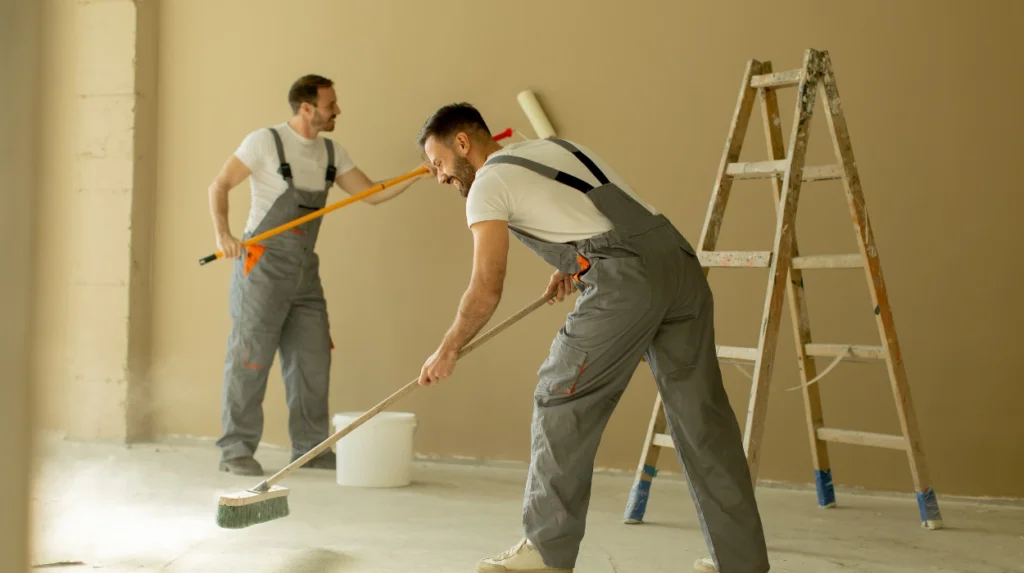
Properties developed across Oldham and Greater Manchester face distinct environmental factors during property construction, including damp weather conditions and high ambient moisture. Wet weather frequently traps moisture inside newly plastered walls, causing fine builder dust to adhere tightly to skirting boards, window sills, and architraves. Furthermore, rapid property development turnarounds often leave little time between trade completion and owner move-in dates, leaving residual chemical fumes and fine plaster dirt trapped indoors.
Local housing developments near busy urban transport links also experience higher external particulates combining with internal construction dust. Specialized cleaning protocols must account for these regional climate factors by implementing controlled moisture washing and thorough ventilation techniques during deep sanitization. Professional service providers like Bee Cleaning Services Manchester structure customized schedules to handle local building challenges, ensuring timely turnarounds without sacrificing high finishing standards.
How to Verify That Your New Build Property Is Truly Move-In Ready?
A property is only genuinely move-in ready when every hidden nook, high fixture, and underlying surface has been verified free from builder contaminants. Property owners should conduct a simple touch test along internal door tops, window track grooves, light switch plates, and boiler enclosures to check for hidden dust layer accumulation. Inspecting inside kitchen cupboards, drawer runners, and under sanitary ware reveals whether contractors thoroughly extracted fine drywall powder before final sign-off.
Checking indoor air clarity and verifying that all windows, glass partitions, and mirrors remain completely free from streaks or plaster spots serves as another reliable metric. Engaging an experienced cleaning specialist guarantees that comprehensive checklists are executed across all living zones, utility spaces, and bathrooms. Choosing professional after builders cleaning in Oldham ensures your newly constructed residence feels pristine, comfortable, and completely safe for your family.
Frequently Asked Questions
How long after construction finishes should I schedule a deep clean?
Schedule your deep clean approximately 24 to 48 hours after all construction workers, painters, and tradespeople have completely finished their physical work. This allows suspended airborne plaster dust to settle fully onto surfaces, ensuring maximum extraction efficiency during the cleaning session.
Can I do a post-construction clean myself with regular vacuum tools?
Attempting this yourself with household vacuums is not recommended because fine plaster powder clogs domestic filters quickly, potentially burning out the motor. Domestic vacuums lack multi-stage HEPA filters and will exhaust microscopic dust back into your living environment.
What is included in an after builders cleaning service?
An after builders clean includes HEPA micro-dust extraction, plaster and paint spot removal, deep cleaning of window tracks and frames, internal cabinet wiping, sanitizing sanitaryware, and polishing all hard surfaces throughout the house.
How long does a full post-construction deep clean take for a new home?
A standard 3 to 4 bedroom new build home typically takes between 6 to 10 hours for a professional team to clean thoroughly. The exact duration depends on total square footage, the volume of residual dust, and specific site requirements.
Will post-construction cleaning remove paint splatters and grout haze?
Yes, professional teams use specialized non-abrasive scrapers, neutral pH grout removers, and solvent cleaners designed to safely lift paint spots, silicone drips, and grout haze without scratching new surfaces.