
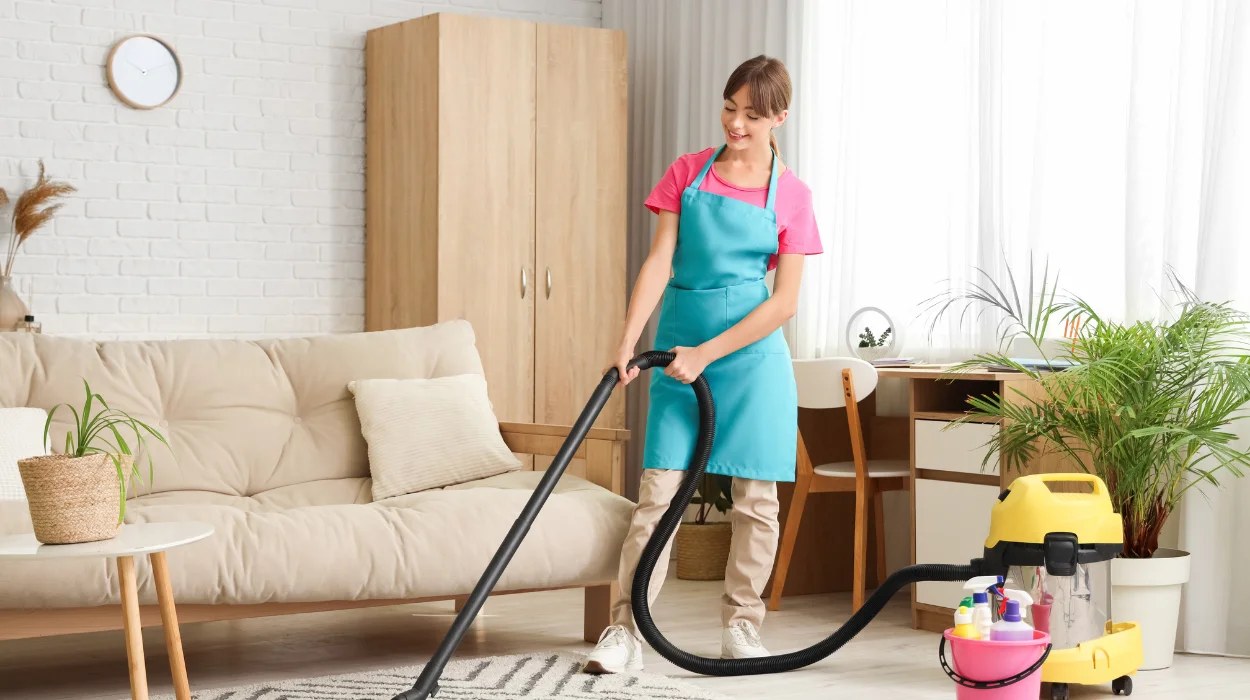
Professional extraction methods restore terraced properties by removing deeply embedded soot, historical industrial carbon, and stubborn allergens from delicate fabric fibers. Utilizing specialized Carpet Cleaning Services in Oldham allows local property owners to protect their flooring investments while addressing the distinct logistical challenges of traditional North West architecture. These Victorian and Edwardian red-brick buildings often present specific spatial limitations that complicate ordinary domestic upkeep. Heavy foot traffic combined with regional weather patterns accelerates the accumulation of abrasive soils deep within the textile backing material. Standard retail vacuums lack the mechanical lift required to extract these fine particles, which leads to premature fiber breakdown. By choosing specialized extraction, residents can ensure a healthier indoor environment while maintaining the structural durability of their carpets.
The overall financial investment required for professional restoration typically depends on room dimensions, fabric composition, and accessibility. Property owners who understand these variables can plan their seasonal maintenance budgets with absolute precision and avoid unexpected surcharges. Managing a traditional terraced household involves balancing aesthetic appeal with functional cleanliness, especially when dealing with multi-level floor plans. Deliberate care must be taken to match the correct chemical treatments with specific synthetic or natural fibers to prevent permanent damage. As community members seek ways to locate reliable domestic assistance across the borough, the value of specialized machinery becomes increasingly apparent. This comprehensive guide details the technical processes, pricing influences, and structural benefits associated with professional floor care in the region.
Architectural Influences on Local Maintenance Rates
The unique layout of traditional regional residential architecture directly impacts the execution and pricing of professional maintenance. Terraced residences frequently feature multi-level layouts with steep, narrow staircases that demand specialized equipment handling and additional labor time. When technical specialists arrive at a property, they must assess how these physical configurations affect the deployment of machinery. Portable extraction units must be maneuvered carefully through tight corridors to prevent accidental damage to internal walls. Consequently, the building footprint remains a fundamental factor that specialists evaluate during initial assessments. Property owners must recognize that these historical structural layouts require adaptive cleaning strategies that differ significantly from modern suburban developments.
Furthermore, the architectural design inherent to these historical properties dictates the total square footage of textile surfaces requiring treatment. Unlike modern developments with uniform open-plan designs, older terraced layouts contain distinct, enclosed rooms separated by solid hallways. This compartmentalized structural design influences the time required to complete the process, as technicians must constantly relocate their equipment between separate zones. Local service providers often adjust their operational timelines because navigating these segmented spaces demands deliberate pacing. Property owners looking to establish a regular deep sanitation schedule must realize that these structural divisions naturally alter the overall pricing models across the borough.
Evaluating Logistical Challenges and Accessibility Surcharges
Vehicle parking and external accessibility represent additional logistical elements that local service providers must account for when calculating operational fees. Many terraced streets feature restricted roadside parking or lack direct front driveways, which requires technicians to transport heavy equipment over longer distances. This physical transit time from the service vehicle to the interior of the property is factored into the operational overhead of the project. When utilizing professional Carpet Cleaning Services in Oldham, clients benefit from companies that possess adaptive equipment designed specifically for dense urban environments. Technicians streamline the process by setting up secure lines that extend efficiently from vehicles into multi-story arrangements without disrupting neighboring homes.
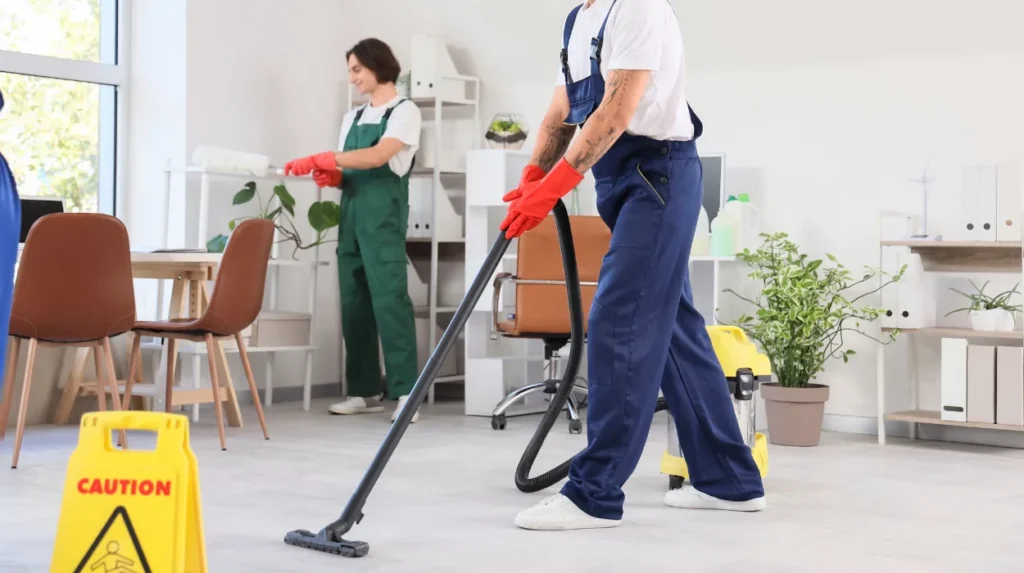
Internal vertical transit also plays a major role in determining the total cost of maintaining multi-story terraced households. Treating stairs requires specialized hand tools, deliberate physical exertion, and precise technical execution to ensure each individual step is thoroughly sanitized. Because stairs experience the highest volume of daily foot traffic, they accumulate a disproportionate amount of embedded soil and tracking patterns. Technicians spend significant time applying targeted pre-treatments and mechanical agitation to these high-pressure zones to restore the fabric uniform appearance. Neglecting these areas often leads to permanent fiber wear and unsightly shading that diminishes the aesthetic value of the entire hallway.
Room Dimensions and Fabric Variations
Beyond the physical layout of the building, the actual dimensions of each room serve as a primary metric for standard pricing schedules. Most local businesses utilize a tiered pricing structure based on small, medium, and large room classifications to give clients predictable estimates. For instance, a small front lounge or a master bedroom will naturally require different volumes of cleaning solutions and extraction time. This systematic assessment eliminates unexpected costs and allows clients to select exactly which rooms require the most immediate professional attention. Property owners can evaluate their specific layout to decide whether a full-house restoration or a targeted multi-room treatment best serves their immediate domestic goals.
The specific composition of the textile fibers represents another technical variable that influences the overall financial investment required. Synthetic materials such as polypropylene or nylon are highly resilient and respond efficiently to standard high-pressure steam extraction techniques. Conversely, natural fibers like wool or delicate woven blends require specialized low-moisture treatments, custom pH-balanced solutions, and extended drying parameters to prevent shrinkage. Professional organizations like Bee Cleaning Services Manchester employ certified technicians who accurately identify fiber compositions before applying any active cleaning agents. This careful material evaluation prevents permanent fiber discoloration and ensures that the underlying backing materials remain completely structural secure.
Primary Extraction Methods and Technical Processing
The chosen technological approach directly shapes the pricing structure presented to consumers looking for professional textile restoration. Different levels of soil accumulation, staining, and fabric wear require distinct mechanical interventions to achieve optimal sanitation outcomes. Homeowners often face a choice between deep thermal extraction and rapid-drying maintenance systems depending on their lifestyle requirements. Each methodology carries a specific operational cost reflecting the machinery utilized, the technical training required, and the chemical solutions consumed during treatment. Industry data indicates that combining advanced mechanical agitation with tailored chemical pre-sprays yields the most consistent results for older residential properties.
Hot water extraction, commonly referred to as steam cleaning, remains the industry standard for deep restorative maintenance across the region. This highly effective method involves injecting a pressurized solution of heated water and specialized detergents directly into the carpet pile. The machinery simultaneously activates a high-powered vacuum system to extract the liquefied soil, allergens, and moisture out of the home. This process deep cleanses the entire fabric profile rather than just addressing surface aesthetics superficially, removing deep contaminants thoroughly. Homeowners who want to determine if specialized team solutions are truly worthwhile often select this approach to ensure a complete removal of deeply set grime.
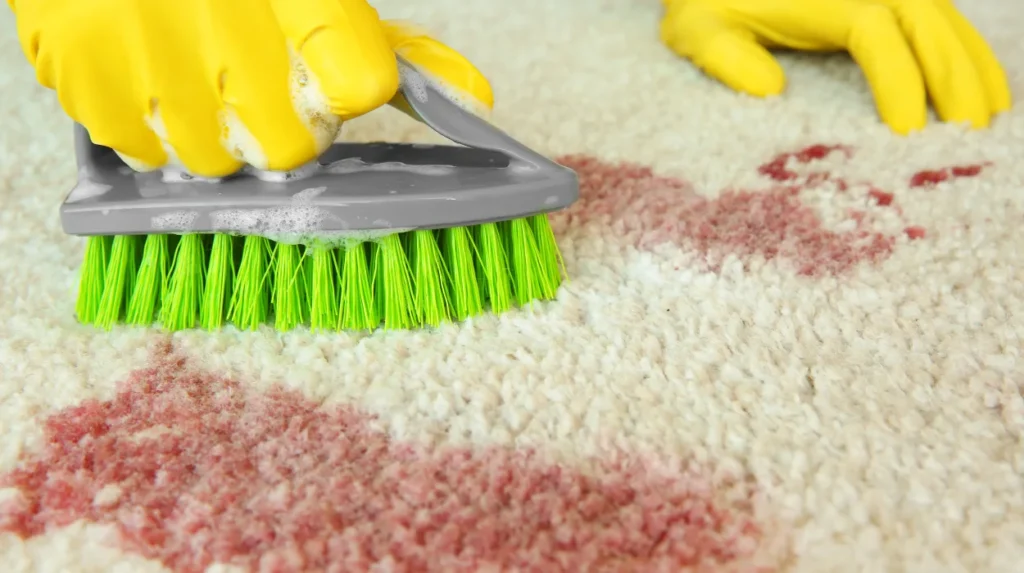
Very low moisture techniques, including encapsulation and dry compound application, offer an alternative maintenance strategy for busy urban households. This methodology utilizes specialized polymers or absorbent compounds that attract and bind soil particles upon contact without saturating the subfloor. A mechanical counter-rotating brush machine passes over the carpet to work the compounds deep into the pile before a final extraction vacuuming. Because this technique uses minimal water, the treated rooms are available for immediate foot traffic almost immediately after the service finishes. The reduction in drying time eliminates household disruption, making it an excellent option for families with young children or active pets.
Long-Term Financial Benefits of Professional Floor Care
While some property owners consider managing their flooring maintenance independently using rental machinery, professional care offers superior long-term financial advantages. Industrial extraction equipment achieves significantly higher vacuum pressure and water temperatures than domestic rental units can ever replicate. This superior mechanical capability ensures that the maximum amount of water and detergent residue is completely extracted from the deep pile. Leaving behind excess moisture or soap residues accelerates the re-soiling process, leading to a rapid decline in appearance. Teams from Bee Cleaning Services Manchester execute specialized moisture extraction to ensure that carpets dry rapidly and evenly without tracking dirt.
Regular professional maintenance also plays a vital role in upholding the manufacturer product warranties associated with modern residential carpets. Many prominent textile manufacturers explicitly require documented professional steam extraction every twelve to eighteen months to keep their product warranties valid. By adhering to these professional guidelines, homeowners protect their financial investment and secure long-term protection against manufacturing defects. Investing in scheduled professional care prevents the premature expense of replacing full room installations due to preventable wear patterns. It transforms an occasional maintenance cost into a strategic asset preservation plan that benefits the overall structural value of the home.
Balancing costs and quality is essential when managing the upkeep of traditional residential properties in the Greater Manchester area. Understanding the unique architectural considerations, material requirements, and various extraction methodologies helps property owners select the absolute best maintenance path for their homes. Rather than viewing textile maintenance as an occasional luxury, integrating it into an annual home care plan preserves both property value and health. For residents seeking reliable, highly experienced, and completely transparent local care, Bee Cleaning Services Manchester provides professional cleaning solutions. These custom methods treat every single fiber with absolute precision while maintaining highly competitive and sustainable regional rates.
FAQs About Choose Professional Carpet Cleaning Services in Oldham
How long does it take for carpets to dry completely after professional steam extraction?
Professional steam extraction usually requires anywhere between four to twelve hours to dry completely depending on home ventilation. Managing internal airflow by opening windows or running home heating systems can significantly accelerate this evaporation process. Experienced technicians frequently deploy commercial air movers to minimize overall household disruption and restore room access quickly.
Is professional carpet maintenance better than using a standard retail rental machine?
Industrial machinery provides substantially higher water temperatures and vacuum suction extraction than typical domestic rental units available at local stores. This advanced capability ensures the complete removal of deeply embedded dirt particles and chemical soap residues without leaving the subfloor dangerously saturated. Professional treatment ultimately extends the lifespan of your flooring fabric far more effectively.
How can pet odors and deep tracking stains be permanently removed from older textiles?
Complete elimination of stubborn pet contaminants requires specialized enzyme-based treatments rather than standard supermarket masking sprays. Professional technicians apply targeted pre-sprays that break down organic proteins at a molecular level before performing deep sub-surface extraction. This thorough methodology ensures that unpleasant smells do not return during humid weather conditions.
Will professional thermal deep cleaning cause delicate natural wool fibers to shrink?
Natural fibers like wool are highly sensitive to excessive moisture and improper pH levels, which can induce noticeable shrinking if treated incorrectly. Certified experts prevent this issue by utilizing specialized low-moisture cleaning methodologies and custom balanced formulas specifically designed for delicate textiles. Proper temperature control during extraction ensures the complete structural preservation of floor coverings.
How often should a terraced house carpet undergo deep extraction to maintain hygiene?
High-traffic residential properties generally require deep extraction every twelve to eighteen months to maintain proper indoor hygiene standards. Households with multiple pets, young children, or direct smoking exposure might need to schedule maintenance every six months to prevent fiber deterioration. Following this regular timeline also fulfills the official warranty criteria set by prominent textile manufacturers.