
Recognizing when your window drapes require specialist attention is essential for maintaining a healthy indoor atmosphere and preserving your valuable home fabrics. Choosing professional Curtain Cleaning Services in Oldham allows homeowners to act quickly before deep-seated dust particles permanently degrade the delicate textile fibers.
Window fabrics act as giant air filters within residential properties by capturing airborne dust, pollen, and pet dander that circulate through your rooms daily. Over time, these microscopic particles become deeply embedded within the tight weave of the fabric, making standard vacuuming or home washing ineffective. When fabrics accumulate this heavy structural load of debris, they begin to lose their original color vitality and can start emitting faint, stale odors into your living areas. Professional care uses specialized deep extraction methods to safely pull these trapped particles from the core of the textile without causing shrinking or fiber distortion. Addressing these structural issues early safeguards your interior environment while extending the practical lifespan of your window investments.
Visible Discoloration and Severe Fabric Fading
One of the most obvious indicators that your window dressings require expert attention is a noticeable shift in their color brilliance along the leading edges and hems. As sunlight streams through your windows, it bakes the accumulated airborne grease, cooking oils, and environmental dust directly into the delicate fabric strands. This chemical bonding process creates a dull, gray, or yellow hue that completely masks the original vibrant pattern and texture of your drapes. Trying to wash these deeply stained materials in traditional household laundry appliances frequently results in uneven color bleeding and severe fabric shrinkage. Professional technicians utilize precise chemical balancing and gentle solvent extractions to lift these baked-in layers of grime safely. This specialized restoration process breathes fresh life back into the materials and ensures that the structural integrity of the fabric remains completely uncompromised.
Persistent Odors and Stale Air Accumulation
Fabrics are highly porous materials that naturally absorb surrounding environmental scents from cooking habits, household pets, and indoor tobacco use over extended periods. When these molecules settle deep inside heavy drapery linings, they become trapped and slowly release unpleasant aromas whenever the drapes are drawn or moved. Regular ambient moisture accelerates this scent retention, turning your beautiful window dressings into a primary source of stubborn room odors that air fresheners cannot mask. Standard fabric sprays only cover up these smells temporarily instead of neutralising the root organic compounds that are stuck in the weave. By choosing an expert team, you benefit from professional thermal applications and molecular deodorizers that break down these stubborn scent chains completely. This advanced level of maintenance leaves your rooms smelling crisp and fundamentally clean without leaving behind any sticky chemical residues.
Routine maintenance preserves fabric life, but deep contamination requires precision extraction to prevent permanent fiber degradation.
Escalating Household Allergies and Respiratory Discomfort

If family members experience unexplained sneezing, watery eyes, or chronic respiratory irritation while resting indoors, your window dressings may be fully saturated with micro-allergens. Curtains serve as an ideal breeding ground for microscopic dust mites that thrive on the organic skin flakes trapped within the dark folds of the fabric. Every single time the drapes are opened or closed, millions of these invisible particles are violently shaken loose and distributed back into your breathing zone. Standard domestic vacuum cleaners lack the specialized high-efficiency particulate air filtration systems required to contain these tiny organisms effectively during a cleaning cycle. Investing in high-quality Curtain Cleaning Services in Oldham ensures the complete eradication of these biological triggers through targeted high-temperature sanitation treatments. This targeted approach dramatically improves the overall baseline of your indoor air quality and protects vulnerable family members from ongoing allergen exposure.
Accumulation of Mold and Mildew Spores
Windows are primary areas for condensation buildup, particularly during the colder seasons when temperature variances cause moisture to form directly on the interior glass surfaces. When heavy drapes brush against this damp glass, the fabric absorbs the standing water, creating a highly hospitable environment for mold and mildew colonization. This biological growth presents itself as tiny black, green, or grey spots spreading along the reverse lining or bottom seams of your drapes. Mold spores actively consume natural fibers like cotton, silk, and linen, leading to permanent fabric rot and structural holes if left untreated. Wiping down the surface with household detergents will not kill the deep root structures of the fungal growth embedded inside the backing material. Specialist cleaning solutions utilize advanced anti-fungal sanitizers designed to destroy the mold colonies at a cellular level while preventing future spores from settling.
Changes in Fabric Drape and Texture Stiffness
When environmental humidity mixes with microscopic dust layers over several years, it creates an invisible, sticky film that coats individual fabric threads. This heavy accumulation alters the natural weight, flexibility, and physical characteristics of your window dressings, causing them to hang awkwardly rather than falling into elegant folds. You might notice the material feels surprisingly stiff, rough, or brittle to the touch when you attempt to slide them across the hanging rail. This structural stiffness is a clear sign that the fibers are under structural stress from internal particulate abrasion that weakens the textile over time. Attempting to fix this issue with domestic steam irons can accidentally melt synthetic threads or cause irreversible water spotting on delicate silks. Professional cleaning services carefully analyze the exact material composition before applying tailored conditioning rinses that restore the original softness, fluidity, and natural bounce of the drapes.
The Technical Restoration Process Explained
Understanding the detailed steps involved in professional fabric maintenance highlights why specialist care is superior to risky domestic washing attempts. Experienced technicians follow a strict, multi-phase protocol to guarantee total soil removal while protecting the delicate structural components of your drapes.
Before any fluids or solvents are introduced to the textiles, specialists conduct a thorough fiber identification test to determine the exact blend of natural and synthetic yarns. This initial inspection also checks for hidden manufacturing defects, UV degradation levels, and the structural integrity of the backing linings and heading tapes. Once the optimal cleaning method is selected, the drapes undergo deep high-efficiency particulate air vacuuming to remove all loose surface dust and loose debris. This crucial phase prevents the dry particles from turning into a thick mud during the subsequent liquid or dry solvent extraction process. Next, specific spot treatments are applied by hand to address challenging stains like water marks, grease, or ink lines safely. The core cleaning phase then utilizes controlled thermal extraction or specialized dry fluids to flush out deeply embedded grime without warping the fabric geometry. Finally, the drapes are dried under strict climate controls to prevent shrinkage before being hand-pleated and inspected for flawless quality.
Making Smart Financial Decisions for Home Maintenance
Property owners often struggle to choose between the upfront costs of professional fabric care and the long-term expenses associated with prematurely replacing damaged household textiles. While skipping routine professional care seems like a convenient way to save money, the hidden costs of fabric neglect accumulate quickly over time.
When dust particles remain trapped inside fabric weaves, they act like millions of tiny serrated knives that saw away at the threads whenever the drapes move. This continuous internal friction leads to premature thinning, fraying, and eventual tearing along the high-stress areas of the window linings. The total cost of buying new high-quality drapes and paying for custom installation is significantly higher than scheduling regular maintenance visits with local specialists. Reviewing current curtain dry cleaning prices per square metre Oldham shows that preventative care is a highly budget-friendly option for smart homeowners. Regularly maintained window dressings retain their beautiful color, full texture, and elegant shapes for up to three times longer than neglected pieces. Furthermore, keeping your home fabrics clean protects your property investment while ensuring your living spaces remain consistently healthy and visually beautiful.
Long-Term Maintenance and Prevention Strategies
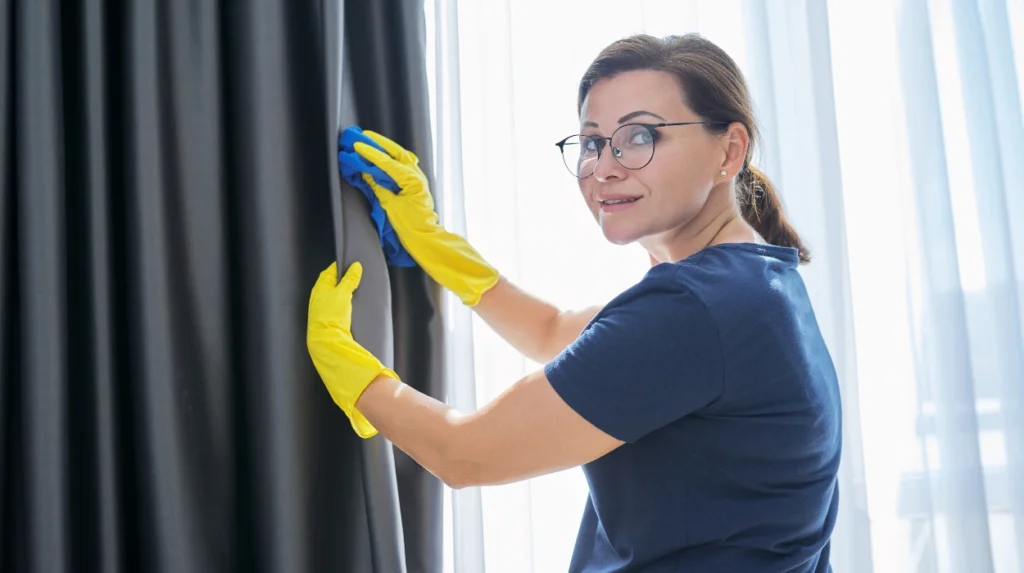
Implementing basic preventative habits between your scheduled professional deep cleans keeps your window treatments looking pristine for the longest possible timeframe. Taking proactive steps reduces the rate of daily dust accumulation and prevents minor environmental issues from turning into permanent fabric damage.
- Weekly Vacuuming: Utilize the soft brush attachment on your vacuum cleaner using low suction settings to gently clean your drapes from top to bottom every single week.
- Effective Moisture Control: Keep indoor relative humidity levels below fifty percent by utilizing extraction fans or dehumidifiers to stop condensation from forming on nearby windows.
- Routine Room Ventilation: Open opposite windows for fifteen minutes daily to create cross-ventilation that clears out airborne cooking oils and stale odors before they settle into fabrics.
- Strategic Furniture Placement: Ensure your indoor lounge furniture and pet beds are kept away from your long drapes to minimize direct friction and hair transfer.
When you notice clear signs your curtains need professional cleaning now, it is vital to trust the job to experienced specialists who understand delicate fabric care. Trying to cut corners with standard domestic washing machines often results in unfixable shrinkage, distorted pleats, and ruined thermal linings. Professional care ensures that every single layer of dirt, bacteria, and allergen is fully extracted using safe, eco-friendly techniques. By entrusting your delicate window dressings to local experts, you protect your household health and keep your home interiors looking spectacular. Bee Cleaning Services Manchester offers comprehensive, high-quality fabric care designed to refresh your home and restore your drapes to their absolute best condition.
Frequently Asked Questions
Can I clean delicate silk drapes using an iron or standard home washing machine?
Delicate silk fabrics should never be placed inside a domestic washing machine or subjected to high heat from standard clothing irons. The aggressive agitation of home washers fractures the delicate silk threads, while hot water strips away the natural luster and causes severe fabric shrinkage. Professional dry extraction is the only safe method to clean silk because it uses specialized fluid solvents that lift dirt without disturbing the fragile yarn alignment.
How frequently should I book expert deep cleaning treatments for my window drapes?
Most textile experts recommend arranging a professional deep cleaning treatment every twelve to eighteen months to preserve fabric health and maintain high indoor air quality. However, homes with indoor pets, active smokers, or family members suffering from severe asthma often require more frequent cleanings every six to nine months. Regular maintenance prevents environmental soils from building up and permanently bonding with the delicate dye molecules in the fabric threads.
Will professional deep extraction methods cause my custom window treatments to shrink?
Expert cleaning technicians completely eliminate the risk of fabric shrinkage by matching the specific cleaning technology to the underlying fiber characteristics of your drapes. True thermal and fluid dry extraction methods do not over-saturate natural fibers like cotton or wool with excessive water, which is the primary cause of fiber contraction. Trusted local teams provide full structural guarantees on their services, giving you complete peace of mind that your custom investments are entirely safe.
Is it necessary to remove the drapes from their tracks before the specialist team arrives?
Most full-service cleaning businesses handle the entire process for you, including the careful removal, labeling, and re-hanging of your heavy window dressings. This end to end service prevents homeowners from pulling down heavy tracks or accidentally damaging the heading tapes during the dismantling process. It is best to confirm this option when booking your appointment to ensure a smooth, completely stress-free service experience from start to finish.
How can I verify if the stubborn dark spots on my fabric linings are mold colonies?
Mold colonies on drapery linings typically present as small, irregular clusters of black, grey, or dark green spots that feel slightly fuzzy or powdery. These spots are usually accompanied by a distinctly damp, earthy, or musty smell that grows stronger when the window area becomes warm. If you notice these spots spreading along moisture prone borders, booking an immediate inspection with a professional team prevents the fungus from destroying the textile.