

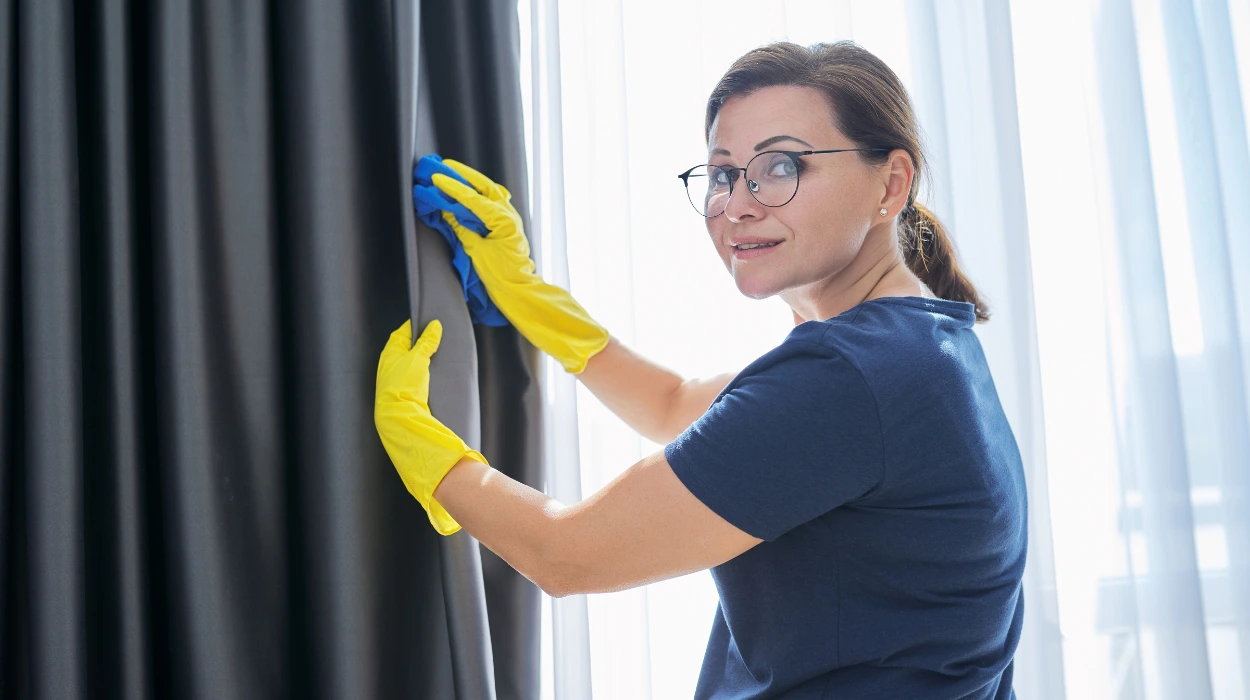
Steam cleaning and dry cleaning curtains both remove dust, stains, and allergens, but they work in different ways. Steam cleaning uses hot moisture to deep clean fabrics, while dry cleaning relies on low-moisture solvents that are safer for delicate materials.
Understanding the difference helps homeowners choose the best method for maintaining curtain hygiene, extending fabric life, and improving indoor air quality. The right cleaning approach often depends on fabric type, level of dirt buildup, and professional equipment used by specialists such as Bee Cleaning Services Manchester.
Why Curtains Require Professional Cleaning
Curtains collect dust, airborne particles, and household pollutants every day. Over time, these contaminants build up within the fabric fibers and can affect both appearance and indoor air quality. Regular vacuuming helps reduce surface dust, but it rarely removes deep-seated debris.
Professional curtain cleaning uses specialized equipment designed to extract dirt that normal home cleaning methods cannot reach. This is particularly important in busy homes where curtains are exposed to cooking vapors, outdoor pollution, and everyday household activity.
When curtains remain uncleaned for long periods, trapped particles may contribute to odors or discoloration. Deep cleaning restores fabric freshness and helps maintain the overall condition of the material.
For property owners looking for reliable curtain cleaning services in Farnworth, professional cleaning ensures fabrics are treated safely according to their composition and condition.
What Is Steam Cleaning for Curtains?
Steam cleaning is a method that uses heated water vapor to loosen and remove dirt from fabrics. The high temperature helps break down oils, dust, and allergens embedded within curtain fibers.
This method is often used for heavier fabrics such as cotton, polyester blends, and durable synthetic curtains. The steam penetrates deeply into the material, allowing cleaning equipment to extract contaminants effectively.
Steam cleaning also helps sanitize fabrics because the heat can neutralize many bacteria and odor-causing microorganisms. As a result, curtains often feel refreshed and lighter after treatment.
However, the process introduces moisture into the fabric, which means proper drying is important. Professional technicians use controlled equipment to ensure the material dries evenly without shrinking or losing its structure.Many homeowners choose steam cleaning when curtains require intensive restoration rather than simple surface cleaning.
What Is Dry Cleaning for Curtains?
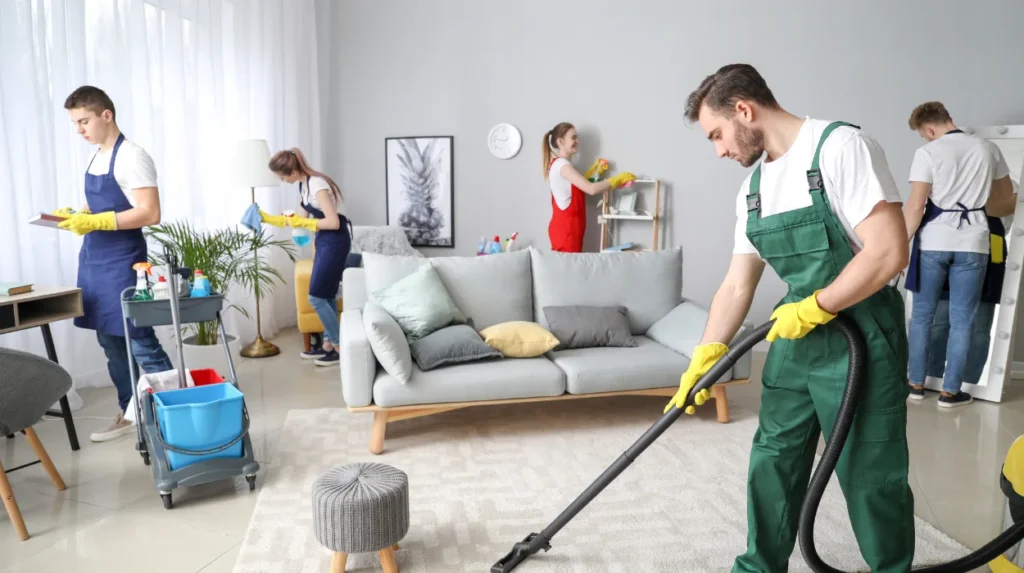
Dry cleaning curtains does not involve water in the traditional sense. Instead, specialized solvents dissolve oils, stains, and dirt while protecting delicate fibers that could be damaged by heat or moisture.
This method is typically recommended for fabrics such as silk, velvet, wool blends, or lined curtains that may shrink when exposed to steam cleaning.
Dry cleaning is also useful when curtains contain intricate designs, embroidery, or structured pleats that should remain intact. The solvent cleaning process gently lifts contaminants while maintaining the original texture and shape of the material.
Because very little moisture is involved, drying time is usually shorter compared with steam cleaning. This makes dry cleaning a practical option for households that need curtains cleaned quickly and safely.
Professional technicians determine the correct cleaning method by examining fabric labels and performing material assessments before starting the process.
Key Differences Between Steam Cleaning and Dry Cleaning Curtains
Choosing between steam cleaning and dry cleaning depends largely on the fabric and the type of contamination present. Each method has specific strengths that make it suitable for different situations.
Steam cleaning is generally preferred for thicker materials that can tolerate heat and moisture. It removes deep dust buildup and can significantly refresh fabrics that have absorbed odors over time.
Dry cleaning, on the other hand, is ideal for delicate materials that require a gentler approach. The solvent-based process prevents shrinkage while preserving the appearance of sensitive fabrics.
Professional curtain cleaners evaluate multiple factors before selecting a technique. Fabric composition, lining structure, and curtain size all influence the safest and most effective cleaning method.
Understanding these differences helps homeowners make informed decisions about maintaining their window treatments.
When Steam Cleaning Is the Better Option
Steam cleaning works best when curtains are made from durable fabrics that can handle moderate heat and moisture. Homes located near busy roads or urban environments often accumulate significant dust and pollution on curtain surfaces.
In these situations, steam cleaning can remove deeply embedded particles that ordinary cleaning cannot reach. The process can also help reduce allergens such as dust mites and pollen trapped within fabric fibers.
Steam cleaning is also useful when curtains have absorbed household odors from cooking, pets, or smoke. The heated vapor helps break down odor-causing residues and restore freshness.
For households interested in improving air quality and fabric cleanliness, steam cleaning can be an effective maintenance method when performed by trained professionals.
Many cleaning companies include steam treatment as part of their professional curtain cleaning solutions in Farnworth.
When Dry Cleaning Curtains Is the Safer Choice
Dry cleaning becomes the preferred option when curtains are made from sensitive fabrics. Materials like silk, velvet, or wool blends can react poorly to heat and moisture.
Using steam cleaning on these fabrics could lead to shrinkage, color fading, or distortion of the fabric structure. Dry cleaning avoids these risks by using chemical solvents designed to lift dirt without soaking the material.
Another advantage of dry cleaning is that it preserves detailed decorative features such as pleats, linings, or stitched embellishments. Curtains that contain multiple fabric layers often require this gentle cleaning approach. Because moisture exposure is minimal, curtains cleaned using the dry method typically dry faster and retain their original shape.
Homeowners evaluating professional cleaning options often review guides such as how curtains benefit from professional cleaning methods to better understand the safest techniques for different materials.
How Professionals Determine the Right Curtain Cleaning Method
Professional cleaners rarely rely on a single method for every curtain type. Instead, they evaluate the fabric composition, lining, color stability, and level of contamination before choosing a cleaning process.
Technicians begin by inspecting labels or testing small fabric areas to ensure cleaning products will not damage the material. This assessment helps prevent color bleeding or structural changes in delicate fabrics.
Next, the cleaning team selects equipment and solutions suited to the curtain’s fabric category. Steam cleaning machines may be used for sturdy textiles, while solvent cleaning systems handle sensitive materials.
Professional equipment also allows controlled cleaning pressure and temperature, which protects the integrity of the fabric while removing embedded dirt.This careful evaluation process is one reason homeowners rely on experienced specialists when maintaining their curtains.
Benefits of Professional Curtain Cleaning Services
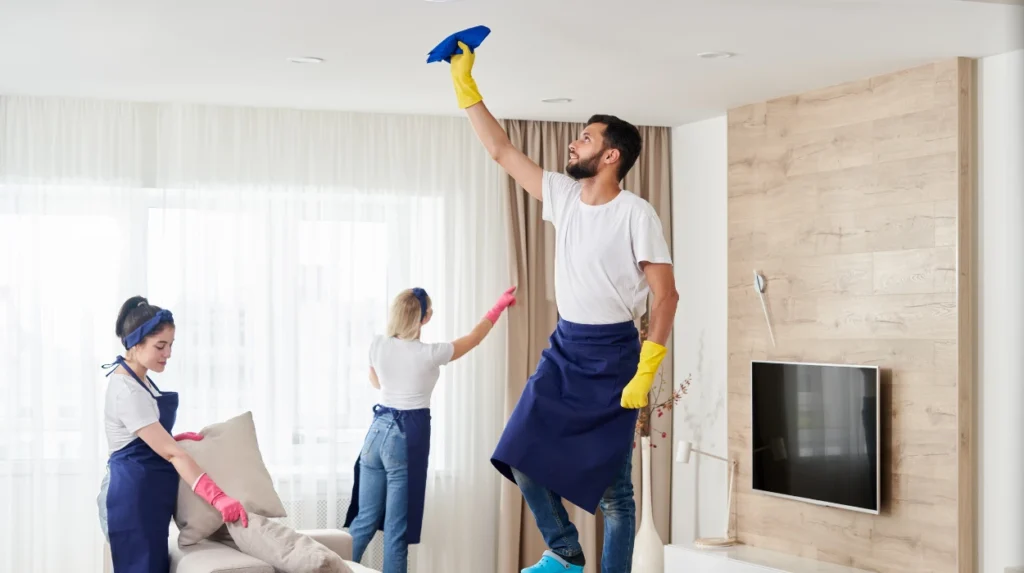
Professional curtain cleaning provides several advantages beyond simple appearance improvements. Curtains cleaned professionally often last longer because accumulated dirt that causes fabric wear is removed effectively.
Clean curtains also contribute to healthier indoor air. Dust, pollen, and airborne particles trapped in fabric fibers can circulate through living spaces when curtains are moved or windows are opened.
Regular cleaning helps reduce this buildup and supports a cleaner indoor environment. It also maintains the visual appeal of window treatments, which play an important role in interior design.
For homeowners who want convenient solutions, services such as curtain cleaning services in Farnworth provided by experienced technicians offer safe and efficient cleaning without risking fabric damage.
Professional cleaning also eliminates the need for homeowners to remove and wash large curtains themselves.
How Often Should Curtains Be Professionally Cleaned?
Cleaning frequency depends on several factors including location, lifestyle, and environmental exposure. Homes near busy roads or industrial areas may accumulate dust more quickly than properties in quieter locations. Curtains in kitchens or living rooms also collect cooking oils, smoke particles, and everyday dust that build up over time.
Most cleaning specialists recommend professional curtain cleaning every 12 to 24 months. However, households with pets, smokers, or allergy concerns may benefit from more frequent cleaning. Routine maintenance prevents heavy buildup and makes each cleaning cycle more effective. It also helps protect the appearance and lifespan of the curtain fabric.
Homeowners considering regular maintenance often compare cleaning methods before requesting curtain cleaning quotes in Farnworth.
Steam cleaning and dry cleaning both play important roles in maintaining curtain hygiene and fabric condition. Steam cleaning is effective for durable fabrics that need deep dust removal and odor treatment, while dry cleaning protects delicate materials that cannot tolerate moisture or heat.
The best method depends on fabric type, construction, and the level of contamination present in the curtains. Professional assessment ensures the cleaning process removes dirt without damaging the material.
For households that want reliable results, experienced providers such as Bee Cleaning Services Manchester use appropriate techniques and equipment to treat different curtain fabrics safely. Through professional cleaning solutions, curtains remain fresh, hygienic, and visually appealing for longer periods.
What are the downsides of steam cleaning?
Steam cleaning can introduce moisture into curtain fabrics, which may lead to longer drying times or potential shrinkage in delicate materials. It also may not be suitable for fabrics like silk or velvet that require low-moisture cleaning methods.
What are the 5 disadvantages of steaming?
Steaming may cause fabric shrinkage, requires longer drying time, may damage delicate materials, needs professional equipment for proper results, and sometimes cannot remove oil-based stains effectively.
Who should avoid steam?
Steam cleaning should be avoided for delicate curtain fabrics such as silk, velvet, and wool blends. These materials can lose shape or texture when exposed to heat and moisture.
What is the 3 minute rule in cleaning?
The 3 minute rule suggests completing small cleaning tasks immediately if they take less than three minutes. This habit prevents dust and clutter from building up over time.
What is the correct order of cleaning a house?
The correct cleaning order usually follows a top-to-bottom approach. Start with high surfaces like curtains and shelves, then move to furniture, and finish with floors to avoid spreading dust onto cleaned areas.