
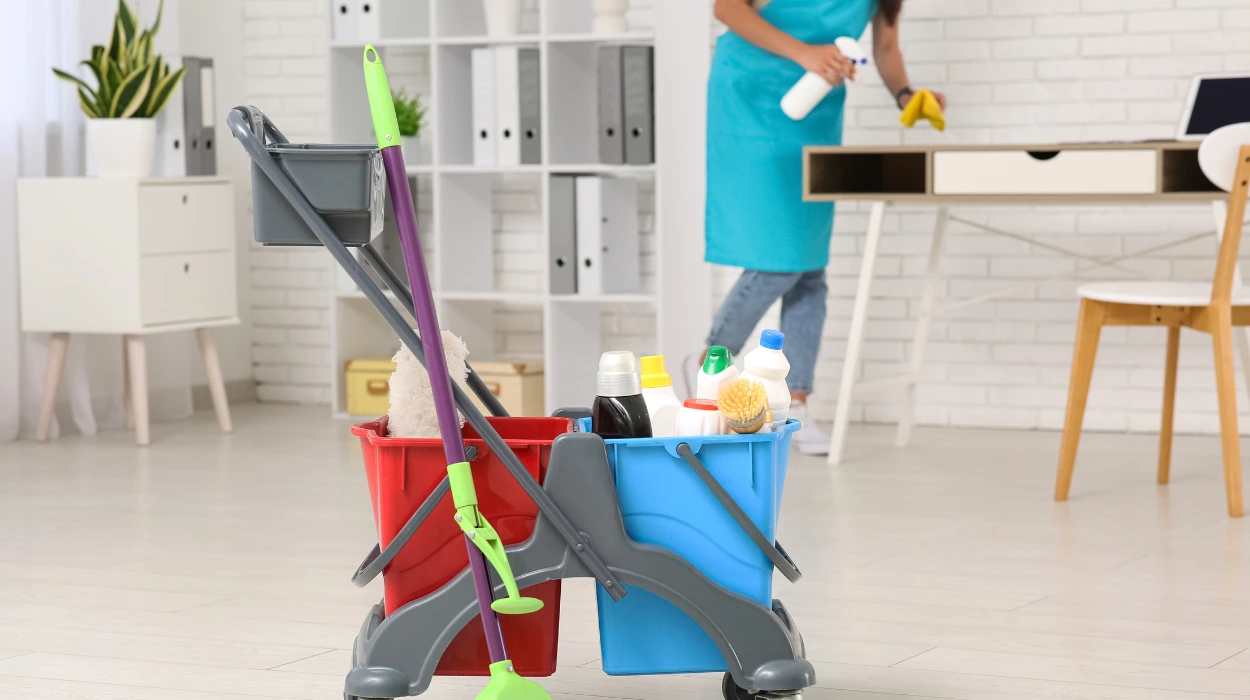
A professional deep cleaning service covers every surface, fixture, and room in a property from top to bottom, going well beyond what a routine maintenance clean addresses. It is a systematic, intensive process designed to remove built-up grime, grease, limescale, and bacteria from areas that are typically overlooked during weekly cleaning.
Why a Deep Clean Is Different from a Regular Clean
Most people clean their homes on a weekly or fortnightly basis, wiping surfaces, vacuuming floors, and tidying visible areas. A professional deep cleaning service operates at an entirely different level of detail, targeting areas that accumulate dirt over months or years without proper attention. This includes the insides of appliances, behind furniture, under sinks, around sealant lines, and inside cupboards. The difference is not just about effort but about method, equipment, and trained technique.
Professional cleaners follow a structured room-by-room checklist that ensures nothing is skipped. Understanding this distinction helps property owners, tenants, and landlords set realistic expectations before booking a service. For those interested in the foundational principles behind this type of service, learning about what deep cleaning means and why it matters provides useful context before diving into the specific inclusions.
Kitchen Deep Cleaning: The Most Intensive Room
The kitchen is typically the most labour-intensive room in any deep cleaning job, and it demands the most time and specialist products. Professionals will degrease and clean the exterior and interior of the oven, including racks, trays, and door glass. Hob surfaces, extractor fans, and filters are descaled and scrubbed to remove accumulated cooking residue.
Cupboard fronts, handles, and interiors are wiped down thoroughly, including shelves and runners. The inside of the microwave, fridge, and dishwasher are cleaned and deodorised where applicable. Tiles, grout lines, and splashbacks receive targeted cleaning to lift staining that regular sprays rarely remove fully. Sink basins and taps are descaled, and all worktops are sanitised with appropriate cleaning agents suited to the surface material.
Bathroom Deep Cleaning: Targeting Limescale and Bacteria
Bathrooms present specific hygiene challenges because of constant moisture exposure, which creates conditions where limescale, soap scum, and bacteria thrive rapidly. A professional deep clean addresses the toilet thoroughly, including the base, cistern, seat hinges, and the area behind and underneath the unit. Shower trays, cubicles, and bath surfaces are treated to remove limescale and mildew from grout and sealant lines. Taps, showerheads, and mixer valves are descaled using appropriate products to restore flow and finish.
Extractor fans and vents are cleaned to improve airflow and reduce moisture buildup over time. Mirrors, shelving, and any vanity units are wiped down, including undersides and brackets. The floor is mopped with disinfectant, paying close attention to corners and edges where grime tends to settle.
Bedrooms and Living Areas: Detail Work Matters
While bedrooms and living rooms may appear less intensive than kitchens and bathrooms, a professional deep cleaning service applies the same level of care throughout these spaces. All furniture is moved where possible, allowing cleaners to vacuum and wipe the floor beneath and behind items such as sofas, wardrobes, and beds. Skirting boards, door frames, light switches, and plug sockets are wiped down to remove dust and marks that accumulate over time. Wardrobes and built-in storage units are cleaned internally, including shelves, rails, and drawer tracks.
Upholstered furniture surfaces are vacuumed using appropriate attachments, and hard furniture legs and undersides are wiped. Window ledges and any radiator surfaces are dusted and cleaned, and ceiling corners are checked for cobwebs. The level of attention in these rooms significantly improves air quality and the overall feel of a property.
Windows, Skirting Boards, and High-Touch Surfaces
Internal window cleaning forms a standard part of a thorough professional deep cleaning service, with frames, ledges, and glass cleaned from the inside. Skirting boards along every wall are wiped to remove dust and marks, a task rarely done during routine cleaning sessions. Door handles, light switches, bannisters, and other high-touch surfaces are sanitised with antibacterial products throughout the property.
Hallways and staircases receive vacuuming or mopping depending on the floor type, with attention to any carpeted stair treads as well. Coving, cornicing, and ceiling roses are carefully dusted where accessible and where dust accumulation is visible. Any dado rails, picture rails, or architraves are wiped during this stage of the process. These finishing details are what separate a genuine deep clean from a surface-level tidy.
Deep Cleaning for End of Tenancy and Move-In Situations
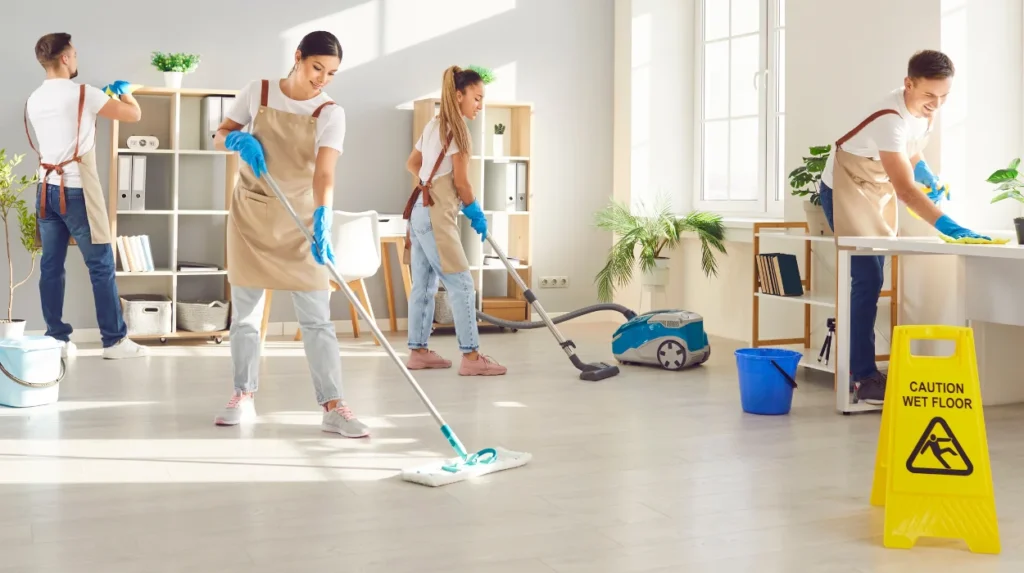
One of the most common reasons people book a professional deep clean is at the start or end of a tenancy, where the property must meet a specific standard of cleanliness. Landlords and letting agents typically require a full deep clean before a new tenant moves in, and departing tenants often need one to secure their deposit return. The deep cleaning services in Farnworth provided by Bee Cleaning Services Manchester are structured to align with standard inventory and check-out requirements.
This type of service is particularly valuable because it covers areas that casual cleaning almost never reaches, such as the tops of kitchen units, inside light fittings, and behind large appliances. Properties that have been cleaned professionally are consistently easier to re-let and receive fewer disputes over deposit deductions. Tenants who commission a professional clean also have a documented record of the property’s condition at the point of handover.
Equipment and Products Used in a Professional Deep Clean
Professional cleaners do not rely on standard supermarket products; they use commercial-grade solutions suited to specific surface types and levels of contamination. Degreasers used on kitchen appliances are considerably stronger than domestic alternatives and are applied with the appropriate dwell time to break down grease effectively. Limescale removers used in bathrooms are formulated for heavy build-up without damaging chrome, ceramic, or acrylic surfaces.
Microfibre cloths, steam cleaners, and specialist scrubbing tools allow cleaners to work more efficiently and without causing surface damage. HEPA-filter vacuum cleaners are commonly used to capture fine dust and allergens rather than redistributing them into the air. Products used are selected based on the surfaces present in the property and any specific requirements, such as pet-friendly or allergy-sensitive formulations. The use of professional equipment is a core reason why the results of a deep clean outlast those of DIY attempts.
How Long a Professional Deep Clean Takes
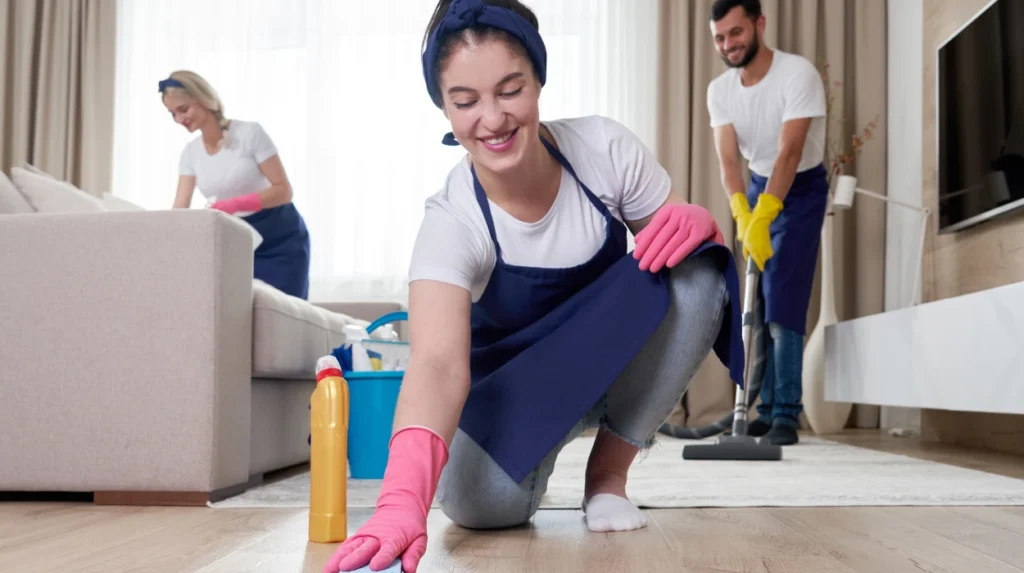
The duration of a deep cleaning service depends on the size of the property, its current condition, and the number of rooms included in the scope of work. A standard one-bedroom flat in good condition may take between three and five hours for a full deep clean by a professional team. Larger properties, or those that have not been deep cleaned for an extended period, can take considerably longer, sometimes requiring a full day or a team of multiple cleaners. Properties with heavy oven soiling, severe limescale build-up, or long-neglected bathrooms will naturally add time to the overall job.
Bee Cleaning Services Manchester assesses properties before booking to provide accurate time and cost estimates rather than applying a one-size-fits-all approach. Scheduling a deep clean through a professional provider ensures realistic planning without unexpected delays on the day. Those considering the financial side of the process can explore what deep cleaning costs in Farnworth to understand pricing before making a booking decision.
What Determines the Quality of a Deep Clean
Not all deep cleaning services deliver the same results, and the quality of the outcome depends on the training, checklist discipline, and products used by the cleaning team. Professional providers follow a structured sequence, typically working from top to bottom and room by room to prevent re-contamination of cleaned surfaces. A high-quality service will also include a walkthrough or quality check at the end to confirm that every item on the checklist has been completed to the required standard.
Communication between the client and the cleaning team before the job begins is important, particularly for properties with specific surface materials, installed appliances, or access restrictions. Booking a reputable provider for deep cleaning services in Farnworth means the scope of work is clearly defined before any work begins, reducing the risk of missed areas or unmet expectations. Transparency around what is and is not included helps clients make informed decisions about the service they need.
Understanding what is included in a professional deep cleaning service allows property owners, tenants, and landlords to approach the process with clear expectations and confidence. From kitchen appliances and bathroom limescale to skirting boards, high-touch surfaces, and internal windows, a genuine deep clean covers significantly more ground than routine maintenance. Bee Cleaning Services Manchester delivers structured, thorough deep cleaning solutions designed to meet the practical needs of residential and rental properties, with a focus on consistent results and professional standards throughout every stage of the process.
What areas are often missed during deep cleaning?
The most commonly missed areas include the insides of kitchen appliances, behind large furniture, grout lines, extractor fan filters, skirting boards, and the space beneath bathroom fixtures. A professional deep cleaning service follows a structured checklist to ensure these overlooked spots are always covered.
What are the 6 main stages of effective deep cleaning?
The six core stages are: decluttering and preparation, dry dusting from top to bottom, kitchen deep clean, bathroom deep clean, living and bedroom detailing, and final floor care including vacuuming and mopping. Following this order prevents re-contamination of already cleaned surfaces throughout the property.
How to reduce cleaning costs?Booking a deep clean before visible dirt becomes severe reduces the time and labour required, which directly lowers the overall cost. Scheduling regular maintenance cleans between deep cleans also keeps properties in better condition and makes each professional deep clean faster to complete.
What should a deep cleaning checklist include?
A thorough checklist should cover oven and appliance interiors, bathroom descaling, cupboard interiors, skirting boards, internal windows, high-touch surfaces, and floor cleaning in every room. The checklist ensures nothing is skipped and gives clients a clear reference for what the service delivers.
What is the correct order of cleaning a house?
The correct order is to start from the highest points such as ceilings and shelves, work downward through surfaces and fixtures, and finish with floors last. Rooms are typically cleaned in sequence from least used to most used, with kitchens and bathrooms receiving the most detailed attention.