
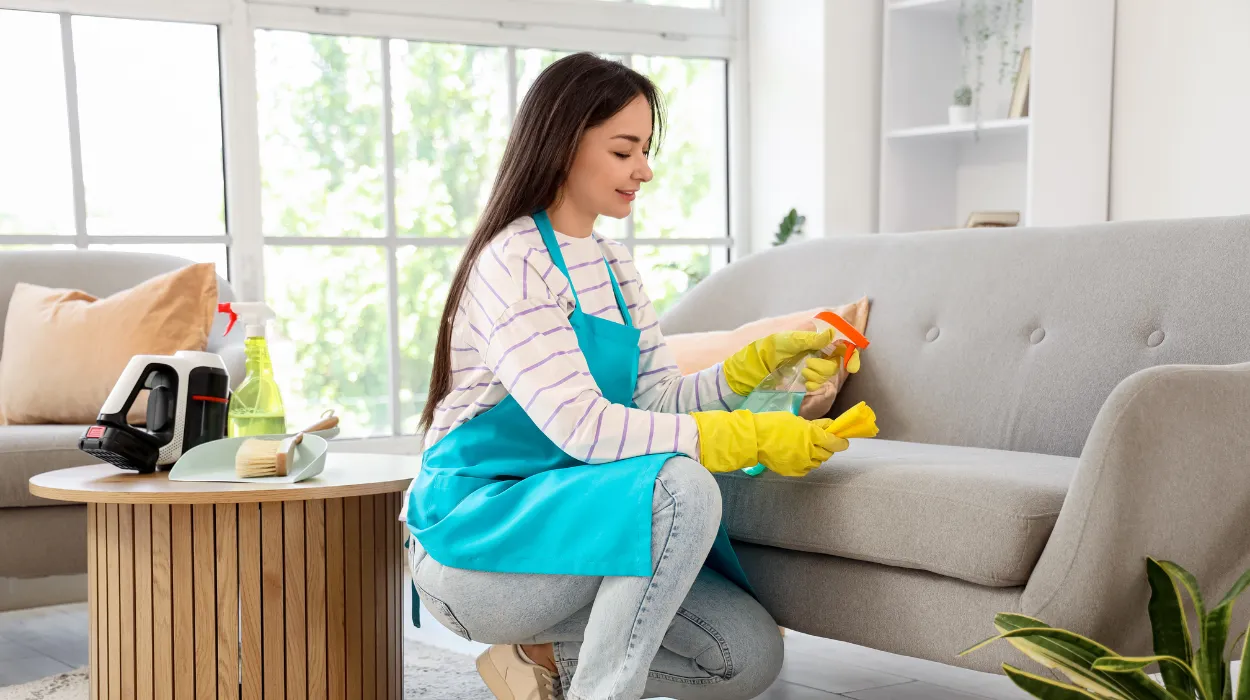
The choice between steam cleaning and dry extraction depends on your sofa fabric type and the level of deep-seated soiling present within the fibers. Steam cleaning excels at sanitizing and removing heavy stains from synthetic materials, while dry extraction is essential for delicate or non-colorfast fabrics that cannot withstand high moisture or heat.
Identifying the Right Method for Farnworth Upholstery
When considering Upholstery Cleaning Services in Farnworth, homeowners often struggle to identify which methodology will preserve their furniture while ensuring a hygienic living environment for their families. Modern upholstery is composed of a vast array of materials ranging from robust polyesters to sensitive natural blends like wool or silk. Understanding the chemical and mechanical differences between cleaning processes is the first step in maintaining the structural integrity of these expensive household investments.
Steam cleaning, technically known as hot water extraction, involves pressurized water and specialized detergents to break down oils. Conversely, dry extraction uses minimal moisture or absorbent compounds to attract dirt without saturating the internal padding.
Professional Fiber Assessment and Safety Protocols
Professional technicians evaluating Upholstery Cleaning Services in Farnworth typically begin with a fiber identification test to determine the safest possible approach for your specific piece. This assessment prevents common issues such as fabric shrinkage, browning, or the permanent setting of heat-sensitive stains during the deep cleaning process. Steam cleaning is frequently the gold standard for high-traffic family sofas that endure spills, pet dander, and general environmental grime over several years of use. The high temperature of the vapor acts as a natural disinfectant, killing bacteria and dust mites that burrow deep into the foam. However, the drying time associated with this method requires adequate ventilation and patience to ensure the internal wooden frame remains dry.
The Advantages of Low-Moisture Dry Extraction
Dry extraction methods have evolved significantly to provide a thorough clean for those who cannot wait hours for their living room set to become usable again. This process utilizes specialized machines that spread a low-moisture foam or a powder-based solvent over the fabric to encapsulate dirt particles on a molecular level. Once the cleaning agent has bonded with the debris, a powerful industrial vacuum removes the compound, leaving the sofa refreshed and immediately ready for use.
This is often the preferred choice for office environments or busy households in Manchester that require a fast turnaround time without sacrificing quality. Furthermore, dry cleaning is the only safe option for “S” coded fabrics, which react poorly to any water-based solutions.
Deep Sanitization Through Hot Water Extraction
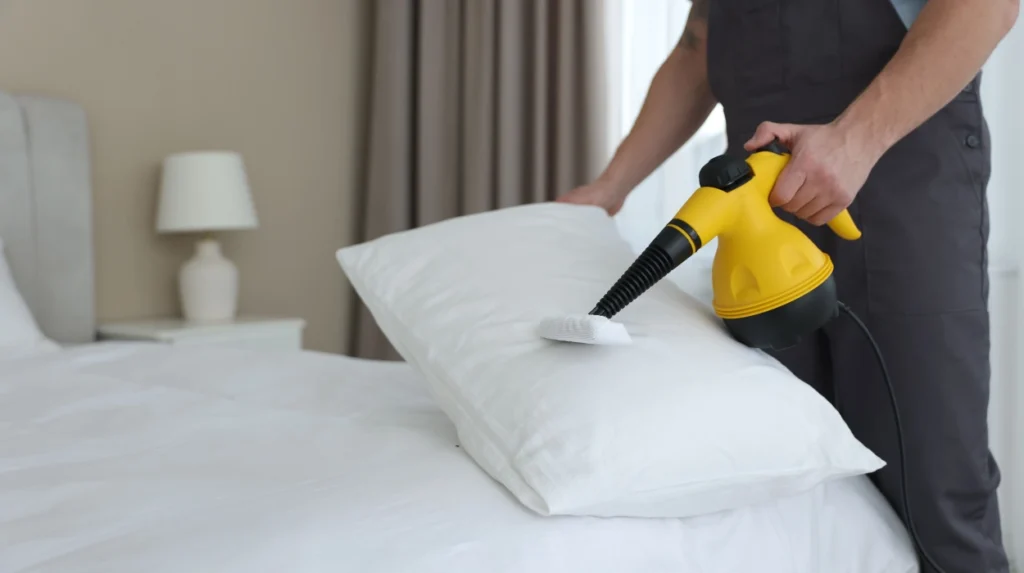
Choosing the right approach requires a deep dive into the specific benefits of hot water extraction, which remains the most popular choice for deep restorative work. When Bee Cleaning Services Manchester performs this service, the process involves pre-treating spots with alkaline or acidic agents depending on the pH of the specific stain.
The injection of hot water under pressure reaches the deepest layers of the upholstery, agitating the dirt and flushing it out into a recovery tank. This method is exceptionally effective at removing odors trapped in the padding, such as smoke or pet scents, which topical cleaning cannot reach. It is the most comprehensive way to reset the hygiene levels of a sofa that has seen better days.
Protecting Delicate Weaves and Luxury Fabrics
While steam is powerful, the risks associated with improper application on delicate weaves like velvet or viscose cannot be overstated by professional upholstery cleaners. Dry extraction provides a gentle alternative that uses chemical solvents to dissolve grease and body oils without the risk of watermarks or dye migration. For residents seeking high-quality fabric care, this method ensures that the aesthetic sheen of luxury fabrics remains intact throughout the lifespan of the furniture piece.
It acts more like a dry cleaning service for your clothes, focusing on surface-level brilliance and fiber protection rather than deep saturation. Many high-end furniture manufacturers specifically recommend this low-moisture path to avoid voiding warranties during the first few years.
Environmental Considerations and Allergen Removal
Environmental factors in the local area also play a role in deciding which cleaning method will yield the most sustainable and long-lasting results for your home. High humidity levels can prolong the drying process of steam cleaning, making dry extraction an attractive alternative for those living in older, less ventilated properties. However, if your primary goal is the removal of allergens, the thermal energy provided by steam is unmatched in its ability to neutralize microscopic triggers.
A professional strategist would suggest that a bi-annual rotation between these two methods could offer the perfect balance of deep sanitization and surface maintenance. This hybrid approach keeps the upholstery looking new while ensuring the air quality in your home remains at peak levels.
Maintaining Chemical Balance and Fiber Integrity

Effective maintenance of furniture also involves understanding the long-term impact of residues left behind by various cleaning detergents and chemical solutions. Steam cleaning requires a thorough rinse to ensure that no soapy film remains, as leftover chemicals can actually attract dirt faster after the technician leaves. Dry extraction compounds are designed to be inert, but they require high-performance suction to be fully removed from the base of the fabric weave. When you book professional furniture maintenance solutions, you are paying for the expertise to balance these chemical factors perfectly. Bee Cleaning Services Manchester utilizes specialized equipment that monitors the moisture output and vacuum pressure to ensure that every fiber is treated with precision and care.
Ultimately, the decision between steam and dry methods should be guided by the manufacturer’s care label and the specific challenges of your household environment. Steam cleaning is the heavy-duty solution for busy homes with children and pets, offering a level of cleanliness that penetrates beyond the surface. Dry extraction is the sophisticated choice for maintenance and delicate textiles, offering convenience and safety for high-value items that require a lighter touch.
Both methods serve vital roles in the ecosystem of professional home care, provided they are executed by trained individuals. Bee Cleaning Services Manchester provides professional cleaning solutions that cater to both methods, ensuring your upholstery receives the exact treatment required for its specific composition and condition.
Can you steam clean a dry-clean-only couch?
Steam cleaning a dry clean only couch is generally not recommended as the high heat and moisture can lead to permanent fabric shrinkage, water spotting, or color bleeding. It is safer to follow the manufacturer label and utilize professional dry extraction methods to maintain the integrity of the delicate fibers without the risk of liquid damage.
Is it worth getting a sofa professionally cleaned?
Professional cleaning is highly beneficial because industrial equipment removes deep-seated allergens and bacteria that domestic vacuuming simply cannot reach. By investing in professional care, you extend the lifespan of your furniture and restore the aesthetic appeal of the fabric through expert-grade solutions tailored to specific material types.
What is the 2/3 rule for sofas?
The 2/3 rule is a design and maintenance principle suggesting that a sofa should ideally occupy about two-thirds of the wall it sits against to maintain visual balance in a room. From a care perspective, it also suggests that once a sofa reaches two-thirds of its expected lifespan, professional restorative cleaning is essential to prevent permanent fiber degradation and structural wear.
What is the 4-inch rule for furniture?
The 4-inch rule for furniture is a spatial guideline used by interior designers to ensure a room feels balanced and accessible rather than cramped. It suggests maintaining at least a 4-inch gap between large furniture pieces and the walls, or between two different pieces of furniture that are not meant to be touching.
Are upholstery steam cleaners worth it?
High-quality upholstery steam cleaners are excellent investments for households with children or pets because they provide chemical-free sanitization and effective stain removal for synthetic fabrics. However, their value depends on correct usage; improper handling can over-saturate cushions, leading to mold growth or damaged internal frames if not dried correctly.