
Steam cleaning is generally safe for most fabric couches, but only when the fabric type and cleaning code allow water-based methods. However, delicate or moisture-sensitive fabrics can be damaged, so choosing the right method is essential before cleaning.
Steam Cleaning for Fabric Sofas
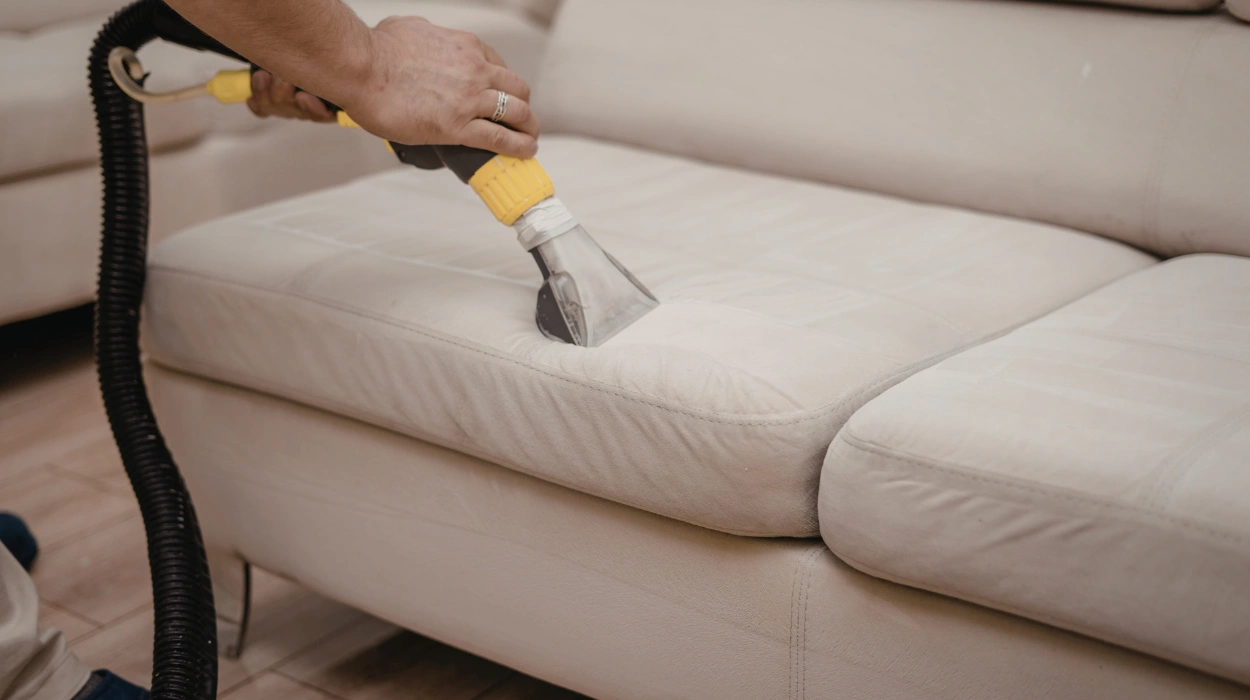
Steam cleaning works by using high-temperature water vapor to loosen dirt, bacteria, and allergens trapped deep within upholstery fibers. This method penetrates beyond the surface, making it highly effective for deep cleaning and sanitisation.
For many households, this approach is beneficial because it removes embedded grime and improves indoor hygiene. It is especially useful for sofas that accumulate dust, spills, and pet-related debris over time. The heat also helps break down stubborn residues without relying heavily on chemicals.
However, the effectiveness of steam cleaning depends on how well moisture is controlled during the process. Excess water can soak into the padding beneath the fabric, which may lead to long drying times or even odour issues. Professional services like upholstery care from Bee Cleaning Services Manchester use controlled extraction techniques to remove most of the moisture. This ensures a deep clean while reducing the risk of dampness-related problems.
Is Steam Cleaning Safe for All Fabric Couches?
Steam cleaning is safe for many common upholstery materials such as cotton, polyester, and synthetic blends. These fabrics can typically handle both heat and moisture without losing their structure or colour. However, not all fabrics respond well to steam. Materials like silk, velvet, suede, or any upholstery labeled as solvent-only can be damaged by water-based cleaning. These fabrics may shrink, discolor, or develop water marks if steam is applied.
It is also important to check the cleaning code on your sofa before proceeding. Codes like “W” indicate water-safe cleaning, while “S” suggests dry cleaning only. Ignoring these guidelines can lead to irreversible damage. For homeowners in Farnworth, professional Upholstery Cleaning Services in Farnworth can assess fabric types before choosing the correct cleaning method, reducing the risk of costly mistakes.
Benefits of Steam Cleaning Your Upholstery
Steam cleaning offers several advantages that make it a popular choice for deep sofa cleaning. One of the key benefits is its ability to eliminate allergens such as dust mites and bacteria, improving indoor air quality. Another advantage is its deep penetration into upholstery layers, which helps remove dirt that standard surface cleaning cannot reach. This makes it ideal for heavily used furniture that requires thorough restoration.
Additionally, steam cleaning often uses minimal chemicals, relying mainly on heat and water. This makes it a more eco-friendly option compared to solvent-based cleaning methods. Despite these benefits, the method must be applied correctly. Over-wetting or improper handling can reduce fabric lifespan, which is why trained technicians are recommended for best results.
Risks and Limitations of Steam Cleaning
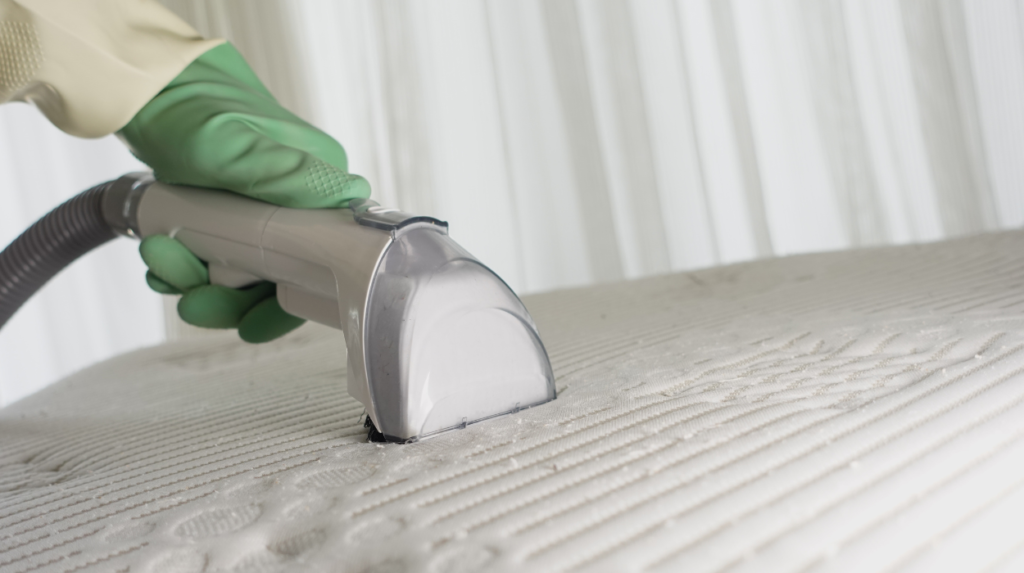
While steam cleaning is effective, it is not without risks. One major concern is the potential for fabric damage due to high heat, especially in delicate or blended materials. Another limitation is moisture retention. If the sofa does not dry properly, trapped moisture can create conditions for mould or mildew growth inside the cushions.
Drying time is also a practical consideration. Steam-cleaned upholstery can take several hours, sometimes up to a full day, to dry completely depending on airflow and humidity. Because of these risks, professional cleaners carefully control temperature, pressure, and extraction levels to ensure safe and effective results.
Steam Cleaning vs Dry Extraction: Which Does Your Sofa Need?
Choosing between steam cleaning and dry extraction depends on your sofa’s fabric and condition. Steam cleaning is ideal for deep cleaning and sanitisation, especially when dealing with heavy dirt or allergens. Dry extraction, on the other hand, uses minimal moisture and is better suited for delicate or water-sensitive fabrics. It focuses more on surface cleaning and quick stain removal without soaking the material.
Another key difference is drying time. Dry methods allow furniture to be used almost immediately, while steam cleaning requires longer drying periods. If you want a deeper understanding of method selection, you can explore this guide on choosing the right sofa cleaning method for your furniture.
When Should You Avoid Steam Cleaning?
There are specific situations where steam cleaning should be avoided entirely. If your sofa has a “dry clean only” label, using steam can cause irreversible damage to the fabric structure. Older or antique furniture is another case where caution is necessary. The adhesives and materials used in older upholstery may not withstand moisture or heat exposure.
Additionally, if your home has poor ventilation, steam cleaning may not be ideal due to extended drying times. In such cases, low-moisture methods are often safer and more practical. For delicate upholstery, professional Upholstery Cleaning Services in Farnworth can recommend alternative cleaning approaches that protect fabric integrity.
Why Professional Upholstery Cleaning Matters
Professional cleaning services bring expertise that goes beyond basic DIY methods. Technicians understand fabric codes, stain types, and the correct balance of moisture and heat required for safe cleaning. They also use advanced equipment that extracts up to 95 percent of moisture, reducing drying time and preventing internal dampness.
Another advantage is customised treatment. Different stains such as oil-based or water-based require different cleaning techniques, and professionals can identify and treat them effectively. If you are considering expert help, learn more about deep sofa cleaning solutions in Farnworth to understand service options available locally.
Choosing the Right Cleaning Approach for Your Sofa
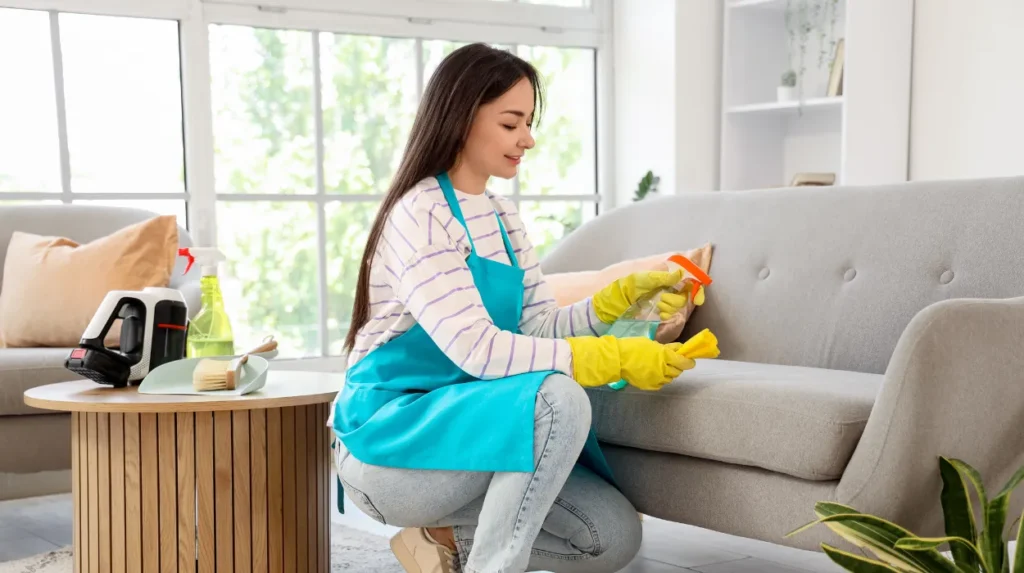
Selecting the right method depends on multiple factors including fabric type, level of soiling, and household needs. Steam cleaning is suitable for durable fabrics and deep sanitation requirements. Dry extraction is better for delicate materials or situations where quick drying is necessary. Both methods have their place in upholstery maintenance, and the best choice often depends on professional assessment.
Regular cleaning also plays a role in extending the lifespan of your furniture. Routine maintenance prevents dirt buildup and reduces the need for intensive treatments. If you are comparing service options, you can review affordable upholstery cleaning quotes in Farnworth to make an informed decision.
Steam cleaning is safe for many fabric couches, but not all. The key lies in understanding your sofa’s material and choosing the correct cleaning method accordingly.
While steam offers deep cleaning and sanitisation benefits, it must be applied carefully to avoid moisture or heat damage. Dry methods provide a safer alternative for delicate fabrics but may not deliver the same level of deep cleaning.
Bee Cleaning Services Manchester provides professional upholstery cleaning solutions tailored to different fabric types and conditions. With the right expertise and method selection, your sofa can be cleaned effectively while preserving its quality and lifespan.
What’s the best way to clean a fabric couch?
The best way is to vacuum regularly and use a cleaning method that matches the fabric code, such as steam cleaning for durable fabrics or dry cleaning for delicate ones. Always spot test first to avoid damage.
Is it better to shampoo or steam clean a couch?
Steam cleaning is better for sanitising and removing allergens, while shampooing is more effective for deep stains and heavy dirt. The right choice depends on fabric type and cleaning needs.
What are the downsides of steam cleaning?
Steam cleaning can cause fabric damage, shrinkage, or moisture buildup if overused or applied incorrectly. It may also lead to mould or slow drying in poorly ventilated spaces.
Can you use Fairy Liquid to clean a sofa?
Yes, a small amount of mild dish soap like Fairy Liquid can be used on water-safe fabrics, but it must be diluted and tested first to prevent residue or discoloration.
What does Mrs. Hinch use to clean carpets?
Mrs. Hinch often uses simple household items like diluted cleaning solutions, fabric sprays, and vacuuming routines, focusing on gentle, regular maintenance rather than harsh chemicals.