

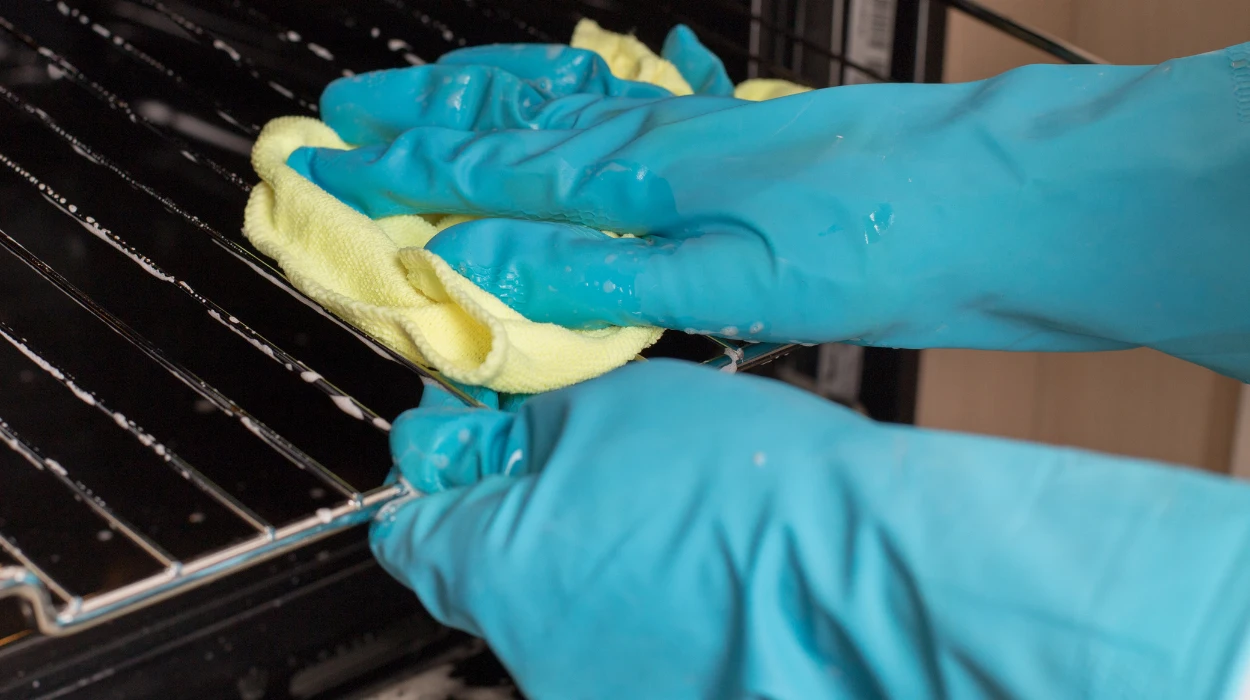
Oven Cleaning Services in Farnworth often recommend using the self-cleaning feature correctly and finishing with a gentle manual wipe for safe, effective results. The safest method avoids harsh chemicals, controls heat cycles properly, and prevents damage to internal components.
How a Self-Cleaning Oven Works
A self-cleaning oven uses extremely high temperatures, often reaching around 450–500°C, to burn food residue into ash. This process, known as pyrolytic cleaning, eliminates grease and grime without requiring chemical cleaners. While this feature is convenient, it must be used carefully to avoid risks such as smoke buildup or damage to oven parts.
Many homeowners assume the oven cleans itself completely, but that is only partially true. The process reduces debris to ash, which still needs to be wiped away manually. Understanding this distinction is essential for achieving a truly clean and hygienic oven.
Using the self-cleaning function too frequently or incorrectly can lead to wear on internal components. This includes door seals, heating elements, and electronic controls. Proper use ensures both cleanliness and longevity of the appliance.
Preparing Your Oven Before Using the Self-Cleaning Function
Before activating the self-cleaning cycle, it is important to remove all removable parts such as racks, trays, and thermometers. These items are not designed to withstand extreme heat and may warp or discolor. Cleaning them separately using warm soapy water is a safer approach.
Ensure that large food particles or excessive grease are manually wiped away beforehand. This reduces smoke and unpleasant odors during the cleaning cycle. Proper ventilation is also essential, so opening windows or switching on extractor fans helps maintain indoor air quality.
Bee Cleaning Services Manchester emphasizes preparation as a critical step in oven maintenance. A well-prepared oven not only cleans more effectively but also reduces potential hazards during the process.
The Safe Way to Use the Self-Cleaning Cycle
When starting the self-cleaning function, ensure the oven door is securely locked. Most modern ovens lock automatically to prevent accidental opening during high temperatures. Avoid leaving the oven unattended for long periods, especially if it is your first time using this feature.
The cleaning cycle usually lasts between two to four hours depending on the level of dirt. During this time, it is normal to notice some odor or light smoke. However, excessive smoke may indicate too much residue inside, which highlights the importance of pre-cleaning.
Once the cycle is complete, allow the oven to cool completely before opening it. Rushing this step can expose you to heat and fumes. After cooling, simply wipe away the remaining ash with a damp cloth.
Why Manual Finishing Is Still Necessary
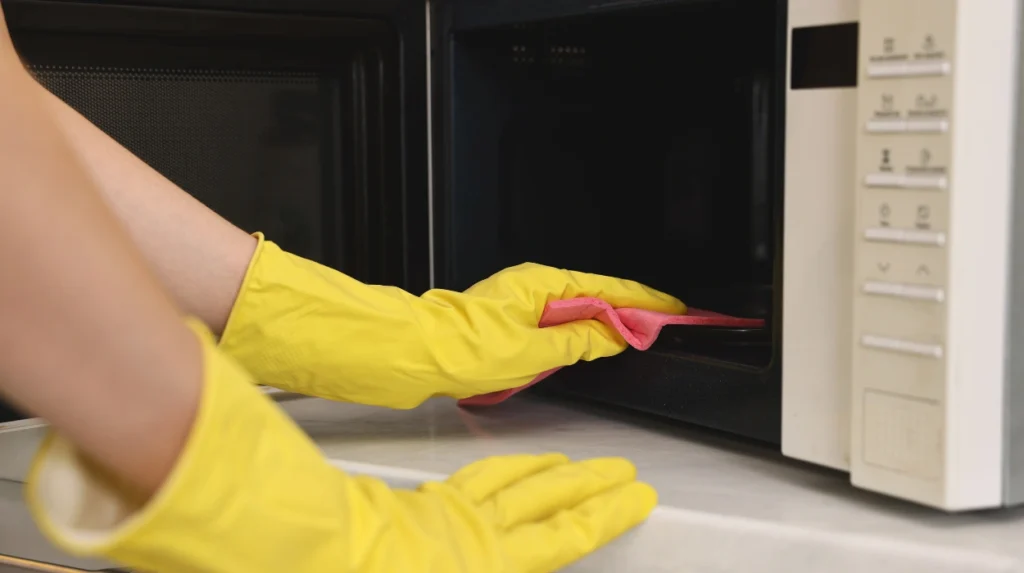
Even after a full self-cleaning cycle, some areas of the oven may require manual attention. Corners, door edges, and glass panels often retain residue that the high heat does not fully eliminate. A gentle wipe with a non-abrasive cloth ensures a spotless finish.
Using mild cleaning solutions or natural options like baking soda can help remove stubborn spots. Avoid harsh chemicals, as they can damage the oven’s interior coating. Consistent manual finishing improves both appearance and hygiene.
For those who want a deeper clean, professional support such as Oven Cleaning Services in Farnworth can provide a more thorough result. Experts use specialized tools and safe techniques that go beyond standard self-cleaning functions.
Common Mistakes to Avoid When Cleaning a Self-Cleaning Oven
One of the most common mistakes is leaving racks inside during the cleaning cycle. This can cause permanent damage and reduce their usability. Another mistake is using chemical cleaners inside a self-cleaning oven, which can react negatively under high heat.
Overusing the self-cleaning function is also problematic. Frequent high-temperature cycles can shorten the lifespan of the appliance. It is best to use this feature only when necessary and maintain regular light cleaning in between.
Ignoring manufacturer guidelines is another issue that many homeowners face. Each oven model has specific instructions, and following them ensures safe and effective operation. Bee Cleaning Services Manchester often advises checking the manual before initiating any cleaning cycle.
When to Choose Professional Oven Cleaning Instead
While self-cleaning ovens are convenient, they are not always the best solution for heavily soiled appliances. Thick grease buildup or burnt-on residue may require professional attention. In such cases, expert services provide a safer and more effective alternative.
Professional cleaners use non-toxic, eco-friendly products that break down grease without extreme heat. This method protects oven components and delivers a deeper clean. It is especially useful for households that cook frequently or have not cleaned their oven in a long time.
If you are unsure about the condition of your oven, exploring a detailed guide on efficient oven cleaning duration and process insights can help you understand what to expect from professionals.
Benefits of Combining Self-Cleaning with Professional Care
Using the self-cleaning feature occasionally and scheduling professional cleaning periodically creates a balanced maintenance routine. This approach ensures consistent cleanliness without overburdening the appliance.
Professional services also address areas that self-cleaning cannot reach, such as internal fans and hidden compartments. This results in improved performance and better energy efficiency. A clean oven heats more evenly and reduces cooking times.
Bee Cleaning Services Manchester offers Oven Cleaning Services in Farnworth designed to complement home maintenance efforts. Their approach focuses on safety, efficiency, and long-term appliance care.
Safety Tips for Long-Term Oven Maintenance
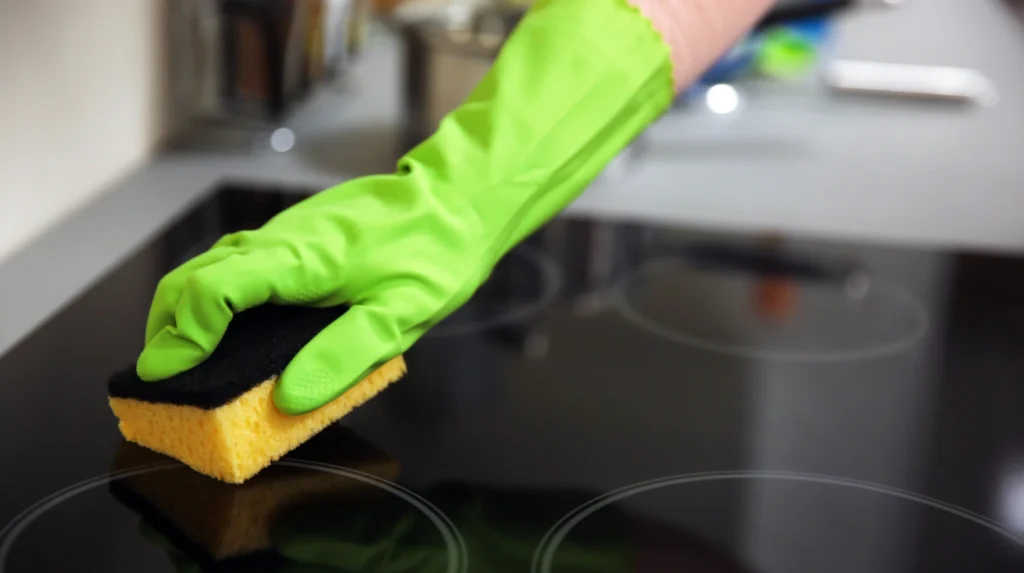
Maintaining a clean oven does not always require intensive cleaning cycles. Wiping spills immediately after cooking prevents buildup and reduces the need for deep cleaning. Regular maintenance keeps the oven functioning efficiently.
Avoid lining the oven base with foil, as it can interfere with heat distribution and damage internal surfaces. Instead, use oven-safe trays to catch drips. Simple habits like these contribute significantly to oven longevity.
For households preparing for property inspections or moving out, professional cleaning becomes even more important. A resource on professional end-of-tenancy oven cleaning decisions can guide you in making the right choice.
How Oven Cleaning Services Improve Results
Professional oven cleaning services use advanced tools and techniques that go beyond standard household methods. They dismantle removable parts, clean them individually, and restore the oven to near-original condition. This level of detail ensures thorough hygiene.
Experts also inspect the appliance for potential issues such as worn seals or blocked vents. Addressing these problems early prevents costly repairs in the future. This proactive approach adds value to professional cleaning services.
If you are looking for a complete solution, consider exploring deep oven cleaning solutions for spotless results. This provides insight into how expert services achieve superior outcomes compared to DIY methods.
Cleaning a self-cleaning oven safely involves proper preparation, careful use of the cleaning cycle, and essential manual finishing. While the built-in function is useful, it works best when combined with regular maintenance and occasional professional care.
Bee Cleaning Services Manchester supports homeowners with practical, safe, and effective cleaning solutions. Their expertise in Oven Cleaning Services in Farnworth ensures ovens remain hygienic, efficient, and long-lasting without unnecessary risk.
Is it okay to manually clean a self-cleaning oven?
Yes, it is safe to manually clean a self-cleaning oven if you use gentle, non-abrasive methods. Light wiping between cycles helps maintain cleanliness without damaging the interior coating.
Why do people say not to use self-clean on oven?
Yes, it is safe to manually clean a self-cleaning oven if you use gentle, non-abrasive methods. Light wiping between cycles helps maintain cleanliness without damaging the interior coating.
What is the healthiest way to clean an oven?
The healthiest method is using natural solutions like baking soda and water, followed by wiping with vinegar. This avoids harsh chemicals and keeps indoor air safer.
Will oven cleaner ruin a self-cleaning oven?
Yes, many chemical oven cleaners can damage the special coating inside a self-cleaning oven. It is best to avoid them and stick to mild or manufacturer-approved cleaning methods.
What happens when you put a bowl of vinegar in the oven?
Heating a bowl of vinegar creates steam that helps loosen grease and odors. This makes it easier to wipe away residue without scrubbing aggressively.