

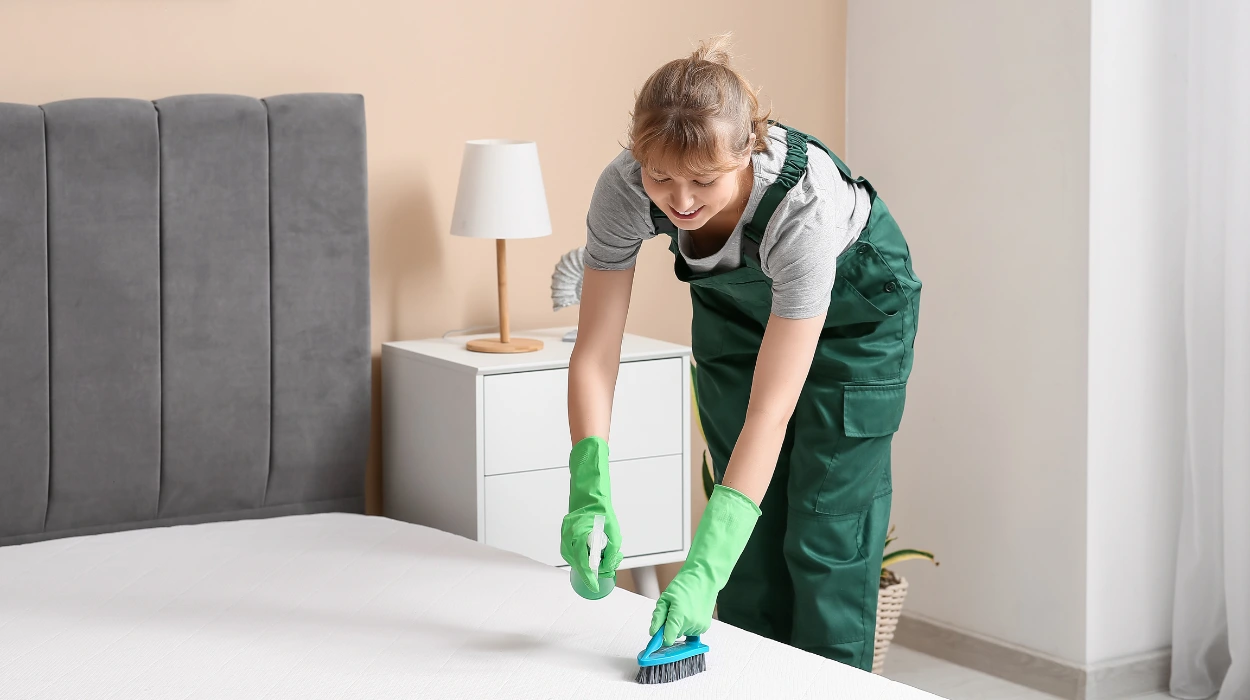
Effective DIY mattress cleaning requires a combination of immediate spot treatment, moisture control, and the use of enzymatic cleaners to break down organic proteins. While home methods can manage surface odors and light stains, deep-seated allergens and dust mites usually require professional extraction to be fully removed from the internal layers.
Basics of mattress hygiene
Maintaining a hygienic sleeping environment is a cornerstone of home wellness, yet the mattress remains one of the most overlooked items in the household. When considering mattress cleaning services in Farnworth, many homeowners first attempt to handle maintenance themselves using common household pantry items like baking soda or white vinegar. These materials serve as the foundation for most home-based sanitation routines because they are non-toxic and readily available. However, understanding the chemical limitations of these substances is vital for anyone hoping to achieve a truly sanitary surface. Home cleaning is largely a preventative measure rather than a restorative one, focused on surface-level dust and the neutralization of mild odors before they become embedded.
The role of vacuuming and dust mite control
The first step in any successful DIY mattress maintenance routine involves thorough vacuuming using a HEPA-filter attachment to capture fine particles. This process removes the dead skin cells and hair that serve as the primary food source for dust mite populations living within the fabric. While vacuuming does not eliminate deep-seated mites, it significantly reduces the organic load on the top layers of the mattress. It is essential to cover the entire surface area, including the side panels and the seams where dust tends to accumulate in higher concentrations. Consistent vacuuming every few months creates a baseline of cleanliness that makes any subsequent spot treatments or deep sanitization efforts much more effective for the long term.
Effective spot treatment for common stains
Dealing with liquid spills or organic stains requires a delicate balance of moisture application and extraction to prevent mold growth. Blotting is the golden rule of DIY mattress care, as rubbing a stain often pushes the liquid deeper into the foam or internal padding. Using a mixture of mild dish soap and cold water can lift many fresh stains, provided the area is not over-saturated during the application process. Excess moisture is the primary enemy of a mattress, often leading to internal mildew that is nearly impossible to remove without specialized equipment. This is why many residents eventually seek mattress cleaning services in Farnworth to ensure that deep moisture is properly extracted rather than left to stagnate.
Neutralizing odors with sodium bicarbonate
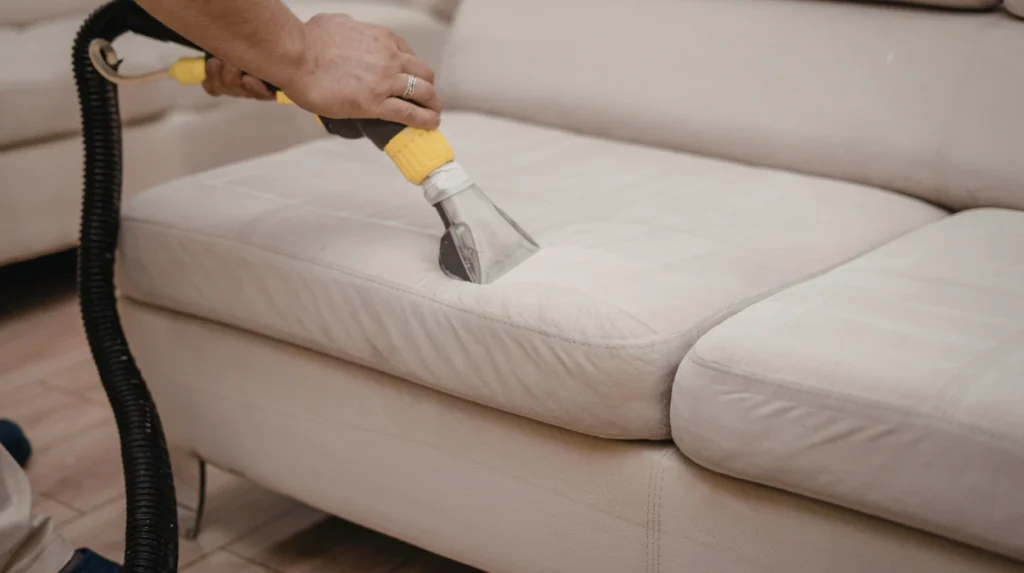
Baking soda is frequently cited as a miracle cure for mattress odors, acting as a mild abrasive and a moisture absorbent. To use it effectively, one must sift a generous layer across the entire surface and allow it to sit for at least several hours or even a full day. During this time, the sodium bicarbonate works to draw out odors and some level of surface moisture through an archival process. While this is an excellent way to freshen a bed between professional visits, it does not provide the results of industrial bed extraction that many modern households require for total allergen removal. Once the time has elapsed, the powder must be vacuumed away completely to ensure no grit remains in the fabric.
The risks of DIY steam cleaning
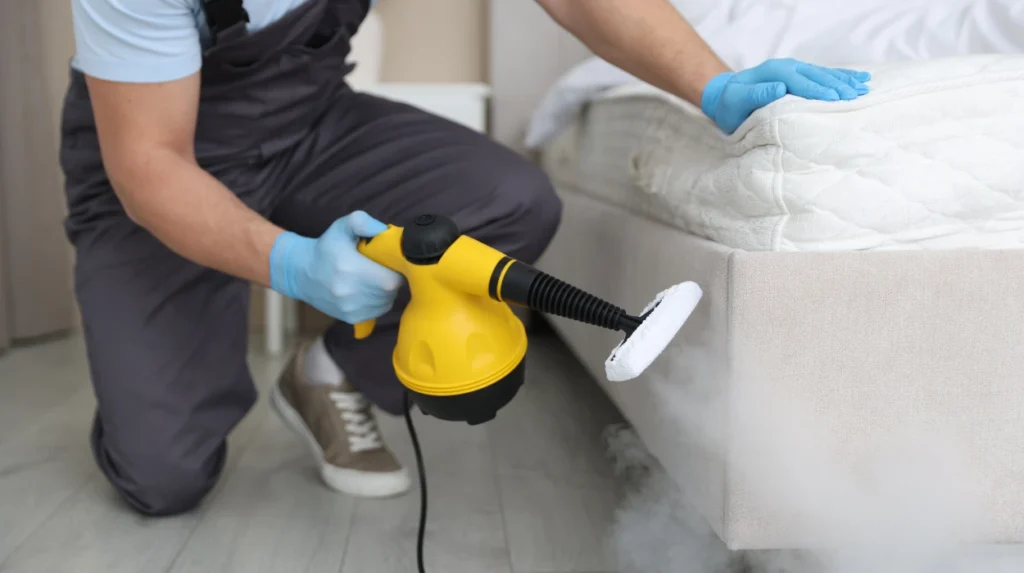
Steam cleaning is often touted as a DIY solution, but household steamers frequently lack the vacuum power necessary to pull the moisture back out of the dense padding. When steam is applied without high-grade extraction, the heat may kill surface bacteria, but the remaining dampness can create a breeding ground for fungi. Professional technicians utilize high-temperature vapor combined with high-performance suction to ensure the mattress is dry within a few hours. For those looking for the best deep extraction in Farnworth the difference lies in the equipment’s ability to reach the core of the mattress. Without this power, a DIY steam attempt might inadvertently cause more harm than good to the internal structure of the bed.
Utilizing enzymatic cleaners for biological matter
Biological stains, such as perspiration or blood, require specific enzymatic cleaners that can break down the protein chains responsible for the discoloration. These specialized solutions are more effective than standard soap because they chemically digest the organic matter rather than just moving it around the fibers. You can find these cleaners at most local hardware stores, and they should be applied sparingly to the affected area. After the enzymes have had time to work, the area should be blotted with a clean, damp cloth and then dried as quickly as possible using a fan. This targeted approach is the most effective way for a homeowner to manage difficult spots without resorting to harsh bleaching agents.
Preventative measures for long-term freshness
Environmental factors in the bedroom also play a significant role in how often a mattress needs a deep, thorough cleaning. Keeping humidity levels low and ensuring proper airflow around the bed frame can prevent the buildup of stagnant air and moisture. Using a high-quality mattress protector is perhaps the single most effective DIY strategy for extending the life of your bed. A protector acts as a barrier against skin cells, liquids, and allergens, keeping the internal components of the mattress pristine for much longer than an unprotected one. Even with a protector, periodic maintenance is necessary to address the microscopic particles that inevitably find their way through the seams and fabric layers over several years.
Comparing home methods with professional care
Long-term mattress health often requires a transition from basic home care to more advanced sanitation methods to ensure a healthy sleep environment. While DIY methods are excellent for weekly maintenance and minor spills, they cannot replicate the heat and pressure used by professional teams. Bee Cleaning Services Manchester offers specialized solutions that go beyond the surface to address the contaminants that DIY methods simply cannot reach. By combining regular home vacuuming and prompt spot cleaning with periodic professional intervention, homeowners can significantly extend the lifespan of their investment. Selecting reliable mattress cleaning services in Farnworth ensures that your sleeping surface is not only visually clean but also microscopically sanitized for better respiratory health and comfort.
Reliability and expertise are key when dealing with the complex textiles found in modern luxury mattresses, which often contain layers of specialized foam. These materials can be easily damaged by the wrong chemicals or excessive heat, making a professional assessment highly valuable before attempting heavy cleaning. Bee Cleaning Services Manchester provides the technical knowledge required to treat various fabric types without compromising the integrity of the mattress structure. Whether you are dealing with a memory foam topper or a traditional pocket-sprung mattress, professional care offers a level of safety and thoroughness that home kits lack. This balanced approach to mattress hygiene ensures a cleaner home and a more restful night of sleep for the entire family.
Can mattress cleaning help with allergies?
Professional mattress cleaning removes dust mites, pet dander, and pollen that trigger respiratory issues. In our article, The ultimate guide to DIY mattress cleaning: What actually works?, we highlight how deep extraction reduces allergens that simple surface vacuuming consistently misses.
What is most effective for sterilizing mattresses?
High-temperature steam combined with industrial-grade suction is the most effective sterilization method. This process kills bacteria and dust mites instantly. While DIY methods help, professional heat treatment ensures the mattress core is fully sanitized without leaving harmful moisture behind.
How to sanitize a mattress without washing it?
You can sanitize a mattress by sifting baking soda across the surface to neutralize odors and absorb moisture. For deeper hygiene, using a handheld UV-C light or an enzymatic spray can break down pathogens without saturating the delicate internal foam.
Can you spray Dettol on a mattress?
You can lightly mist a mattress with a disinfectant like Dettol, but over-saturation must be avoided. Excessive liquid can lead to internal mold growth. It is safer to use a fabric-specific disinfectant spray that dries quickly and leaves no residue.
How much do people charge to clean a mattress?
Professional mattress cleaning typically ranges from £30 to £80 depending on the bed size and treatment level. While DIY costs are lower, professional services provide industrial extraction that removes deep-seated contaminants, offering better long-term value for a healthy sleep environment.