

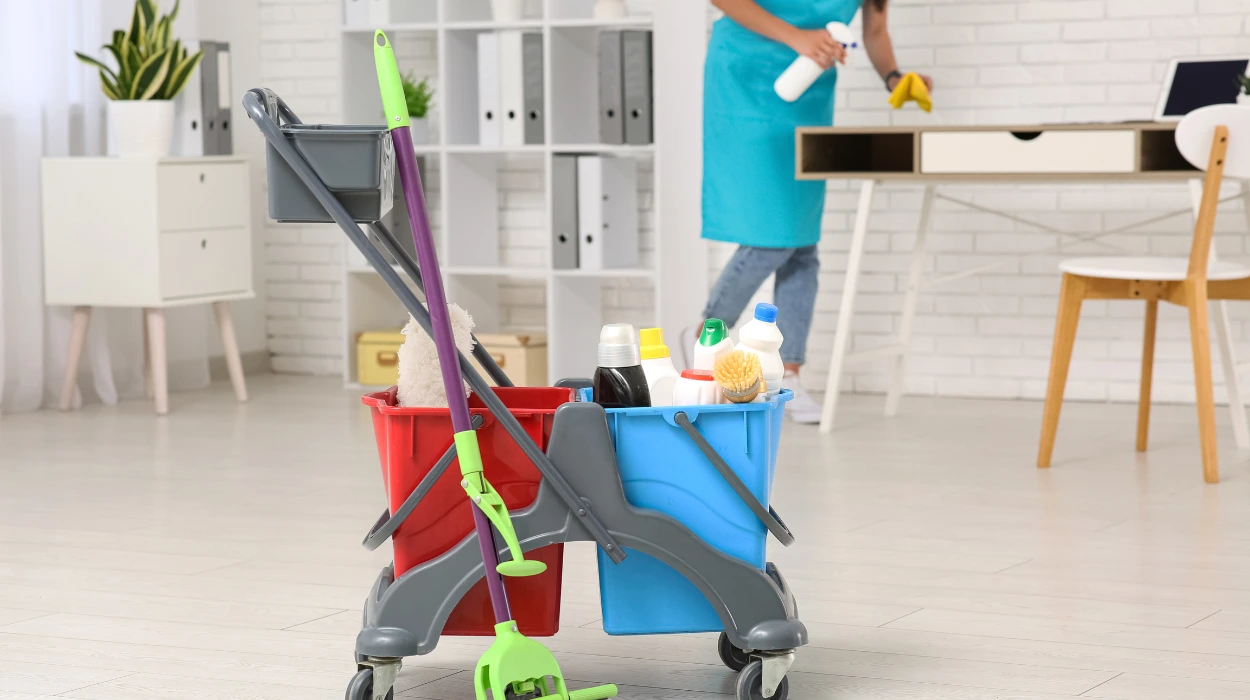
NDIS Cleaning Services in Farnworth play an important role in helping participants manage everyday living in a more structured and supportive way. A clean and organised home environment often contributes to improved mental clarity, better physical safety, and more consistent routines. These practical outcomes are closely connected to the broader goals of capacity building under the National Disability Insurance Scheme. Participants who receive regular household support may find it easier to focus on personal development and independent living skills.
Capacity building within the NDIS framework is designed to improve a participant’s ability to complete daily activities with greater confidence over time. Cleaning services can assist by reducing physical strain and creating environments that encourage participation in normal household tasks. In many cases, support workers work alongside participants to help maintain routines rather than simply completing tasks without involvement. This process can help strengthen practical living skills while maintaining dignity and comfort inside the home.
Bee Cleaning Services Manchester understands that every participant has different needs and daily living goals. Professional cleaning support should not only improve hygiene standards but also contribute to healthier and more manageable home environments. Consistency, communication, and respectful support are essential when delivering cleaning services connected to NDIS capacity building outcomes.
Why a Clean Home Environment Matters for Independent Living
A clean and well-maintained property can have a direct impact on a participant’s ability to live independently. Cluttered or unhygienic spaces may increase stress levels, limit movement, and create unnecessary safety risks inside the home. Regular cleaning support helps reduce these issues while making daily routines easier to manage. Participants often experience improved comfort and confidence when their environment feels organised and functional.
Many individuals supported through the NDIS face physical, sensory, or cognitive challenges that make household cleaning more difficult. Dust build-up, slippery floors, or inaccessible storage areas can become barriers to safe daily living. Professional cleaners who understand disability support requirements can adapt their approach to meet these needs in a practical and respectful manner. This allows participants to maintain safer living conditions without feeling overwhelmed by household maintenance.
Support services linked to independent living should always encourage participation where possible. Some participants may choose to complete smaller household tasks while receiving assistance with more physically demanding work. This collaborative approach can support skill development while ensuring the home remains hygienic and comfortable. For those looking for structured household assistance, professional home support for disability-friendly cleaning can help create a safer and more manageable environment.
The Role of Routine in Capacity Building Goals
Daily routines are often a key part of NDIS capacity building plans because they encourage structure, stability, and long-term independence. Cleaning support can contribute to these routines by helping participants maintain consistent schedules for household care and personal organisation. When tasks are completed regularly, participants may feel more in control of their living environment and daily responsibilities.
A predictable cleaning schedule can also reduce anxiety related to unfinished household tasks. Participants who struggle with fatigue, mobility limitations, or executive functioning challenges may find it difficult to maintain consistent cleaning habits independently. Professional support can help bridge these gaps while encouraging positive routines that support wellbeing and independence over time.
Routine-based support is not limited to surface cleaning alone. It may include organising household spaces, maintaining kitchens and bathrooms, managing waste removal, and ensuring high-contact areas remain hygienic. These ongoing activities contribute to a healthier living environment and support daily functionality inside the home. Capacity building is often most effective when small practical improvements are maintained consistently over long periods.
Supporting Health and Wellbeing Through Professional Cleaning
Health and wellbeing are closely connected to the condition of the home environment. Poor indoor hygiene can contribute to respiratory discomfort, stress, and reduced comfort levels for participants with existing health conditions. Regular cleaning support helps minimise dust, bacteria, and environmental hazards that may negatively affect daily living. Cleaner homes can also create more relaxing and emotionally supportive spaces.

For participants with mobility challenges or chronic health conditions, cleaning tasks may cause unnecessary physical strain. Lifting, bending, and repetitive movements can become difficult or unsafe without assistance. Professional cleaning teams can complete these tasks efficiently while reducing the risk of injury or fatigue for the participant. This allows individuals to focus more energy on personal goals, social participation, and skill development.
Bee Cleaning Services Manchester provides cleaning support that recognises the importance of maintaining hygienic and accessible living spaces. Professional services should align with participant needs while respecting privacy, communication preferences, and household routines. A structured and reliable cleaning process can contribute to both physical wellbeing and emotional comfort.
How Cleaning Services Encourage Daily Participation
NDIS support services are often most effective when they encourage active involvement instead of complete dependency. Cleaning assistance can be adapted to support different levels of participation depending on a participant’s abilities and personal goals. Some individuals may prefer to complete lighter household tasks independently while receiving support for heavier cleaning duties.
This shared approach helps participants remain connected to their household routines and maintain confidence in their daily abilities. It may also support the development of practical skills such as organisation, time management, and task planning. Over time, these small but meaningful activities can contribute to greater independence within the home environment.
Participants may also benefit from discussing preferred cleaning methods, scheduling routines, and household priorities with support workers. Open communication encourages collaboration and ensures the service aligns with personal capacity building objectives. Those researching service quality and support standards can also review important considerations for comparing disability cleaning providers before choosing a suitable cleaning arrangement.
Safety Considerations in NDIS Household Cleaning Support
Household safety is an important factor in NDIS capacity building because unsafe environments may reduce independence and increase daily risks. Wet floors, poor sanitation, cluttered pathways, and neglected kitchen areas can create hazards that affect both mobility and wellbeing. Regular cleaning support helps minimise these risks while supporting safer movement throughout the home.
Professional cleaning services should also consider accessibility needs during each visit. Furniture placement, mobility equipment access, and sensory sensitivities may all influence how cleaning tasks are completed. A participant-centred approach ensures the cleaning process remains practical, respectful, and supportive rather than disruptive.
Safe cleaning practices are equally important for participants with allergies, respiratory conditions, or chemical sensitivities. Using appropriate products and maintaining proper ventilation can help reduce discomfort during and after the cleaning process. Providers who understand disability support requirements are generally better equipped to adapt their methods to individual participant needs.
Building Confidence Through Consistent Household Support
Confidence often grows when participants feel capable of managing their living environment with appropriate support. Household cleaning assistance can reduce feelings of stress and frustration that sometimes develop when daily tasks become physically or emotionally difficult. A cleaner environment may also encourage greater participation in social activities, hobbies, and home-based routines.
Consistent support can help participants establish realistic expectations around household maintenance without feeling pressured to manage everything independently. This balance is important because capacity building is not always about completing every task alone. In many cases, it involves learning how to use available supports effectively while maintaining personal choice and control.
Professional cleaning services should focus on reliability, communication, and respectful interaction with participants. These qualities can help create trust and improve overall service experiences over time. When participants feel comfortable with their support arrangements, they are often more willing to engage actively in household routines and personal development goals.
The Importance of Flexible Cleaning Support Plans
NDIS participants often have changing support needs depending on health conditions, mobility levels, or daily schedules. Flexible cleaning services allow support plans to adapt without creating unnecessary stress for participants or their families. Some individuals may require weekly cleaning assistance, while others benefit from targeted support during more challenging periods.
Flexibility also allows cleaning tasks to be prioritised according to immediate household needs. Kitchens, bathrooms, laundry areas, and shared living spaces may require more frequent attention depending on the participant’s circumstances. A personalised approach ensures support remains practical and relevant rather than following a rigid checklist that ignores individual needs.
Communication between participants, coordinators, and cleaning providers is essential when adjusting support arrangements. Clear planning helps ensure cleaning services continue supporting broader NDIS capacity building outcomes. Participants who require tailored assistance can also explore local availability for trusted NDIS household cleaning support when planning ongoing services.
Creating a More Manageable Living Environment
An organised and hygienic home environment can improve day-to-day functionality in many practical ways. Clear pathways, sanitised surfaces, and properly maintained living spaces may reduce distractions and make routine activities easier to complete. Participants often find it easier to manage cooking, personal care, and relaxation when household spaces remain clean and organised.

Cleaning support can also help reduce the emotional burden associated with unfinished household tasks. For some participants, clutter and disorganisation may contribute to anxiety or reduced motivation. Professional assistance provides practical relief while supporting a calmer and more manageable home environment. These outcomes can positively influence both mental wellbeing and daily confidence.
Long-term capacity building is often supported by small consistent improvements rather than major short-term changes. Reliable cleaning assistance contributes to this process by helping maintain stable living conditions over time. A well-maintained home environment can support healthier routines, improved safety, and greater comfort for participants and their families.
How Professional Cleaning Aligns with NDIS Goals
The NDIS framework focuses on improving participant independence, community involvement, and quality of life. Cleaning services support these goals by helping individuals maintain healthier living conditions and more stable daily routines. Practical household support can reduce barriers that limit participation in normal activities and personal development.
Professional cleaners working within disability support environments should understand the importance of respectful communication and participant choice. Services should adapt to individual preferences rather than applying the same process to every household. This personalised approach supports participant autonomy while maintaining effective household hygiene standards.
Bee Cleaning Services Manchester recognises that quality cleaning support involves more than completing household chores. Effective services contribute to safer homes, healthier living environments, and improved day-to-day functionality for participants. Ndis Cleaning Services in Farnworth can therefore play a meaningful role in helping individuals work toward practical and sustainable capacity building goals.
NDIS cleaning support contributes to much more than household appearance alone. Clean and organised living spaces can support safer movement, healthier routines, improved wellbeing, and greater confidence in daily life. These outcomes are closely connected to capacity building goals that encourage long-term independence and personal development.
Professional household support should always focus on practical assistance, respectful communication, and participant-centred routines. Bee Cleaning Services Manchester provides professional cleaning solutions designed to support healthier and more manageable living environments while recognising the importance of independence and daily participation for NDIS participants.
Can NDIS cleaning services help with independent living goals?
Yes, NDIS cleaning services can support independent living by helping participants maintain a safe and organised home environment. Regular household support may also reduce stress and improve daily routines. Many participants use cleaning assistance as part of their broader capacity building goals under the NDIS.
What tasks are usually included in NDIS cleaning services in Farnworth?
Most NDIS cleaning services include vacuuming, mopping, bathroom cleaning, kitchen sanitising, dusting, and waste removal. Some providers may also assist with laundry or basic household organisation depending on the participant’s support plan. Services are usually tailored to individual needs and living conditions.
Are NDIS cleaning services covered under capacity building supports?
NDIS cleaning services may be funded under different support categories depending on the participant’s plan and goals. In some situations, cleaning support contributes to improved daily living skills and safer home management. Participants should discuss their funding category with their support coordinator or plan manager.
How often should an NDIS participant book cleaning support?
The frequency depends on the participant’s mobility, health condition, and household requirements. Some people need weekly support while others may only require fortnightly or occasional cleaning assistance. A flexible schedule is often the best approach for maintaining a comfortable and manageable living environment.