

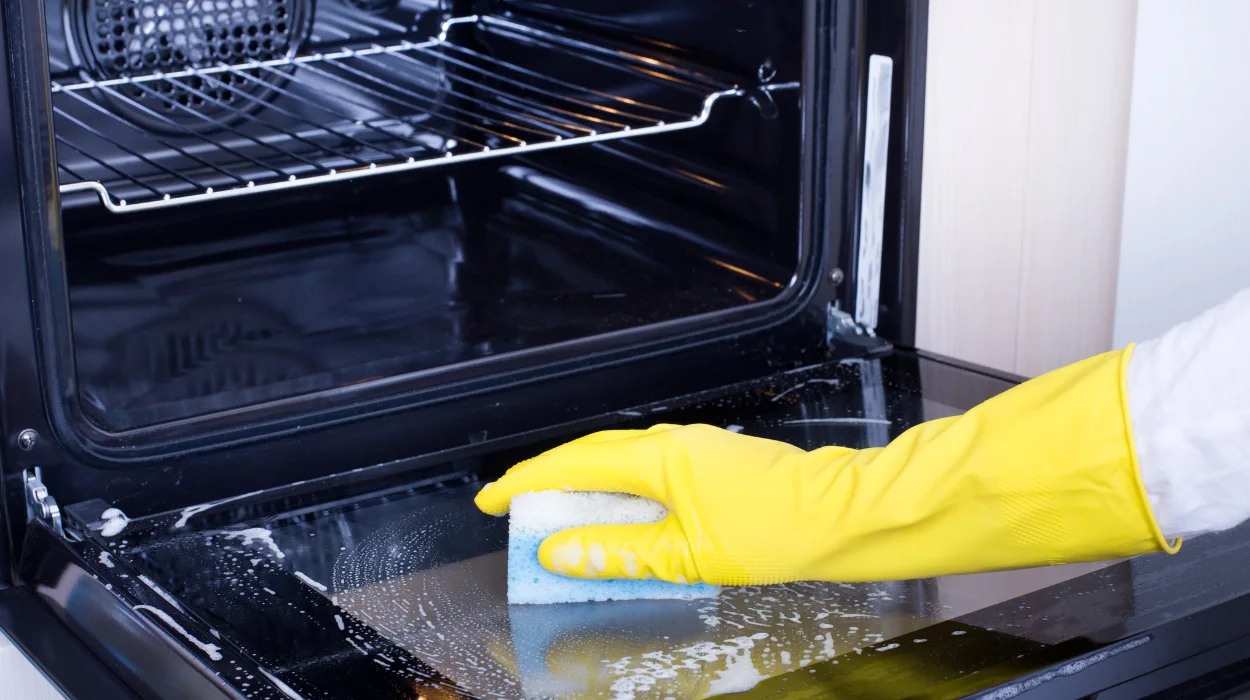
Professional hob and extractor fan cleaning removes the layers of hardened grease, carbon residue, and food deposits that routine wiping cannot address. For households relying on Oven Cleaning Services in Farnworth, keeping these two appliances properly maintained is one of the most direct ways to protect kitchen hygiene and preserve appliance performance over time.
What Most Homeowners Miss When Cleaning Their Hob
Many homeowners wipe the visible surface of their hob on a regular basis but rarely address the components that matter most to long-term performance and safety. The burner caps, jet nozzles, cast iron pan supports, and the recessed areas beneath control knobs are where grease accumulates fastest during everyday cooking. Over weeks and months, this grease hardens into a carbon layer that disrupts heat distribution, causes uneven cooking results, and begins to emit odour when the hob is switched on.
For ceramic and induction hobs, baked-on food particles bond to the glass surface at a chemical level that ordinary spray cleaners are not formulated to break down. A professional clean involves dismantling removable components, soaking them in degreasant solutions appropriate for the material, and restoring them without scratching or warping the surface. This structured approach ensures the appliance functions correctly and presents a clean, well-maintained appearance throughout the kitchen rather than simply appearing wiped over.
The Role of the Extractor Fan in Kitchen Hygiene
The extractor fan is among the most overlooked appliances in a domestic kitchen, yet it works harder than almost any other surface item during and after every cooking session. Grease-laden steam rises from the hob and coats the filters, fan blades, and internal housing of the extractor unit each time food is prepared at high heat. Without regular professional attention, these filters become so saturated that they can no longer trap airborne grease effectively, and it begins to settle on nearby walls, cabinet doors, and ceiling surfaces instead.
In recirculating extractor models, the carbon filter degrades significantly faster when the outer grease filter is neglected, which accelerates the cost of eventual component replacement. A professional extractor fan clean involves removing and degreasing the filters, cleaning the fan blades, wiping down the internal housing, and confirming that airflow is fully unobstructed. This process restores the unit to near-original performance, reduces persistent cooking odours, and prevents the grease migration that affects the broader kitchen environment.
How Grease Accumulation Affects the Entire Kitchen
Grease is not a static substance once it settles inside a kitchen appliance or on the surfaces surrounding it. It oxidises over time, developing a dense and sticky texture that traps dust, food particles, and bacteria within a single layer that grows progressively harder to shift through domestic cleaning methods alone. In a kitchen where the hob and extractor fan are not cleaned professionally, this grease migrates outward to worktops, splashbacks, and cabinet fronts, creating a cycle of contamination that daily wiping cannot interrupt at the source.
Understanding the difference between a standard surface wipedown and a full deep dipping treatment is important for any homeowner making informed decisions about kitchen appliance maintenance. Professional cleaning at appropriate intervals breaks this cycle by removing the source material before it spreads to the wider kitchen environment. Bee Cleaning Services Manchester treats each kitchen as a connected system, addressing the hob, extractor fan, and oven together rather than in isolation from one another.
What a Professional Hob and Extractor Fan Clean Involves
A professional clean carried out by a trained technician follows a structured process that prioritises appliance safety alongside a thorough result. For gas hobs, burner heads and caps are removed and placed in a degreasing solution appropriate for cast iron or enamel depending on the material, while the hob body is treated with a commercial-grade cleaner that does not damage seals, gaskets, or control mechanisms. Ceramic and induction hobs require a different approach, using specialist blade scrapers and non-abrasive creams that lift baked residue without scratching the glass surface underneath.
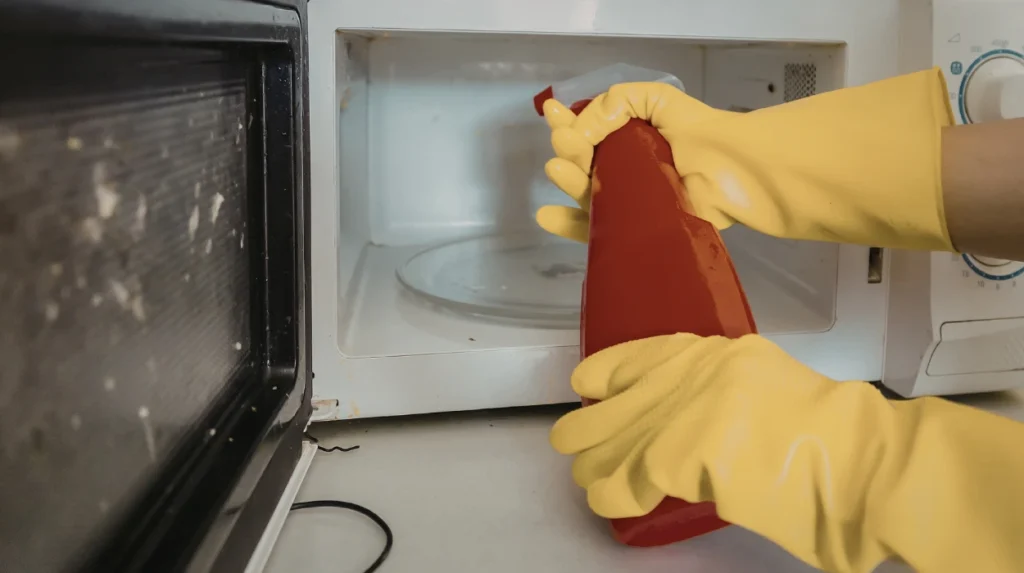
For the extractor fan, the process begins by removing the grease filters and placing them in a hot degreasing bath, followed by accessing the fan motor housing to remove accumulated grease from the blades themselves. The external casing, light covers, and control panel are then cleaned separately to avoid cross-contamination with the degreasants used internally on filter components. The full process typically takes between forty-five minutes and ninety minutes depending on the level of build-up present and the complexity of the specific appliance design.
Why Farnworth Households Benefit From Scheduled Professional Cleaning
Farnworth is a residential area with a high proportion of family homes where kitchens are used intensively on a daily basis, making grease accumulation a more pressing concern than in properties occupied by single residents. The combination of frequent cooking, compact kitchen spaces, and the older appliance stock common across many properties in the area means that grease reaches critical build-up levels faster than most homeowners anticipate. Waiting until a hob or extractor fan visibly deteriorates before booking a professional service typically means the technician faces a significantly harder task, and the appliance has already sustained some level of performance loss before any intervention takes place. Households that already use professional oven and appliance cleaning in Farnworth through a scheduled service will find that Oven Cleaning Services in Farnworth covering the hob and extractor fan as part of the same visit is both a practical and cost-effective approach. Booking a combined kitchen appliance clean every three to six months, depending on cooking frequency, is the recommended interval for maintaining hygiene standards and extending appliance lifespan. This joined-up approach to kitchen maintenance reflects how professional cleaning services are now structured to deliver lasting results for domestic customers.
Recognising When Your Hob or Extractor Fan Needs Professional Attention
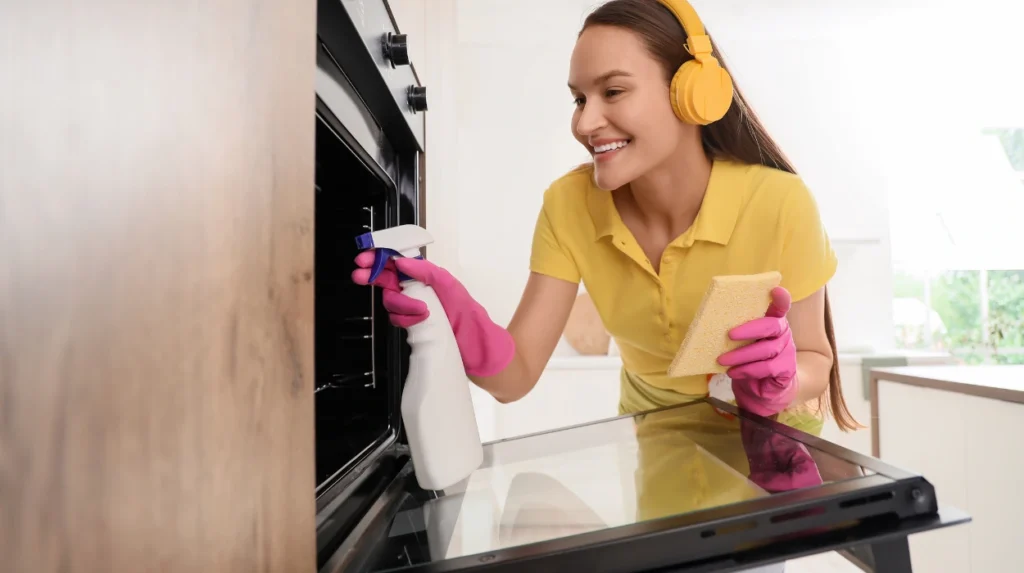
There are several clear indicators that a hob or extractor fan has moved beyond the point where domestic products will produce a satisfactory result. A persistent cooking smell that lingers in the kitchen for hours after food preparation has ended is one of the strongest signs that the extractor filter is saturated and no longer functioning at full capacity. On the hob, visible carbon deposits around burner heads, discolouration that does not respond to spray cleaners, and grease pooling beneath pan supports all point to a build-up level that requires professional treatment to address correctly.
For induction and ceramic hobs, fine surface scratches caused by attempting to scrape hardened residue with unsuitable tools indicate that the glass has already been compromised and will be more difficult to maintain going forward. Booking a professional assessment at this stage, rather than continuing with increasingly aggressive domestic cleaning attempts, prevents further surface damage and ensures the appliance is restored using the appropriate method for its material. For homeowners looking to maintain appliances properly between professional visits, understanding how to safely remove and clean oven door glass panels provides a useful framework for identifying what can be handled at home and what requires specialist attention.
The Connection Between Hob Cleaning and Oven Performance
The hob and the oven are separate appliances, but in most domestic kitchens they share a common surface and their maintenance directly affects each other in practical ways. Grease that drips from pans on the hob runs down the front face of a range cooker or slides along the connecting trim, entering the oven cavity through gaps in the door seal or around the frame over time. This cross-contamination means that an oven cleaned in isolation, without the hob being addressed at the same time, will accumulate grease more quickly in the weeks that follow the initial clean.
Residue also travels in the opposite direction, with splashing from inside the oven cavity depositing food particles on the underside of the hob surface and around the control knobs at the base of the unit. Professional kitchen cleaning addresses this relationship by treating both appliances in sequence, ensuring that cleaning one does not create fresh contamination on the other. This is one of the primary practical reasons why Oven Cleaning Services in Farnworth that cover the full appliance range consistently deliver better long-term results than addressing each item individually at separate times.
Hob and extractor fan cleaning is a specialist task that requires the right products, equipment, and knowledge of appliance materials to achieve a result that is thorough and safe for the surfaces involved. The grease, carbon, and residue that accumulate in these areas directly affect how a kitchen performs, how it smells, and how quickly surrounding surfaces become contaminated in return. For Farnworth residents who cook regularly, scheduling professional cleaning at appropriate intervals is a straightforward and effective way to maintain both hygiene standards and appliance longevity. Bee Cleaning Services Manchester offers professional hob and extractor fan cleaning as part of its complete range of kitchen appliance services, bringing consistent expertise and care to every clean regardless of appliance type or the level of build-up present.
FAQs About Oven Cleaning Services in Farnworth Essential for Hob and Extractor Fan Maintenance
How often should I get my hob and extractor fan professionally cleaned?
Most households that cook daily should book a professional hob and extractor fan clean every three to six months. If you fry food regularly or use high heat frequently, grease builds up faster and a three-month interval is more appropriate. Leaving it longer than six months often means the technician faces hardened carbon deposits that take significantly more time to remove. Scheduling it alongside your oven clean is the most practical way to stay consistent.
Is it worth paying for professional extractor fan cleaning or can I just replace the filters?
Replacing the grease filter alone does not address the grease that has already built up on the fan blades and inside the motor housing. Over time, that internal grease reduces airflow, increases fire risk, and causes the new filter to saturate much faster than it should. A professional clean removes the root build-up so the replacement filter actually performs as intended. It is a more cost-effective solution than repeatedly replacing filters on a unit that has never been properly cleaned inside.
Why does my kitchen still smell after I clean the hob and extractor fan myself?
The persistent smell usually means grease has settled deep inside the extractor housing, on the fan blades, or beneath the hob burner heads where domestic sprays cannot reach effectively. Surface wiping removes visible residue but leaves behind the oxidised grease layers that produce odour when heat is applied. A professional clean accesses these internal areas using degreasant solutions strong enough to break down baked-on residue at a chemical level. Once those layers are removed, the smell typically disappears within the first few cooking sessions.
Can a dirty extractor fan cause a fire risk in my kitchen?
Yes, a heavily saturated extractor fan is considered a genuine fire hazard because grease is a flammable material. When the filter is fully blocked and grease coats the fan blades and internal housing, any spark or excessive heat from the hob below can ignite it. Insurance policies can also be affected if a fire investigation finds that appliances were not maintained to a reasonable standard. Regular professional cleaning is the most reliable way to keep the risk at a manageable level.
What is the difference between cleaning a gas hob and an induction hob professionally?
Gas hobs require the technician to remove and soak burner caps, heads, and pan supports in degreasant solutions before cleaning the hob body separately. Induction and ceramic hobs have a flat glass surface that needs specialist blade scrapers and non-abrasive cream cleaners to lift residue without causing scratches. Using the wrong tools or products on either type can cause permanent surface damage that affects both appearance and function. A professional technician selects the correct method based on the hob material before beginning any part of the clean.