

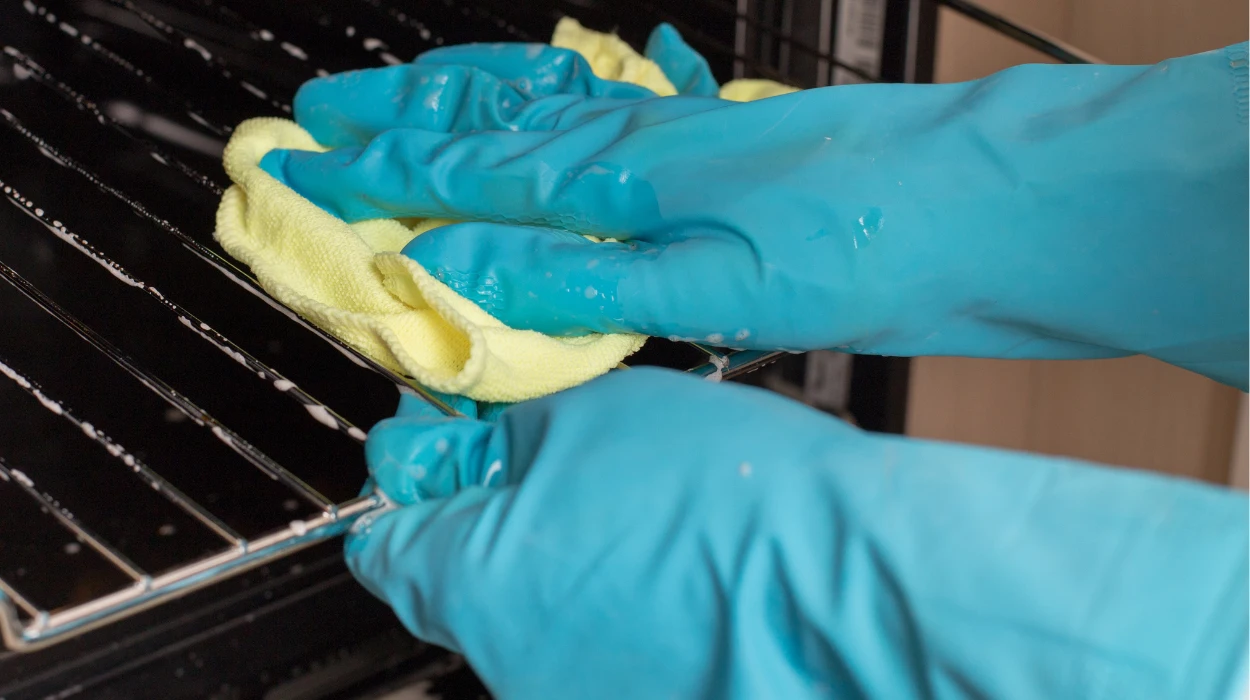
Oven Cleaning Services in Farnworth help remove stubborn grease, carbon buildup, and stains trapped between oven door glass panels using safe and professional cleaning methods. Proper oven glass cleaning improves kitchen hygiene, visibility, and appliance performance without damaging seals or tempered glass.
Dirty oven door panels are a common issue in busy kitchens where grease vapours and cooking residue build up over time. Many homeowners clean only the outer glass surface, but internal contamination between the glass layers often remains hidden and continues to worsen with regular oven use.
Why Oven Door Glass Panels Collect Grease and Residue
Modern ovens are designed with multiple glass layers to improve insulation and reduce external heat transfer. Small ventilation gaps allow airflow around the door structure, but these openings also allow grease particles and cooking vapours to enter between the glass panels. Over time, residue hardens due to repeated exposure to high temperatures.
This buildup is especially common in households where ovens are frequently used for roasting, grilling, or baking. Oils, sauces, and food splashes create vapour that settles inside the panel structure during cooking cycles. Once carbon deposits form, ordinary surface wiping becomes ineffective because the contamination is trapped internally rather than on the exposed surface.
Many homeowners notice cloudy patches or dark streaks inside the oven glass but hesitate to dismantle the door because of concerns about cracking the glass or damaging the fittings. Professional oven cleaning specialists often use model-specific dismantling methods that allow safe access to the internal glass panels without causing structural damage.
Understanding the Structure of Oven Door Glass
Most oven doors contain two or three layers of tempered safety glass secured with brackets, screws, or retaining clips. The outer layer protects users from heat, while the internal panels withstand high cooking temperatures. These layers are separated by narrow spaces where grease and moisture can accumulate gradually.
Different oven manufacturers use different fixing systems. Some doors allow the top trim to slide away for easy panel removal, while others require the entire door to be detached before the internal glass can be accessed. Understanding the design is important because forcing the wrong section can crack the glass or damage the hinges.
Heat-resistant seals and spacers also play an important role in maintaining oven efficiency. Incorrect reassembly after cleaning may lead to heat loss, loose glass movement, or rattling sounds during operation. This is one reason many property owners prefer professional support when dealing with heavily contaminated oven doors.
Safe Preparation Before Removing Oven Glass Panels
The oven should always be switched off completely and allowed to cool before any cleaning work begins. Attempting to dismantle warm glass panels increases the risk of burns and thermal stress cracks. Proper preparation also makes the cleaning process safer and more organised.
Soft towels or protective cloths should be placed on nearby surfaces to protect the glass during removal. Small containers are useful for storing screws and clips safely while the door is dismantled. Using the correct tools helps reduce accidental damage during handling and reassembly.
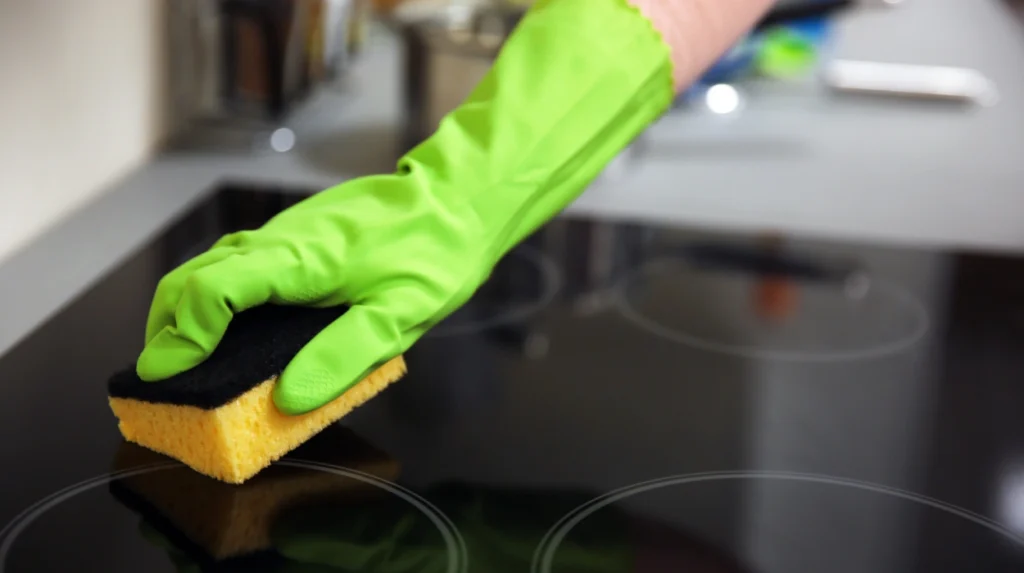
Microfiber cloths are usually preferred because they clean effectively without scratching the glass surface. Non-abrasive degreasers are safer than harsh industrial chemicals, especially around seals and coated surfaces. Many technicians working in Oven Cleaning Services in Farnworth use specialised cleaning products designed specifically for domestic cooking appliances.
How to Remove Oven Door Glass Panels Properly
The first step is usually opening the oven door fully and locating the hinge locks or retaining catches. Some oven doors can be lifted away completely after releasing the hinge clips, while others allow the glass to be removed while the door remains attached. Manufacturer guidance should always be checked before dismantling begins.
Once the fixing points are identified, screws or retaining brackets should be removed carefully without applying excessive pressure. The top trim is often detached first, allowing the inner glass panel to slide outward gently. Sudden force should never be used because tempered glass edges are highly vulnerable to cracking.
After removal, the panels should be laid flat on a soft padded surface. Cleaning products can then be applied evenly across the glass while avoiding oversaturation near metal fittings or seals. Stubborn grease may require several applications before the residue loosens completely.
Some people attempt to clean between the panels using flexible tools pushed through the ventilation slots, but this rarely removes hardened grease effectively. Full panel removal generally produces much better cleaning results and improves long-term visibility through the oven door.
The Difference Between Basic Wiping and Deep Oven Cleaning
Surface wiping removes visible marks from the outside glass but does not address contamination trapped between the internal layers. As grease accumulates internally, it gradually hardens into dark carbon deposits that standard kitchen cleaning products struggle to dissolve.
Deep oven cleaning involves dismantling the appliance components and treating each panel individually using degreasing solutions and safe cleaning techniques. This process removes hidden residue while also allowing inspection of hinges, seals, vents, and retaining brackets for wear or damage.
Homeowners interested in understanding the cleaning process in more detail often benefit from reading about professional deep cleaning methods for ovens and appliances. Understanding the difference between surface cleaning and intensive maintenance helps prevent long-term appliance deterioration.
Common Mistakes During DIY Oven Glass Cleaning
One common mistake is using abrasive metal scourers or razor blades directly against the glass. These tools can create permanent scratches and weaken protective coatings. Harsh chemical cleaners may also damage seals or leave behind strong residues that produce unpleasant odours when the oven heats again.
Another issue occurs when the glass panels are not dried fully before reassembly. Moisture trapped between the layers may create condensation marks or cloudy streaks once the oven is used again. Incorrect screw tightening can also place uneven pressure on the glass and increase the risk of cracks developing later.
Homeowners sometimes dismantle unfamiliar oven models without checking the fixing system first. This can lead to broken clips, loose hinges, or alignment problems after reassembly. Professional oven cleaners usually follow appliance-specific procedures to reduce these risks during maintenance.
Why Professional Oven Cleaning Is Often More Effective
Professional oven cleaning services typically involve far more than removing visible grease from the door glass. Technicians often clean racks, trays, extractor components, fan covers, and internal cooking chambers during the same visit. This creates a more complete standard of kitchen appliance hygiene.
Specialist cleaning products used by professionals are designed to dissolve carbon buildup without damaging delicate surfaces. Many companies also use non-caustic cleaning methods that reduce strong chemical smells inside the kitchen. This is especially useful for households with frequent cooking routines.
Older ovens or heavily contaminated appliances may require advanced dismantling methods that are difficult for homeowners to perform safely. In these situations, trained professionals can often restore visibility and cleanliness more effectively while reducing the likelihood of accidental damage.
Maintaining Oven Glass After Deep Cleaning
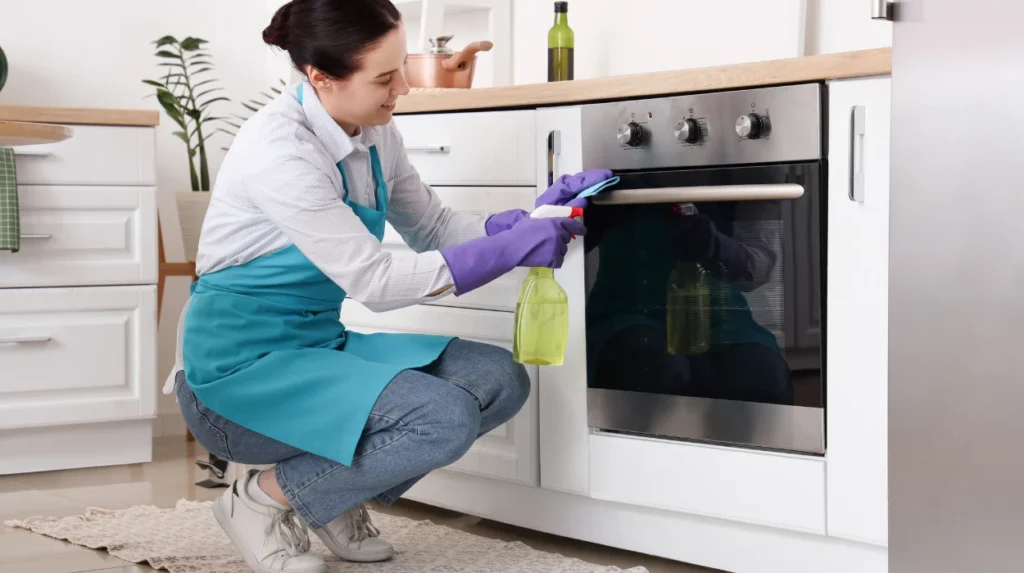
Regular maintenance helps prevent severe grease buildup from returning quickly. Wiping spills immediately after cooking reduces the chance of oils hardening during future heating cycles. Oven liners and roasting trays may also help reduce splatter reaching the door vents.
Monthly inspections of the oven door edges and ventilation slots can identify early grease accumulation before it spreads between the glass layers. Consistent cleaning routines are especially important in kitchens where ovens are used daily for baking or roasting.
Property owners looking for more complete appliance maintenance often combine oven cleaning with <a href=”https://beecleaningmanchester.co.uk/professional-hob-and-extractor-fan-cleaning-farnworth/”>professional hob and extractor fan cleaning services in Farnworth</a>. Cleaning surrounding kitchen appliances together can help reduce airborne grease and improve overall kitchen hygiene standards.
Choosing the Right Cleaning Support
Selecting experienced cleaning professionals is important when dealing with oven glass dismantling and internal contamination. Reputable companies usually understand the structural differences between oven brands and use methods suited to specific appliance types.
Cleaning services should prioritise non-abrasive techniques, proper panel handling, and careful reassembly to maintain appliance safety. Professional equipment and specialist degreasers often achieve better results than general-purpose household cleaners, especially when dealing with carbonised grease.
Bee Cleaning Services Manchester provides structured cleaning support designed for domestic ovens, hobs, and extractor systems. Professional maintenance helps improve appliance cleanliness while reducing the long-term buildup of grease and cooking residue inside oven door panels.
Oven door glass panels collect grease and carbon residue gradually through regular cooking use, especially in busy kitchens where roasting and grilling are common. While surface wiping improves appearance temporarily, deeper contamination between the glass layers often requires careful dismantling and specialist cleaning methods for proper removal.
Understanding how oven doors are constructed helps reduce the risk of scratches, damaged seals, or cracked glass during cleaning. Bee Cleaning Services Manchester provides professional cleaning solutions, including Oven Cleaning Services in Farnworth, helping households maintain cleaner ovens, improved visibility, and more hygienic kitchen environments through safe and detailed appliance care.
FAQs About Oven Cleaning Services in Farnworth Help Remove and Clean Oven Door Glass Panels
How do I clean grease between oven door glass panels?
Grease usually enters through the small ventilation gaps around the oven door and becomes trapped between the glass layers. Cleaning it properly often requires removing the inner panel carefully and using a non-abrasive degreaser with a microfiber cloth. Avoid forcing tools into narrow gaps because this can scratch the glass or damage seals.
Can I remove oven door glass myself without breaking it?
Yes, many oven doors are designed for removable glass panels, but the process depends on the oven model. Always switch the appliance off, allow it to cool fully, and follow the manufacturer’s instructions before removing clips or screws. Applying pressure incorrectly near the edges is one of the main causes of cracked oven glass.
Why does my oven glass still look dirty after cleaning?
In many cases, the dirt is trapped inside the multiple glass layers rather than on the outer surface. Standard wiping only removes visible marks from the exterior. Deep cleaning or professional Oven Cleaning Services in Farnworth may be needed when grease and carbon deposits have built up internally over time.
What is the safest cleaner for oven door glass panels?
Non-abrasive oven cleaners, bicarbonate of soda paste, and vinegar-based solutions are commonly used because they help dissolve grease without scratching tempered glass. Avoid steel wool, harsh scrapers, or strong bleach products because they may damage protective coatings and rubber seals around the panels.
How often should oven door glass be deep cleaned?
For households that cook frequently, deep cleaning every three to six months is usually recommended. Regular maintenance prevents grease from hardening into thick carbon stains between the panels. Professional oven cleaning can also help maintain better visibility, reduce odours, and improve overall kitchen hygiene.