

BS EN 1276 certified disinfectants help businesses achieve effective bacterial control when they are used correctly, with the right dilution rate and contact time. For Oldham businesses, these products form an important part of a wider hygiene strategy that includes cleaning equipment, staff training, and documented cleaning procedures.
Businesses that prioritise hygiene standards can reduce contamination risks, support employee wellbeing, and create cleaner environments for customers, visitors, and staff. Understanding how BS EN 1276 certified products work is essential for making informed cleaning decisions.
BS EN 1276 Certification
BS EN 1276 is a recognised European testing standard used to assess the bactericidal effectiveness of disinfectants. Products meeting this standard have demonstrated the ability to significantly reduce harmful bacteria under controlled laboratory conditions when used according to the manufacturer’s instructions.
For business owners in Oldham, this certification provides confidence that a disinfectant has been independently tested against recognised performance criteria. However, certification alone does not guarantee results. The product must be applied using the correct dilution ratio, contact time, and cleaning procedure to achieve the expected level of disinfection.
Many workplaces assume that spraying a disinfectant automatically removes contamination risks. In reality, proper cleaning and disinfection involve several stages. Dirt, grease, and organic matter can reduce disinfectant effectiveness, making pre-cleaning an essential part of the process.
Why Hygiene Standards Matter for Modern Businesses
Every commercial property experiences daily contact with people, equipment, and shared surfaces. Door handles, desks, reception counters, kitchen areas, washrooms, and meeting rooms can all become points of contamination if hygiene measures are inconsistent. Maintaining high cleaning standards helps reduce the spread of harmful bacteria and supports a healthier workplace environment.
Customers increasingly expect businesses to demonstrate visible cleanliness. Whether operating an office, retail premises, educational facility, healthcare environment, or hospitality venue, maintaining hygiene standards contributes to reputation management and operational confidence. Businesses that invest in structured cleaning programmes often find it easier to maintain compliance and consistency across their premises.
Effective hygiene management also protects valuable assets. Regular cleaning prevents dirt accumulation, preserves furnishings, and extends the lifespan of equipment. This creates long-term operational benefits while supporting a cleaner and safer environment for everyone who enters the premises.
The Role of Cleaning Equipment in Effective Disinfection
Even the best disinfectant cannot perform properly if unsuitable cleaning equipment is used. Cleaning equipment plays a critical role in ensuring surfaces are prepared correctly before disinfectants are applied. Mops, cloths, scrubbers, vacuum systems, and specialist sanitation tools all contribute to overall hygiene outcomes.
Businesses should select cleaning equipment based on the type of environment being maintained. High-traffic commercial areas may require microfibre systems designed to capture dirt efficiently, while specialist environments may need colour-coded equipment to minimise cross-contamination risks. Consistency in equipment management is just as important as chemical selection.
Proper maintenance of cleaning equipment is equally important. Dirty cloths, contaminated mop heads, and poorly maintained tools can spread bacteria rather than remove it. Staff should understand cleaning schedules for equipment as well as cleaning schedules for premises. This helps ensure that every stage of the hygiene process remains effective and reliable.
How BS EN 1276 Products Should Be Used
Many businesses focus on the product itself without considering how it should be applied. Most disinfectants require a specific contact time to achieve the certified performance level. Removing the product too quickly can reduce its effectiveness and limit bacterial reduction.
Dilution rates are equally important. Concentrated disinfectants often need to be mixed with water before use. Too much dilution may weaken performance, while insufficient dilution can create safety concerns and unnecessary chemical usage. Following manufacturer instructions ensures that the product performs as intended.
Businesses should also maintain records of the products they use, including dilution guidance and contact times. Documented procedures help create consistency across teams and support compliance efforts during audits or inspections.
Where BS EN 1276 Certified Disinfectants Are Commonly Used
BS EN 1276 certified disinfectants are widely used across many sectors. Offices use them to sanitise workstations, shared equipment, kitchens, and washrooms. Retail businesses rely on them to maintain customer-facing environments and frequently touched surfaces.
Educational settings often implement structured cleaning programmes to support hygiene throughout classrooms, communal spaces, and facilities. Healthcare-adjacent environments may also incorporate certified disinfectants as part of broader infection prevention protocols.
Industrial facilities, warehouses, and manufacturing environments benefit from routine disinfection programmes that support workplace cleanliness and operational efficiency. Regardless of industry, businesses that implement clear hygiene procedures generally achieve more consistent cleaning outcomes.
Antiviral Sanitisation Services in Oldham
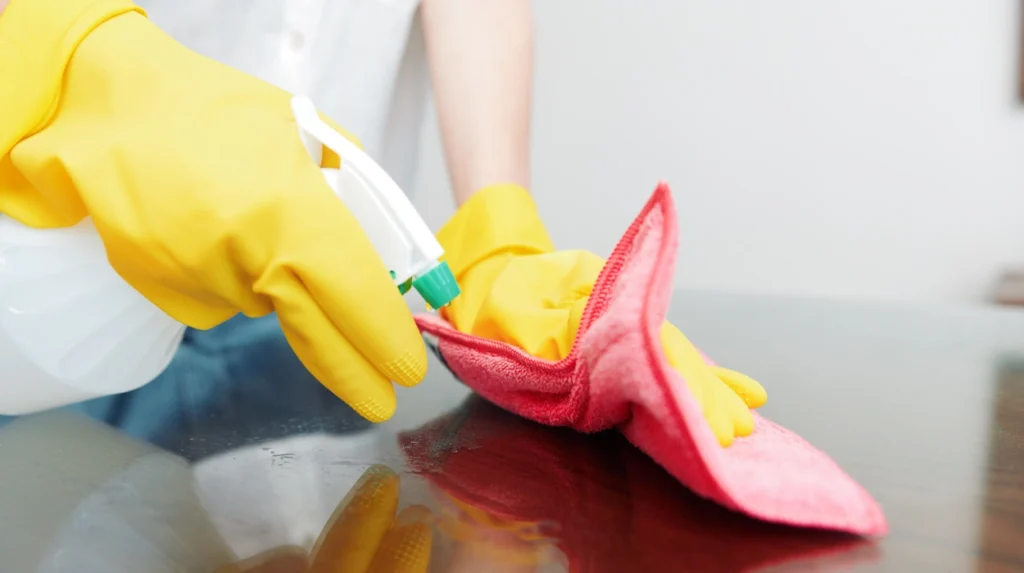
While BS EN 1276 focuses primarily on bactericidal performance, many businesses require broader hygiene solutions that address overall contamination risks. This is where professional Antiviral Sanitisation Services in Oldham can play an important role in supporting workplace hygiene strategies.
Bee Cleaning Services Manchester provides Antiviral Sanitisation Services in Oldham designed to complement routine cleaning programmes. Professional sanitisation services can help businesses target high-contact areas, improve hygiene consistency, and support cleaner working environments.
Many organisations combine routine cleaning with scheduled sanitisation programmes to create a layered hygiene approach. This allows businesses to address both daily cleanliness requirements and enhanced hygiene objectives without disrupting operations.
For businesses exploring broader workplace hygiene strategies, understanding the value of commercial cleaning programmes can provide additional insight through professional workplace hygiene guidance.
Common Mistakes Businesses Make
One common mistake is assuming that visible cleanliness automatically means effective disinfection. Surfaces may appear clean while still requiring proper disinfection procedures. Effective hygiene depends on both cleaning and disinfecting stages working together.
Another frequent issue involves inconsistent staff training. Employees responsible for cleaning should understand chemical handling, dilution requirements, contact times, and equipment usage. Without proper training, even high-quality products may fail to deliver expected results.
Businesses also sometimes overlook high-touch areas. Light switches, keyboards, door handles, handrails, and shared equipment can easily become contamination points if they are excluded from cleaning schedules. Comprehensive hygiene programmes ensure these areas receive appropriate attention.
Developing a Practical Workplace Hygiene Strategy
A successful hygiene strategy starts with risk assessment. Businesses should identify which areas receive the highest levels of traffic and determine which surfaces require the most frequent attention. This helps allocate resources efficiently while maintaining hygiene standards.
The next step involves selecting suitable cleaning equipment and certified products. Businesses should establish written procedures covering cleaning frequency, product usage, storage requirements, and staff responsibilities. Clear documentation supports consistency and accountability across teams.
Regular reviews are equally valuable. Workplace requirements can change over time as occupancy levels, operational activities, and customer expectations evolve. Periodic assessment helps ensure cleaning programmes remain aligned with business needs.
Businesses considering enhanced workplace hygiene can also benefit from reviewing trusted commercial cleaning providers to understand the standards and procedures used by professional cleaning specialists.
How Professional Cleaning Support Helps
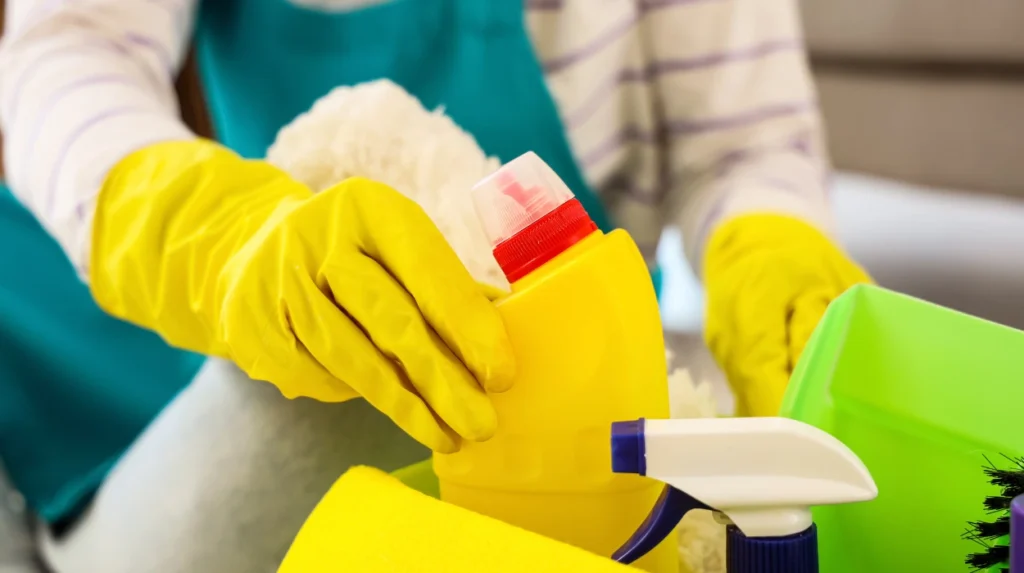
Managing hygiene requirements internally can be challenging, particularly for businesses with large premises or complex operational environments. Professional cleaning providers bring expertise, structured procedures, and specialised equipment that support consistent results.
Bee Cleaning Services Manchester works with businesses seeking practical and reliable hygiene solutions. Through Antiviral Sanitisation Services in Oldham and wider commercial cleaning support, organisations can implement structured hygiene programmes that align with operational requirements.
Professional services also help businesses stay focused on their core activities while ensuring cleaning standards remain consistent. This can be particularly beneficial for organisations operating in customer-facing environments where cleanliness directly influences perception and confidence.
BS EN 1276 Certified Disinfectants: A Guide for Oldham Business Owners begins with understanding that certified products are only one part of an effective hygiene programme. Proper cleaning equipment, correct dilution rates, suitable contact times, staff training, and documented procedures all contribute to successful disinfection outcomes.
Businesses that adopt a structured approach to hygiene are better positioned to maintain cleaner, safer, and more professional environments. Bee Cleaning Services Manchester supports organisations through professional cleaning solutions and Antiviral Sanitisation Services in Oldham, helping businesses maintain high standards of workplace hygiene while supporting long-term operational cleanliness.
Frequently Asked Questions
Why is BS EN 1276 important for businesses in Oldham?
BS EN 1276 provides reassurance that a disinfectant has been independently tested for bactericidal performance. Businesses can use certified products as part of their hygiene management strategy to help maintain cleaner and safer environments for staff, customers, and visitors.
Does BS EN 1276 certification mean a disinfectant kills viruses?
No. BS EN 1276 specifically relates to bactericidal activity against bacteria. Products claiming antiviral performance are typically tested against separate standards such as EN 14476. Businesses should always check product specifications to confirm the protection offered.
Are BS EN 1276 certified disinfectants suitable for offices?
Yes. Offices commonly use BS EN 1276 certified disinfectants on desks, meeting rooms, kitchens, washrooms, door handles, and other frequently touched surfaces. These products can support workplace hygiene when used correctly.
How should cleaning equipment be used with disinfectants?
Cleaning equipment should first remove dirt, dust, grease, and debris before disinfectants are applied. Effective disinfection depends on surfaces being clean, as contamination can reduce the performance of disinfectant products