

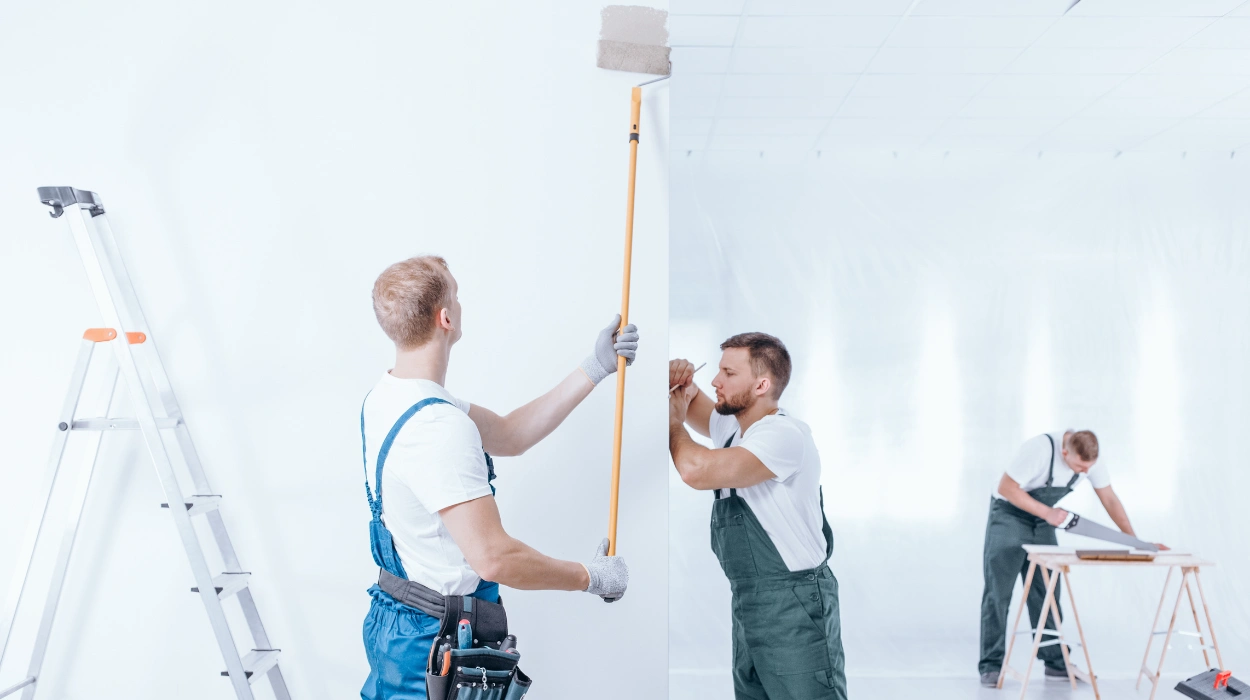
Cleaning after renovation removes fine construction dust, paint marks, adhesive residue and debris left behind after building work. The right cleaning process helps turn a recently renovated property into a clean, comfortable and ready-to-use space.
Cleaning after renovation is different from an ordinary domestic clean because building work can leave fine dust and residue across surfaces that may not be immediately visible. Renovation dust can settle on floors, skirting boards, windows, fixtures, cupboards and newly installed fittings. Paint splashes, silicone, adhesive and plaster marks can also require careful treatment. A structured post-renovation clean therefore needs the right sequence, suitable cleaning equipment and attention to different surface types. For properties in Oldham, professional construction cleaning can help prepare renovated homes, offices and commercial premises for normal use.
The cleaning stage is often one of the final parts of a renovation project, but it can affect how the finished work looks and feels. Even when builders have removed their tools and larger materials, fine dust can remain throughout the property. Professional after-builders cleaning focuses on removing this residue rather than simply making visible areas look tidy. Industry cleaning providers commonly describe post-construction cleaning as a specialist process involving dust, debris, paint and other renovation residues.
Why Does Renovation Cleaning Require a Different Approach?
Renovation work creates a mixture of materials that ordinary household cleaning may not fully address. Plaster dust can settle into corners, while paint and adhesive may remain around frames, floors or newly fitted surfaces. Fine dust can also become airborne again when people walk through a room or move furniture. This means cleaning should normally begin after the main building work has finished and larger materials have been removed. Cleaning providers recommend completing the construction stage before carrying out the detailed final clean.
Another important consideration is surface protection. Newly renovated properties may contain fresh paint, polished flooring, glass, tiles, woodwork, kitchen units and bathroom fittings. Using an unsuitable product or excessive force can affect these finishes. A professional approach assesses the surface first, selects an appropriate cleaning method and works systematically from higher areas down towards the floor. This reduces the chance of re-contaminating areas that have already been cleaned.
What Is Included in Cleaning After Renovation?
A detailed renovation clean normally begins with the removal of loose dust and small debris from accessible areas. Cleaners may then work through ceilings, walls, fixtures, doors, frames, skirting boards, cupboards and other surfaces affected by construction. Windows and internal glass can require additional attention because plaster, dust and paint marks can remain around frames and sills. Floors are generally cleaned after higher surfaces so that falling dust does not undo earlier work.
The exact scope depends on the project. A bathroom renovation may require attention to tiles, grout, sanitaryware and silicone residue, while a kitchen refurbishment may leave dust inside cabinets and around appliances. An extension or complete property refurbishment may require a much wider clean involving multiple rooms. Construction cleaning providers commonly include dust removal, window cleaning, floor cleaning and treatment of renovation residue within their post-build services.
How Should a Professional Renovation Clean Be Carried Out?

1. Remove Loose Construction Dust First
The first stage is to remove loose dust before detailed surface cleaning begins. Fine plaster and building dust can settle on horizontal surfaces, corners, ledges and fittings, so simply wiping the most obvious areas is unlikely to produce a consistent result. Professional teams may use suitable vacuums and dust-control tools to collect loose particles before wet cleaning. The objective is to reduce the amount of dust that becomes airborne or transfers between surfaces during the following stages.
The cleaning sequence is important because dust can continue settling after it has initially been removed. Working from higher areas downwards helps prevent repeated contamination. Ceiling-level fixtures, shelves, frames and upper surfaces can be addressed before lower surfaces and floors. Professional cleaning providers specifically highlight the importance of using specialist equipment and multiple passes when dealing with fine construction dust.
2. Deal With Paint, Plaster and Adhesive Residue
Once loose dust has been controlled, attention can move to marks left directly by renovation work. Paint splashes, plaster spots, adhesive, tape residue, silicone and grout haze can appear on windows, frames, tiles, floors and other surfaces. These marks should be treated according to the material underneath them rather than using one aggressive method everywhere. This is particularly important in newly renovated rooms where surfaces may be fresh or easily scratched.
Cleaning equipment should also match the type of residue being removed. A suitable scraper may be appropriate for certain hard surfaces, while glass, polished materials or delicate finishes may need gentler tools and products. The goal is to remove renovation residue without damaging the finished property. This is one reason post-construction cleaning differs from routine dusting and mopping.
3. Clean Windows, Frames and Detailed Areas
Windows can show the results of renovation work particularly clearly because dust and small particles collect around glass, frames, tracks and sills. Internal window cleaning can therefore be an important part of the final presentation. Frames and ledges should be checked carefully for plaster, paint or adhesive residue. Glass may also need a final clean after the surrounding construction dust has been removed.
Detailed areas should not be overlooked simply because they are less visible. Switches, sockets, doors, handles, skirting boards, radiators and light fittings can collect fine dust during renovation. Cupboards, drawers and newly installed units may also require internal cleaning if they were exposed during the work. A room can appear clean from a distance while still containing construction dust in these smaller areas.
Why Is Cleaning Equipment Important After Building Work?
The choice of cleaning equipment can influence how efficiently construction dust and residue are removed. Standard household tools may be suitable for routine cleaning, but post-renovation work can involve much finer dust and more stubborn residues. Depending on the surface and cleaning requirement, professional teams may use suitable vacuum systems, microfibre materials, specialist brushes, floor-cleaning tools and surface-specific products. The equipment should support dust collection rather than simply moving particles from one area to another.
Professional cleaning does not mean that every surface should be treated with the strongest available product. Effective cleaning equipment is selected according to the material, residue and condition of the property. For example, glass, painted surfaces, tiles, wood and polished finishes can require different approaches. Proper equipment combined with an organised cleaning sequence can help reduce repeat work and protect newly completed areas.
When Should You Book Construction Cleaning Services in Oldham?
The best time to arrange construction cleaning is generally after the renovation work that creates dust and residue has finished. Builders should have removed their main tools, equipment and larger construction materials before the detailed cleaning begins. Cleaning too early can mean that new dust and debris are created afterwards, requiring another clean. This is especially relevant for projects involving several trades working at different stages.
For larger refurbishments, cleaning may also be arranged in stages. A contractor or property manager might need an initial builders clean during the project followed by a more detailed final clean before handover. For homeowners, the final clean can be scheduled once renovation work is complete and the property is ready to be restored to normal use. The appropriate timing depends on the project’s size, access and remaining work.
What Can Construction Cleaning Services in Oldham Cover?
Construction cleaning can be suitable for a wide range of renovation projects, including kitchen and bathroom upgrades, extensions, painting and decorating, electrical work, flooring installation and larger refurbishments. The cleaning scope should reflect the work that has taken place. A small bathroom renovation may require targeted cleaning, whereas a full property refurbishment can involve dust removal throughout several rooms.
For a local property in Oldham, the service can also be planned around the property’s condition rather than using a standard routine. Bee Cleaning Services Manchester can provide professional cleaning solutions for renovation-related cleaning requirements, with the work focused on removing construction dust, residue and general post-build mess. More information about the approach to professional construction cleaning is available through this professional construction cleaning guidance.
How Can You Prepare a Property Before the Clean?
Preparation can make the final cleaning process more efficient. Large building materials, tools, paint tins and construction equipment should normally be removed before the cleaners arrive unless their removal has specifically been included in the agreed service. It is also useful to identify surfaces that require special care, such as newly sealed flooring, delicate fittings or recently painted walls.
Property owners and contractors should also communicate whether all renovation work has finished. If another trade is scheduled to return after the cleaning, dust and debris may be generated again. Clear communication about the condition of the property allows the cleaning team to establish the correct scope and sequence. This can help avoid unnecessary repeat cleaning.
How Does Professional Cleaning Improve the Final Result?
A renovation can transform the appearance and functionality of a property, but leftover dust can make newly completed work look unfinished. Cleaning provides the final presentation stage by removing residue from visible and less visible areas. Clean windows can show off new finishes, while clean floors, cupboards and fixtures help the renovated space feel ready for use. This is particularly important before occupants move back into a property or before a commercial space is reopened.
Professional cleaning can also save time when the renovation has produced a substantial amount of dust. Post-construction cleaning requires repeated attention to surfaces and details that are often outside the scope of ordinary weekly cleaning. A specialist team can approach the property systematically, helping ensure that cleaning is completed in a logical order. Bee Cleaning Services Manchester offers professional cleaning solutions for properties requiring detailed post-renovation attention.
What Should You Consider Before Choosing a Cleaning Company?

Before booking a construction cleaning service, consider whether the company understands post-renovation cleaning rather than only routine domestic cleaning. Ask what areas are included, whether cleaning equipment is supplied, how difficult residue is treated and whether the service is suitable for the property’s particular renovation. It is also useful to clarify whether internal windows, cupboards, floors and detailed surfaces are included in the quoted scope.
The size and condition of the property can affect the amount of work required. A clean after a single-room renovation will normally have different requirements from a complete house refurbishment or commercial fit-out. Clear information about the number of rooms, type of renovation, amount of dust and current condition helps create a more accurate cleaning plan. Professional cleaning companies can then determine the appropriate equipment, staffing and cleaning sequence.
What Is the Difference Between a Builders Clean and a Final Clean?
A builders clean generally focuses on removing the main dust, debris and residue created during construction or renovation. A final or sparkle clean is more detail-oriented and focuses on presentation before the property is occupied, handed over or reopened. In some projects, both stages may be required because construction dust can continue settling after the initial builders clean.
The distinction is useful when planning a renovation because the property may need more than one cleaning stage. Contractors and property managers can use a staged approach for larger projects, while homeowners may require a single comprehensive service after smaller renovations. The correct option depends on how much construction residue remains and the standard required before the property is used.
Renovation cleaning is an important finishing stage that helps reveal the results of building work. Fine dust, paint marks, plaster, adhesive and debris can remain even after builders have completed their main tasks, so a structured cleaning process is valuable. Using suitable cleaning equipment, working from high to low and treating each surface appropriately can produce a more thorough result.
For homeowners, landlords, contractors and commercial property managers in Oldham, Bee Cleaning Services Manchester provides professional cleaning solutions designed around the condition and requirements of the property. The right post-renovation cleaning approach helps create a cleaner, more practical space ready for its next stage of use.
Frequently Asked Questions
How do you clean a house after renovation?
Start by removing loose construction dust and small debris, then clean higher surfaces before lower areas. Pay attention to windows, frames, skirting boards, cupboards, fixtures and floors. Paint, plaster and adhesive residue should be treated according to the surface.
Is cleaning after renovation different from deep cleaning?
Yes. Deep cleaning focuses on accumulated household dirt and neglected areas, while renovation cleaning specifically addresses construction dust, plaster, paint, adhesive and other building residues. A property may need both approaches depending on its condition.
What cleaning equipment is needed after building work?
Useful equipment can include suitable vacuum systems, microfibre cloths, brushes, floor-cleaning tools and surface-appropriate cleaning products. The exact equipment depends on the type of dust, residue and surfaces found in the property.
Should I clean before or after the builders leave?
The detailed final clean is normally best completed after the builders have finished and removed their main tools, materials and equipment. Cleaning too early can result in new dust and debris being created by remaining construction work.
How much does construction cleaning cost in Oldham?
The cost depends on property size, renovation type, amount of dust and residue, number of rooms and cleaning requirements. For a more useful estimate, the cleaner normally needs details about the property and the work completed rather than relying only on a standard hourly rate.