

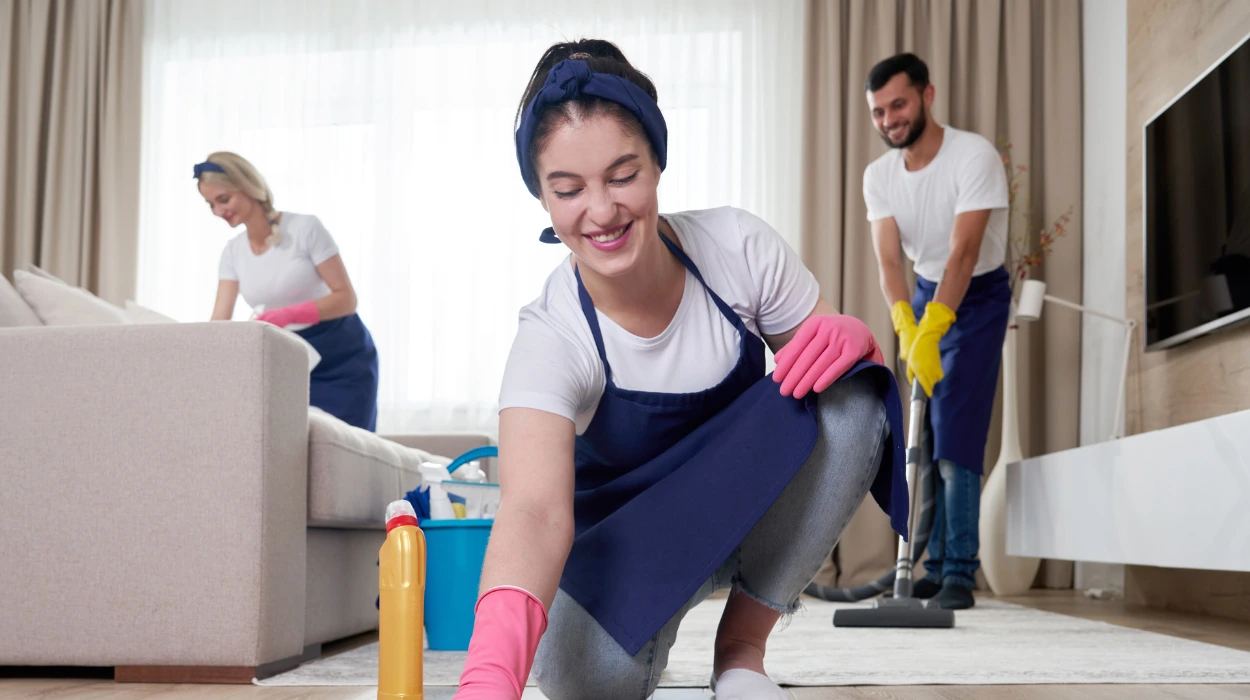
Sofa & Upholstery Deep Cleaning Cost in Manchester usually runs from around £30 for an armchair to £180 or more for a large corner sofa. The final price depends on size, fabric type, soil level and the cleaning equipment needed to treat the furniture safely. Most UK households pay between £60 and £120 for a standard three-seater. A deep clean differs from a quick vacuum because it removes dust, bacteria, body oils and trapped dirt from within the fibres. Understanding how quotes are built helps homeowners compare services fairly and avoid unexpected extras. This guide explains typical price bands, the factors behind them and what a professional process includes. It is written for anyone in Greater Manchester deciding whether to hire a specialist or tackle the job alone.
What Factors Determine the Price of Upholstery Cleaning?
Size and Seating Capacity
Size is the first factor in any quote, because larger furniture needs more time, more solution and more extraction passes. An armchair or dining chair is usually the cheapest item, with prices often between £25 and £50. A two-seater sofa typically costs £50 to £90, while a three-seater sits closer to £70 to £120. Corner sofas, sectionals and recliners take longer because of extra seams, cushions and mechanisms. Cleaners also count removable cushions, backs and arms as separate areas of work. Some businesses price per seat and others per item, so it helps to ask how the figure is calculated. Clear photos and exact measurements make a remote estimate far more accurate.
Fabric Type and Soil Level
Fabric type shapes both the method and the price, because each material reacts differently to moisture and chemicals. Cotton, polyester and microfibre blends are usually the simplest to treat and tend to sit at the lower end of the range. Velvet, linen and silk need low-moisture techniques and gentler products, which adds time and skill. Leather is cleaned differently again, using specialist cleaners and conditioners rather than hot water extraction. Soil level matters just as much, since a sofa with pet hair, grease marks or old stains needs pre-treatment before the main clean. Odour removal, such as for pet urine or smoke, is often priced as an add-on. Protective treatments like fabric guard also raise the total. Cleaners usually check the manufacturer care label, which uses codes such as W, S, WS or X, before choosing a method. Following that label protects the upholstery from shrinkage, colour bleed and water rings.
What Are Typical Sofa Cleaning Prices in the UK?
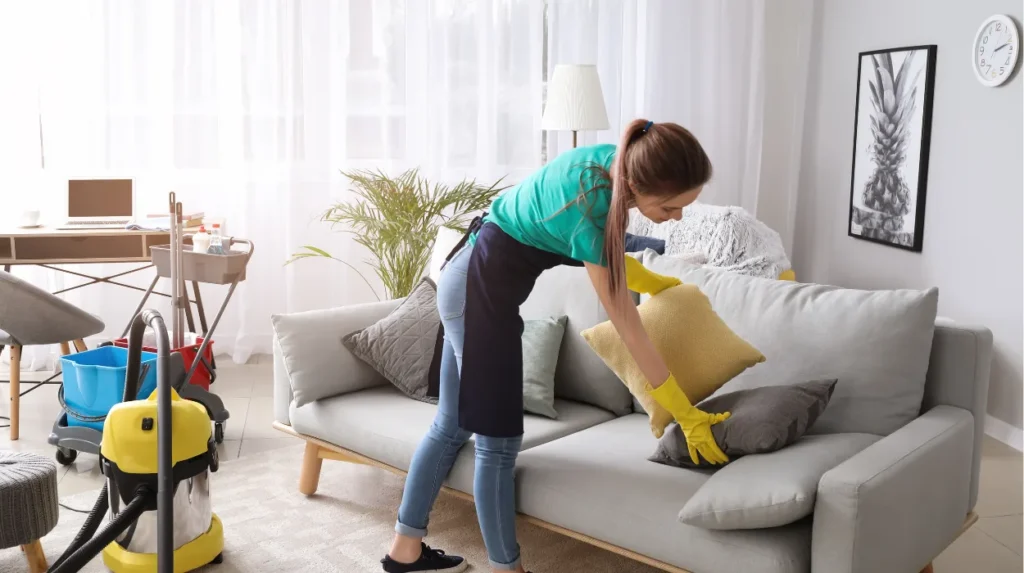
Across the UK, a full upholstery clean for a living room suite, such as a three-seater and two armchairs, often totals £120 to £200. Single-item jobs are cheaper, but many companies apply a minimum call-out charge. Manchester prices generally follow national averages, though travel distance and parking can influence the quote. Stain protection, deodorising and same-day appointments may be itemised separately. Very low prices can signal diluted products, rushed work or basic equipment. Homeowners who are also refreshing floors may compare this with affordable professional carpet cleaning to see how upholstery pricing differs from carpet pricing. Always request a written quote that lists exactly what is included.
What Cleaning Equipment Affects the Cost?
The cleaning equipment used has a direct effect on both quality and cost. Hot water extraction machines inject a controlled solution into the fabric and then pull it out with strong suction. Low-moisture or dry-compound systems are chosen for delicate fabrics that dry slowly or react badly to water. Handheld upholstery tools, agitation brushes and steam units allow cleaners to work into seams and tight corners. Commercial-grade extractors cost far more than domestic rental machines and remove more soil per pass. Professional vacuums with HEPA filtration capture fine dust and allergens before wet cleaning begins. Moisture meters and UV lights are sometimes used to check dampness and locate pet stains. Businesses that invest in well-maintained equipment usually charge more but deliver faster drying and safer results. Rental machines can leave excess moisture behind, which may cause mould or lingering odours.
How Does a Professional Upholstery Cleaning Process Work?
A professional visit usually starts with an inspection of the fabric, care label and stained areas. The cleaner vacuums the entire surface, including under the cushions, to lift loose debris. Pre-treatment is then applied to spots and high-contact areas such as armrests and headrests. After a short dwell time, the main clean is carried out using extraction or a low-moisture method. Technicians rinse where needed, groom the fibres and set the cushions for even drying. Drying generally takes between two and six hours, depending on ventilation and fabric. Readers who want the bigger picture can see what a professional deep cleaner does day to day, from inspection to equipment handling.
Is Professional Upholstery Cleaning Worth the Cost?

Regular vacuuming removes surface dust but cannot reach the soil that settles deep into padding and fibres. Over time, trapped dirt wears down the fabric, dulls colours and creates odours. Dust mites, pollen and pet dander also collect in upholstery, which matters for households with allergies. A deep clean every 12 to 18 months is commonly recommended, with more frequent visits for homes with children or pets. Compared with replacing a sofa, which can cost hundreds or thousands of pounds, professional cleaning is a modest investment. It also extends the life of the furniture and can help keep warranties valid when manufacturers require professional care. Households in nearby areas can explore deep cleaning services for homes in Oldham, which cover upholstery alongside other rooms. Choosing a fully insured provider with clear pricing reduces risk.
How Do You Choose a Provider and Get an Accurate Quote?
Start by asking what the quote includes, such as pre-treatment, deodorising and fabric protection. Check whether the company is insured and trained to handle different fabrics. Ask which methods and cleaning equipment will be used on your specific sofa. Request a patch test on a hidden area when the fabric is delicate. Bee Cleaning Services Manchester is one local provider that handles upholstery cleaning alongside other deep cleaning work. Comparing at least two quotes on the same specification gives a fair view of value. Photos of the sofa, its care label and any stains will speed up the process.
Sofa & Upholstery Deep Cleaning Cost depends mainly on size, fabric, soil level and cleaning equipment, so no single figure fits every home. Most Manchester households can expect roughly £30 to £50 for armchairs and £60 to £120 for three-seaters. A transparent quote and a suitable method matter more than the lowest price. Professional cleaning protects fabric, improves hygiene and extends furniture life. It is also easier to plan for when regular cleaning is built into the home routine. Bee Cleaning Services Manchester delivers professional cleaning solutions for homes, including Deep Cleaning Services in Oldham for nearby customers. Understanding the pricing factors above makes it simpler to choose with confidence.
Frequently Asked Questions
Is professional sofa cleaning really worth paying for?
For most homes, yes. Professionals use stronger extraction and safer products than household methods, which removes deeper dirt, allergens and odours. It also lowers the risk of water marks or fabric damage. The cost is usually far below replacing the sofa.
Can I deep clean my sofa myself with a rented machine?
You can, but results vary. Rental machines are less powerful and often leave too much moisture, which can cause mould or smells. Always check the care label first and test a hidden patch. Delicate fabrics like velvet are better left to professionals.
How often should a sofa be professionally cleaned?
Once every 12 to 18 months suits most households. Homes with pets, children, smokers or allergy sufferers benefit from cleaning every 6 to 12 months. Regular vacuuming in between keeps dirt from building up.
How long does a sofa take to dry after deep cleaning?
Most sofas dry in two to six hours, and thicker fabrics may take up to 24 hours. Opening windows, using fans and keeping the room warm speeds this up. Low-moisture methods dry faster than hot water extraction.
Can old stains and pet smells be removed from a sofa?
Many can, especially when treated with the right pre-treatment and enzyme-based products. Very old or set-in stains may fade rather than disappear completely. Pet urine that has soaked into the padding can need repeated treatment.