

The best upholstery cleaning services in Farnworth use professional-grade equipment, trained technicians, and proven cleaning methods to restore furniture safely and thoroughly. Bee Cleaning Services Manchester provides exactly that, combining technical expertise with local knowledge to deliver dependable results across the Farnworth area.
Why Upholstery Cleaning Matters More Than Most People Realise
Upholstered furniture is used every single day, which means it accumulates far more dirt, bacteria, and allergens than most homeowners expect. Sofas, armchairs, and dining chairs absorb skin cells, pet dander, dust mites, food particles, and airborne pollutants over time. Standard vacuuming removes surface debris but does very little to address what is embedded deep within the fabric fibres. Without periodic professional attention, upholstery becomes a hidden source of indoor air quality problems and persistent odours. This is particularly relevant in households with children, pets, or anyone who suffers from respiratory conditions. Understanding what builds up inside furniture is the first step toward making an informed decision about cleaning frequency and method.
What Sets Professional Upholstery Cleaning Apart in Farnworth
Professional upholstery cleaning is not simply a more thorough version of home cleaning. It involves a structured process that begins with fabric identification, followed by pre-treatment of stained or soiled areas using appropriate chemical solutions. Hot water extraction, dry cleaning, or low-moisture methods are then selected based on the fabric type and the level of soiling present.
Each of these methods requires specialised machinery that reaches deep into the fibre structure, dislodging contaminants that no domestic tool can access. Technicians trained in upholstery care understand how different materials react to heat, moisture, and cleaning agents, which helps prevent shrinkage, colour bleeding, or texture damage. If you are unsure whether professional cleaning is the right choice for your furniture, reading about professional versus DIY upholstery cleaning methods can help clarify the differences in outcome and safety.
Common Upholstery Fabrics Found in Farnworth Homes
Farnworth homes contain a wide variety of upholstery fabrics, and each one responds differently to cleaning treatments. Chenille, velvet, microfibre, linen, cotton blends, and leather are among the most common, with each requiring a distinct approach to avoid damage. Velvet and chenille, for example, are particularly sensitive to excess moisture and require low-humidity methods to preserve the pile direction.
Microfibre is more resilient but can leave water marks if cleaned with the wrong solution or technique. Leather requires conditioning after cleaning to maintain its suppleness and prevent cracking over time. Knowing the specific fabric type before any cleaning begins is a non-negotiable step in professional upholstery care, and it is one of the primary reasons why trained technicians consistently achieve better results than general-purpose cleaning products.
The Step-by-Step Process Behind Quality Upholstery Cleaning

A reliable upholstery cleaning service follows a clearly defined process rather than applying a one-size-fits-all method. The initial stage involves a thorough inspection of the furniture to identify fabric type, existing damage, stain locations, and any areas that may require special handling. Pre-treatment solutions are then applied to break down grease, protein-based stains, and heavily soiled sections before the main cleaning begins.
The primary cleaning stage uses either hot water extraction or dry compound cleaning depending on what the fabric requires, ensuring deep penetration without over-saturation. After cleaning, a post-treatment step may be applied to neutralise residues and restore the fabric’s protective properties. The furniture is then allowed to dry properly, with adequate ventilation recommended to prevent mould or musty odours from developing within the padding. This level of structure is what separates a professional service from a rushed or inexperienced one.
How to Identify Whether Your Upholstery Needs Professional Attention
There are several signs that indicate upholstery has moved beyond what regular home maintenance can address. Persistent odours that return even after vacuuming or surface spraying are a strong indicator that bacteria or mould has taken hold within the foam or padding beneath the fabric. Visible staining that has not responded to over-the-counter products, particularly older or set-in stains, is another sign that deeper intervention is needed. A general dullness or greying of the fabric, even in areas that are not visibly stained, often points to a buildup of skin oils, dust, and environmental pollutants.
Upholstery that triggers sneezing, watery eyes, or skin irritation in household members may be harbouring high concentrations of dust mites or pet allergens. If any of these signs are present, scheduling a professional clean sooner rather than later will prevent further deterioration of both the fabric and the indoor environment. To understand how these timelines apply specifically to your situation, guidance on how often upholstery should be cleaned in Farnworth provides a practical framework based on usage and household type.
Upholstery Stain Types and How They Are Treated
Not all stains are treated the same way, and attempting to remove the wrong type of stain with an unsuitable product can permanently set it into the fabric. Water-based stains such as juice, tea, or coffee require a different pre-treatment than oil-based stains from food grease or cosmetics. Protein-based stains from blood, urine, or vomit require enzyme-based treatments that break down the organic matter before extraction can take place. Ink and dye-based stains often require solvent treatments applied carefully to avoid spreading the pigment further into the surrounding fabric area.
Tannin stains from wine or fruit respond well to alkaline pre-treatments, while synthetic stains from paint or adhesives may require specialised solvent application by an experienced technician. Professional upholstery cleaners carry a range of pre-treatment solutions specifically formulated for each stain category, which is why their success rate with difficult stains is significantly higher than that of general-purpose sprays available in supermarkets.
What to Expect From Upholstery Cleaning Services in Farnworth
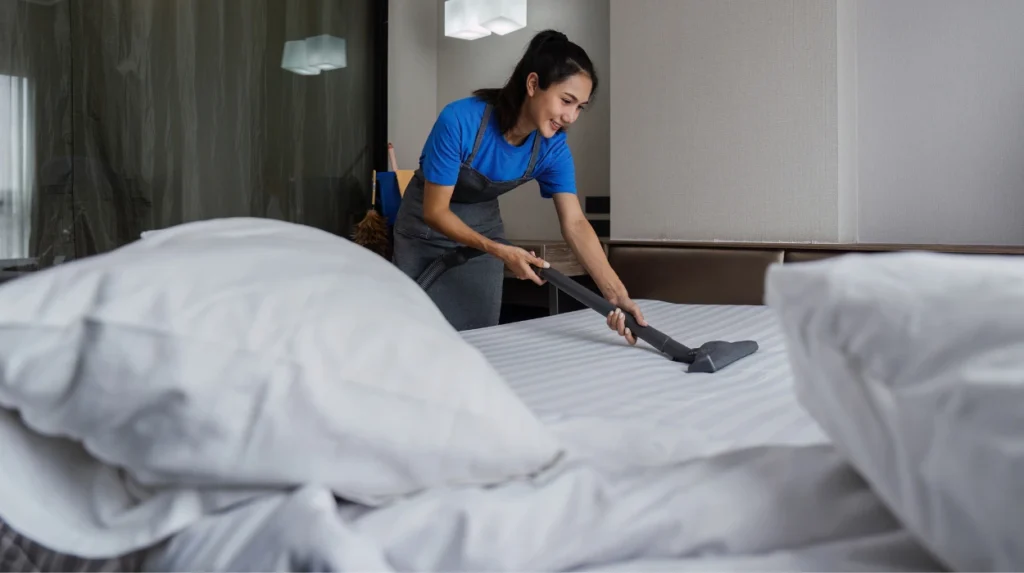
When booking a professional service in Farnworth, clients can expect a clear and structured experience from initial contact through to the final inspection of the cleaned furniture. A reputable provider will ask about the fabric type, the extent of soiling, and any specific concerns before confirming the appropriate cleaning method and providing a transparent quote. On the day of the appointment, technicians arrive with the necessary equipment and conduct the fabric assessment on-site before beginning any treatment. The cleaning process for a standard three-seater sofa typically takes between one and two hours depending on the level of soiling and the method being used.
Drying times vary by method and fabric type, with hot water extraction requiring a few hours and dry cleaning methods often allowing the furniture to be used more quickly. Upholstery cleaning services in Farnworth delivered by qualified technicians consistently result in furniture that looks refreshed, smells clean, and functions as a healthier surface for daily use.
Protecting Upholstery After a Professional Clean
Once professional cleaning has been completed, taking a few steps to maintain the results will significantly extend the time before the next service is needed. Fabric protector applications, which are often offered as an add-on service, create a barrier against liquid penetration and make future surface stains easier to remove before they set. Regularly rotating cushions and using furniture covers in high-traffic areas reduces uneven wear and soiling.
Avoiding eating or drinking directly over upholstered surfaces limits the introduction of food and liquid stains between cleans. In homes with pets, a consistent routine of brushing animals and placing washable throws over furniture can significantly reduce the amount of hair and dander that embeds into the fabric. These practical habits, combined with a regular professional cleaning schedule, give upholstered furniture a much longer functional lifespan and keep the indoor environment noticeably cleaner.
Upholstery cleaning is a technical process that requires the right equipment, appropriate methods, and a genuine understanding of fabric behaviour. Homeowners in Farnworth who invest in professional cleaning benefit from furniture that is hygienically clean, visually refreshed, and structurally better preserved over time. Bee Cleaning Services Manchester brings professional-grade upholstery cleaning to Farnworth with a process-driven approach that prioritises fabric safety, thorough soil removal, and lasting results for every household it serves.
Which is the best upholstery cleaner?
The best upholstery cleaner depends on your fabric type, but hot water extraction machines from professional-grade brands deliver the most thorough results for most household sofas and chairs.
What is the best method to clean a sofa?
Hot water extraction is widely regarded as the most effective method for deep cleaning sofas, as it removes embedded dirt, allergens, and bacteria from within the fibre.
What are common couch cleaning mistakes?
Over-wetting the fabric is the most frequent mistake, as excess moisture can cause mould growth inside the cushion padding and lead to permanent water marks on the surface.
What is the difference between an upholstery cleaner and a steam cleaner?
An upholstery cleaner typically uses a combination of cleaning solution and water extraction to lift dirt from fabric fibres, while a steam cleaner relies purely on high-temperature steam to sanitise and loosen surface soiling.
What fabrics cannot be steam cleaned?
Velvet, suede, leather, and certain delicate natural fibres such as silk and some wool blends should never be steam cleaned, as the heat and moisture can cause irreversible damage including shrinkage, pile distortion