
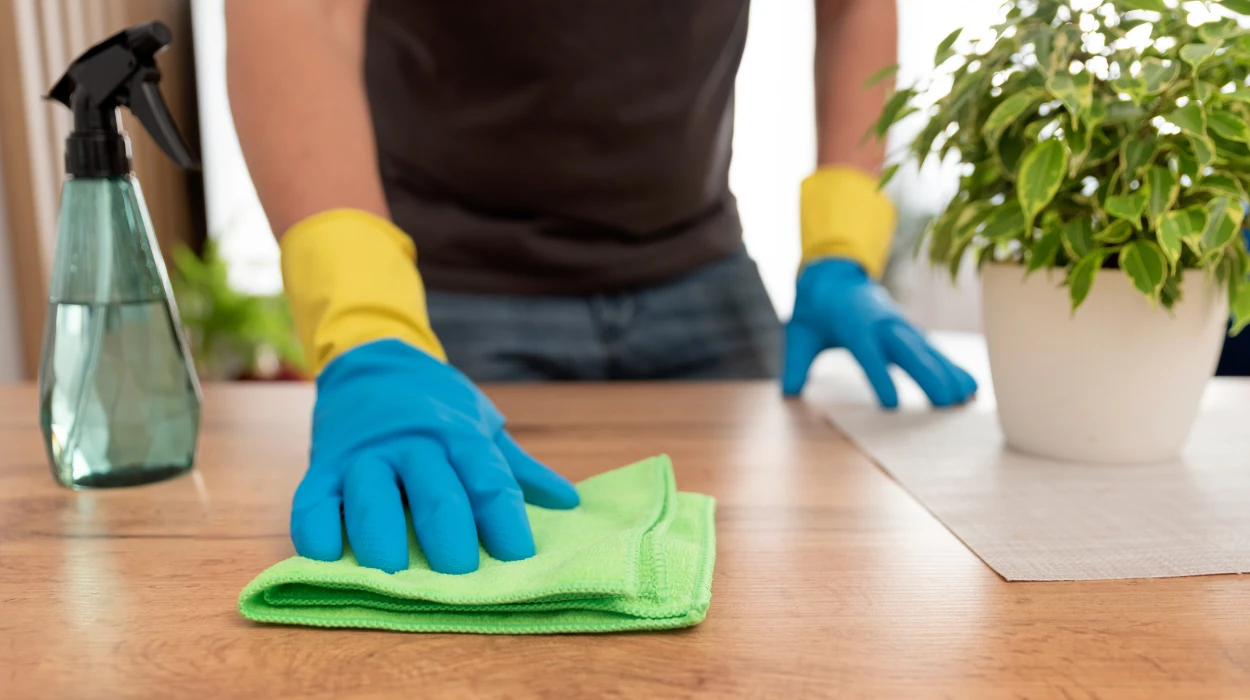
A Bolton office should undergo a professional deep clean every three to six months to maintain hygiene standards and protect asset longevity. This frequency varies based on daily foot traffic, the nature of the business operations, and the specific health requirements of the local workforce.
Determining the Ideal Deep Cleaning Frequency for Bolton Workspaces
The necessity for intensive sanitation in a professional environment goes beyond the scope of daily vacuuming and surface wiping. In a bustling area like Bolton, offices are subject to seasonal pollutants and high levels of communal activity that necessitate a rigorous schedule. Most experts suggest that a quarterly deep clean is the gold standard for mid-sized firms, while smaller administrative hubs might extend this to a biannual basis. Identifying the specific needs of your facility requires an audit of high-touch areas and hidden zones that regular maintenance often overlooks.
Foot traffic remains the primary driver behind how quickly an office environment degrades in terms of cleanliness. If your facility hosts regular client meetings or has a high density of employees per square foot, the accumulation of dust and allergens happens at an accelerated rate. For businesses utilizing Office Cleaning Services in Farnworth, the focus often shifts toward neutralizing bacteria in shared kitchens and restrooms. A deep clean ensures that deep-seated grime in carpets and ventilation systems is addressed before it impacts the indoor air quality or the health of the staff.
The Role of Seasonal Changes and Local Environment
Bolton experiences significant shifts in weather, which directly impacts the cleanliness of an office interior. During the winter months, dampness and road salt are tracked into buildings, while spring and summer bring higher pollen counts and dust. These environmental factors can lead to the deterioration of flooring materials and upholstery if not managed through intensive restorative cleaning. Scheduling a deep clean at the turn of each season ensures that the workspace remains resilient against the elements and provides a consistently professional appearance for both employees and visiting stakeholders.
Beyond the visible surfaces, the structural components of an office require specialized attention to prevent long-term damage. This includes the high-level dusting of light fixtures, the scrubbing of grout lines in tiled areas, and the steam cleaning of window treatments. When local businesses evaluate a professional commercial cleaning contract, they often look for comprehensive checklists that include these intensive tasks. A well-timed deep clean acts as a preventative maintenance measure, ultimately extending the lifespan of expensive office furniture and technological infrastructure while reducing the need for costly replacements.
Hygiene Standards and Employee Well-being
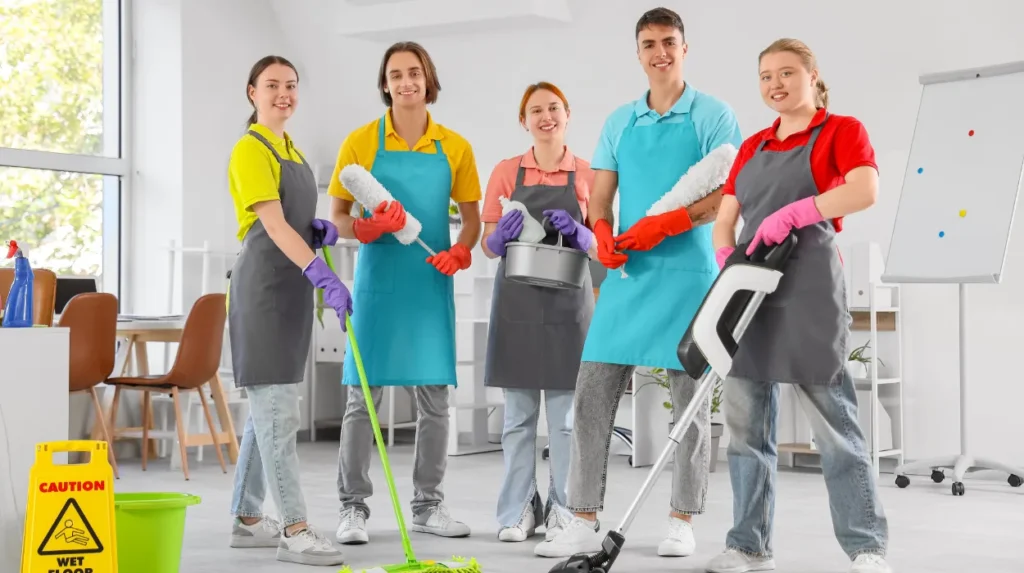
Maintaining a high standard of hygiene is a critical component of corporate social responsibility and employee retention. A workplace that only receives superficial cleaning can become a breeding ground for germs, leading to increased absenteeism due to illness. Deep cleaning involves the use of industrial-grade disinfectants and specialized equipment to sanitize areas that are usually out of reach. By investing in regular intensive sessions, a business demonstrates a commitment to the physical health and psychological comfort of its team members, fostering a more productive and positive working atmosphere.
The psychological impact of a truly clean office should not be underestimated in a competitive market. When employees walk into a space where the air smells fresh and the surfaces are devoid of built-up residue, their focus and morale tend to improve. Many organizations in the region rely on Office Cleaning Services in Farnworth to provide this level of detail, ensuring that the work environment reflects the high standards of the brand. This proactive approach to facility management prevents the “run-down” feeling that can occur when deep cleaning is neglected for more than six months at a time.
Assessing High-Traffic Zones and Specialized Areas
Certain zones within a Bolton office require more frequent deep cleaning than others due to their functional nature. Staff breakrooms, communal kitchens, and multi-user restrooms are primary candidates for monthly intensive sanitation to prevent the spread of foodborne illnesses and bacteria. Meanwhile, boardrooms and individual executive suites might only require deep cleaning on a biannual cycle. Tailoring the schedule to the specific usage patterns of different rooms allows for a more efficient allocation of resources while maintaining a uniform level of cleanliness throughout the entire building.
Technology-heavy areas, such as server rooms or desks with multiple monitors and peripherals, require a delicate yet thorough cleaning approach. Dust buildup in these areas can cause hardware to overheat and fail, leading to significant operational downtime. Deep cleaning these technical spaces involves specialized anti-static treatments and precision dusting that goes far beyond a standard cleaning routine. Integrating these tasks into a broader Bolton commercial cleaning service ensures that the vital “unseen” parts of the business are just as protected as the lobby or the reception area.
Impact on Brand Reputation and Client Perception
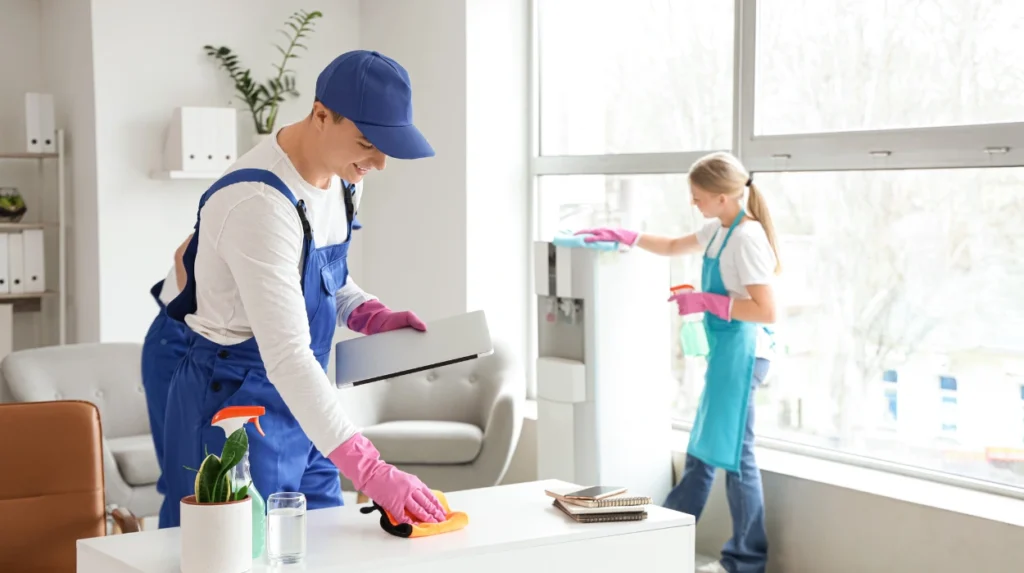
For businesses that frequently host external partners or prospective clients, the state of the office serves as a silent ambassador for the company’s values. Stained carpets, dusty vents, or grimy windows can subtly communicate a lack of attention to detail that might worry a potential investor. A regular deep cleaning schedule ensures that the premises are always “client-ready,” removing the stress of last-minute preparations before important meetings. This level of consistency helps build trust and projects an image of stability and professionalism that is essential for local business growth.
Bee Cleaning Services Manchester understands that every commercial space in the region has unique challenges, from historic buildings with delicate features to modern glass-fronted suites. Applying the right techniques and chemical solutions is vital to preserving the integrity of the building’s materials while achieving a surgical level of clean. By choosing a partner that understands the nuances of outcome-based office cleaning, Bolton managers can rest assured that their deep cleaning frequency is optimized for both budget and performance, keeping the workspace in peak condition year-round.
Professional Standards in Modern Deep Cleaning
The evolution of cleaning technology has introduced more effective ways to deep clean without disrupting daily operations. Electrostatic spraying and HEPA-filtered extraction are now common practices that provide a deeper level of sanitation than traditional methods. These technologies allow for the rapid disinfection of large areas, ensuring that even the most complex office layouts are thoroughly covered. For businesses in Farnworth and the wider Bolton area, staying updated on these methods is part of maintaining a modern and safe workspace that meets current health and safety regulations.
Ultimately, the decision on how often to deep clean should be based on a combination of professional advice and the observed needs of the facility. Bee Cleaning Services Manchester provides the expertise required to assess your office and recommend a schedule that prevents the accumulation of dirt and pathogens. Whether it is a quarterly refresh or a more frequent intervention for high-intensity environments, professional cleaning ensures that your Bolton office remains a healthy, inviting, and productive space for everyone who enters.
How often do offices need to be cleaned?
A Bolton office should be professionally deep cleaned every three to six months to eliminate deep-seated allergens and maintain high hygiene standards. This periodic intensive service complements daily maintenance by targeting neglected areas like high-level vents, carpet fibers, and upholstery.
What is the 3-minute rule in cleaning?
The 3-minute rule suggests that if a cleaning task takes less than three minutes, such as wiping a spill or filing a stray document, it should be done immediately. This proactive habit prevents small messes from accumulating into overwhelming tasks that require professional intervention.
How do professional cleaners clean so fast?
Professional cleaners achieve speed through systematic “top-to-bottom” and “clockwise” movement patterns that eliminate backtracking and missed spots. They also utilize industrial-grade chemicals and ergonomic tools that break down grime faster than standard household consumer products.
What are the 5S of poor housekeeping?
The 5S methodology—Sort, Set in order, Shine, Standardize, and Sustain—defines the path to an organized workspace; poor housekeeping is the failure of these steps. When an office lacks these standards, it leads to cluttered desks, hidden dirt, and a significant decrease in operational efficiency.
What is R9 chemical used in housekeeping?
R9 is a concentrated, acid-based chemical cleaner specifically formulated to remove hard water deposits, scales, and soap scum from bathroom tiles and fixtures. It is a staple tool for Office Cleaning Services in Farnworth when restoring restrooms to a like-new, hygienic condition during a deep clean.