
Upholstery cleaning methods vary based on fabric, dirt level, and drying needs. The best method depends on whether you need deep cleaning, quick drying, or delicate fabric care. Upholstery Cleaning Services in Farnworth are not one-size-fits-all because different fabrics react differently to moisture, heat, and chemicals. Choosing the wrong method can lead to shrinkage, fading, or residue buildup that attracts more dirt over time. Professional cleaners assess fabric type, usage level, and stain severity before selecting a method. This ensures both safety and effective results without damaging the furniture.
Modern upholstery cleaning combines science and technique, using controlled moisture, specialized solutions, and extraction equipment. According to industry practices, methods like hot water extraction remove deeply embedded dirt and allergens effectively, while low-moisture methods focus on maintenance cleaning.
For homeowners in Farnworth, understanding these methods helps in making informed decisions when booking a service. Bee Cleaning Services Manchester applies method selection based on fabric codes and condition, ensuring practical and safe cleaning outcomes.
Hot Water Extraction and Why It Is Considered Deep Cleaning
Hot water extraction, often called steam cleaning, is widely regarded as the most thorough upholstery cleaning method. It uses heated water mixed with cleaning solution, injected into fabric and extracted with powerful suction. This process removes dirt, bacteria, and allergens from deep within fibers.
This method is ideal for heavily used sofas, family furniture, and synthetic fabrics that can tolerate water-based cleaning. It not only cleans but also sanitizes, making it suitable for households concerned about hygiene. However, drying time can be longer compared to other methods, typically a few hours depending on airflow.
Bee Cleaning Services Manchester often recommends this method for deep restorative cleaning under Upholstery Cleaning Services in Farnworth when furniture shows visible dirt buildup or allergens.
Dry Upholstery Cleaning for Quick Turnaround
Dry cleaning is a low-moisture method that uses specialized compounds or powders to absorb dirt from fabric surfaces. These compounds are brushed into the upholstery and later vacuumed away along with trapped debris. This method is particularly useful when quick drying is essential.
It works best for delicate fabrics such as silk or materials labeled solvent-clean only. Because it uses minimal water, there is little risk of shrinkage or watermarks. However, it mainly targets surface-level dirt and may not remove deep stains or allergens completely.
For maintenance cleaning, many homeowners choose this method between deep cleans. It is a practical option when furniture needs refreshing without long downtime.
Upholstery Shampooing and Its Role in Stain Removal
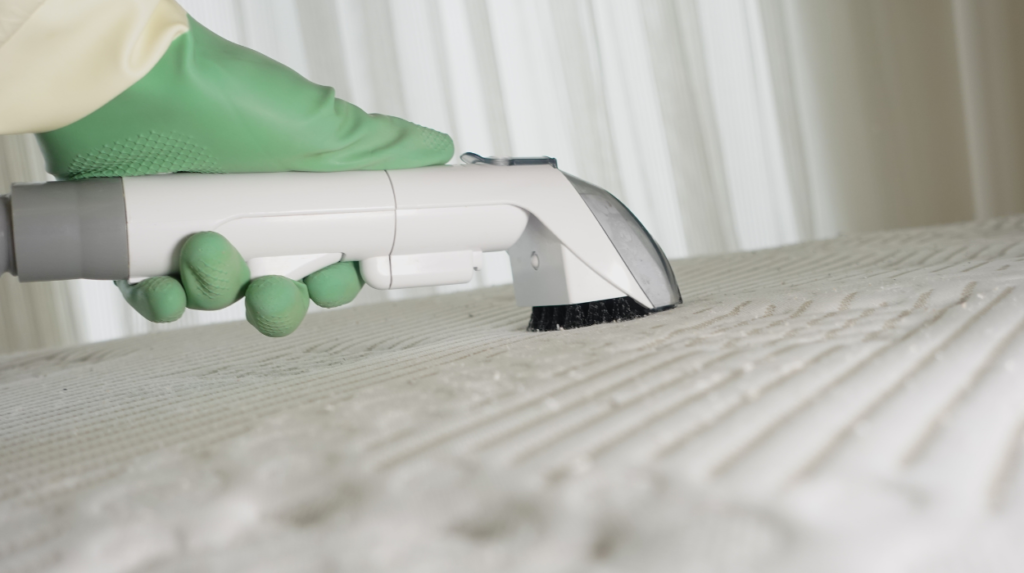
Shampoo cleaning involves applying a foaming detergent to upholstery and agitating it to loosen dirt and oils. The foam captures soil particles, which are then extracted or vacuumed away after drying. This method is effective for breaking down stubborn stains and oily residues.
However, traditional shampooing may leave behind residue if not properly rinsed, which can attract dirt again. For this reason, modern professionals often combine shampooing with extraction techniques to improve results.
Bee Cleaning Services Manchester uses controlled shampoo techniques where necessary, especially for targeted stain treatment within Upholstery Cleaning Services in Farnworth.
Encapsulation Cleaning for Modern Low-Moisture Care
Encapsulation cleaning is a newer method that uses polymer-based solutions to trap dirt particles into crystals. Once dried, these particles are easily removed through vacuuming, leaving upholstery clean and residue-free.
This method is popular in commercial environments but is increasingly used in residential settings due to its quick drying time. It is effective for routine maintenance and helps prevent rapid re-soiling.
Although it does not provide deep cleaning like steam extraction, it is a practical solution for regular upkeep. Many cleaning professionals combine encapsulation with periodic deep cleaning for balanced results.
Bonnet Cleaning for Surface Maintenance
Bonnet cleaning is a surface-level method where a rotating pad soaked in cleaning solution absorbs dirt from upholstery. It is commonly used for quick cleaning in high-traffic environments where appearance matters.
This technique offers fast results and minimal drying time, making it suitable for commercial furniture or light residential use. However, it does not reach deep into fibers and is not ideal for heavily soiled upholstery.
For homeowners, bonnet cleaning is best viewed as a short-term maintenance option rather than a complete cleaning solution.
Foam Cleaning and Controlled Moisture Techniques
Foam cleaning is similar to shampooing but uses less water and more controlled application. Foam is applied to the fabric, allowing it to lift dirt to the surface where it can be removed. This reduces the risk of over-wetting upholstery.
It is suitable for fabrics that require gentle handling and moderate cleaning. The method balances effectiveness with safety, making it useful for mid-level cleaning needs.
Professionals often use foam cleaning when a full extraction is not required but deeper cleaning than dry methods is needed.
Choosing the Right Method for Your Sofa
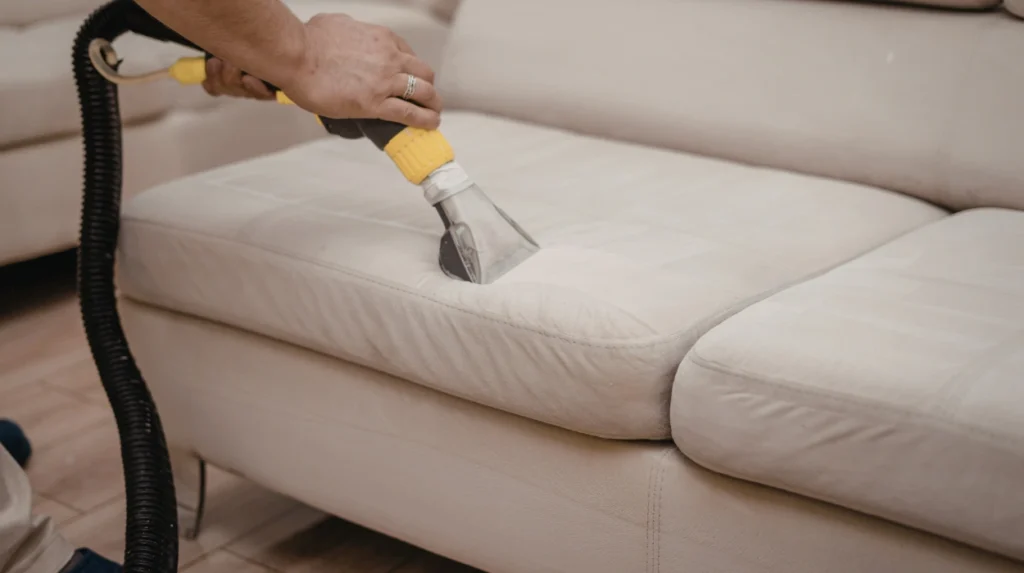
Selecting the right upholstery cleaning method depends on several practical factors, including fabric type, level of soiling, and drying requirements. No single method works for every situation, which is why professional assessment is essential.
For example, hot water extraction is ideal for deep cleaning, while dry cleaning works best for delicate fabrics. Encapsulation and bonnet cleaning are better suited for maintenance rather than intensive cleaning.
Homeowners can also explore signs that indicate when cleaning is necessary through this helpful guide on sofa deep cleaning warning signs. Understanding these signs helps prevent long-term damage and maintains fabric quality.
When to Book Professional Upholstery Cleaning
Knowing when to move from maintenance to professional cleaning is key to preserving upholstery lifespan. Visible stains, odors, or allergy symptoms often indicate the need for deeper cleaning methods like extraction.
Professional services use specialized equipment and safe chemicals tailored to fabric type. This ensures thorough cleaning without causing damage. You can learn more about professional sofa cleaning solutions in Farnworth (/upholstery-cleaning-services-farnworth) to understand how services are structured.
If your furniture requires immediate attention, it is worth considering booking a sofa cleaning service in Farnworth to ensure timely and effective care.
Upholstery cleaning methods range from deep extraction to low-moisture maintenance techniques, each designed for specific cleaning needs. Understanding these differences helps homeowners choose the right solution based on fabric type and usage.
Bee Cleaning Services Manchester applies method-based cleaning under Upholstery Cleaning Services in Farnworth, ensuring each sofa receives appropriate care without unnecessary risk. Their approach focuses on matching the right technique to the right situation, delivering practical and reliable cleaning outcomes.
What is the best method to clean upholstery?
The best method depends on fabric type and dirt level, but hot water extraction is widely considered the most effective for deep cleaning and allergen removal. It penetrates fibers and extracts dirt thoroughly when done professionally.
Can a Karcher steam cleaner be used on upholstery?
Yes, but only on fabrics that can handle heat and moisture such as cotton or polyester. Delicate materials should be avoided, and proper suction is needed to prevent moisture buildup.
What is the difference between an upholstery cleaner and a steam cleaner?
An upholstery cleaner uses water, solution, and strong suction to extract dirt, while a steam cleaner mainly uses heat and may not remove debris effectively without extraction. This affects cleaning depth and results.
What fabric should not be steam cleaned?
Fabrics like silk, velvet, wool, leather, and delicate vintage materials should not be steam cleaned as heat and moisture can cause shrinkage, fading, or damage.
What are the downsides of steam cleaning?
Steam cleaning can cause long drying times, risk of mold if moisture remains, and potential fabric damage or color bleeding. Improper use may also push dirt deeper instead of removing it.