
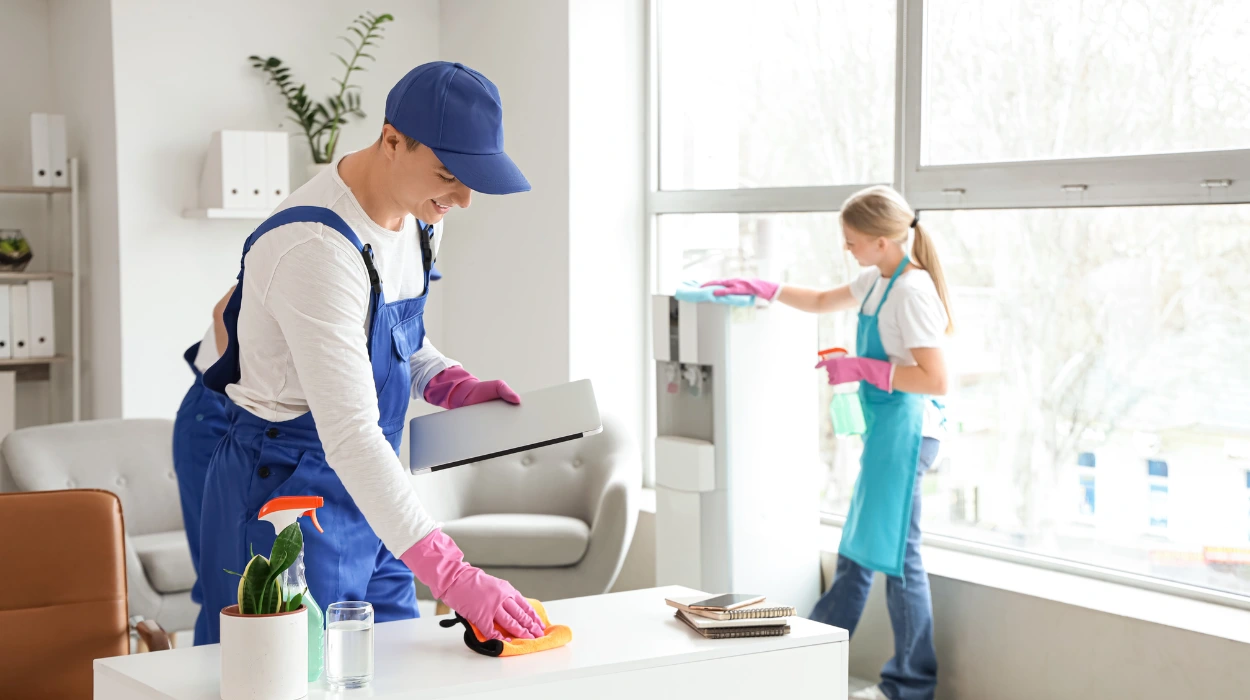
A safe workspace depends on rigorous sanitation standards that eliminate invisible bacterial colonies found on common high-touch surfaces. Implementing professional office cleaning services in Farnworth ensures that communal areas and individual workstations remain hygienically sound for all employees throughout the working week.
Recent microbiological studies indicate that the average office desk serves as a breeding ground for over 10 million bacteria, making it significantly dirtier than a standard toilet seat. This staggering figure stems from the fact that desks are rarely sanitized with the same frequency or intensity as bathroom facilities. Without regular intervention from professional office cleaning services in Farnworth, these surfaces become reservoirs for pathogens that cause common illnesses.
Employees often eat at their desks, leaving behind organic matter that fuels microbial growth throughout the day. Bee Cleaning Services Manchester addresses this issue by applying industrial-grade disinfectants to workstations, ensuring that invisible threats are neutralized effectively.
The Reality of Bacterial Accumulation on Office Desks
The persistence of germs on hard surfaces is often underestimated by business owners who rely on superficial tidying rather than deep sanitation. Most viruses can survive on a laminate or wooden desk for several days, waiting for a host to facilitate transmission. This creates a cycle of cross-contamination that can quickly sideline a significant portion of the workforce during flu season. To break this cycle, it is vital to understand professional workspace maintenance strategies that prioritize high-touch points over mere aesthetics. By focusing on the scientific reality of germ survival, businesses can better protect their staff from avoidable health risks and maintain a more consistent level of operational productivity.
Identifying the Hidden Dangers of the Office Keyboard
The computer keyboard is perhaps the most utilized tool in the modern office, yet it frequently ranks as one of the most contaminated items. Research has shown that keyboards can harbor up to 3,000 organisms per square inch, often including skin-borne bacteria and traces of food debris. Because the gaps between keys are difficult to reach with standard wiping methods, they require specialized equipment to clean thoroughly. Professional cleaners use compressed air and specific antimicrobial solutions to ensure these devices do not become vectors for disease. Bee Cleaning Services Manchester incorporates these detailed tasks into their routine to ensure that technology does not compromise the health of the Farnworth business community.
Ignoring keyboard hygiene leads to a build-up of oils and skin cells that trap moisture, providing a perfect environment for fungal and bacterial colonies. When multiple employees share a single workstation, the risk of spreading infections increases exponentially. It is important to evaluate local cleaning expertise to ensure that the team handling your office understands the nuances of electronic equipment sanitation. A focused approach to these small but critical areas differentiates a basic cleaning service from a comprehensive hygiene solution. Maintaining clean peripheral devices is a fundamental step in creating a workspace that feels and actually is safe for daily use.
Why the Office Kitchen Is a High-Risk Zone
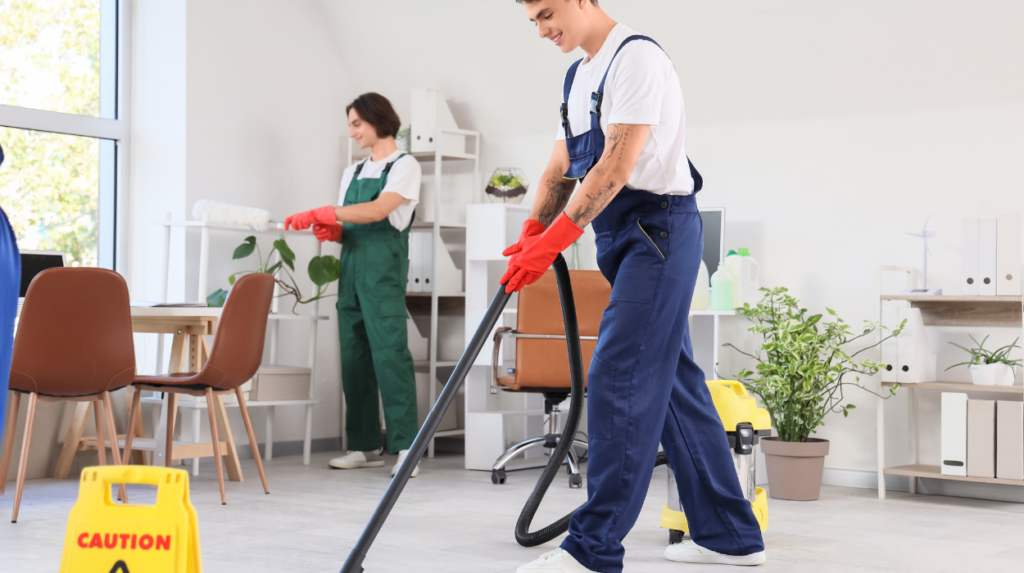
While the office kitchen is a place for breaks and social interaction, it often hides some of the highest bacterial counts in the building. Specifically, the office sponge or dishcloth is frequently cited as the most contaminated item, often containing millions of fecal coliform bacteria. This occurs because moisture and food particles trapped in the porous material allow bacteria to multiply rapidly in ambient temperatures. Without a strict protocol for replacing or sanitizing these items, they effectively spread germs across every surface they touch. Bee Cleaning Services Manchester provides systematic kitchen sanitation that includes the disinfection of sinks, handles, and communal appliances to mitigate these risks.
The refrigerator handle and the buttons on a shared microwave are also significant hotspots for cross-contamination. These surfaces are touched by dozens of people every day, often right before they handle food, creating a direct pathway for ingestion of pathogens. Understanding the science of communal hygiene is a key part of selecting a reliable cleaning partner who can manage these high-traffic zones. Effective cleaning in these areas requires more than just a quick wipe; it demands the use of food-safe degreasers and virucidal cleaners. When the kitchen is managed professionally, the likelihood of foodborne illness spreading through the office is significantly reduced, protecting the health of every team member.
The Impact of Poor Indoor Air Quality and Dust
Dust in an office environment is more than just an aesthetic nuisance; it is a complex mixture of skin cells, fabric fibers, and environmental pollutants. In a closed office setting, dust can accumulate in HVAC vents and behind heavy furniture, contributing to poor indoor air quality. High concentrations of dust mites and allergens can lead to respiratory irritation, headaches, and fatigue among employees, often referred to as Sick Building Syndrome. Bee Cleaning Services Manchester utilizes HEPA-filter vacuums and microfibre technology to capture fine particles rather than simply moving them around. This proactive approach to dust management is essential for maintaining a healthy atmosphere in any Farnworth commercial property.
Poor air quality often results in decreased cognitive function and higher rates of absenteeism due to allergic reactions or asthma flare-ups. Regular deep cleaning of carpets and upholstery is necessary because these materials act as filters, trapping pollutants over time until they become saturated. By investing in professional office cleaning services in Farnworth, businesses ensure that their environment supports the physical well-being of their staff. It is not enough to focus on what is visible to the eye; the microscopic particles lingering in the air and carpets require a technical approach to removal. A clean office should smell neutral and feel fresh, indicating that the airborne load of pollutants has been successfully minimized.
Telephones and the Spread of Respiratory Pathogens
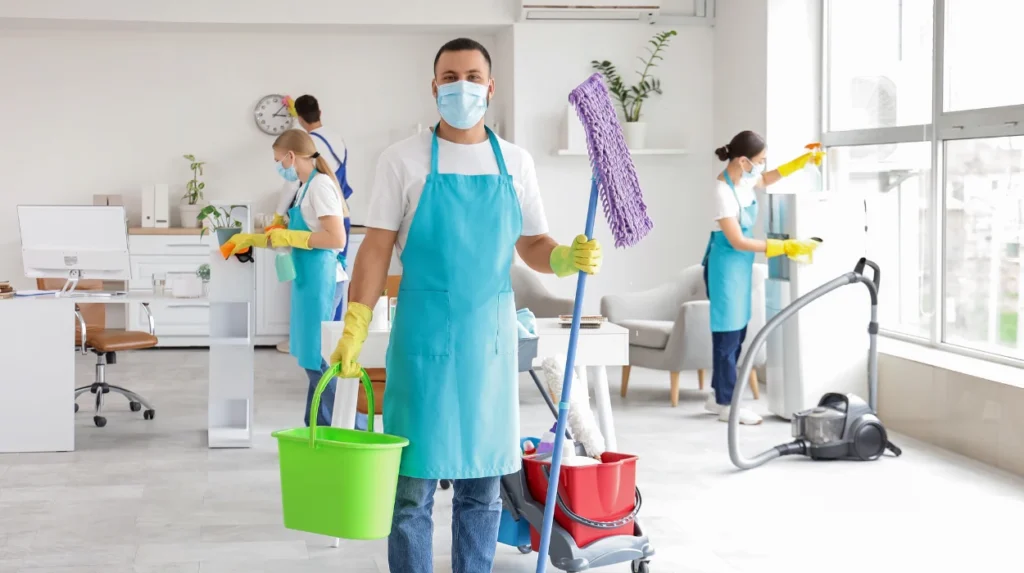
The office telephone remains a primary source of germ transmission, particularly for respiratory infections that are spread through droplets. Since these devices are held close to the face, they are frequently exposed to breath, saliva, and sweat, creating a moist environment for germs to thrive. Studies have indicated that a single desk phone can host tens of thousands of microbes, yet they are rarely cleaned by the users themselves. Bee Cleaning Services Manchester includes the sanitation of communication devices as a standard part of their hygiene protocol. This attention to detail ensures that tools meant for communication do not become tools for the spread of illness.
Handsets and keypads require careful disinfection to prevent the transfer of bacteria from the skin to the respiratory system. In offices where hot-desking is common, the risk associated with shared telephones increases significantly as different individuals use the same equipment throughout the week. Ensuring these devices are sanitized daily is a core component of maintaining a safe and productive Farnworth workspace. High-quality cleaning services utilize non-corrosive disinfectants that kill 99.9 percent of germs without damaging the sensitive electronics inside the phone. By prioritizing these often-overlooked items, businesses demonstrate a commitment to a comprehensive health and safety strategy that protects their most valuable assets.
Elevating Standards with Bee Cleaning Services Manchester
Maintaining a safe and hygienic office in Farnworth requires a move away from traditional, surface-level cleaning toward a science-based disinfection approach. The statistics surrounding office germs prove that without professional intervention, the workspace can quickly become a liability for employee health and business continuity. Bee Cleaning Services Manchester offers a structured solution that targets the most contaminated areas of the office with precision and care.
By employing trained professionals who understand the biological risks present in a commercial environment, businesses can ensure their premises meet the highest standards of cleanliness. Professional office cleaning services in Farnworth are not just a luxury but a necessary foundation for any successful local enterprise.
Through the use of advanced techniques and a deep understanding of microbial hotspots, the team ensures that every desk, kitchen, and communal area is treated with the appropriate level of sanitation. This commitment to excellence helps to reduce employee sick days and fosters a positive atmosphere where staff feel valued and protected. As businesses continue to navigate the challenges of modern workplace hygiene, having a dedicated partner to manage these complexities becomes invaluable. Bee Cleaning Services Manchester remains dedicated to providing the Farnworth community with reliable, high-quality cleaning solutions that prioritize the health and safety of every individual who enters the office.
What are the 5 points of personal hygiene?
Standard professional grooming includes regular hair care, maintaining facial hair, using deodorant, practicing oral hygiene, keeping nails clean, wearing pressed attire, and skin moisturization.
What are the 7 good grooming practices?
Maintaining high hygiene standards boosts personal confidence and fosters a respectful, comfortable environment for colleagues and clients.
What are the 5 major hazards in the workplace?The 5 major hazards in the workplace are categorized based on their source and the type of harm they cause, ranging from immediate physical injuries to long-term health issues.
Safety Hazards: These are the most common risks and include slips, trips, falls, unguarded machinery, and electrical risks like frayed cords. They cause immediate physical injury or accidents and are often the focus of routine office inspections in Farnworth.
Biological Hazards: This category involves exposure to bacteria, viruses, fungi, and mold, which are particularly relevant to communal office spaces and kitchens. Professional office cleaning services in Farnworth are designed specifically to mitigate these invisible threats through deep sanitation.
Ergonomic Hazards: These occur when workstation setups or repetitive tasks put a strain on the body, leading to musculoskeletal disorders. Issues like poorly adjusted chairs, incorrect monitor heights, and repetitive typing are significant concerns for modern desk-based roles.
Chemical Hazards: Workers encounter these when exposed to hazardous substances in solid, liquid, or gas form, such as potent cleaning chemicals or industrial solvents. Proper labeling, storage, and the use of protective equipment are essential to prevent skin irritation or respiratory problems.
Psychosocial Hazards: Often overlooked, these involve workplace stressors like excessive workloads, lack of support, and harassment that impact mental health. In 2026, these are increasingly recognized as critical safety risks that require formal risk assessments to prevent burnout and stress-related absence.What are the social benefits of hygiene?
Maintaining high hygiene standards boosts personal confidence and fosters a respectful, comfortable environment for colleagues and clients.
What are 20 general safety rules?
General safety involves a wide range of protocols including keeping walkways clear, reporting spills immediately, using ergonomic furniture, following fire exit signs, and ensuring proper ventilation.