

Upholstered furniture can trap dust, pet dander, pollen, bacteria, and dust mite allergens that become airborne and may worsen allergy and asthma symptoms.
A regularly cleaned sofa helps reduce indoor allergens, improves air quality, and creates a healthier living environment for everyone in the home.
Why Sofas Can Become a Hidden Source of Indoor Air Pollution
Many homeowners focus on cleaning floors, kitchens, and bathrooms while overlooking upholstered furniture. However, sofas collect dust, skin flakes, pet hair, food particles, and other contaminants every day. Over time, these materials settle deep into fabric fibres where normal household vacuuming may not fully remove them.
Research shows that upholstered furniture is a common habitat for dust mites and allergen particles. When people sit, stand, or move cushions, these particles can become airborne and circulate throughout the room. This process may negatively affect indoor air quality, especially in homes with allergy sufferers, children, or pets.
How Dust Mites Living in Sofas Trigger Allergies
Dust mites are microscopic organisms that thrive in soft furnishings such as sofas, carpets, mattresses, and curtains. They feed on dead skin cells and prefer warm indoor environments. While the mites themselves are usually harmless, their waste products and body fragments are powerful allergens.
People sensitive to dust mites may experience sneezing, itchy eyes, blocked noses, coughing, or worsening asthma symptoms. Government health guidance identifies upholstered furniture as one of the common places where dust mite allergens accumulate indoors.
Common Allergy Symptoms Linked to Dirty Upholstery
- Frequent sneezing indoors
- Itchy or watery eyes
- Nasal congestion
- Persistent coughing
- Asthma flare-ups
- Skin irritation in sensitive individuals
These symptoms often become more noticeable when spending long periods on sofas that have not been professionally cleaned.
Can Pet Hair and Dander in Sofas Affect Air Quality?
Pet owners often underestimate how much dander becomes trapped inside upholstered furniture. Even when pets do not sit directly on the sofa, microscopic skin particles travel through the home and settle into fabrics.
Every time cushions are compressed, allergens can be released back into the air. This is particularly problematic for people with pet allergies because exposure can continue long after visible pet hair has been removed. Indoor air quality specialists identify pet dander as one of the most common airborne household allergens.
The Relationship Between Sofa Dust and Indoor Air Quality
Indoor air quality depends on the number of airborne particles circulating inside a property. Dust accumulation inside upholstery contributes to this particle load because furniture fibres act like filters that continuously collect contaminants.
Over months or years, a sofa may contain significant amounts of dust, pollen, mould spores, and skin particles. Everyday activities such as sitting down, vacuuming nearby, or fluffing cushions can disturb these particles and release them into the breathing zone.
Studies on indoor allergens show that biological pollutants contribute significantly to indoor air contamination and may trigger respiratory reactions in sensitive individuals.
Why Regular Vacuuming Is Not Always Enough
Vacuuming helps reduce surface dirt, but many allergens remain embedded deep within upholstery fibres and cushion fillings. Standard domestic vacuums often struggle to remove particles trapped below the surface.
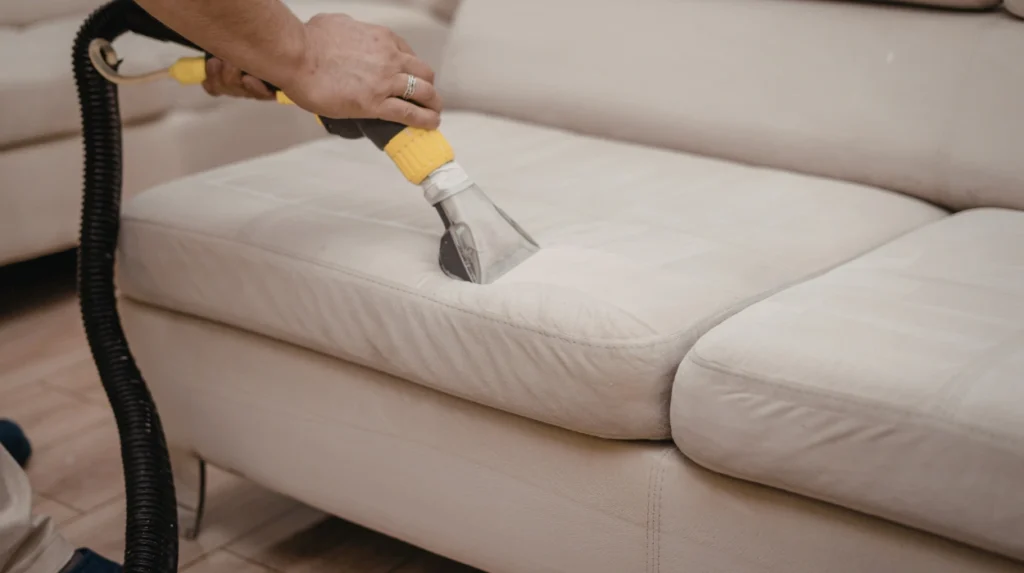
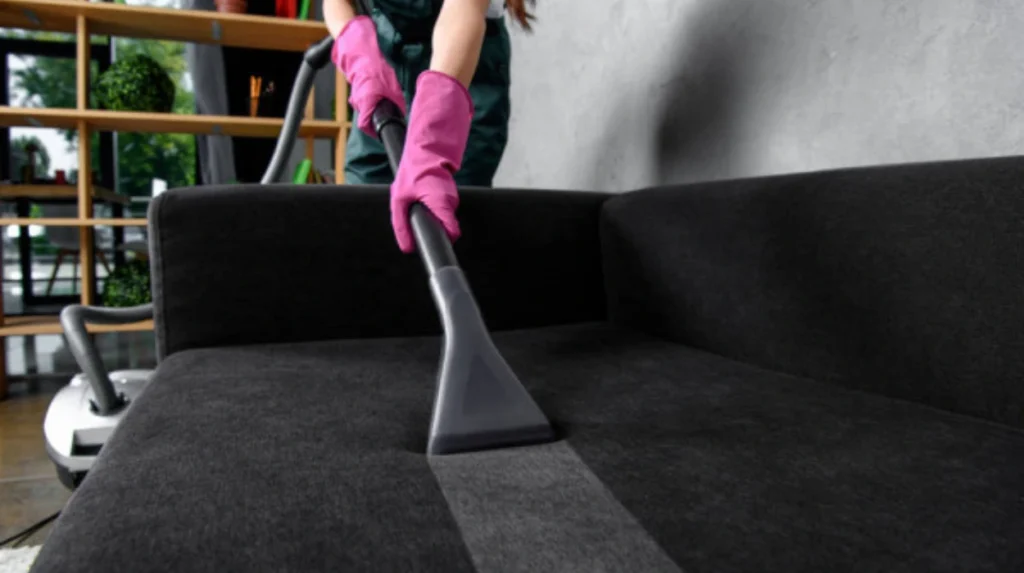
Professional cleaning-equipment used by upholstery specialists is designed to extract dirt, allergens, and moisture from deeper layers of fabric. This process provides a more comprehensive clean than routine household maintenance.
Many allergy specialists recommend HEPA-filter vacuum systems because they help capture fine particles instead of releasing them back into the air.
How Professional Upholstery Cleaning Helps Reduce Allergens
Professional upholstery cleaning targets contaminants that accumulate over time and are difficult to remove through regular cleaning routines. The process typically involves inspection, fabric assessment, pre-treatment, extraction, and controlled drying.
Deep cleaning removes accumulated dust, pet dander, pollen, and other pollutants trapped within the upholstery. This helps reduce the allergen load inside the home and may contribute to improved indoor air quality.
Homeowners looking for professional upholstery cleaning solutions in Oldham can benefit from specialist extraction methods that remove contaminants while protecting delicate fabrics.
What Happens When Sofas Are Never Professionally Cleaned?
A sofa may look clean on the surface while harbouring years of accumulated debris inside the fabric and cushions. Without periodic deep cleaning, contaminant levels continue to increase.
Over time, homeowners may notice unpleasant odours, increased dust levels, allergy symptoms, or visible staining. While these issues may develop gradually, they can affect both comfort and cleanliness within the property.
Professional upholstery maintenance helps prevent excessive build-up and supports a healthier indoor environment.
Signs Your Sofa May Be Affecting Your Indoor Environment
Persistent Allergy Symptoms Indoors
If symptoms improve outside the home but worsen when relaxing in the living room, upholstered furniture may be contributing to allergen exposure.
Increased Dust Around the Home
Sofas holding excessive dust can continuously release particles into the surrounding environment.
Musty or Unpleasant Odours
Trapped moisture, dust, and organic debris may create lingering smells that impact indoor comfort.
Visible Staining and Discolouration
Surface marks often indicate deeper contamination within the fabric layers.
How Often Should Upholstery Be Professionally Cleaned?
The ideal cleaning frequency depends on household conditions. Properties with pets, children, or allergy sufferers generally require more frequent maintenance than low-traffic homes.
Most upholstery professionals recommend deep cleaning every 12 to 24 months. Homes with heavy use may benefit from more frequent attention to maintain cleanliness and reduce allergen accumulation.
For readers interested in drying times after professional cleaning, our guide on upholstery drying and maintenance after deep cleaning explains what to expect following a professional service:
The Role of Modern Cleaning Equipment in Upholstery Care
Advances in cleaning-equipment have improved the effectiveness of professional upholstery cleaning. Modern extraction systems remove dirt and allergens while controlling moisture levels to reduce drying times.
Professional-grade machines are designed to reach deeper layers of upholstery than most household appliances. Combined with suitable cleaning solutions and trained technicians, these systems help achieve more thorough results.
This approach is particularly valuable for allergy-sensitive households where reducing airborne contaminants is a priority.
Why Indoor Air Quality Matters More Than Many Homeowners Realise
People spend a large proportion of their time indoors. As a result, indoor air quality has a direct impact on daily comfort and wellbeing. Airborne allergens can contribute to respiratory irritation, disturbed sleep, and ongoing allergy symptoms.
Reducing sources of indoor contamination, including dirty upholstery, forms an important part of maintaining a healthier home environment. Regular cleaning, adequate ventilation, and professional maintenance all contribute to improved indoor conditions.
Choosing Professional Upholstery Cleaning Services in Oldham
When selecting Upholstery Cleaning Services in Oldham, homeowners should look for experienced providers that understand different fabric types and use suitable cleaning methods.
Bee Cleaning Services Manchester provides professional upholstery cleaning solutions designed to remove embedded dirt, allergens, and everyday contamination from household furniture. Proper cleaning helps extend furniture life while supporting a cleaner indoor environment.
Homeowners who also need specialist treatment for pet-related issues may find our guide on professional sofa odour and stain removal solutions.
In many cases, yes. Sofas can trap dust mites, pet dander, pollen, and other allergens that may become airborne during normal household activity. Over time, these contaminants can contribute to poorer indoor air quality and increased allergy symptoms.
Regular maintenance, effective cleaning-equipment, and periodic professional upholstery cleaning help reduce allergen build-up and support a healthier home environment. Bee Cleaning Services Manchester provides professional Upholstery Cleaning Services in Oldham that help homeowners maintain cleaner, fresher, and more hygienic living spaces.
Frequently Asked Questions
Can a dirty sofa really cause allergy symptoms?
Yes. Sofas often collect dust mites, pet dander, pollen, and skin particles. These allergens can become airborne when cushions are disturbed. People with allergies may experience sneezing, congestion, and itchy eyes. Symptoms are often worse in heavily used living rooms. Professional cleaning helps reduce allergen levels.
How often should a sofa be professionally cleaned?
Most experts recommend professional cleaning every 12 to 24 months. Homes with pets, children, or allergy sufferers may require more frequent cleaning. Heavy use increases dirt accumulation inside upholstery fibres. Regular maintenance improves cleanliness and extends furniture lifespan. Annual cleaning is often a practical schedule.
Can professional upholstery cleaning remove dust mites?
Professional cleaning significantly reduces dust mite allergens by removing accumulated debris from upholstery fibres. While complete elimination is unlikely, reducing allergen levels can improve indoor comfort. Deep extraction methods are more effective than routine vacuuming. Many allergy sufferers notice improvements after thorough cleaning.
Does sofa cleaning improve indoor air quality?
Yes. Removing trapped dust, dander, and allergens reduces the number of particles that can become airborne. Cleaner upholstery contributes to a healthier indoor environment. This is especially beneficial for households with respiratory sensitivities. Combined with ventilation and routine cleaning, it supports better air quality.
What are the signs that a sofa needs professional cleaning?
Common signs include unpleasant odours, visible staining, increased dust levels, and worsening allergy symptoms. A sofa that looks clean may still contain hidden contaminants. Heavy household use accelerates dirt build-up. Professional inspection can determine the best cleaning approach. Regular maintenance prevents long-term accumulation.