
In most homes, upholstery dries within 4 to 12 hours after professional cleaning. The exact drying time depends on fabric type, cleaning method, airflow, humidity, and the cleaning-equipment used during the process.
Understanding Upholstery Drying Time After Professional Cleaning
When homeowners book Upholstery Cleaning Services in Oldham, one of the first questions they ask is how soon they can sit on their sofa again. Professional upholstery cleaning removes embedded dust, allergens, body oils, food residue, and stains from furniture fibres. Because moisture is used during the cleaning process, some drying time is always required before the furniture returns to normal use.
Modern upholstery cleaning methods are designed to clean deeply while leaving as little residual moisture as possible. Professional technicians use powerful extraction systems that remove most of the water immediately after application. As a result, furniture is usually left damp rather than wet. Most fabric sofas dry within 4 to 12 hours, although some low-moisture cleaning methods can reduce drying time significantly.
What Is the Average Drying Time for Upholstery?
The average drying time for professionally cleaned upholstery ranges from 4 to 12 hours in normal household conditions. Lightweight synthetic fabrics often dry faster, while thicker natural fibres can take longer. Some low-moisture cleaning techniques may allow furniture to dry within 1 to 4 hours, whereas deep hot water extraction can require up to 24 hours under certain conditions.
Drying speed also depends on the amount of moisture left behind after cleaning. Professional extraction equipment removes a substantial percentage of the cleaning solution during the process. Homes with good ventilation and moderate temperatures typically experience shorter drying periods than homes with poor airflow or high indoor humidity.
How Cleaning Methods Affect Drying Time
Hot Water Extraction
Hot water extraction, commonly known as steam cleaning, is one of the most effective methods for deep upholstery cleaning. The process injects cleaning solution into fabric fibres and immediately extracts dirt, allergens, and moisture. Because water is involved, drying generally takes between 6 and 24 hours depending on fabric thickness and room conditions.
Low-Moisture Upholstery Cleaning
Low-moisture cleaning uses specialised cleaning solutions and reduced water volumes. This method is particularly useful for delicate fabrics and situations where quick drying is important. Furniture cleaned with low-moisture systems can often dry within 1 to 4 hours.
Encapsulation and Dry Cleaning Methods
Some upholstery materials respond well to dry cleaning or encapsulation techniques. These processes use minimal moisture and therefore provide some of the shortest drying times available. While not suitable for every fabric type, they can be effective for maintenance cleaning where rapid use of furniture is required.
Why Fabric Type Matters
Different upholstery materials absorb and release moisture at different rates. Synthetic fabrics such as polyester and microfibre generally dry more quickly because they absorb less water. These materials often become usable within a few hours after cleaning.
Natural fibres such as cotton and linen tend to retain more moisture. Velvet and heavily padded furniture can also require additional drying time because moisture remains trapped deeper within the cushioning. Leather furniture dries the fastest because moisture remains mostly on the surface rather than penetrating deep into the material.
For homeowners concerned about allergens trapped inside furniture fibres, understanding fabric maintenance is just as important as learning about indoor air quality and sofa hygiene.
The Role of Professional Cleaning-Equipment

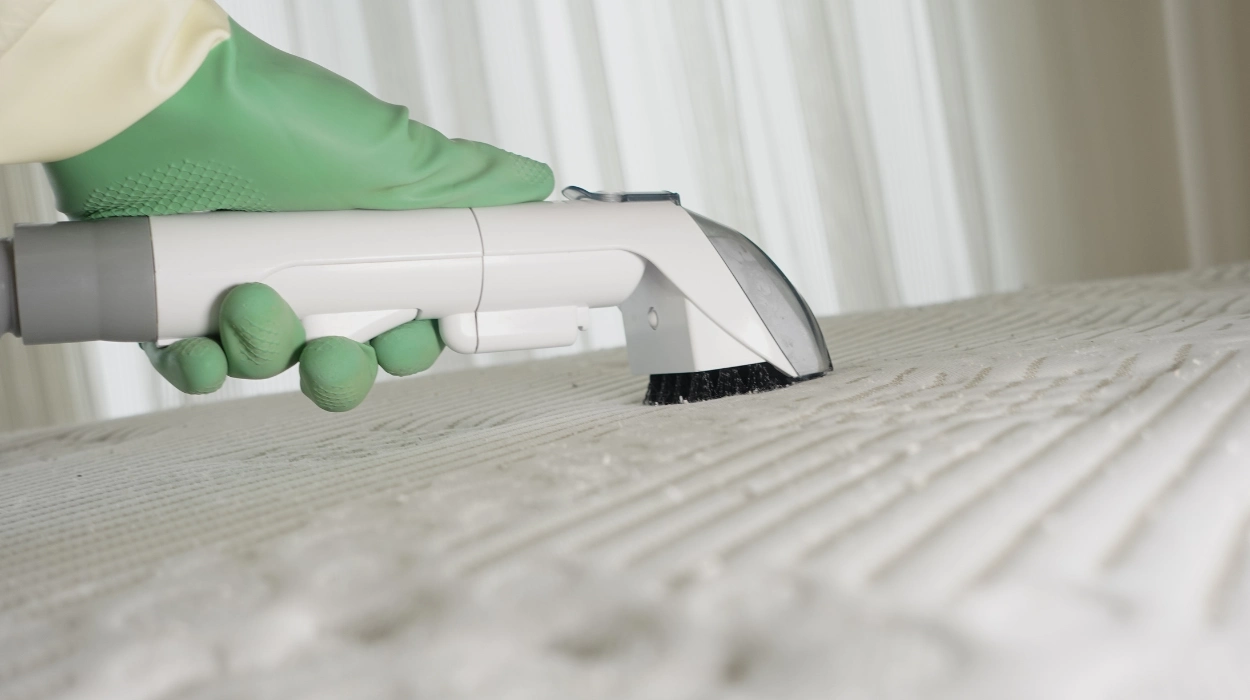
The quality of cleaning-equipment directly influences drying time. Professional machines use high-powered vacuum extraction systems that remove significantly more moisture than consumer-grade rental units. Better extraction means less water remains in the furniture once cleaning is complete.
Professional upholstery cleaners also use air movers, specialised upholstery tools, and controlled cleaning techniques to avoid over-wetting fabrics. These methods help reduce drying times while protecting upholstery materials from potential issues associated with excessive moisture.
Bee Cleaning Services Manchester uses professional-grade equipment designed to maximise soil removal while minimising residual moisture, helping customers achieve cleaner and faster-drying furniture.
Environmental Factors That Influence Drying
Room conditions can dramatically affect how quickly upholstery dries after cleaning. Even when the same cleaning method is used, drying times may vary from one property to another.
Airflow and Ventilation
Good airflow helps moisture evaporate more quickly. Open windows, ceiling fans, and portable air movers can significantly accelerate drying. Rooms with poor ventilation typically experience longer drying periods.
Indoor Humidity
Humidity slows evaporation. During damp weather, upholstery may require additional time to dry completely because the surrounding air already contains high levels of moisture. Low-humidity conditions support faster drying.
Temperature
Warm temperatures encourage evaporation and help moisture leave upholstery fibres more efficiently. Cooler rooms generally extend drying times, especially during winter months when ventilation may be limited.
How to Speed Up Upholstery Drying Safely
After professional cleaning, homeowners can take several practical steps to support faster drying without risking damage to the furniture.
Open windows when weather conditions allow fresh air circulation throughout the room. Position fans nearby to increase airflow around the furniture. Use a dehumidifier if indoor humidity levels are high. Avoid placing throws, cushions, or covers back onto the furniture until drying is complete. These simple actions can reduce drying time considerably.
It is also advisable to avoid sitting on freshly cleaned upholstery until the surface feels dry. Early use may compress damp fibres and slow the evaporation process. Allowing sufficient drying time helps maintain the effectiveness of the cleaning treatment and improves overall results.
Can Upholstery Stay Damp for Too Long?
Extended moisture retention is uncommon when upholstery is cleaned correctly using professional methods. However, furniture that remains damp for an unusually long period may be affected by poor ventilation, excessive humidity, or over-wetting during cleaning.
Professional cleaners focus heavily on moisture extraction because excessive residual water can contribute to odours, wicking, and longer drying periods. Proper extraction combined with suitable drying conditions helps prevent these issues and supports healthier indoor environments.
For homeowners seeking a deeper professional furniture cleaning solution, Bee Cleaning Services Manchester provides professional upholstery cleaning for sofas and furniture through its Upholstery Cleaning Services in Oldham:
https://beecleaningservices.co.uk/upholstery-cleaning-services-oldham/
Seasonal Differences in Upholstery Drying

During summer, upholstery often dries more quickly due to warmer temperatures and improved ventilation opportunities. Open windows and lower indoor moisture levels can reduce drying time significantly.
Winter cleaning appointments may require slightly longer drying periods. Homes tend to remain closed, reducing airflow. Despite this, professional extraction systems continue to remove most moisture effectively, keeping drying times manageable throughout the year.
When Is Upholstery Fully Ready to Use?
A sofa is generally ready for normal use when the fabric feels dry to the touch and no cool dampness remains within the cushions. Most homeowners find that furniture cleaned professionally during the morning can be comfortably used later the same day.
The exact timeframe depends on the cleaning method, upholstery construction, environmental conditions, and fabric composition. While waiting a few extra hours may seem inconvenient, allowing complete drying supports the longevity and cleanliness of the furniture.
For customers dealing with pet accidents and persistent smells, professional sofa stain and odour treatment solutions can also help restore furniture condition.
How Long Does Upholstery Take to Dry After a Professional Clean? Most upholstery dries within 4 to 12 hours, although factors such as fabric type, cleaning method, airflow, humidity, and cleaning-equipment can affect the final timeframe. Professional extraction technology plays a major role in reducing moisture and supporting faster drying.
Bee Cleaning Services Manchester provides professional Upholstery Cleaning Services in Oldham using industry-standard cleaning processes and equipment designed to achieve thorough cleaning while helping furniture dry as efficiently as possible.
Frequently Asked Questions
Why is my sofa still damp after 12 hours?
Some fabrics and cushions retain moisture longer than others. High humidity, poor ventilation, or thick upholstery padding can extend drying times. Improving airflow with fans or open windows usually helps accelerate drying.
Can I sit on my sofa while it is drying?
It is best to wait until the upholstery feels dry to the touch. Sitting on damp furniture can slow evaporation and potentially affect the final cleaning result.
Does steam cleaning take longer to dry than low-moisture cleaning?
Yes. Hot water extraction generally uses more moisture and therefore requires longer drying periods. Low-moisture methods often dry within a few hours.
How can I make my upholstery dry faster?
Increase airflow with fans, open windows when possible, and use a dehumidifier if indoor humidity is high. Good ventilation is one of the most effective ways to shorten drying time.
Is it normal for upholstery to smell slightly damp after cleaning?
A mild clean scent can occur temporarily while moisture evaporates. Strong damp odours are uncommon and may indicate slow drying conditions. Proper airflow typically resolves minor post-cleaning smells.