

Dirty curtains can significantly affect indoor air quality by trapping dust, allergens, and pollutants that circulate in your home. Over time, these contaminants are released back into the air, impacting respiratory health and overall cleanliness.
Indoor environments often feel safe, but many hidden factors influence air quality, and curtains are one of them. In homes and offices, curtains act like large fabric filters that continuously collect airborne particles. Without proper maintenance, they can become a source of pollution rather than protection. Understanding how curtains impact indoor air quality helps property owners make informed cleaning decisions. This is especially relevant for households using Curtain Cleaning Services in Farnworth, where environmental dust and daily activities contribute to buildup.
How Curtains Trap Dust and Airborne Pollutants
Curtains are made from fabrics that naturally attract and hold dust, pet dander, and microscopic particles. Every time a window is opened or air circulates through a room, these particles settle into the curtain fibers. Over weeks and months, layers of contaminants build up, often unnoticed. Unlike hard surfaces, curtains are rarely cleaned as frequently, which allows pollutants to accumulate extensively.
When curtains are moved, such as opening or closing them, these trapped particles are released back into the air. This continuous cycle can lower indoor air quality, especially in spaces with limited ventilation. Professional Curtain Cleaning Services in Farnworth address this issue by removing deeply embedded dirt that regular vacuuming cannot eliminate.
Impact on Allergies and Respiratory Health
Dirty curtains can aggravate allergies and respiratory conditions, particularly in individuals sensitive to dust mites and pollen. These allergens settle into certain fabrics and multiply in humid conditions. When disturbed, they become airborne and are easily inhaled, leading to sneezing, coughing, and irritation.
Indoor air pollution is often linked to long-term health concerns, and curtains contribute more than many people realize. Maintaining clean fabrics reduces the presence of allergens and supports a healthier indoor environment. Regular cleaning also prevents mold spores from developing, which can occur when moisture gets trapped in curtain materials.
The Role of Curtains in Indoor Air Circulation
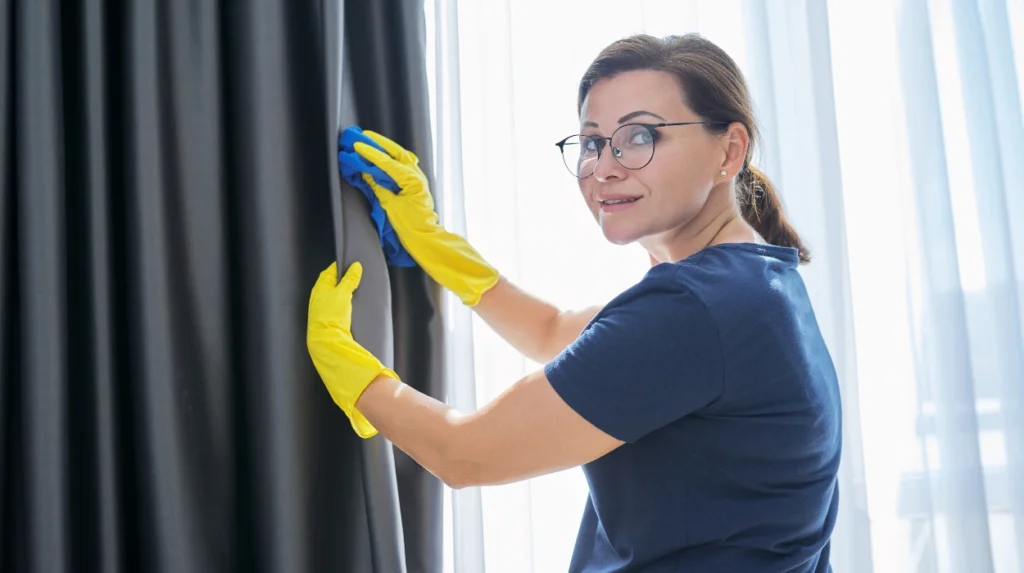
Curtains are positioned directly where air enters and exits a room, making them a key element in air circulation. They act as barriers that filter incoming air but also collect pollutants from both inside and outside sources. Over time, this dual exposure increases contamination levels within the fabric.
When heating or cooling systems operate, air movement pushes particles from the curtains into the room. This interaction highlights the importance of proper maintenance. Many homeowners explore solutions like safe curtain cleaning methods without removal to manage this efficiently while maintaining convenience.
Signs Your Curtains Are Affecting Air Quality
It is not always obvious when curtains are contributing to poor air quality, but certain signs can indicate a problem. Persistent dust in a room, even after cleaning, may point to contaminated fabrics. Unpleasant odors near windows or curtains also suggest trapped pollutants.
Another indicator is increased allergy symptoms indoors compared to outside environments. Curtains that appear dull, heavy, or slightly discolored are likely holding significant amounts of dirt. Addressing these signs early helps prevent further air quality deterioration and maintains a cleaner living space.
Why Regular Curtain Cleaning Is Essential
Regular curtain cleaning removes accumulated dust, bacteria, and allergens that standard household cleaning cannot reach. Fabric materials require specialized techniques to ensure deep cleaning without damage. This process improves both hygiene and the longevity of the curtains.
Services like Curtain Cleaning Services in Farnworth use appropriate methods such as steam cleaning or dry cleaning depending on the fabric type. These techniques extract contaminants effectively while preserving the texture and color of the material. Consistent maintenance ensures that curtains continue to support rather than harm indoor air quality.
Professional vs DIY Curtain Cleaning
While some homeowners attempt to clean curtains themselves, DIY methods often fall short of removing deeply embedded particles. Washing machines may not be suitable for all fabrics, and improper cleaning can lead to shrinkage or damage. Vacuuming alone only addresses surface dust and does not eliminate allergens.
Professional cleaning provides a more thorough solution by using industry-grade equipment and fabric-specific processes. This ensures complete removal of pollutants without compromising the curtain material. Those considering deeper cleaning solutions often look into professional curtain cleaning solutions for better long-term results.
Environmental Factors That Worsen Curtain Contamination
External factors such as traffic pollution, construction dust, and seasonal pollen can accelerate the contamination of curtains. In urban areas, fine particles easily enter through windows and settle into fabrics. Indoor activities like cooking and smoking also contribute to buildup over time.
Humidity plays a role as well, creating conditions for mold and bacteria growth within curtain fibers. These factors combined make regular cleaning essential, particularly in areas with higher environmental exposure. Maintaining clean curtains helps reduce the overall pollutant load within indoor spaces.
Choosing the Right Curtain Cleaning Approach
Selecting the appropriate cleaning method depends on the curtain fabric and level of contamination. Delicate materials require gentle handling, while heavier fabrics may need deep steam cleaning. Understanding these differences ensures effective cleaning without causing damage.
Professional providers like Bee Cleaning Services Manchester assess curtain types before applying suitable techniques. This approach ensures optimal results while maintaining fabric integrity. Choosing the right method not only improves cleanliness but also extends the lifespan of curtains.
Long-Term Benefits of Clean Curtains
Maintaining clean curtains contributes to better indoor air quality, improved health, and a more comfortable living environment. It also enhances the overall appearance of a room, making spaces feel fresher and more inviting. Clean fabrics reduce the spread of dust and allergens, supporting daily well-being.
Regular maintenance prevents the buildup of stubborn dirt that becomes harder to remove over time. This proactive approach saves time and effort in the long run. Investing in proper curtain care ensures a healthier indoor atmosphere and protects household furnishings.
Dirty curtains can quietly reduce indoor air quality by trapping and releasing pollutants into your living space. Regular and professional cleaning helps eliminate these contaminants and supports a healthier environment. Bee Cleaning Services Manchester provides effective cleaning solutions tailored to different curtain types, ensuring thorough removal of dust and allergens. With proper care and maintenance, curtains can continue to enhance both air quality and interior comfort.
Do dust mites live in curtains?
Yes, dust mites can live in curtains because fabric provides a perfect place for them to settle and feed on skin flakes. Dirty curtains can increase allergen levels, which directly affects indoor air quality.
How to detox from bad air quality?
Improving indoor air quality involves proper ventilation, using air purifiers, and removing dust sources like dirty curtains. Regular deep cleaning helps reduce pollutants and supports better breathing conditions.
Which juice cleans the lungs?
Juices rich in antioxidants such as carrot, beetroot, and citrus blends can support lung health. While they do not “clean” lungs directly, they help the body recover from exposure to polluted air.
What naturally kills bacteria in the air?
Natural ventilation, sunlight, and certain indoor plants can help reduce airborne bacteria. Keeping fabrics like curtains clean also plays an important role in minimizing bacterial buildup indoors.
Can you clean curtains in situ?
Yes, curtains can be cleaned in place using steam or specialized equipment without taking them down. This method is effective for maintaining cleanliness and improving indoor air quality with minimal disruption.