


Tenants can successfully manage a move-out clean by following a methodical, top-to-bottom checklist that mirrors professional standards and addresses high-traffic areas. While DIY efforts require significant time and specific supplies, focusing on deep-cleaning appliances, windows, and carpets ensures the property meets the rigorous expectations of landlord inspections.
End of Tenancy Cleaning Services in Farnworth provide deep cleaning that meets landlord inspection standards, offering a benchmark for what tenants should strive for during a DIY project. The process begins with decluttering the entire property to ensure every surface is accessible for scrubbing. Professionals suggest that the most common reason for deposit deductions is a lack of attention to detail in often-overlooked areas like skirting boards, light switches, and inside kitchen cabinetry. By approaching the task with the right tools and a clear plan, residents in Greater Manchester can bridge the gap between a standard domestic tidy and a professional-grade handover.
Essential supplies for a comprehensive end of lease clean
Before starting the cleaning process, gathering high-quality supplies is vital for achieving a finish that satisfies property managers. A powerful vacuum with upholstery attachments, microfibre cloths, degreasing agents, and glass cleaners form the foundation of a successful kit. Many tenants underestimate the need for specialized products like oven cleaners or limescale removers, which are essential for restoring kitchens and bathrooms to their original state. Having these items ready prevents interruptions and allows for a continuous workflow across the various rooms of the property.
Effective cleaning is not just about the chemicals used but also the mechanical action applied to surfaces. High-density foam sponges and non-scratch scourers are necessary for removing stubborn grime without damaging the landlord’s fixtures or fittings. It is also wise to have a telescopic duster to reach high corners where cobwebs tend to accumulate over time. By utilizing professional-grade tools, you can replicate the efficiency of expert teams who provide comprehensive move-out sanitation to ensure every nook and cranny is free from dust and debris.
The strategic importance of a top to bottom cleaning approach
Adhering to a top-to-bottom strategy is a fundamental rule in the cleaning industry that prevents cross-contamination and wasted effort. By starting with ceiling fans, light fixtures, and the tops of wardrobes, any dislodged dust falls onto lower surfaces that have yet to be cleaned. This logical progression ensures that floors, which are the final stage of the process, remain pristine once the work is complete. Skipping this order often leads to frustrating rework, as dust and cleaning spray residue can settle on already-polished surfaces below.
In the context of the living areas, this means dusting curtain rails and wiping down walls before moving to the furniture and eventually the carpets. Walls often harbor scuff marks that can be gently removed with a damp cloth or a specialized cleaning eraser, provided the paintwork is durable. Attention should also be paid to the internal glass of windows, ensuring a streak-free finish that allows natural light to highlight the cleanliness of the room. Understanding the duration of a deep clean helps in scheduling this systematic approach without rushing the final stages.
Achieving professional standards in the kitchen and bathroom
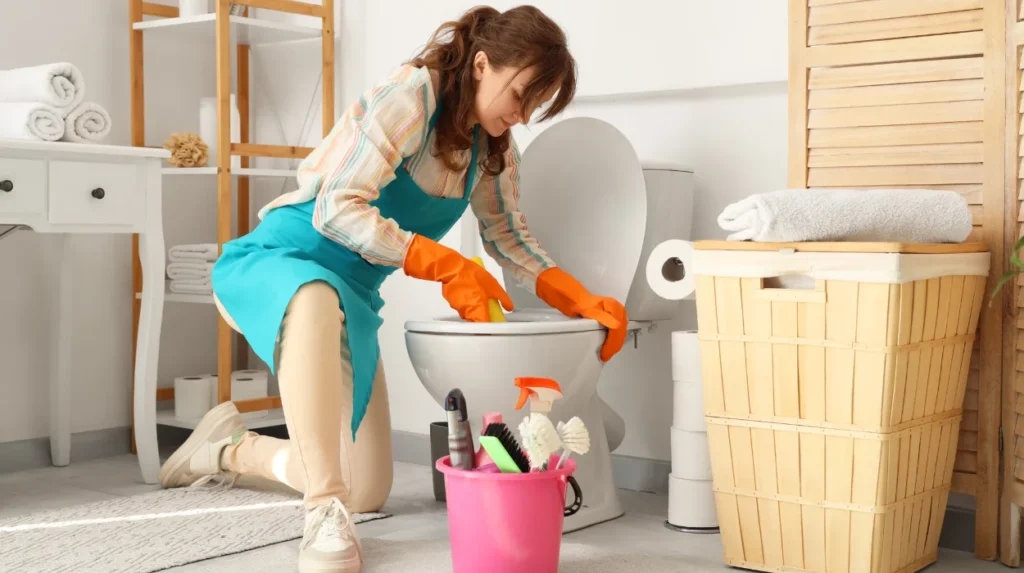
The kitchen is frequently the most scrutinized room during a checkout inspection due to the potential for grease buildup and food hygiene issues. Tenants should focus intensely on the oven, hob, and extractor fan, as these are primary targets for landlord complaints. Every shelf and drawer within the refrigerator and cupboards must be removed and washed in warm soapy water to eliminate crumbs and stains. Limescale around sinks and taps should be treated until the metal surfaces shine, reflecting a level of care that suggests the property has been well-maintained.
Bathrooms require a similar level of intensity, focusing on the removal of mould, mildew, and soap scum from tiles and grout lines. Toilet descaling is a critical task, as is the polishing of mirrors and shower screens to remove water spots. It is important to check the ventilation fans, which often clog with dust, potentially leading to moisture issues if left unaddressed. Ensuring these high-impact areas are flawless significantly increases the likelihood of a smooth transition. When the task feels overwhelming, many choose to hire local cleaning experts to handle the heavy lifting and guarantee a result that meets all contractual obligations.
Final touches and floor restoration for deposit protection
As the cleaning project nears completion, the focus shifts to the floors and the final walkthrough of the empty property. Carpets should be thoroughly vacuumed, and if significant staining is present, a steam cleaner may be required to lift deep-seated dirt. Hard floors, such as laminate or tile, should be mopped with the appropriate solution to avoid streaks or damage to the material. This final step acts as the “frame” for the rest of your hard work, providing that fresh, “just cleaned” scent that leaves a positive impression on the inspector.
The final walkthrough is the time to check the property against the original inventory report provided at the start of the lease. Ensure that all personal items have been removed and that the bins are empty and clean. Checking the functionality of lightbulbs and ensuring all surfaces are dry will prevent minor deductions that can add up quickly. Taking time-stamped photographs of every room provides a record of the condition in which you left the premises. This proactive approach, combined with diligent cleaning, serves as your best defense against potential disputes regarding the return of your security deposit.
Addressing common overlooked areas during a move out
While the main rooms receive the most attention, small details in transitional spaces often determine the success of a property inspection. Areas such as the inside of fitted wardrobes, the tops of internal doors, and the tracks of sliding doors are frequently missed by tenants during a DIY clean. Dust and debris tend to accumulate in these crevices, which can lead to minor yet costly deductions from a security deposit if noticed by an eagle-eyed landlord. Taking the time to wipe down every light switch and door handle also removes fingerprints and oils, contributing to a sanitized and well-cared-for appearance.
Furthermore, outdoor areas or utility spaces attached to the property should not be neglected in your final cleaning schedule. If your tenancy agreement includes a balcony, patio, or external storage cupboard, these must be swept and cleared of any cobwebs or rubbish. Many residents forget to clean the internal tracks of window frames, which can collect dead insects and grime over the course of a year. Ensuring these secondary spaces are as clean as the primary living areas shows a level of thoroughness that reflects well on the overall state of the home.
Impact of professional equipment on results
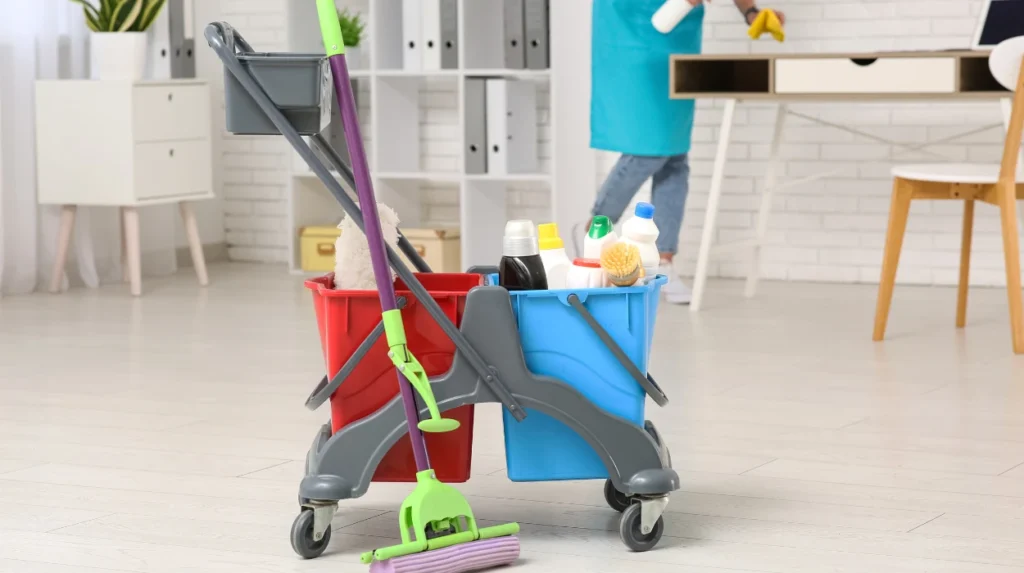
The difference between a standard household vacuum and industrial-grade extraction machinery can be significant when attempting to remove allergens and deep-seated dirt. Professional teams often use high-pressure steam cleaners that reach temperatures capable of killing bacteria and dissolving grease far more effectively than domestic mops. For tenants in Farnworth, accessing this level of equipment through End of Tenancy Cleaning Services in Farnworth can be the deciding factor in reviving a worn carpet or a heavily used kitchen. While DIY methods are commendable, the efficiency of commercial tools allows for a deeper level of sanitation in half the time.
Beyond just the machinery, the chemistry of professional-grade cleaning agents is formulated to tackle specific bonds, such as carbonized grease in ovens or mineral deposits in hard water areas. Using the wrong chemical on a delicate surface like natural stone or high-gloss cabinetry can cause permanent damage, leading to expensive repair bills. Professionals are trained to identify different material types and apply the correct pH-balanced solutions to ensure a perfect finish without any risk. This expertise ensures that even the most stubborn stains are addressed safely, leaving the property in a condition that is ready for the next occupants immediately.
Maintaining property standards in Greater Manchester
Bee Cleaning Services Manchester understands the high stakes involved for tenants during the relocation process and the pressure of meeting strict inventory requirements. Providing professional End of Tenancy Cleaning Services in Farnworth allows residents to focus on their move while experts handle the technical aspects of deep cleaning. Whether you choose to tackle the project yourself using these tips or seek professional assistance, the goal remains the same: a pristine property and a successful deposit recovery. Our team remains committed to delivering reliable cleaning solutions that support the local community throughout their moving journey.
Can a landlord take money from a deposit for cleaning?
Landlords are legally permitted to deduct funds from a security deposit if the property is not returned in the same state of cleanliness recorded at the start of the tenancy. However, they cannot charge for general wear and tear that occurs naturally over time through responsible habitation.
What is Section 47 of the landlord and tenant Act?
Section 47 requires that any written demand for rent or service charges must contain the landlord’s actual name and address. If this information is not provided, the tenant may have a legal right to withhold payments until the disclosure is properly made.
Who pays for damage caused by tenants?
Tenants are financially responsible for repairing or replacing items damaged through negligence, misuse, or accidental breakage during their stay. If these issues are not rectified before moving out, the landlord can deduct the repair costs from the security deposit.
What is the most important landlord responsibility?
The primary responsibility of a landlord is to ensure the property is fit for human habitation and kept in a good state of repair. This includes maintaining the structural integrity of the building and ensuring all water, gas, electricity, and heating systems function safely.
Who is responsible for end of tenancy cleaning?
The tenant is responsible for ensuring the property is cleaned to the standard it was in when they first moved in, as documented in the inventory. While you can perform a DIY clean, many choose End of Tenancy Cleaning Services in Farnworth to ensure the high standards required for a full deposit return are met.