


DIY window cleaning vs hiring a window cleaner in Oldham comes down to window height, available time and safety. DIY suits low, easy-reach glass, while a professional is the better choice for upper floors, conservatories and heavy build-up. Oldham homes deal with frequent rain, road dust and traffic film, so glass often looks dirty sooner than owners expect. Many people start with a bucket and a cloth, then notice streaks once the sun hits the glass. Others hire a specialist after the first attempt because reaching the upper windows feels unsafe. This guide compares both routes fairly, covering equipment, cost, safety, results and time. Bee Cleaning Services Manchester provides Window Cleaning Services in Oldham, so the points below reflect how the work is done in practice.
How Does DIY Window Cleaning Work at Home?
DIY cleaning usually starts with a bucket of warm water, a small amount of washing-up liquid and a soft cloth. You wipe the glass, clean the frame and sill, then dry the surface to reduce marks. This works well for ground floor windows and small panes that you can reach comfortably from a stable position. Regular light cleaning also stops dirt from bonding to the glass over time. The main limit is consistency, because household cloths and paper towels often leave lint and streaks behind. Hard water spots and old residue need more than a quick wipe to remove properly. If you are still deciding between cleaning windows yourself and using a specialist, that guide explains the basic methods in more detail. For a small flat or a few low windows, DIY remains a sensible and affordable routine.
Which Cleaning Equipment Makes the Biggest Difference?
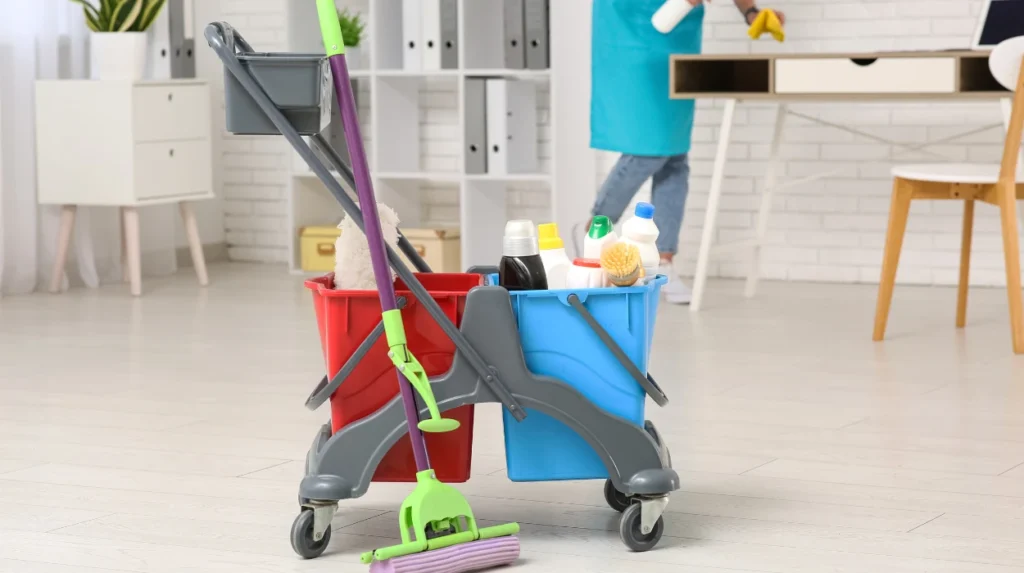
Cleaning equipment is the largest gap between a home clean and a professional finish. Home kits usually include a sponge, a spray bottle and a cloth, which handle surface dirt but little else. Professionals use squeegees, T-bar washers, microfibre cloths and scrapers matched to each type of glass. Water-fed pole systems with purified water let cleaners reach higher windows safely from the ground. Purified water dries without leaving mineral spots, so panes look clear once they dry. Buying similar cleaning equipment yourself costs money and takes practice to use properly. A poorly used squeegee can leave lines that look worse than the original dirt. For most households, owning a full kit only makes sense if windows are cleaned very often.
How Do Cost and Time Compare?
DIY looks cheaper at first because you only pay for basic supplies such as cloths and cleaning solution. However, the hours spent on ladders, rinsing and drying add up, especially in a larger house. An average semi-detached home can take several hours to clean inside and out. Professionals work faster because they carry suitable cleaning equipment and follow a set routine. Prices depend on the number of windows, access, property size and how often visits happen. Regular visits are often cheaper per clean than occasional heavy cleans of neglected glass. Extra charges may apply to conservatories, skylights or windows with severe staining. A written quote helps you compare fairly against your own time and effort. Once you count tools, time and repeat attempts, the price gap between both options often narrows.
What Are the Safety Risks of Cleaning Windows Yourself?

Safety is the strongest argument for hiring a professional. Ladders on uneven paths or wet ground cause many avoidable household falls. Leaning out of upper-storey windows to reach the outside glass is equally risky. Trained cleaners use water-fed poles, stable access methods and basic risk checks to reduce that danger. Insurance matters too, because accidental damage to glass or frames should be covered by the provider. With DIY, any injury or damage becomes your own responsibility and cost. If a window cannot be reached safely from the ground or a stable floor, it is better left to a trained cleaner.
Which Option Gives Better Results?
Streak-Free Finish and Clean Frames
Results depend on method, water quality and technique. Tap water contains minerals that leave spots as it dries on the glass. Professionals use purified water or suitable cleaning solutions to prevent this problem. They also clean frames, sills and seals, which collect dirt that later runs back onto clean glass. DIY cleaning often focuses on the glass alone, so frames stay grubby and undermine the finish. Double glazing, coated glass and older panes each need careful handling to avoid scratches. A trained cleaner recognises these differences and adjusts the method for each surface. The result is usually a clearer finish that lasts longer between cleans.
When Is It Worth Hiring a Window Cleaner in Oldham?
Hiring makes sense when windows are high, numerous or hard to access. It also suits landlords, shops and offices where appearance matters to visitors and tenants. Busy households often prefer a fixed schedule over finding spare time at the weekend. Bee Cleaning Services Manchester offers Window Cleaning Services in Oldham for homes and small businesses, covering glass, frames and sills. Homeowners can see how professional window cleaning in Oldham works for regular and one-off visits. Anyone comparing providers can also read about reliable and insured window cleaners in Oldham to know what to check before booking. Insurance, clear pricing, a stated method and local references are the main points worth confirming. A transparent provider explains exactly what is included before any work begins.
The right answer depends on access, time and the finish you expect. DIY is practical for a few low windows cleaned often. Hiring is better for height, size and steady upkeep across a whole property. DIY window cleaning vs hiring a window cleaner in Oldham is ultimately a question of safety and consistency rather than price alone. A balanced approach works well, with DIY on easy-reach glass and professional help where risk or effort grows. Bee Cleaning Services Manchester provides professional cleaning solutions, including Window Cleaning Services in Oldham, for people who want a safe and reliable result. Whichever route you take, regular cleaning protects glass and frames and keeps your property looking cared for.
Frequently Asked Questions
Is it cheaper to clean windows myself or hire someone?
DIY is cheaper per clean if you only need basic supplies and have easy-reach windows. Costs rise once you add ladders, better tools and several hours of your time. For larger homes, a regular professional visit can be better value.
What is the best homemade solution for streak-free windows?
A few drops of washing-up liquid in warm water works for most dirt. A mix of white vinegar and water helps with light spots. Always dry with a clean microfibre cloth or squeegee to avoid streaks.
Why do my windows still streak after cleaning?
Streaks usually come from dirty cloths, too much cleaning liquid or cleaning in direct sunlight. Tap water minerals can also leave marks as the glass dries. Use clean tools and work in shade.
How often should windows be cleaned in the UK?
Most homes benefit from cleaning every four to six weeks for a good appearance. Homes near busy roads or with heavy rainfall may need it more often. Commercial premises usually follow a fixed schedule.
Is a water-fed pole really better than a squeegee?
A water-fed pole is safer for high windows because you clean from the ground. It uses purified water, which dries spot-free. A squeegee still gives excellent results on reachable glass when used correctly.