

Offices are high-risk environments for the spread of germs due to shared equipment and close proximity between employees. Desks, keyboards, and phones can harbour bacteria that contribute to illness outbreaks. Without regular sanitisation, these surfaces become transmission points.
Professional desk sanitisation reduces this risk by eliminating harmful microorganisms before they spread. This leads to fewer sick days and more stable staffing levels, which is essential for maintaining productivity. Research shows that improved cleaning practices can significantly reduce absenteeism and support overall workplace health.
Cleaner air quality also plays a role in reducing illness. Dust and allergens that accumulate on desks and surfaces can trigger respiratory issues, affecting employee performance. Regular sanitisation combined with professional cleaning improves indoor conditions, helping employees stay healthy and productive.
The Role of Professional Cleaning in Workplace Efficiency
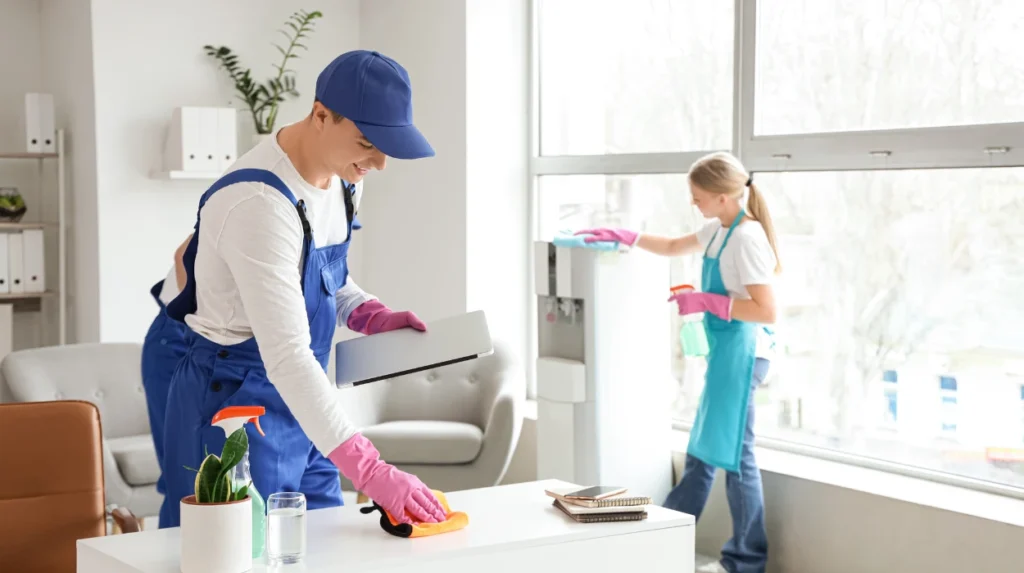
Professional cleaning services go beyond routine tidying by implementing structured and consistent cleaning schedules. This ensures that desk sanitisation is carried out regularly rather than reactively. Consistency is key to maintaining hygiene standards and preventing the buildup of contaminants.
When employees are not responsible for cleaning their own workspaces, they can focus entirely on their core tasks. This eliminates time lost on non-productive activities and improves overall efficiency. Professional cleaners handle everything from surface disinfection to waste management, creating a seamless workflow environment.
Bee Cleaning Services Manchester provides this structured approach through Office Cleaning Services in Farnworth, ensuring that every desk and shared surface is maintained to a high standard. This level of reliability supports long-term productivity rather than short-term improvements.
Desk Sanitisation and Employee Morale
A clean and sanitised desk sends a strong message to employees that their health and comfort are valued. This has a direct impact on morale and job satisfaction. Employees who feel cared for are more likely to stay engaged and motivated in their roles.
Clean workspaces also create a positive atmosphere that encourages collaboration and professionalism. When employees walk into a fresh, organised office, it sets the tone for a productive day. This psychological effect is often overlooked but plays a significant role in workplace performance.
Higher morale leads to better teamwork, improved communication, and increased retention. These factors contribute to overall business success, making desk sanitisation an essential part of workplace management rather than an optional service.
Long-Term Business Benefits of Desk Sanitisation
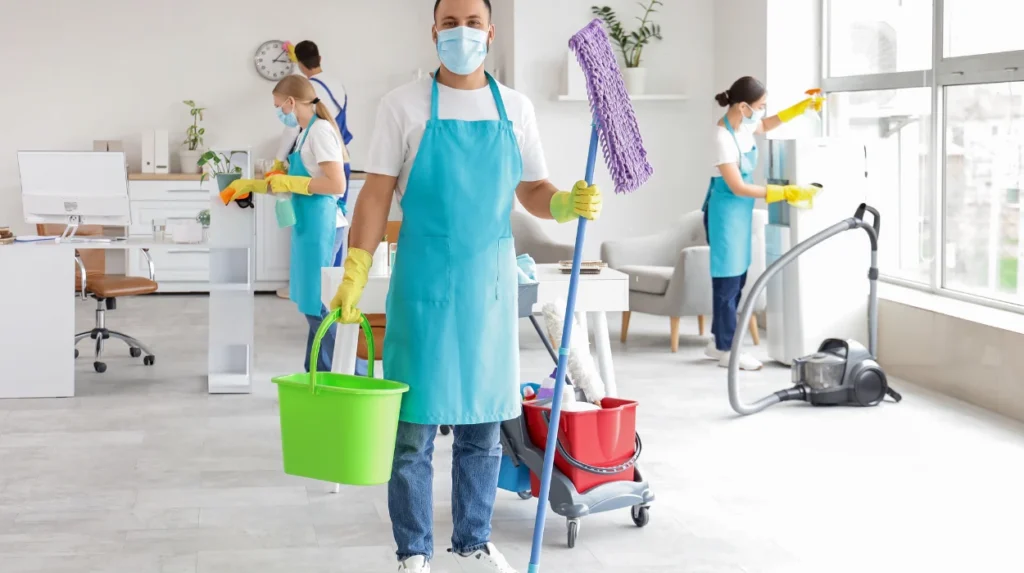
Beyond immediate productivity improvements, desk sanitisation contributes to long-term business outcomes. Regular cleaning helps maintain office equipment, reducing wear and extending its lifespan. This minimises replacement costs and supports operational efficiency.
A consistently clean office also enhances the company’s professional image. Clients and visitors are more likely to trust and engage with businesses that maintain high hygiene standards. This can influence business relationships and opportunities over time.
For organisations in Farnworth, adopting professional desk sanitisation as part of Office Cleaning Services in Farnworth ensures sustainable performance improvements. It aligns workplace hygiene with broader business goals such as employee wellbeing, efficiency, and brand reputation.
Integrating Desk Sanitisation into a Cleaning Strategy
Desk sanitisation should not be treated as a one-time task but as part of an ongoing cleaning strategy. Businesses benefit most when sanitisation is integrated into daily or weekly cleaning routines, depending on office usage.
A comprehensive cleaning plan includes desk sanitisation, floor cleaning, waste management, and air quality maintenance. This holistic approach ensures that all aspects of the office environment support productivity.
For further insights into environmentally responsible cleaning methods, businesses can explore green cleaning practices for offices . This helps organisations align hygiene with sustainability goals while maintaining performance standards.
Companies ready to implement structured cleaning solutions can review professional office cleaning solutions for businesses to understand how services are tailored to different needs. Additionally, businesses looking to improve workplace outcomes can consider reliable office hygiene improvement services for consistent results.
Professional desk sanitisation is a practical and effective way to improve staff productivity by creating a cleaner, healthier, and more organised workspace. It reduces illness, enhances focus, and supports employee morale, all of which contribute to better business performance.
Bee Cleaning Services Manchester delivers structured and reliable cleaning solutions, including Office Cleaning Services in Farnworth, helping businesses maintain high hygiene standards without disrupting daily operations. Over time, this consistent approach ensures that workplace cleanliness becomes a driver of productivity rather than just a maintenance task.
What is the 3 3 3 rule for productivity?
The 3 3 3 rule divides your day into 3 hours of deep work, 3 smaller tasks, and 3 maintenance tasks. It helps reduce distractions and improves focus, which aligns with clean, organised desks boosting efficiency.
How does good housekeeping promote productivity?
Good housekeeping keeps workspaces clean, organised, and hygienic, reducing distractions and illness. This creates a more focused environment where employees can work efficiently without interruptions.
What are the 5 D’s of productivity?
The 5 D’s typically include Do, Defer, Delegate, Delete, and Diminish. These help prioritise tasks effectively, ensuring time is spent on high-value work rather than unnecessary activities.
How to increase your productivity at work?
Maintain a clean workspace, prioritise tasks, minimise distractions, and follow structured work methods. Professional desk sanitisation also supports better health and consistent performance.
What is the 4-hour rule for productivity?
The 4-hour rule focuses on limiting work to highly productive hours with deep focus and planned breaks. Similar methods show that concentrated work periods improve efficiency and reduce burnout.