

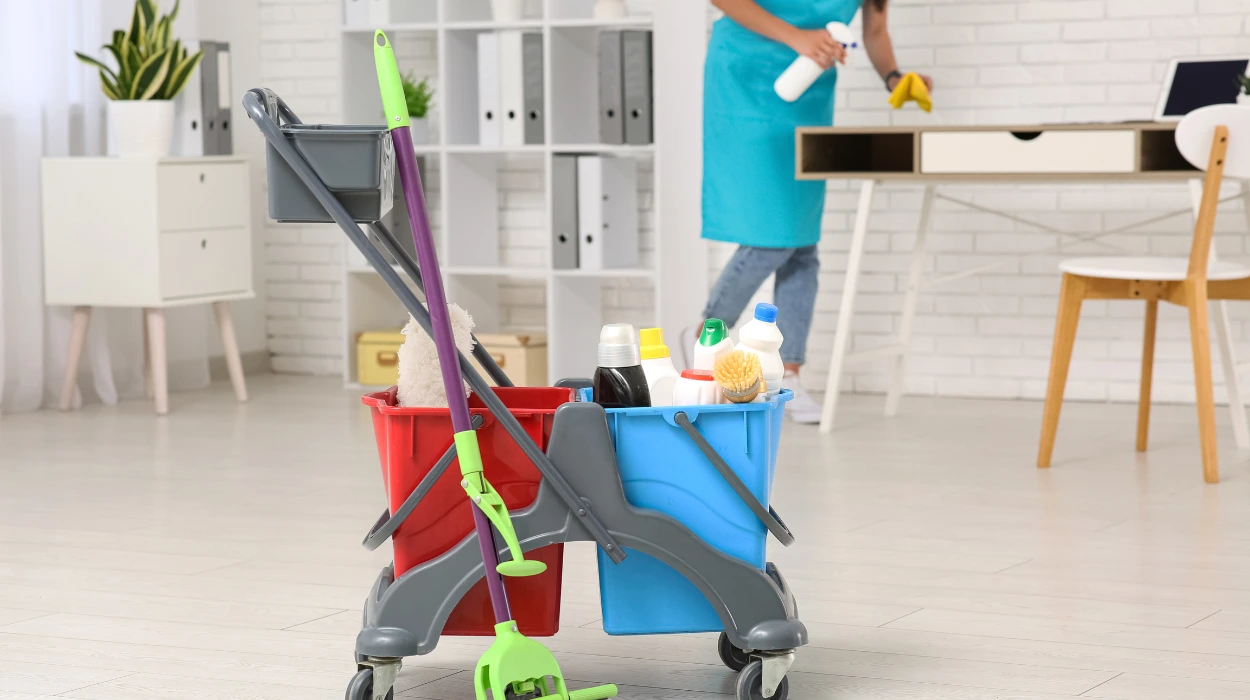
Ndis Cleaning Services in Farnworth can be scheduled as often as a participant’s plan allows, depending on individual needs and approved funding. Frequency is typically based on support requirements, living conditions, and NDIS plan goals.
Understanding how often cleaning services can be arranged is essential for participants, carers, and coordinators who want to maintain safe, hygienic living environments. Bee Cleaning Services Manchester supports this by aligning professional cleaning schedules with NDIS guidelines and individual care plans.
Understanding NDIS Cleaning Support Frequency
NDIS cleaning services are not one size fits all, and the frequency depends largely on the participant’s level of support needs. Individuals with higher care requirements or mobility challenges may need weekly or even multiple visits per week to maintain cleanliness and safety. Others with moderate needs may schedule fortnightly or monthly services. The National Disability Insurance Scheme focuses on reasonable and necessary supports, which means cleaning must directly contribute to the participant’s well-being. Service providers like Bee Cleaning Services Manchester follow structured plans to ensure cleaning aligns with approved funding. This ensures consistency while avoiding unnecessary service gaps.
The type of residence also plays a role in determining how often services are required. Larger homes or shared living spaces typically require more frequent cleaning due to higher usage of kitchens, bathrooms, and communal areas. Environmental factors such as pets, allergens, or medical conditions can further increase cleaning frequency. Participants who are sensitive to dust or bacteria may need more regular deep cleaning sessions. NDIS planners consider these aspects when approving support hours. This ensures that the cleaning schedule is practical and beneficial rather than excessive or insufficient.
Factors That Influence Cleaning Frequency
Several key factors influence how often NDIS cleaning services are scheduled, and understanding them helps participants manage their plans effectively. One major factor is the participant’s functional capacity, which determines how much cleaning they can do independently. Those with limited mobility or chronic health conditions often require more consistent professional assistance. Another factor is the type of cleaning required, whether it is general maintenance or deep cleaning. General cleaning may be needed weekly, while deep cleaning might occur monthly or quarterly. Bee Cleaning Services Manchester structures services accordingly to maintain both hygiene and efficiency.
Funding allocation within the NDIS plan is another important consideration. Participants with higher allocated budgets for core supports can access more frequent cleaning services. Conversely, those with limited funding may need to prioritise essential tasks over full-home cleaning. Plan management type also plays a role, as self-managed participants have more flexibility in choosing frequency. Plan-managed participants must ensure services align with approved budgets and provider agreements. This balance between funding and need determines a sustainable cleaning schedule.
Types of Cleaning Services Covered Under NDIS

NDIS cleaning services typically include a range of tasks designed to support safe and healthy living conditions. These tasks often cover vacuuming, mopping, dusting, bathroom sanitation, and kitchen cleaning. For participants with complex needs, services may extend to specialised cleaning such as infection control or allergen reduction. Ndis Cleaning Services in Farnworth are structured to address both routine upkeep and more intensive cleaning requirements. This ensures that participants can maintain independence without compromising hygiene standards. Bee Cleaning Services Manchester adapts services to match these varying requirements.
Deep cleaning services are usually scheduled less frequently but are essential for maintaining long-term cleanliness. These may include carpet cleaning, upholstery cleaning, and detailed kitchen or bathroom sanitisation. Participants with medical conditions may require more frequent deep cleaning to reduce health risks. Providers assess the condition of the home and recommend appropriate intervals for these services. This ensures that both visible and hidden dirt or bacteria are effectively managed. A balanced approach between regular and deep cleaning is key to maintaining a healthy environment.
Weekly vs Fortnightly vs Monthly Cleaning
Weekly cleaning is often recommended for participants who require consistent support due to mobility or health limitations. This frequency ensures that essential areas such as bathrooms and kitchens remain hygienic at all times. It also prevents the buildup of dirt, which can become difficult to manage over time. Participants living in high-traffic households may benefit most from weekly cleaning schedules. Bee Cleaning Services Manchester provides structured weekly plans to maintain high standards of cleanliness. This approach reduces the risk of health issues related to poor hygiene.
Fortnightly cleaning is suitable for participants who can manage light cleaning tasks independently but still need professional support. This option provides a balance between independence and assistance, ensuring that deeper cleaning tasks are handled effectively. Monthly cleaning is typically reserved for participants with minimal support needs or limited funding. While less frequent, it still ensures that essential areas receive professional attention. Choosing the right frequency depends on individual circumstances rather than a fixed standard. This flexibility is a core principle of NDIS support services.
Role of Plan Management in Cleaning Frequency
The way an NDIS plan is managed can significantly influence how often cleaning services are accessed. Self-managed participants have greater flexibility to choose providers and adjust service frequency as needed. This allows them to respond quickly to changes in their living conditions or health requirements. Plan-managed participants, on the other hand, work with a financial intermediary who ensures that services remain within budget. This may require more structured scheduling and approval processes. Understanding these differences helps participants make informed decisions about their cleaning needs.
For a deeper understanding of how plan types impact service choices, exploring a guide on choosing between self managed and plan managed NDIS cleaning can provide clarity. This information helps participants align their cleaning frequency with their management style. It also ensures that services remain compliant with NDIS guidelines. Bee Cleaning Services Manchester works with both self-managed and plan-managed participants to deliver consistent and reliable cleaning support. This adaptability ensures that all participants receive appropriate care regardless of plan type.
Importance of Consistency in Cleaning Services
Consistency is one of the most important aspects of NDIS cleaning services, as irregular cleaning can lead to hygiene issues and increased health risks. Regular cleaning schedules help maintain a safe environment, especially for participants with compromised immune systems. Consistent services also reduce the need for intensive deep cleaning, which can be more costly and time-consuming. By maintaining a routine, participants can ensure that their living spaces remain comfortable and manageable. Bee Cleaning Services Manchester emphasises structured schedules to support long-term cleanliness.
Consistency also contributes to mental well-being, as a clean and organised environment can reduce stress and improve overall quality of life. Participants who receive regular cleaning support often report better comfort and independence in their homes. This highlights the importance of aligning cleaning frequency with individual needs rather than treating it as an occasional service. Reliable scheduling ensures that participants do not experience gaps in essential support. This approach reflects the broader goals of the NDIS framework.
Aligning Cleaning Services with NDIS Goals

NDIS plans are designed to support independence, safety, and quality of life, and cleaning services play a direct role in achieving these goals. A clean environment reduces risks such as slips, infections, and respiratory issues, which can impact daily living. Participants are encouraged to use their plans in a way that maximises these benefits. Ndis Cleaning Services in Farnworth are structured to support these outcomes through tailored cleaning schedules. Bee Cleaning Services Manchester ensures that every service aligns with these broader objectives.
Cleaning services also support participants in maintaining their homes independently, which is a key goal of the NDIS. By outsourcing physically demanding tasks, participants can focus on other aspects of their daily lives. This balance between support and independence is central to effective NDIS planning. Service providers play a crucial role in maintaining this balance through flexible and responsive cleaning schedules. This ensures that participants receive the right level of support at the right time.
Choosing the Right Cleaning Provider
Selecting a reliable cleaning provider is essential for ensuring consistent and high-quality services. Providers must understand NDIS guidelines and be able to adapt services to individual participant needs. Experience in handling complex support requirements is particularly important for participants with higher care needs. Bee Cleaning Services Manchester offers structured cleaning solutions designed to meet these expectations. Their approach focuses on safety, reliability, and alignment with NDIS standards.
When evaluating providers, participants should consider factors such as flexibility, experience, and service range. It is also important to ensure that the provider can deliver both regular and deep cleaning services as needed. For those exploring professional support options, learning more about tailored NDIS home cleaning support options can provide valuable insights. This helps participants make informed decisions that align with their plans and personal preferences. A well-chosen provider ensures long-term satisfaction and consistent service delivery.
The frequency of NDIS cleaning services depends on individual needs, plan funding, and living conditions, making it a highly personalised aspect of support. Participants may receive weekly, fortnightly, or monthly services based on their specific requirements and goals. Consistency, plan management type, and provider reliability all play a role in determining the most effective schedule. Bee Cleaning Services Manchester delivers professional cleaning solutions that align with NDIS standards and participant needs. Their structured approach ensures that every service contributes to a safe, clean, and supportive living environment.
What type of service is NDIS?
The National Disability Insurance Scheme provides funding for essential support services, including cleaning, to help people with disabilities live independently. Local Farnworth NDIS cleaners deliver tailored cleaning solutions aligned with participant care plans and complex support needs.
What are the 14 disabilities?
NDIS covers a wide range of permanent and significant disabilities, often grouped into categories like physical, intellectual, sensory, psychosocial, and neurological conditions. Local Farnworth NDIS cleaners adapt their services to suit these diverse needs, ensuring safe and appropriate cleaning support.
How much to pay a cleaner for 3 hours?
The cost for 3 hours of cleaning varies based on location, service complexity, and whether it is NDIS-funded. For complex support needs, Local Farnworth NDIS cleaners may follow approved pricing guidelines to ensure services remain compliant and high quality.
What is the 20 minute rule in cleaning?
The 20 minute cleaning rule involves focusing on one task for a short, manageable time to maintain consistency and reduce overwhelm. Local Farnworth NDIS cleaners may use structured approaches like this to maintain efficiency while supporting participants with complex needs.
What is the 6 10 rule?
The 6 10 rule typically refers to cleaning high-use areas daily and less-used spaces periodically to maintain hygiene balance. Local Farnworth NDIS cleaners apply such methods to ensure consistent cleanliness while adapting to individual support requirements.