

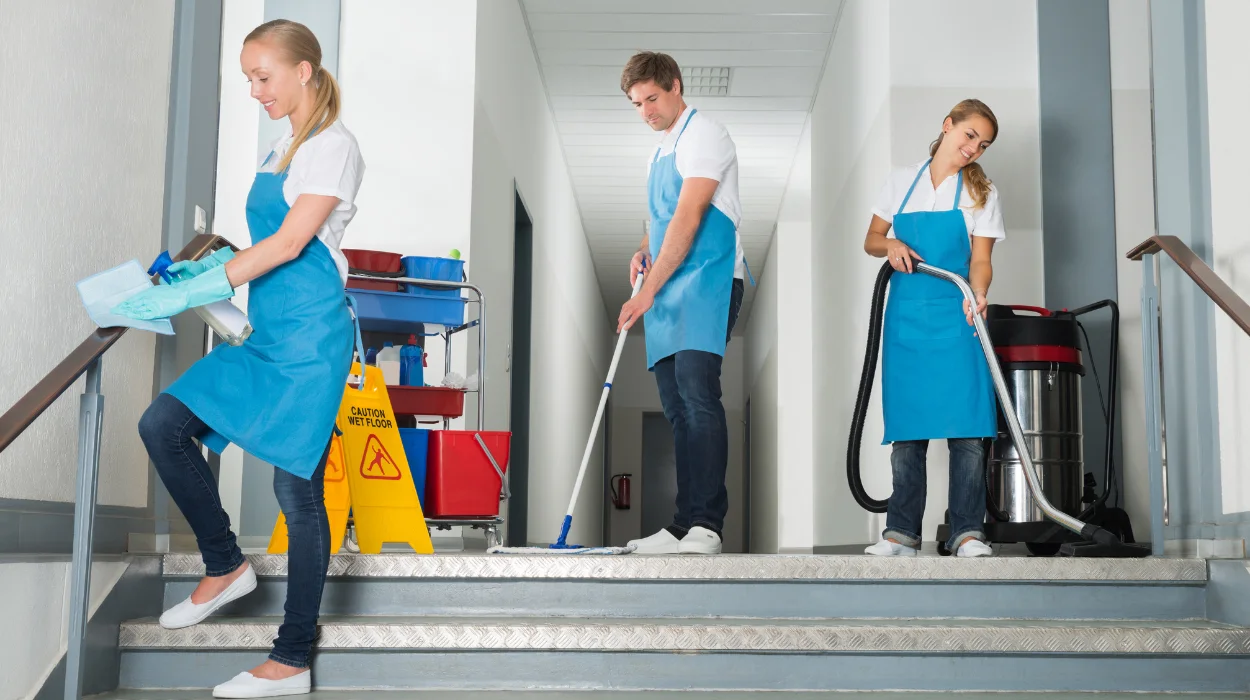
An authoritative guide to After Builders Cleaning in Oldham helps property owners safely eliminate fine white masonry residue, plaster film, and airborne tracking debris from every surface. By implementing systemic, top-to-bottom containment and extraction strategies, you can prevent micro-particles from permanently settling into your carpets, upholstery, and ventilation systems.
Building work invariably introduces millions of microscopic particulates into the indoor air, which eventually coat every square inch of walls, ceilings, and light fixtures. Standard domestic vacuums and simple sweeping methods fail because they merely recirculate these ultra-fine particles back into your breathing zones rather than trapping them. Executing an orderly decontamination plan ensures that your property transitions from an active building site into a healthy, hygienic home environment.
Understanding the unique behavior of structural material residues allows you to approach the cleanup process with the correct physical tools and protective measures. This comprehensive Construction Dust Removal Guide After Home Renovation Oldham details the scientific phases required to neutralise airborne hazards, clean hard surfaces without scratching, and extract deep-seated pollutants. Adhering to these professional steps protects both your fresh interior finishes and your long-term respiratory health.
Establishing Structural Air Containment and Particle Filtration
The initial stage of structural decontamination relies heavily on managing airflow and trapping airborne pollutants before they can settle onto finished materials. Microscopic drywall particulate can remain suspended in stagnant indoor air for several days, meaning any premature surface cleaning will quickly be ruined by falling debris. Property owners should isolate the recently renovated zones by sealing internal doorways with heavy-duty polythene sheeting and masking all HVAC return vents.
Deploying specialized air scrubbers or commercial-grade air purifiers equipped with certified High-Efficiency Particulate Air filters is standard practice during an After Builders Cleaning in Oldham service. These heavy-duty filtration units draw massive volumes of ambient air through a multi-stage matrix, capturing fine masonry elements down to fractions of a micron. Leaving these systems running continuously throughout the initial extraction phases significantly reduces the volume of airborne debris that can settle on freshly painted walls.
While mechanical air filtration operates in the center of the rooms, you must also allow fresh air circulation to assist in flushing out chemical odors or paint fumes. Opening exterior windows in the affected zones creates a controlled cross-breeze that naturally guides floating particles away from the clean, unrenovated areas of the building. Once the ambient air quality stabilizes, the physical extraction of settled materials can begin from the highest structural points down to the floors.
Implementing Top-to-Bottom Dry Extraction Techniques
Physical cleaning must always begin at the absolute highest point of a room, including ceiling coving, light fixtures, and upper window frames, to capitalize on gravity. Dry extraction methods must precede any wet wiping because adding water directly to dry plaster powder instantly creates a thick, smudgy slurry paste. Using long-reach telescoping poles fitted with static-charging microfiber heads allows you to gently pull fine dust off vertical plasterboard without scratching the paint.
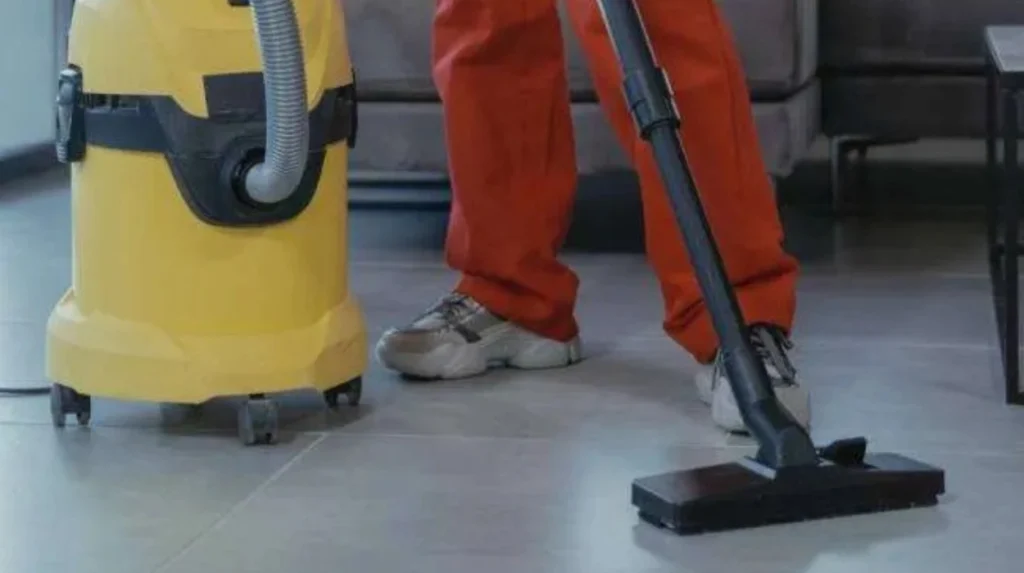
Standard household vacuum cleaners should never be used during this phase because their exhaust ports blow micro-particles straight back into the room while clogging their small motors. Professional crews use heavy-duty industrial vacuums featuring multi-stage filtration and automated filter-shaking mechanisms to maintain continuous suction across large areas. Carefully vacuuming structural elements like window tracks, door frames, and wall skirting blocks removes the bulk bulk of material before fine detailing occurs.
Special attention must be paid to internal joinery, including built-in wardrobes, kitchen cabinets, and shelving units, where hidden construction debris hides in corner hinges. Every shelf must be methodically vacuumed using soft brush attachments that break the static bond of the dust without gouging soft timber or laminate finishes. Once all high-level dry extraction is complete, the remaining surface layers are ready for targeted damp wiping and chemical stabilization.
Executing Strategic Damp Wiping and Surface Neutralization
Dry techniques remove the loose bulk of the debris, but a fine, stubborn electrostatic film will usually remain bound to smooth household surfaces. Neutralizing this film requires using clean, damp microfiber cloths that are folded into quadrants and flipped frequently to prevent shifting grime from scratching gloss finishes. Using specialized rinsing agents or weak acidic mixtures helps dissolve alkaline masonry residues without stripping away newly applied wood stains or varnishes.
Wall surfaces require gentle vertical passes starting from the top ceiling boundary line down to the floorboards to ensure no tracking lines are left behind. Hardwood trim, window ledges, and metal fixtures must be wiped down multiple times, changing the rinse water buckets the moment they start looking cloudy or opaque. This meticulous attention to detail mimics the exact steps used in top-tier how can homeowners handle post renovation rubble and dust safely practices across Greater Manchester.
[Dry Extraction Phase] -> [Air Filtration Buffer] -> [Damp Microfiber Pass] -> [Tactile QC Inspection]
Flooring materials require distinct care depending on whether you are working with porous natural stone, luxury vinyl tiles, or delicate hardwood planks. Mopping should be executed with dual-bucket systems that separate the dirty extraction water from the clean neutralising solution to stop cross-contamination. Rushing this stage often leaves a streaky, white haze that appears as soon as the floor dries, indicating that fine particles are still present.
Restoring Carpets and Upholstered Fabrics Through Deep Extraction
Soft furnishings and deep-pile carpets act like giant filters during a home renovation, absorbing massive volumes of fine grit deep into their base backings. Walking on carpets that contain hidden construction dust grinds the sharp, abrasive particles against the textile fibers, causing premature bald spots and graying tracks. Thoroughly vacuuming these fabrics from multiple intersecting angles with a motorized rotating brush head is mandatory before introducing any liquid treatments.
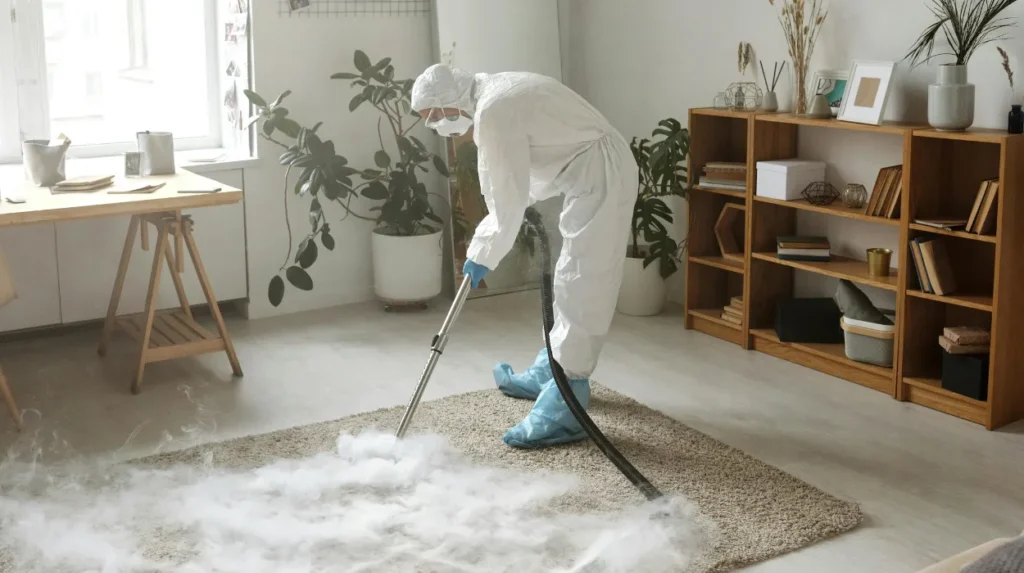
If the property has undergone extensive alterations, simple vacuuming is rarely enough, and a hot water extraction process becomes necessary to flush out deep-set grit. Professional carpet cleaning machines pump hot neutralizing solutions deep into the textile pile while simultaneously pulling the dirty slurry out with immense vacuum pressure. This process is fully detailed in our specialized guide on After Builders Cleaning Services in Oldham or Kitchen and Bathroom Renovation, which highlights industrial fiber restoration.
All upholstered items, drapes, and fabric blinds should be treated with identical care using specialized hand tools that match the delicate nature of the weave. Checking the manufacturer tags ensures that no water-sensitive fabrics suffer from shrinkage or water staining during the deep extraction process. Once all soft materials are completely dry, a final preventative vacuuming ensures that any residual particles floating down during the drying phase are completely eliminated.
Final Quality Control Inspections and Mechanical System Checks
The final step in a comprehensive post-renovation cleanup involves a systematic inspection of all hidden zones and mechanical air handling systems. Construction dust easily migrates inside electrical wall sockets, light switches, and light fittings, creating potential long-term safety hazards if left uncleaned. Using specialized, non-conductive tools and dry air bursts allows you to safely clear these tiny cavities without risking damage to your new wiring.
You must also inspect and replace all internal air filters within your heating and ventilation units, as these will be clogged with fine renovation debris. Running a system with dirty, dust-choked filters reduces its heating efficiency and continuously blows fine white dust back into your clean living spaces. Wiping down the exterior vent grilles and vacuuming as far into the duct openings as possible ensures long-term freshness and clean breathing air.
Conducting a final tactile inspection involves sliding a dark microfiber cloth across hard-to-see areas like the tops of doors and picture rails. If the cloth comes away clean without any white residue, the property is officially safe, sanitary, and ready for regular daily use. For homeowners who lack the specialized machinery or time required for this intensive labor, hiring professional teams guarantees an immaculate finish.
Successfully managing the cleanup after property renovations requires patience, structural methodology, and industrial-grade equipment to completely eradicate fine debris. While DIY efforts can handle small cosmetic adjustments, major structural remodels produce volume levels of dust that standard household appliances simply cannot manage safely. Bee Cleaning Services Manchester provides comprehensive, professional cleaning solutions tailored to safely restore your home to an immaculate, dust-free condition.
Frequently Asked Questions
How long does it take for construction dust to completely settle after a home renovation?
Fine renovation particles can remain suspended in the air for up to seventy-two hours after construction work finishes before completely settling on surfaces. Factors such as indoor humidity levels, air movement, and the efficiency of your ventilation systems will heavily influence this settling timeline. Running professional air scrubbers during this window helps trap suspended debris before it lands on your clean walls and furniture.
Can I use a standard household vacuum cleaner to clean up plaster and drywall dust?
No, standard household vacuums should never be used because ultra-fine plaster dust quickly passes straight through basic domestic filters and damages the electric motor. It also blows the micro-particles back out through the exhaust vent, spreading the pollution into other rooms of your home. Always use an industrial vacuum cleaner equipped with a certified, multi-stage HEPA filtration system designed for masonry dust.
Why does a white powdery haze keep appearing on my hard floors after mopping them?
A persistent white haze indicates that fine masonry dust is still floating in the air or is being smeared across the floor by a dirty mop. Using a single bucket system simply recirculates the dissolved plaster powder back onto the floor, where it dries into a visible film. To fix this problem, use a dual-bucket mopping system and change your rinsing water frequently until all residue is gone.
How do I safely clean fine construction debris off newly painted walls without ruining the paint?
You should always start with dry extraction by using a static-charging microfiber duster or a soft brush vacuum tool to lift loose particles. Avoid scrubbing walls with wet cloths immediately, as this can turn dry plaster powder into a muddy paste that stains new paint. If a damp wipe is needed, use a lightly misted microfiber cloth and apply very gentle vertical pressure across the surface.
Should I clean my property’s heating and ventilation ducts after a major home remodel?
Yes, cleaning your ventilation ducts and replacing all air filters is vital because construction dust easily migrates into HVAC systems. Leaving these areas dirty means your system will continuously blow fine white dust into your living spaces whenever the fans turn on. Thoroughly cleaning the grilles and replacing internal filters protects your equipment and ensures healthy indoor air quality.