


You can clean oven racks without heavy scrubbing by soaking them in a solution of warm water and dish soap or using the bathtub method with biological laundry detergent. These methods break down carbonized grease and burnt-on food particles overnight, allowing the grime to be wiped away easily with a soft sponge or cloth.
The Science of Grease Accumulation on Oven Racks
Oven racks are subject to extreme thermal cycles that cause grease and food particles to polymerize onto the metal surfaces. This chemical process creates a hard, varnish-like layer that resists standard wiping and light cleaning agents. Understanding the nature of these bonds is essential for choosing a cleaning method that dissolves the residue rather than relying on physical force. When fats are heated repeatedly, they undergo oxidation and polymerization, turning into a stubborn carbon layer that bonds tightly to the chrome or stainless steel finish of the racks.
Effective cleaning requires a chemical intervention that can penetrate these polymerized layers without damaging the structural integrity of the metal. Many homeowners resort to abrasive scouring pads, which can create micro-scratches on the rack surface. These tiny imperfections actually provide more surface area for future grease to cling to, making subsequent cleaning cycles even more difficult. A more strategic approach involves using surfactants and softening agents that work over several hours to loosen the bond between the grime and the metal.
Utilizing the Bathtub Soaking Method for Deep Cleaning
One of the most effective ways to treat heavily soiled racks involves using the bathtub as a large soaking vessel. By lining the tub with old towels to prevent scratching the enamel, you create a controlled environment where the racks can be fully submerged in a concentrated cleaning solution. This method relies on time rather than physical effort, allowing the cleaning agents to work through the thickest layers of carbonized food. Filling the tub with hot water and dissolving several scoops of biological laundry detergent provides the enzymes necessary to digest organic matter.
Biological detergents are particularly effective because they contain enzymes like lipases and proteases that specifically target fats and proteins. As the racks soak for several hours or even overnight, these enzymes break down the molecular structure of the burnt-on spills. This process transforms a hard, crusty layer into a soft, manageable sludge that can be rinsed away with minimal resistance. For those seeking professional results, utilizing expert oven maintenance solutions ensures that even the most stubborn residues are removed without risking damage to the household plumbing or the racks themselves.
The Power of Baking Soda and Vinegar Reactions
A popular household alternative involves the chemical reaction between sodium bicarbonate and acetic acid to lift surface debris. When baking soda is applied as a paste to the oven racks and then sprayed with white vinegar, the resulting carbon dioxide gas creates a bubbling action. This mechanical agitation occurs at a microscopic level, helping to physically lift layers of grease away from the metal. While this method is less aggressive than commercial degreasers, it is highly effective for maintenance cleaning where the buildup has not yet fully carbonized.
For the best results with this method, the racks should be thoroughly coated in the alkaline paste and allowed to sit for at least thirty minutes before the acidic vinegar is introduced. The fizzing reaction helps to penetrate the porous structure of the grease, making it easier to wipe clean with a microfiber cloth. This approach is favored by those who prefer to avoid strong fumes or harsh industrial chemicals in their kitchen environment. However, for extremely neglected ovens, a more robust strategy might be required to restore the metal to its original factory shine.
Assessing the Benefits of Professional Cleaning Interventions

While DIY methods provide a baseline for cleanliness, there are distinct advantages to choosing specialized services for deep restoration tasks. Professionals use industrial-grade, non-toxic dip tanks that maintain consistent temperatures and chemical concentrations far beyond what is achievable in a domestic setting. These systems are designed to strip away years of accumulated carbon in a fraction of the time it takes for home soaking methods to work. Comparing the efficiency of specialist cleaning versus home methods reveals that professional equipment often reaches crevices that manual scrubbing simply cannot access.
Bee Cleaning Services Manchester utilizes specific techniques that protect the finish of the oven racks while ensuring total hygiene. In many cases, the time and effort saved by outsourcing this task outweigh the costs of purchasing various cleaning products and spending hours monitoring soak times. Professional technicians also possess the expertise to identify the material of the racks, ensuring that the cleaning agents used will not cause discoloration or corrosion. This high level of care extends the lifespan of the appliance and ensures that the oven operates at peak thermal efficiency without the smell of burning grease.
Safety Considerations for Chemical Cleaning Agents
When attempting to clean oven racks without scrubbing, it is vital to consider the safety implications of the chemicals being used. Ammonia is a common suggestion in many online forums, yet it produces potent fumes that can be hazardous in poorly ventilated spaces. If using ammonia, the racks must be sealed in heavy-duty plastic bags and left outdoors or in a garage to prevent the buildup of toxic vapors inside the home. Furthermore, certain commercial oven cleaners are highly caustic and can cause chemical burns if they come into contact with the skin or eyes.
Appropriate personal protective equipment, such as long rubber gloves and eye protection, should always be worn when handling strong degreasers. It is also important to ensure that the cleaning area is well-ventilated to allow any chemical odors to dissipate quickly. For residents who prefer to avoid these risks entirely, seeking out the top-rated cleaning professionals in the area is a safer alternative. These experts are trained in the safe handling of specialized cleaning solutions, providing a deep clean that is both effective and environmentally responsible within the domestic environment.
Maintaining Your Oven Racks Between Deep Cleans
Once the oven racks have been restored to a clean state, implementing a regular maintenance schedule can prevent the need for future heavy scrubbing. Wiping down the racks with a damp cloth after the oven has cooled down but is still slightly warm can remove fresh grease before it has the chance to polymerize. This simple habit keeps the carbon buildup to a minimum and ensures that the racks remain easy to slide in and out of the oven. Additionally, placing a drip tray or a sheet of foil on the bottom of the oven can catch spills before they ever reach the racks.
Regular maintenance also involves checking the heating elements and the overall environment of the oven to ensure that grease is not being redistributed during the cooking process. A clean oven environment reduces the amount of airborne fat particles that settle on the metal surfaces during roasting or baking. By integrating these small steps into a weekly kitchen cleaning routine, homeowners can significantly extend the time between intensive deep cleaning sessions. Bee Cleaning Services Manchester often recommends these preventative measures to clients to help maintain the professional finish achieved during a service visit.
The Role of Steam in Softening Baked-on Grime
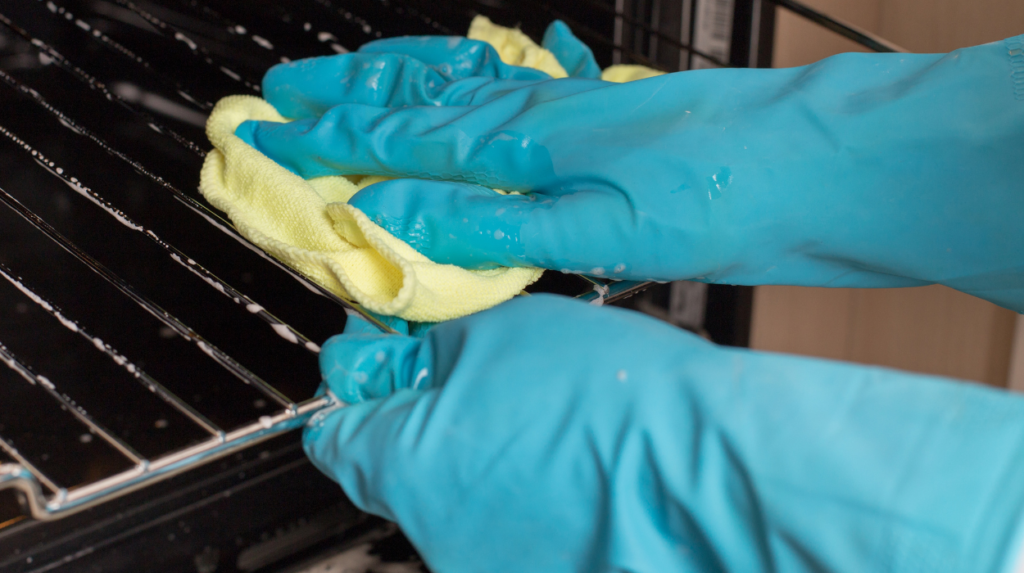
Steam cleaning is another effective way to tackle oven rack debris without resorting to harsh abrasives. High-temperature steam can penetrate the molecular bonds of grease, turning hard carbon into a soft residue that is easily wiped away. Many modern ovens feature a steam-clean cycle, but if yours does not, a handheld steam cleaner can be used directly on the racks. The moisture and heat work together to hydrate the dried-on food particles, making them much less adhesive to the stainless steel or chrome surfaces.
This method is particularly advantageous because it uses only water, making it one of the most eco-friendly options available for kitchen maintenance. However, steam cleaning may require several passes for very thick layers of grease, as the heat must be sustained long enough to melt the underlying fats. It is a highly effective supplementary technique that can be used alongside soaking to achieve a perfect finish. For those with busy schedules, the convenience of professional Oven Cleaning Services in Farnworth remains the most reliable way to ensure that every inch of the oven is sanitized and polished.
Why Non-Abrasive Methods are Better for Appliance Longevity
Using non-abrasive methods to clean oven racks is not just about saving effort; it is about preserving the appliance. Heavy scrubbing with steel wool or wire brushes can strip away the protective coating on the racks, leading to premature rusting and structural weakness. When the smooth finish of a rack is compromised, it becomes more difficult to slide trays in and out, which can become a safety hazard when handling hot food. Softening agents and soaking techniques maintain the integrity of the metal, ensuring the racks remain functional for the life of the oven.
Furthermore, a clean oven operates more efficiently because there is no layer of carbonized material absorbing heat that should be directed toward the food. This leads to more consistent cooking results and can even reduce energy consumption over time. Bee Cleaning Services Manchester focuses on providing comprehensive cleaning solutions that prioritize both the aesthetic and functional aspects of kitchen appliances. By choosing gentle yet effective cleaning strategies, you ensure that your kitchen remains a hygienic and efficient space for food preparation without the physical toll of manual labor.
Cleaning oven racks does not have to be an exhausting chore defined by hours of physical labor. By utilizing the power of chemistry through soaking, enzyme-based cleaners, or professional interventions, you can achieve a like-new finish with minimal effort. Whether you choose the convenience of a bathtub soak or the precision of a specialized service, the goal is to break down the grease at a molecular level.
Bee Cleaning Services Manchester provides professional cleaning solutions that take the stress out of appliance maintenance, ensuring your home remains clean, safe, and efficient through expert care and high-quality service.
What does putting a dishwasher tablet in the oven do?
A dishwasher tablet acts as a concentrated degreaser that breaks down hardened fats and burnt-on food. When rubbed against the oven surface with a small amount of warm water.
What naturally removes grease and buildup on an oven rack?
A paste made of baking soda and water, followed by a spray of white vinegar, creates a natural foaming reaction that lifts grease. For a simpler natural solution, soaking racks in very hot water with lemon juice and salt can help soften light buildup through natural acidity and mild abrasion.
What are some common mistakes when cleaning grates?
The most common mistake is using steel wool or harsh wire brushes, which can strip the protective coating and lead to rust. Additionally, many people fail to allow enough soaking time, resulting in unnecessary physical exertion that could have been avoided by letting the cleaning agents work longer.
How do I get the black stuff off the bottom of my oven?
The “black stuff” is usually carbonized food which can be removed by applying a thick layer of baking soda paste and leaving it to sit for several hours. For more extreme cases, a professional steam cleaner or a non-toxic scraper can safely lift the carbon layers without damaging the oven’s enamel lining.
What are the common oven cleaner mistakes?
Many homeowners make the mistake of using caustic store-bought cleaners in poorly ventilated kitchens or leaving the chemicals on for too long, which can discolor the metal. Another frequent error is forgetting to remove the heating elements or light covers, which can be damaged by the corrosive ingredients found in some industrial-strength sprays.