


To get house cleaning in your NDIS plan, you must demonstrate that the support is reasonable and necessary due to your disability. During your planning meeting or plan review, explain how professional cleaning helps you achieve your daily living goals and maintain a safe, functional home environment.
Role of Core Supports in Home Maintenance
Securing funding for household tasks requires a clear understanding of how the National Disability Insurance Scheme operates regarding core supports. The NDIS categorizes house cleaning under Assistance with Daily Life, which is designed to help participants manage activities they cannot perform independently. When preparing for a plan meeting, it is essential to gather evidence that links the need for cleaning services directly to your functional limitations. This evidence often includes reports from occupational therapists or medical professionals who can articulate why maintaining a clean home is vital for your health.
Defining Reasonable and Necessary Criteria for Domestic Help
The concept of reasonable and necessary is the foundational pillar for any NDIS funding request including domestic assistance. The agency evaluates whether the support is related to your disability and if it represents value for money compared to other options. It is important to note that the NDIS does not typically fund services that a person without a disability would usually pay for themselves. However, if your disability prevents you from performing basic chores like vacuuming, mopping, or sanitizing surfaces, the agency recognizes this as a legitimate support need.
Connecting Cleaning Services to Your Personal NDIS Goals

During the planning process, you should focus on how professional cleaning facilitates your independence and community participation. A clean and organized home serves as a baseline for physical safety, reducing the risk of falls or respiratory issues caused by dust and allergens. By delegating these physical tasks to a professional provider, you can conserve your energy for social activities, employment, or therapy sessions. Highlighting these outcomes helps the planner see the service not just as a luxury, but as a critical component of your overall wellbeing.
Determining the Frequency of NDIS Cleaning Services in Farnworth
When discussing your requirements, be specific about the frequency and type of cleaning tasks that are necessary for your situation. Some participants may only require a fortnightly general clean, while others with higher support needs might need more frequent assistance with laundry or kitchen maintenance. Understanding the distinction between standard domestic help and specialized disability support is key to receiving the correct budget allocation. Choosing the right Ndis Cleaning Services in Farnworth ensures that the personnel entering your home are trained to work within the specific frameworks of the scheme.
Managing Your Funding Type and Provider Selection
The management of your NDIS funds also dictates how you can engage with cleaning companies to maintain your property. If your plan is NDIA-managed, you are restricted to using registered providers who meet strict quality and safeguard standards. Plan-managed or self-managed participants have more flexibility and can often choose from a wider range of local businesses that offer specialized domestic assistance. Regardless of your management type, ensure that the service agreement clearly outlines the scope of work and the hourly rates to avoid any budgetary surprises.
Navigating the NDIS Price Guide for Household Tasks
It is highly beneficial to review the price guide periodically to understand how much funding to request for your domestic tasks. The NDIS sets price caps for different regions to ensure that participants receive fair value while providers are compensated appropriately for their labor. Knowing these rates allows you to have an informed conversation with your planner about the total annual cost of maintaining your home. Using professional support for these tasks often leads to better long-term outcomes than relying solely on informal supports like family or friends.
Articulating Functional Impact During Your Plan Review
One common hurdle participants face is the distinction between ordinary living costs and disability-related supports during their assessment. To overcome this, focus your communication on the functional impact of your disability rather than the task of cleaning itself. For instance, instead of saying you want a clean house, explain that your mobility issues prevent you from cleaning floors safely. This shift in language aligns with the NDIS criteria and makes it easier for the assessor to justify the inclusion of cleaning in your budget.
Implementing Your Plan with Professional Local Support
Once your plan is approved with the necessary funding in the core supports category, the next step is implementation. You will need to reach out to a provider that understands the nuances of the Manchester area and its specific service standards. Engaging with Bee Cleaning Services Manchester allows you to work with a team that respects your home environment and follows your specific instructions. Establishing a consistent schedule with a reliable team ensures that your home remains a sanctuary that supports your health and independence throughout the year.
Monitoring Your Budget for Long Term Sustainability
Regularly monitoring your plan spending is vital to ensure that you have enough funds to last the entire duration of your plan. If you find that your needs have changed or the initial allocation was insufficient, you may need to request a plan variation. Keeping a log of the cleaning tasks performed and the impact on your quality of life can serve as powerful evidence for future reviews. This proactive approach ensures that your support system evolves alongside your personal goals and physical requirements within the community.
Maintaining Documentation for Compliance and Reviews
Documentation plays a significant role in both obtaining and maintaining your funding for domestic assistance in Farnworth. Keeping copies of service agreements and invoices helps you track how your NDIS budget is being utilized for your household maintenance. It also provides a clear paper trail should the NDIA ever require a performance audit of your self-managed or plan-managed funds. Being organized with your paperwork reflects your commitment to using your NDIS plan effectively to improve your daily living standards and safety.
Leveraging Support Coordination for Better Outcomes
In some cases, participants might find it difficult to navigate the complexities of the NDIS portal or provider search. Seeking advice from a support coordinator can streamline the process of finding high-quality cleaning assistance that fits your budget. They can help you identify providers who are experienced in working with NDIS participants and understand the specific reporting requirements involved. This collaborative approach reduces the stress of managing your home and allows you to focus on your personal growth and community involvement.
Ensuring Transparency in Service Agreements and Costs
When searching for the right team, it is important to avoid “dodgy” NDIS cleaning charges by checking that the provider adheres to the official price guide. Transparency in pricing is a hallmark of a professional service and protects you from exhausting your funds prematurely. A reputable company will provide a clear breakdown of their costs and ensure that every pound spent contributes directly to your home’s cleanliness. This financial clarity is essential for long-term plan sustainability and ensures you get the most out of your allocated resources.
Considering the Mental Health Benefits of a Clean Home
The impact of a well-maintained home on mental health should not be underestimated during your NDIS planning sessions. Clutter and dirt can lead to increased anxiety and a feeling of being overwhelmed, which can exacerbate certain disability symptoms. By presenting a holistic view of your health, you can make a more compelling case for professional domestic support. Planners are often more receptive to requests that demonstrate a clear link between the service and a significant improvement in the participant’s mental and physical state.
Finding Top-Rated NDIS House Cleaners in Farnworth
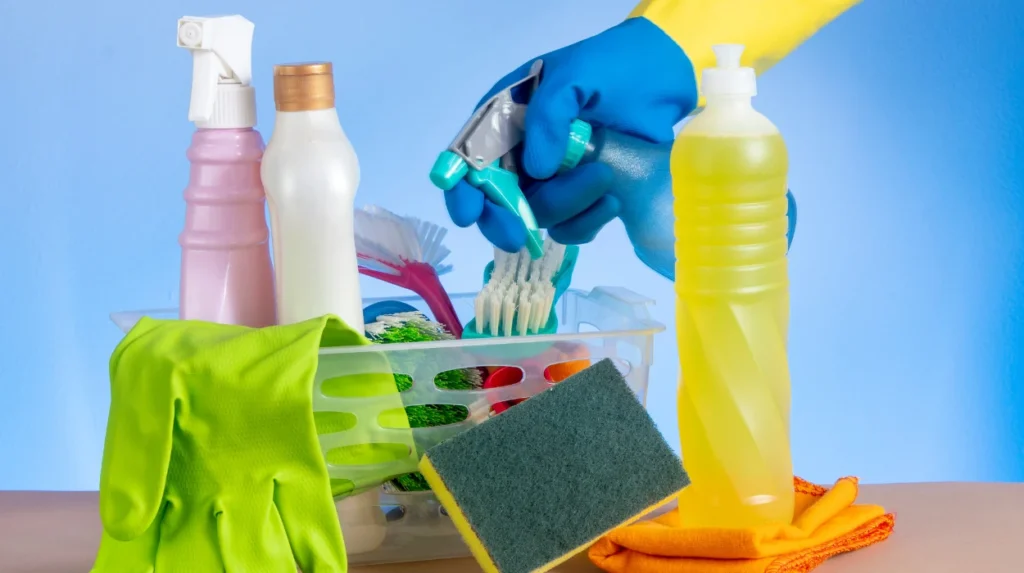
For residents in the Greater Manchesterarea, local expertise can make a significant difference in the quality of support received. Local providers are often more flexible with scheduling and have a better understanding of the logistical challenges within the region. Selecting top-rated NDIS house cleaners in Farnworth means you are investing in a service that is tailored to the local community’s needs. This localized support fosters a sense of trust and reliability, which is crucial when someone is entering your private living space on a regular basis.
Empowering Independence Through Professional Assistance
As you move through your NDIS journey, remember that your plan is meant to be a tool for empowerment. Domestic assistance is one of the many ways the scheme supports you in living a life that is as independent as possible. By staying informed about the latest NDIS policies and maintaining open communication with your providers, you can ensure your home remains a safe environment. Professional cleaning is a proactive step toward maintaining your dignity and ensuring your living conditions meet your personal standards and health requirements.
Bee Cleaning Services Manchester offers a professional approach to household maintenance, ensuring that NDIS participants receive reliable and high-quality assistance. Our team focuses on delivering consistent results that align with the specific needs of each household, fostering a clean and healthy environment. By choosing a service that understands the local landscape, you can ensure that your domestic tasks are handled with care and professionalism. We are dedicated to supporting the independence of our clients through meticulous attention to detail and a commitment to excellence in every home we visit.
Do I tip a house cleaner?
Tipping is not mandatory or expected for NDIS-funded services, as providers are paid according to set agency rates. However, if you are using private funds and wish to show appreciation for exceptional work, a small tip or a positive review is always a kind gesture.
Is 10% tip insulting?
In the UK cleaning industry, a 10% tip is considered a generous and thoughtful addition to the standard service fee rather than an insult. It demonstrates that you value the hard work and attention to detail provided, though it is never a requirement for maintaining high service standards.
How much Christmas bonus should I give my cleaning lady?
For regular cleaning help, the gold standard for a Christmas bonus is the equivalent of one session’s pay. For example, if you usually pay £40 for a weekly visit, a £40 cash bonus inside a card is a generous and professional way to show your appreciation at the end of the year.
How much would you expect to pay for a deep clean?
In 2026, the cost of a professional deep clean in Manchester typically ranges from £180 to £400+, depending primarily on the size and condition of your property.What are the 5 rules of housekeeping?
The core rules of effective housekeeping include cleaning from top to bottom, moving from dry tasks to wet tasks, and decluttering before deep cleaning begins. Additionally, always using the right tool for the job and maintaining a consistent schedule are vital for ensuring a hygienic and organized living environment.