
Yellow sweat stains can be removed from a mattress by applying a mixture of hydrogen peroxide, dish soap, and baking soda to the affected area. For deeper protein based discolorations, an enzyme cleaner is often necessary to break down the organic compounds without damaging the delicate fabric fibers of the bed.
Composition of mattress stains
Yellowing on a sleeping surface is usually the result of a chemical reaction between sweat, skin oils, and the materials inside the mattress topper. As moisture evaporates, it leaves behind urea and salts that oxidize over time, turning from colorless patches into stubborn yellow rings. This process is accelerated by body heat, which helps the biological proteins bind more tightly to the polyester or cotton blends commonly used in modern bedding. Because these stains are organic, they require a specific approach that targets protein chains rather than just surface dirt.
Regular maintenance is the most effective way to prevent this buildup from becoming permanent. Most people spend approximately one third of their lives on their mattress, leading to a significant accumulation of moisture that can penetrate deep into the foam or spring layers. When left untreated, these deposits not only cause unsightly marks but can also lead to the development of unpleasant odors and the growth of bacteria. Addressing the issue early ensures that the structural integrity of the mattress remains intact while maintaining a hygienic environment for sleep.
The chemistry of effective stain removal
Removing an oxidized sweat stain requires a delicate balance of acidity and oxygenation to lift the pigment from the fabric. Hydrogen peroxide acts as a mild bleaching agent that breaks down the yellow chromophores without the harshness of chlorine bleach, which can weaken mattress ticking. When combined with a small amount of liquid detergent, the solution can penetrate the oily residue that often traps the sweat within the fibers. This combination ensures that the cleaning agent reaches the core of the blemish rather than just cleaning the surface of the fabric.
It is important to manage moisture levels during this process to avoid secondary issues like mold or internal rusting of springs. Applying liquids sparingly with a spray bottle or a damp microfiber cloth prevents the core of the mattress from becoming saturated. Blotting rather than rubbing is a critical technique, as friction can push the biological matter deeper into the padding, making it significantly harder to extract. For residents seeking a deeper level of hygiene, utilizing mattress cleaning services in Farnworth provides a more thorough extraction than manual blotting can achieve.
Why are enzyme cleaners essential for organic matter
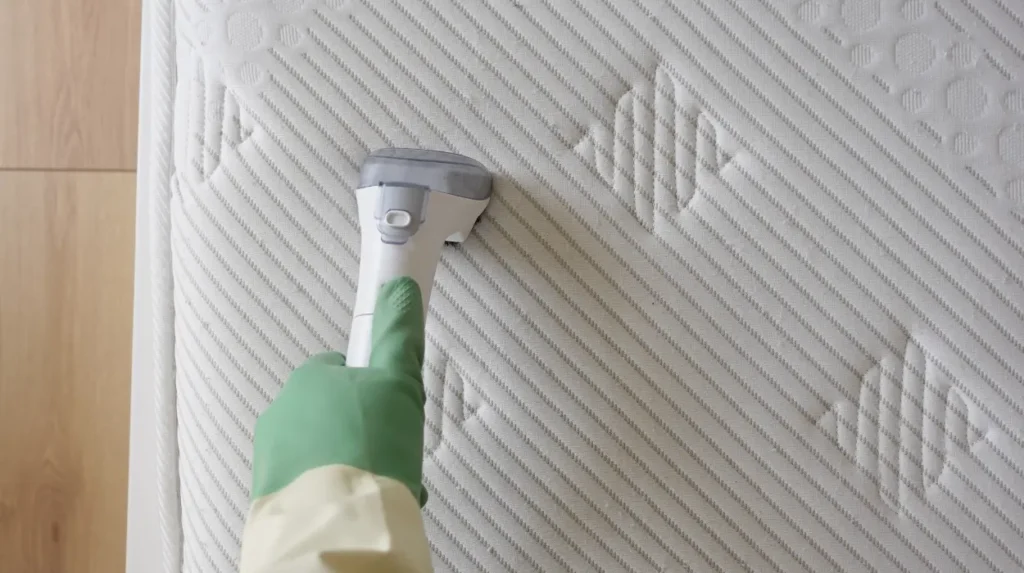
While household ingredients can manage light discoloration, older or darker yellow stains often require the intervention of enzymatic formulas. These cleaners contain specific bacteria cultures that produce enzymes to “eat” the proteins and lipids found in human sweat. Because sweat is a complex biological fluid, standard soap often fails to break down the microscopic bonds that keep the stain visible. Enzymes work over a period of time, slowly dissolving the organic material until it can be easily wiped away or vacuumed up after drying.
Choosing the right enzyme cleaner involves looking for products specifically designed for upholstery or delicate linens. These products are formulated to be pH neutral, ensuring they do not leave behind a residue that could irritate sensitive skin. Many homeowners find that choosing enzyme cleaners over DIY methods is a more efficient way to handle persistent odors that often accompany yellowing. By allowing the enzymes to work for thirty minutes to an hour, the cleaning process becomes more passive and significantly more effective at reaching the deep-seated proteins.
Professional techniques for mattress restoration
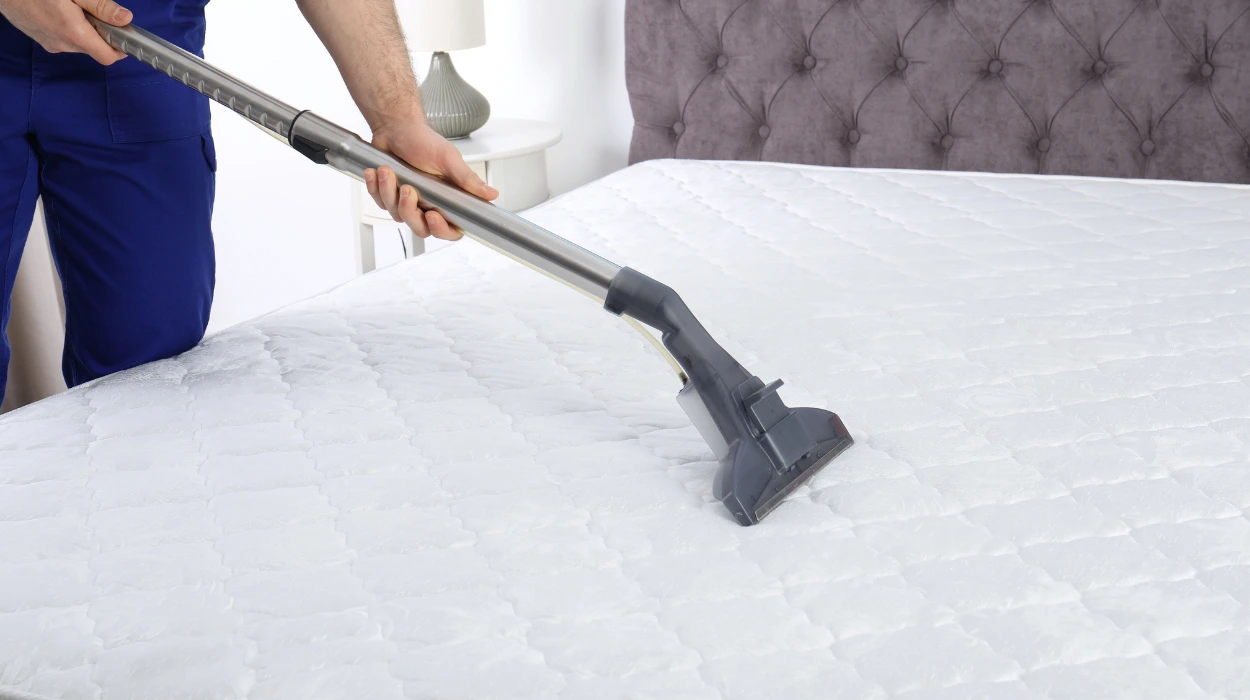
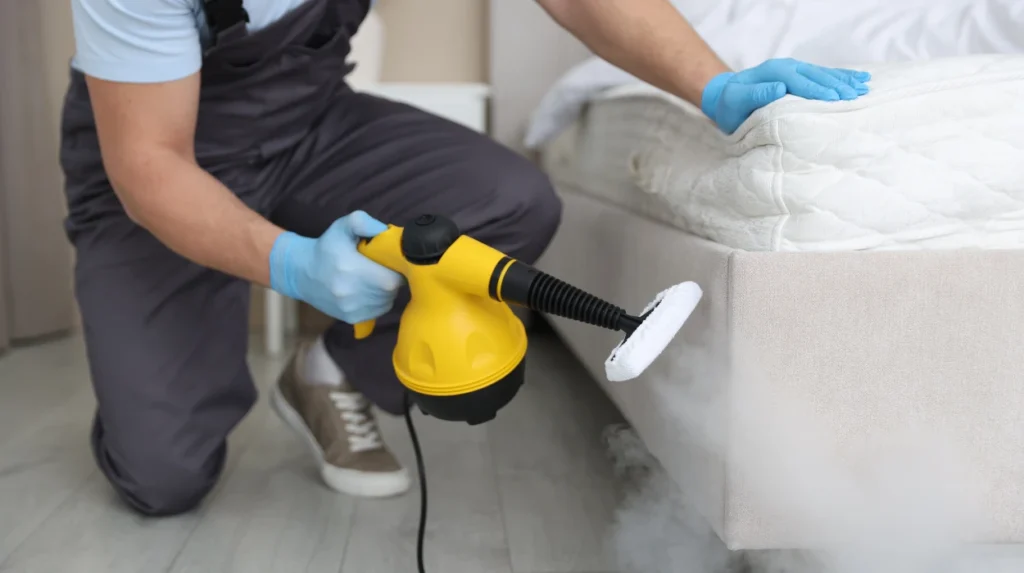
Professional cleaners utilize high grade extraction equipment that operates on the principle of controlled moisture and high pressure vacuuming. This machinery allows for the application of specialized cleaning solutions that are immediately sucked back out of the mattress along with the dissolved sweat and oils. This prevents the “wicking” effect, where a stain appears to vanish only to return as the mattress dries and pulls remaining dirt to the surface. Professional grade steam also helps in sanitizing the area, killing dust mites and bacteria that thrive in damp environments.
Beyond just aesthetics, professional restoration focuses on the longevity of the furniture. When a mattress is cleaned by experts, they can identify the specific type of fabric and adjust the temperature and chemical concentration accordingly. This bespoke approach prevents the yellowing of the foam itself, which can happen if the wrong chemicals are applied by an amateur. Those dealing with severe discoloration may find that booking professional stain removal is the most reliable way to return a mattress to its original condition without risking the integrity of the foam layers.
Long-term prevention strategies
Preventing yellow stains is significantly easier than removing them once they have oxidized into the fabric. The use of a high quality, breathable mattress protector is the most effective defense against the daily accumulation of sweat and oils. These protectors act as a barrier that can be easily removed and laundered in a standard washing machine, keeping the mattress surface pristine. Ideally, a protector should be waterproof but vapor permeable to ensure that body heat is regulated while moisture is successfully blocked from reaching the bed.
In addition to using protectors, regular ventilation of the bedroom and the mattress itself can reduce the rate of oxidation. Stripping the bed linens and allowing the mattress to air out for several hours each week helps trapped moisture evaporate. Rotating the mattress every six months also ensures that wear and moisture accumulation are distributed evenly across the surface. These simple habits, combined with occasional deep cleaning, ensure that the sleeping environment remains healthy and free from the biological buildup that causes yellowing and unpleasant odors over many years of use.
The role of Bee Cleaning Services Manchester
Bee Cleaning Services Manchester offers specialized solutions for those struggling with stubborn mattress discoloration. The process involves a thorough assessment of the fabric type and the age of the stains to determine the safest and most effective chemical intervention. By utilizing advanced extraction technology, the service ensures that the mattress is left sanitized and refreshed, significantly extending its usable lifespan. This professional approach removes the guesswork and physical labor associated with home remedies, providing a deeper level of cleanliness that supports better sleep hygiene.
The expertise provided by Bee Cleaning Services Manchester ensures that even the most difficult yellow sweat stains are handled with care. Their methods focus on breaking down organic matter and extracting it fully, rather than simply masking the issue with fragrances or surface level scrubbing. This commitment to quality results helps homeowners in the Manchester area maintain their investment in high quality bedding. By choosing a professional path, clients receive a comprehensive cleaning experience that prioritizes health, comfort, and the restoration of their home’s essential furniture pieces.
What causes yellow stains on my mattress?
Yellow stains are primarily caused by the oxidation of urea and proteins found in human sweat and skin oils. Over time, these organic compounds react with the mattress fibers and body heat to create distinct yellow discolorations and rings.
What is the best homemade stain remover?
A highly effective homemade solution consists of mixing one cup of 3% hydrogen peroxide with three tablespoons of baking soda and a drop of dish soap. This oxygenating mixture breaks down the pigment of the stain while the soap lifts oils from the fabric surface.
What removes stains in 15 seconds?
While few things work instantly, a high-strength enzymatic spray can begin breaking down molecular bonds in seconds upon contact. However, for a complete removal of deep-set yellowing, the solution usually needs to dwell for several minutes to fully dissolve the proteins.
What kills mold permanently?
To kill mold permanently, you must use an antifungal treatment like distilled white vinegar or a specialized upholstery biocide while simultaneously removing the moisture source. Ensuring the mattress core is completely dry and improving room ventilation is essential to prevent spores from returning.
Can dried stains actually be removed?
Yes, dried stains can be removed by rehydrating the area with an active cleaning agent like an enzyme cleaner or a hydrogen peroxide solution. These treatments reactivate the dried proteins, allowing them to be blotted away or extracted with professional machinery.