

After Builders Cleaning for Extension and Loft Conversion Oldham is the primary solution for eliminating pervasive masonry dust, fine plaster particulates, and heavy structural debris following major structural upgrades. Booking a specialized post-construction service ensures that freshly renovated spaces are completely sanitized, safe for daily occupation, and restored to pristine living conditions.
Building projects generate vast amounts of ultra-fine dust that easily spread throughout an entire home. When homeowners finish structural additions or attic conversions, traditional domestic sweeping tools simply spread these hazardous microparticles into heating channels and soft furnishings. Professional sanitation teams deploy industrial HEPA extraction systems to capture micro-pollutants directly at the surface level. This comprehensive approach protects household indoor air quality while preventing delicate new finishes from sustaining surface scratches.
Understanding the full scope of post-renovation sanitation helps property owners properly prepare their newly constructed spaces. Specialized cleaning protocols target hidden areas that standard domestic chores routinely overlook during standard maintenance routines. From removing stubborn paint overspray to extracting deep plaster residue from window tracks, expert intervention bridges the gap between raw construction work and safe everyday living. Here is how specialized teams tackle complex building residue across every square foot of your new property extension.
What makes post-renovation dust different from standard household dirt?
Construction dust consists of sharp silica particles, pulverized drywall compounds, heavy mortar residue, and microscopic sawdust that pose distinct indoor health hazards. Unlike normal household dust which primarily comprises organic fibers, building residue is highly abrasive and clings electrostatically to freshly painted walls and glass. Attempting to wipe these particles away with standard cloths creates severe micro-scratches on modern fixtures and polished finishes. Specialized construction cleaning services in Oldham use industrial methods to lift these dense deposits safely without causing expensive physical damage.
Furthermore, construction dust remains airborne for days after builders leave the physical site. Every minor footstep or air movement recirculates these airborne particles back into the home’s breathing zone and HVAC ductwork. Specialized HEPA filtration machinery is necessary to trap sub-micron particles before they settle back onto freshly painted internal surfaces. Without high-grade filtration equipment, homeowners end up in an endless cycle of wiping down surfaces that collect fresh dust layers every morning.
How do professional cleaners eliminate heavy masonry dust and debris?
Professional technicians rely on dedicated commercial grade cleaning-equipment including dual-motor vacuum units, high-pressure steam extractors, and static-dissipative microfibers to systematically remove heavy site debris. The cleaning process always moves sequentially from high ceiling points down to baseboard levels to avoid cross-contaminating freshly sanitized lower zones. Technicians systematically scrub window frames, light fixtures, electrical sockets, and skirting boards with specialist neutral cleaning agents. Utilizing multi-stage HEPA vacuums guarantees that invisible airborne silica particles are trapped rather than redistributed throughout the newly renovated space.
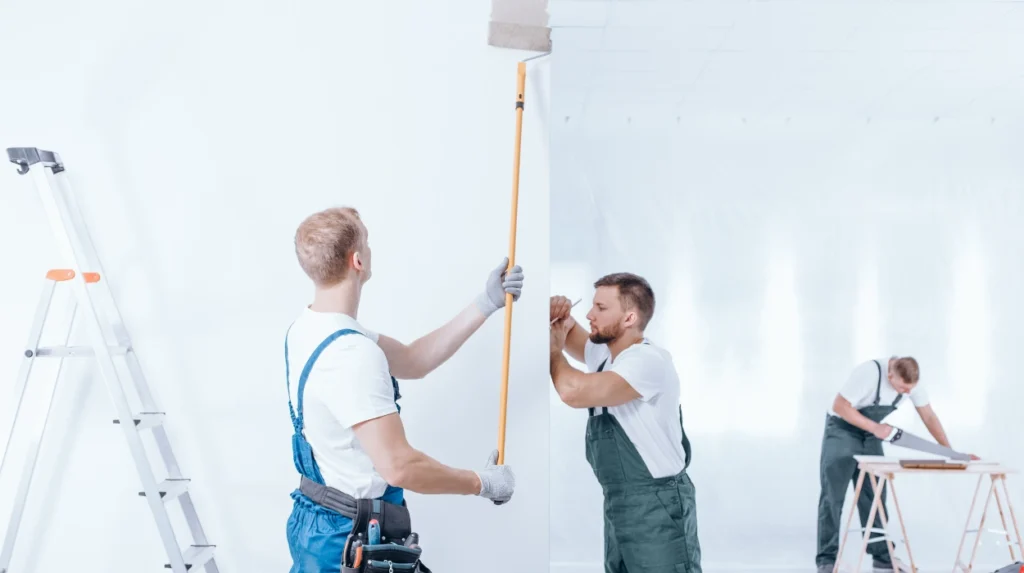
To understand the timeframe involved in these structural restoration procedures, many homeowners ask how long construction cleaning takes when processing multi-room projects. The operational duration depends heavily on total square footage, the presence of delicate finishes, and the volume of remaining physical residue. Professional crews use specialized solvents designed specifically to dissolve stubborn adhesives, paint splashes, and silicone overspray without stripping surrounding lacquers. This systematic approach guarantees every surface is visually spotless and residue-free.
Why are loft conversions particularly challenging to clean after construction?
Loft conversions present unique architectural cleaning challenges due to sloping ceilings, complex roof light installations, and elevated timber joists that trap fine dust particles. Gravity naturally forces airborne construction dust downward through new staircase enclosures, carrying heavy debris into lower residential floors if left uncontained. Cleaning crews must carefully navigate high angles and tight alcoves while deploying extension poles to sanitize elevated skylights safely. Specialized ladders and custom attachments are necessary to extract trapped plaster dust from roof beams and ceiling crevices.
Additionally, loft conversions often feature brand-new insulation materials that release fine synthetic fibers into surrounding open spaces during installation. These micro-fibers mingle with raw plaster dust to form a dense, sticky film over internal glass windows and wood surfaces. Removing this specialized combination requires targeted chemical solutions alongside advanced HEPA vacuum systems. Comprehensive cleaning restores total clarity to roof skylights while eliminating potential respiratory irritants from newly established bedroom or office environments.
What specific steps are involved in an extension deep clean?
An extension deep clean begins with a comprehensive dry phase to remove all loose surface debris, excess mortar chunks, and leftover building materials. Technicians meticulously vacuum every vertical surface, window casing, and electrical fitting before applying any liquid solutions to avoid creating wet plaster slurry. The second phase involves wet wiping surfaces using specialized, non-abrasive detergents that safely loosen stubborn paint flecks, silicone overspray, and adhesive tags. Finally, all hard floors undergo multi-stage deep scrubbing, while carpets receive deep extraction treatment to eliminate tracked-in dirt.
- Initial physical clear-out of leftover building wrappers, timber offcuts, and heavy surface grit.
- Detailed dry HEPA vacuuming across ceilings, walls, light fittings, and window tracks.
- Targeted application of specialized solvents to lift paint splatters, grout haze, and silicone.
- Sanitization of all joinery including doors, frames, architraves, baseboards, and ironmongery.
- Deep mechanical scrubbing or steam extraction of all hard flooring and carpeted areas.
How can you tell if your property is completely safe for daily occupancy?
A renovated property is truly safe for occupancy only when airborne dust settles completely and all chemical fumes from adhesives or paints have fully dissipated. Homeowners can test surface cleanliness by inspecting hidden ledges, door tops, and internal electrical sockets for leftover white plaster powder. If running a hand over a wall leaves a powdery film, the space still requires professional HEPA extraction to protect indoor air quality. Ensuring all window tracks and ventilation units are completely free of plaster grit prevents long-term mechanical jams and indoor air pollution.
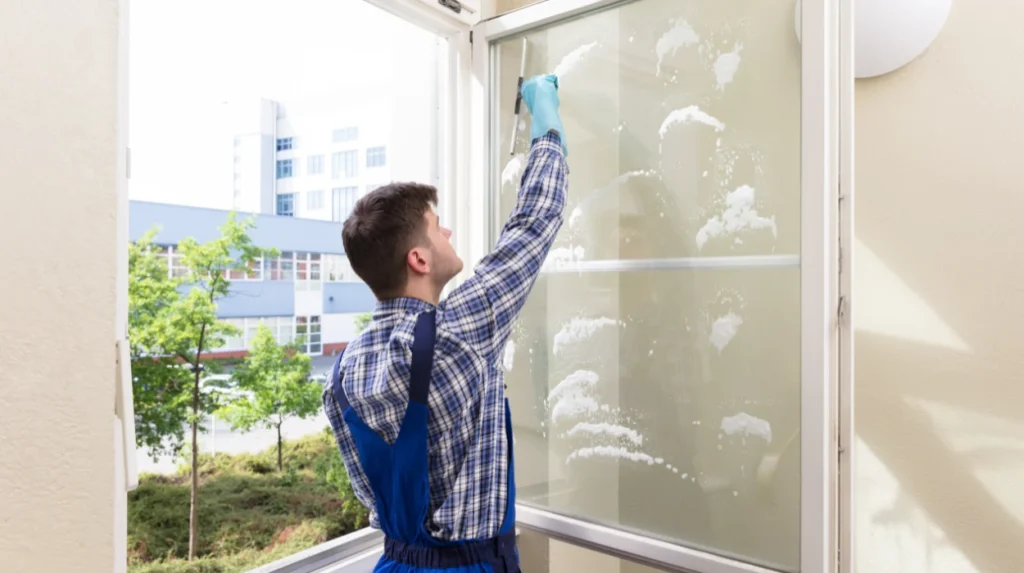
Understanding how cleaners remove stubborn dust helps property owners evaluate whether their recent renovation project requires specialist heavy-duty processing or standard post-build care. Professional teams conduct thorough visual inspections alongside physical tactile tests across all high-level fixtures to verify complete particle removal. Utilizing specialized static cloths catches the finest remaining particles, guaranteeing the home environment remains pristine, healthy, and entirely ready for everyday family life.
Why should you hire professionals instead of DIY cleaning?
Attempting to clean a post-construction zone using domestic household vacuums quickly clogs standard filters and can burn out consumer-grade motors due to fine plaster dust. Household cleaning rags often drag sharp silica particles across delicate new glass, stainless steel appliances, and fresh paint, leaving permanent scratches. Professional teams carry specialized commercial equipment, personal protective gear, and surface-safe chemical solutions designed specifically for heavy building materials. Hiring experts saves property owners countless hours of labor while guaranteeing that structural additions are cleaned safely without risking surface damage.
Furthermore, professional technicians possess the training required to handle hazardous post-build residues safely, including fine insulation fibers, chemical sealants, and volatile adhesives. They work systematically to eliminate invisible health hazards from your indoor air, protecting family members from potential respiratory irritation. Expert cleaners also work efficiently, converting chaotic build sites into move-in ready spaces in a fraction of the time DIY attempts require. Investing in expert post-build cleaning preserves the finish of your high-value home renovation investment.
When completing major structural alterations, securing professional After Builders Cleaning for Extension and Loft Conversion Oldham guarantees that your property transition is seamless, safe, and entirely stress-free. Bee Cleaning Services Manchester offers expert technicians equipped with specialized tools to remove every trace of stubborn building dust and construction debris. Let our experienced teams handle the heavy post-renovation detailing so you can immediately enjoy your beautiful, freshly upgraded home environment.
Frequently Asked Questions
When is the best time to schedule an after builders clean for an extension or loft conversion?
The optimal time to schedule an after builders clean is immediately after all construction, plastering, painting, and trade installations are fully completed. Scheduling the service before tradespeople finish their work can result in fresh dust settling on newly cleaned surfaces.
Does standard domestic cleaning cover post-construction plaster and dust removal?
Standard domestic cleaning services generally do not cover post-construction dust removal because standard household vacuums lack the heavy-duty HEPA filtration required to trap fine silica and plaster particles. Standard vacuums often blow fine construction dust back into the air and can suffer motor failure due to filter clogging.
How long should you wait after building work finishes before deep cleaning?
You should ideally wait 24 to 48 hours after all heavy building work finishes before conducting a deep clean. This short waiting period allows ultra-fine airborne particulates suspended in the air to settle onto flat surfaces. Once the dust has fully settled, HEPA filtration vacuums and static microfibers can capture the residue in a single, comprehensive cleaning pass.
Are paint splatters and silicone overspray included in post-builders cleaning?
Yes, professional post-builders cleaning specifically targets stubborn post-renovation residue including paint splatters, silicone overspray, plaster drips, and tape adhesive. Technicians use specialized non-abrasive solvent solutions and delicate safety scrapers designed to break down dried chemicals without damaging underlying glass, timber, or tile finishes.
How do you prevent construction dust from spreading to other areas of the house?
To prevent construction dust from spreading into non-renovated zones during work, contractors should seal internal doorways with heavy-duty plastic sheeting and zip containment doors. Once building work concludes, professional cleaners use negative pressure techniques and sealed HEPA vacuuming to clean from the furthest point inward, ensuring fine dust is contained and permanently removed from the premises.