

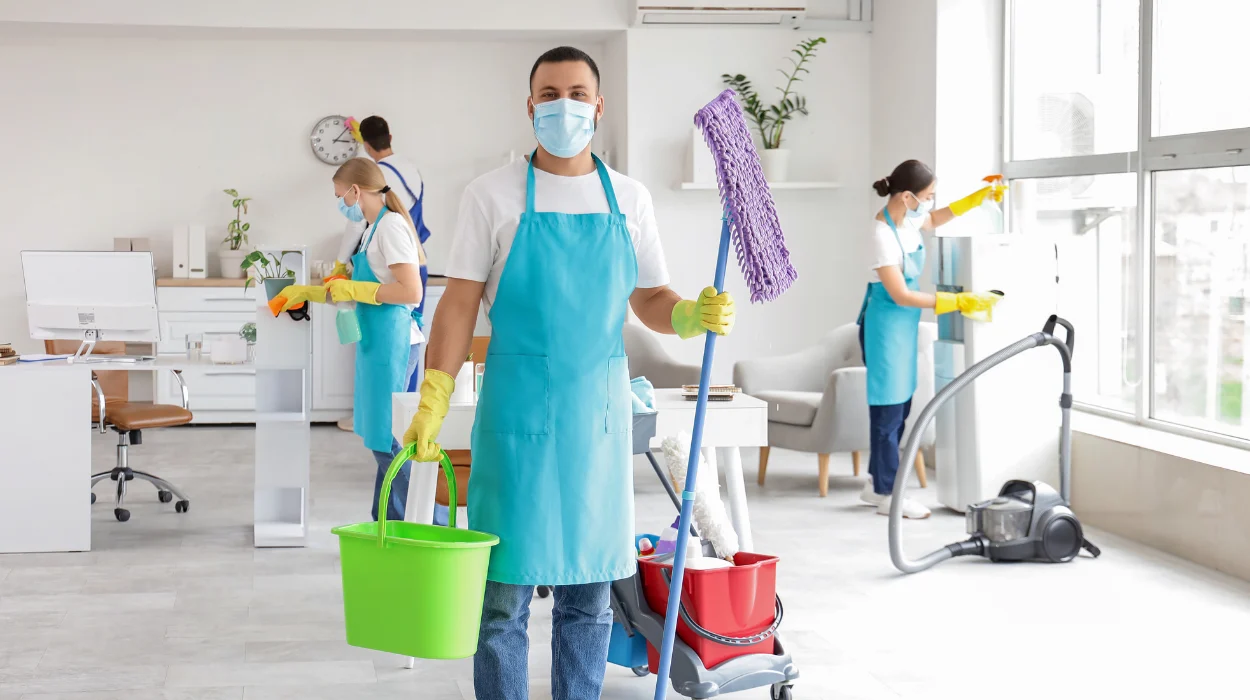
Commercial cleaning is the professional cleaning and maintenance of workplaces, industrial facilities, offices, retail premises, and other business environments. It helps Oldham businesses maintain hygiene, safety, compliance, and a professional appearance for employees and visitors.
Commercial cleaning goes beyond basic housekeeping. It involves structured cleaning schedules, trained staff, specialist cleaning-equipment, risk assessments, and industry-specific cleaning procedures designed to keep commercial premises clean, healthy, and operational.
Why Is Commercial Cleaning Important for Oldham Businesses?
Oldham businesses operate in a competitive environment where workplace presentation and cleanliness directly influence employee wellbeing, customer impressions, and operational efficiency. A clean environment helps reduce dust, allergens, bacteria, and workplace hazards that can negatively affect productivity and health.
Professional commercial cleaning also supports compliance with workplace health and safety responsibilities. Offices, warehouses, educational facilities, healthcare environments, and retail spaces all require consistent cleaning standards to maintain safe working conditions. Businesses that invest in structured cleaning programs often experience improved workplace satisfaction and a more professional business image.
What Does Commercial Cleaning Include?
Commercial cleaning covers a wide range of services depending on the type of facility and operational requirements. Unlike domestic cleaning, commercial cleaning focuses on larger spaces, higher foot traffic, and specialised sanitation needs.
Services commonly include floor care, washroom sanitation, dust removal, waste management, touchpoint disinfection, window cleaning, kitchen hygiene maintenance, and carpet cleaning. Larger facilities may also require industrial cleaning, warehouse cleaning, machinery-area cleaning, and periodic deep cleaning procedures.
The exact cleaning scope depends on the building size, occupancy levels, industry regulations, and business objectives. Professional cleaning providers create customised schedules that align with operational requirements while minimising disruption to daily activities.
How Commercial Cleaning Differs from Domestic Cleaning
Many business owners assume commercial cleaning is simply a larger version of home cleaning. In reality, the requirements are significantly different. Commercial premises often experience continuous foot traffic, shared workspaces, public access areas, and higher hygiene expectations.
Commercial cleaners work with specialised cleaning-equipment designed for large-scale environments. These tools include industrial vacuum systems, floor scrubbers, high-reach dusting systems, extraction machines, and advanced disinfecting technologies.
Professional cleaning teams also follow documented cleaning procedures, safety protocols, and quality control systems to ensure consistency across multiple visits. This structured approach helps businesses maintain reliable cleaning standards throughout the year.
Types of Commercial Premises That Need Professional Cleaning
Offices
Office environments accumulate dust, bacteria, and contaminants through daily employee activity. Regular cleaning helps maintain healthy workspaces and supports employee productivity. Studies consistently show that cleaner workplaces contribute to improved employee satisfaction and reduced workplace distractions.
Warehouses
Warehouse facilities face unique challenges due to large floor areas, vehicle movement, packaging materials, and storage operations. Dust accumulation can impact both employee safety and inventory conditions.
Businesses managing larger facilities can benefit from learning more about warehouse hygiene and operational cleaning standards through this related resource:
Retail Premises
Retail environments rely heavily on first impressions. Customers often associate cleanliness with professionalism and product quality. Consistent cleaning ensures customer-facing areas remain attractive and welcoming throughout business hours.
Healthcare and Educational Facilities
These facilities require enhanced sanitation standards due to high occupancy levels and increased infection-control requirements. Professional cleaning procedures help maintain hygienic environments that support public health objectives.
The Role of Cleaning-Equipment in Commercial Cleaning
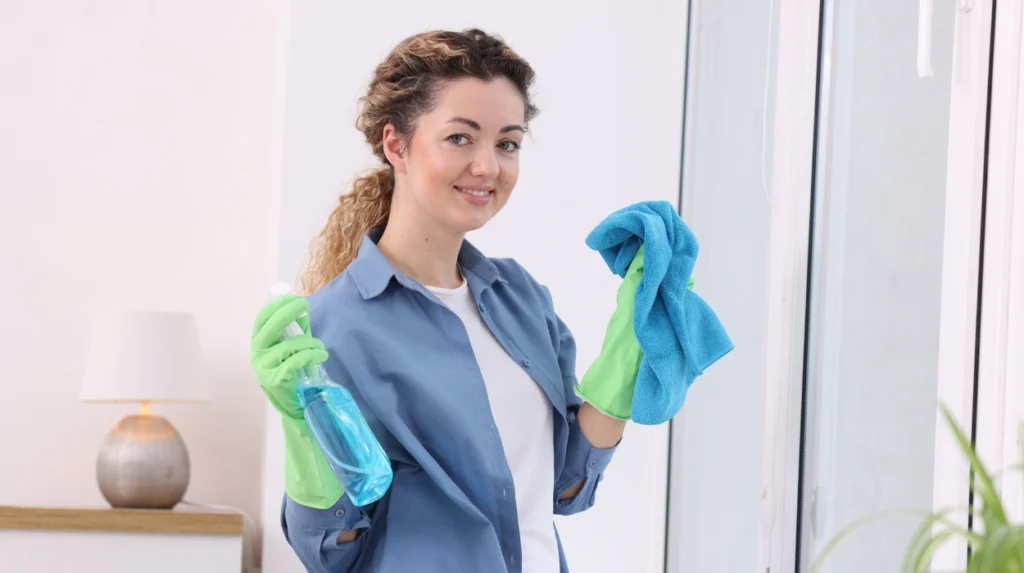
Modern commercial cleaning relies heavily on advanced cleaning-equipment. The effectiveness of any cleaning program depends not only on staff training but also on the tools used to perform cleaning tasks efficiently.
High-capacity vacuum systems improve dust removal across large floor areas. Mechanical scrubber dryers maintain hard flooring while reducing labour requirements. Carpet extraction systems remove embedded dirt and contaminants that standard vacuuming cannot address.
Microfibre technology, colour-coded cleaning systems, and specialised disinfectant application methods further improve cleaning performance. Businesses that utilise professional cleaning providers benefit from access to equipment that would otherwise require significant capital investment.
How Often Should Commercial Premises Be Cleaned?
Cleaning frequency depends on several operational factors. High-traffic environments generally require daily cleaning, while lower-occupancy premises may only need scheduled visits several times per week.
Reception areas, washrooms, kitchens, and shared workspaces typically require more frequent attention due to constant usage. Warehouses and industrial environments often combine daily maintenance cleaning with periodic deep cleaning schedules.
The objective is to create a cleaning programme that supports hygiene standards while remaining practical and cost-effective. Regular assessments help ensure cleaning schedules continue to meet changing business requirements.
What Are the Benefits of Professional Commercial Cleaning?
Professional commercial cleaning provides benefits that extend beyond appearance. Businesses often view cleaning as an operational necessity, but it also contributes to long-term performance and workplace quality.
A professionally maintained environment can support:
- Improved workplace hygiene
- Better employee wellbeing
- Enhanced customer perception
- Reduced dust and allergen levels
- Safer working conditions
- Improved asset longevity
- More professional business presentation
These outcomes contribute to a cleaner and more efficient workplace that supports daily operations and organisational goals.
Choosing a Commercial Cleaning Provider in Oldham
Selecting the right cleaning provider requires more than comparing prices. Businesses should evaluate experience, service flexibility, training standards, insurance coverage, and quality control processes.
Reliable providers conduct site assessments to understand operational requirements before creating tailored cleaning plans. They should also demonstrate knowledge of relevant cleaning standards, health and safety procedures, and industry-specific cleaning requirements.
Businesses looking to compare providers and evaluate local options can explore this resource covering trusted commercial cleaning solutions in Oldham and surrounding areas.
How Commercial Cleaning Supports Business Growth
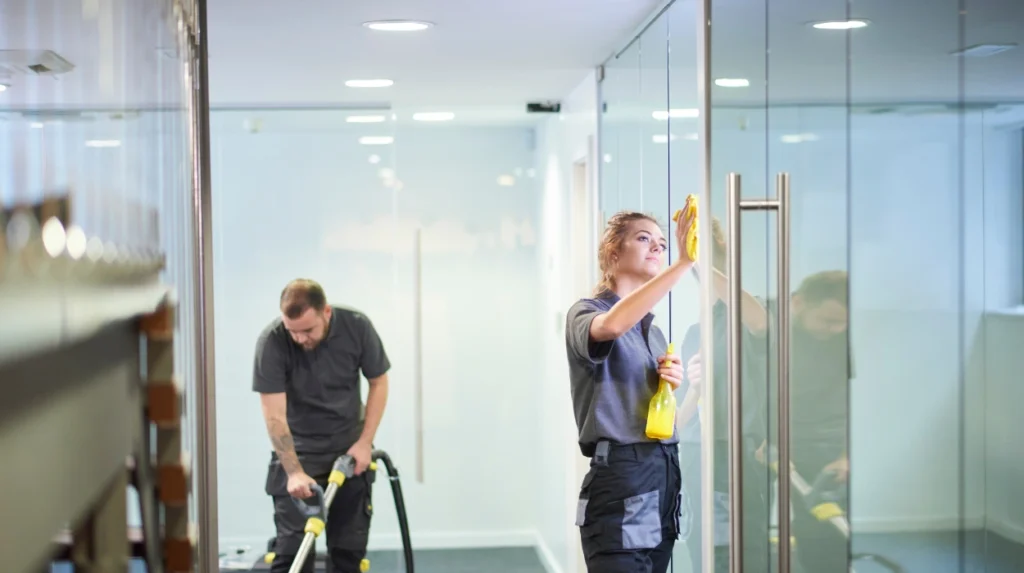
Clean business premises create positive impressions that influence customers, visitors, suppliers, and employees. A well-maintained environment reflects professionalism and attention to detail, which can strengthen brand perception.
As organisations grow, cleaning requirements often become more complex. Structured commercial cleaning programmes help businesses maintain consistent standards across expanding operations. Professional cleaning support allows management teams to focus on core business activities rather than facility maintenance concerns.
Businesses interested in understanding the wider operational benefits can also review this guide discussing the value of investing in professional workplace cleaning.
Why Oldham Businesses Continue to Use Commercial Cleaning Services
Commercial cleaning remains an essential service because workplace hygiene directly affects operations, employee wellbeing, and customer experience. Whether managing an office, warehouse, retail unit, educational facility, or industrial site, maintaining cleanliness requires expertise, planning, and appropriate cleaning-equipment.
Professional commercial cleaning provides a structured approach that helps businesses maintain consistent standards throughout the year. For organisations seeking reliable facility maintenance, Bee Cleaning Services Manchester delivers professional cleaning solutions designed to support cleaner, safer, and more productive commercial environments across Oldham and surrounding areas.
Frequently Asked Questions
What is the difference between commercial cleaning and office cleaning?
Commercial cleaning is a broad category that covers offices, warehouses, retail premises, healthcare facilities, and industrial sites. Office cleaning is one specific type of commercial cleaning. Commercial cleaning services often involve larger facilities, specialist equipment, and industry-specific cleaning requirements. The scope is usually much wider than standard office maintenance. Businesses select services based on their operational needs.
How often should a commercial building be professionally cleaned?
The cleaning frequency depends on foot traffic, business activity, and industry requirements. Busy offices and customer-facing premises often require daily cleaning. Warehouses may combine routine maintenance with scheduled deep cleaning. Healthcare environments typically require more frequent sanitation procedures. A site assessment helps determine the most suitable cleaning schedule.
What cleaning-equipment is used in commercial cleaning?
Commercial cleaners use industrial vacuum cleaners, floor scrubbers, carpet extraction machines, pressure washing systems, and specialised disinfecting tools. Microfibre systems and colour-coded equipment are also common. These tools improve efficiency and cleaning quality across large premises. Professional equipment is designed for commercial-scale cleaning tasks.
Is commercial cleaning worth the investment for small businesses?
Many small businesses benefit from professional cleaning because it improves workplace appearance and hygiene standards. A cleaner environment can enhance customer impressions and employee comfort. Regular cleaning may also help extend the life of flooring, furniture, and fixtures. The value often exceeds the cost when viewed as part of facility maintenance.
Can commercial cleaning help workplace productivity?
A clean workplace can support productivity by creating a healthier and more organised environment. Employees generally work more comfortably in spaces free from excessive dust, clutter, and hygiene concerns. Clean facilities also create a professional atmosphere for visitors and staff. Consistent cleaning contributes to a more positive workplace experience.