

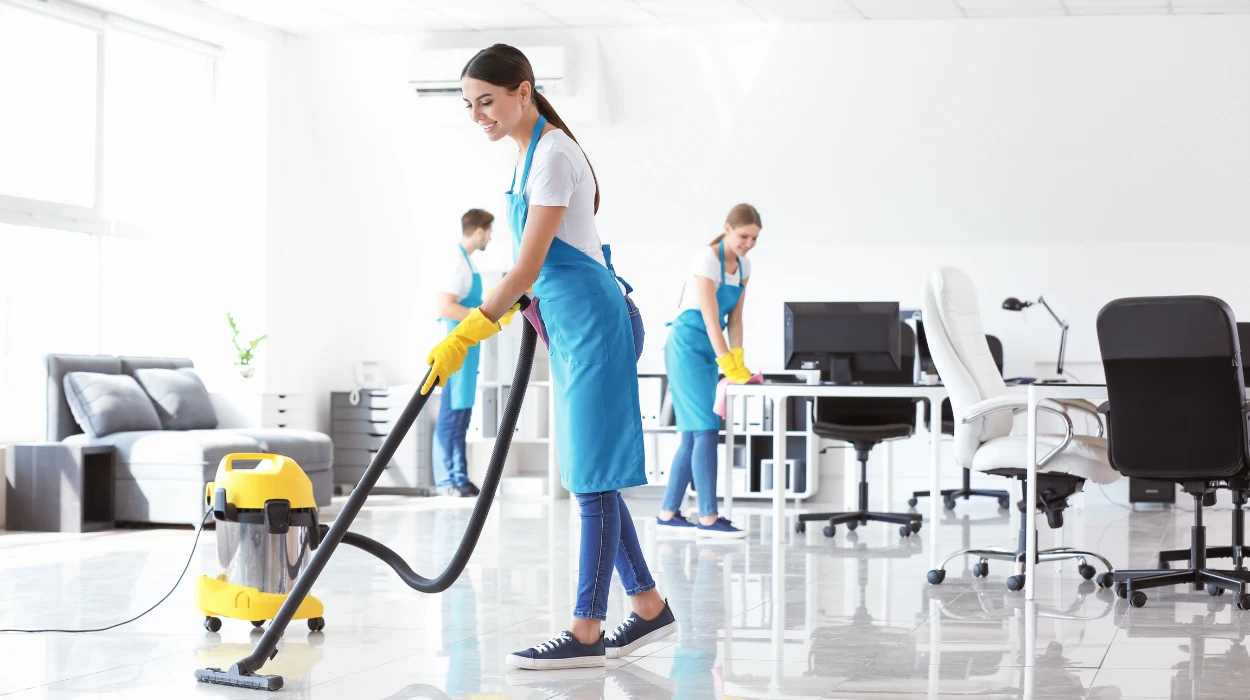
Warehouse Cleaning in Oldham is essential because clean facilities improve safety, productivity, inventory protection, and regulatory compliance.
Large warehouses require structured cleaning processes, suitable cleaning-equipment, and scheduled maintenance to reduce operational risks and maintain professional standards.
Warehouse Cleaning in Oldham for Modern Facilities
Warehouse Cleaning in Oldham plays a vital role in maintaining safe, organised, and productive industrial environments. Unlike standard commercial cleaning, warehouse cleaning involves managing large floor areas, storage zones, loading bays, racking systems, machinery surroundings, and employee welfare spaces. Large facilities experience constant movement from forklifts, pallets, goods vehicles, and staff, creating continuous dust, debris, and contamination challenges.
A clean warehouse supports efficient logistics operations and helps businesses reduce avoidable hazards. Dust accumulation can affect inventory quality, equipment performance, and air quality throughout the building. Regular cleaning also helps managers identify maintenance concerns before they become costly operational problems. For facilities handling high stock volumes, cleanliness directly contributes to workflow efficiency and workplace safety.
Businesses across Oldham increasingly recognise that structured cleaning schedules are part of effective facility management rather than an occasional maintenance task. Commercial cleaning providers develop site-specific plans that align with operational requirements, industry regulations, and health and safety responsibilities. Professional commercial cleaning standards are widely adopted throughout industrial and warehouse environments to support safer workplaces.
Why Large Warehouses Require Specialised Cleaning Approaches
Large facilities present challenges that differ significantly from offices, retail units, or small commercial premises. Warehouse environments often contain high ceilings, extensive shelving systems, storage racks, production areas, and loading zones that require specialised access methods and equipment.
Dust is one of the most common concerns within warehouse environments. Cardboard packaging, vehicle traffic, wooden pallets, and product handling continuously generate airborne particles. Over time, dust settles on stock, shelving, lighting fixtures, ventilation systems, and machinery. Without routine cleaning, this build-up can affect visibility, employee comfort, and operational efficiency.
Another challenge involves maintaining clear access routes. Forklift lanes, pedestrian walkways, emergency exits, and loading bays must remain free from debris and obstructions. Regular inspections and cleaning routines help ensure these critical areas remain accessible and compliant with workplace safety requirements. Large facilities benefit most when cleaning activities are integrated into overall operational planning rather than treated as separate maintenance tasks.
How Cleaning-Equipment Improves Warehouse Cleaning Results
The effectiveness of warehouse cleaning depends heavily on selecting suitable cleaning-equipment for the environment. Traditional cleaning methods may not be practical for large industrial facilities where thousands of square metres require routine maintenance.
Industrial floor scrubber dryers are commonly used to remove dirt, grease, and residue from warehouse floors. These machines clean large surfaces efficiently while minimising downtime. Industrial vacuum systems help remove dust from flooring, shelving, and hard-to-reach areas where airborne particles frequently accumulate.
High-level cleaning equipment is also important in facilities with tall racking systems and elevated structures. Access platforms and specialist tools enable cleaning teams to safely remove dust from beams, lighting systems, ventilation units, and overhead surfaces. Using appropriate cleaning-equipment helps improve cleaning consistency while reducing labour demands and disruption to daily operations.
Modern commercial cleaning providers often incorporate advanced equipment into their service plans because large facilities require scalable solutions. The right equipment contributes to better hygiene standards, improved safety, and longer-lasting infrastructure throughout the warehouse environment.
Key Areas That Require Regular Warehouse Cleaning
Every warehouse contains several zones that require different cleaning frequencies and approaches. Understanding these areas helps facility managers create practical maintenance schedules.
Warehouse Floors
Warehouse floors experience constant traffic from forklifts, pallet trucks, and employees. Dirt, dust, packaging materials, and spillages accumulate quickly. Routine floor cleaning reduces slip risks while maintaining a professional environment.
Storage Racks and Shelving
Shelving systems collect significant amounts of dust over time. Regular cleaning prevents contamination of stored products and helps improve inventory presentation. It also allows staff to inspect storage infrastructure for potential damage.
Loading Bays
Loading bays are among the busiest sections of any warehouse. Vehicle movement introduces dirt, debris, moisture, and contaminants from external environments. Frequent cleaning supports safe loading and unloading operations.
Staff Welfare Areas
Break rooms, kitchens, washrooms, and administrative offices require cleaning standards comparable to other commercial environments. Maintaining these areas promotes employee wellbeing and creates a healthier workplace.
Creating an Effective Warehouse Cleaning Schedule

One of the most effective warehouse cleaning strategies is implementing a structured schedule. Cleaning requirements vary depending on facility size, stock type, operational volume, and industry sector.
Daily cleaning typically focuses on high-traffic areas, spill management, waste removal, and floor maintenance. Weekly tasks may include more detailed cleaning of storage areas, shelving systems, and welfare facilities. Monthly and quarterly schedules often incorporate deep cleaning activities that address high-level surfaces and less accessible locations.
Facility managers should evaluate warehouse activity patterns when planning cleaning schedules. Cleaning can often be arranged during quieter operational periods to minimise disruption. Professional cleaning providers frequently conduct site assessments to identify cleaning priorities and determine the most suitable maintenance programme.
Businesses seeking broader insights into commercial cleaning strategies can review this guide on commercial cleaning solutions for local businesses.
Health and Safety Benefits of Professional Warehouse Cleaning
Health and safety remain among the most important reasons for maintaining warehouse cleanliness. Industrial facilities contain numerous hazards that can become more dangerous when cleaning standards decline.
Dust accumulation may contribute to respiratory concerns and reduced indoor air quality. Debris left on floors increases the risk of slips, trips, and falls. Poorly maintained loading zones may create operational hazards for vehicles and personnel.
Routine warehouse cleaning supports compliance with workplace safety expectations and demonstrates a proactive approach to risk management. Clean facilities also improve visibility around storage areas, helping employees identify potential hazards more easily.
Professional cleaning programmes help businesses maintain consistency while ensuring cleaning tasks are completed according to established procedures. Many commercial cleaning providers operate using structured methods, training programmes, and documented processes designed to support workplace safety objectives.
Preventing Inventory Damage Through Better Cleaning Standards
Warehouse inventory often represents a substantial business investment. Dust, moisture, and contaminants can negatively affect stored products, particularly in facilities handling sensitive materials, packaging, electronics, textiles, or food-related goods.
Regular cleaning reduces the likelihood of contamination and helps maintain product quality. Clean storage environments also make inventory management easier because labels, shelving systems, and storage locations remain visible and organised.
Preventative cleaning measures are generally more cost-effective than dealing with damaged inventory or operational interruptions. By maintaining high cleaning standards, warehouse operators can support product integrity while reducing unnecessary losses.
For facilities that require specialist post-project cleaning, businesses can explore professional industrial and construction cleaning services:
https://beecleaningservices.co.uk/blogs/why-choose-professional-construction-cleaning-services-in-oldham/
Choosing Professional Warehouse Cleaning Services
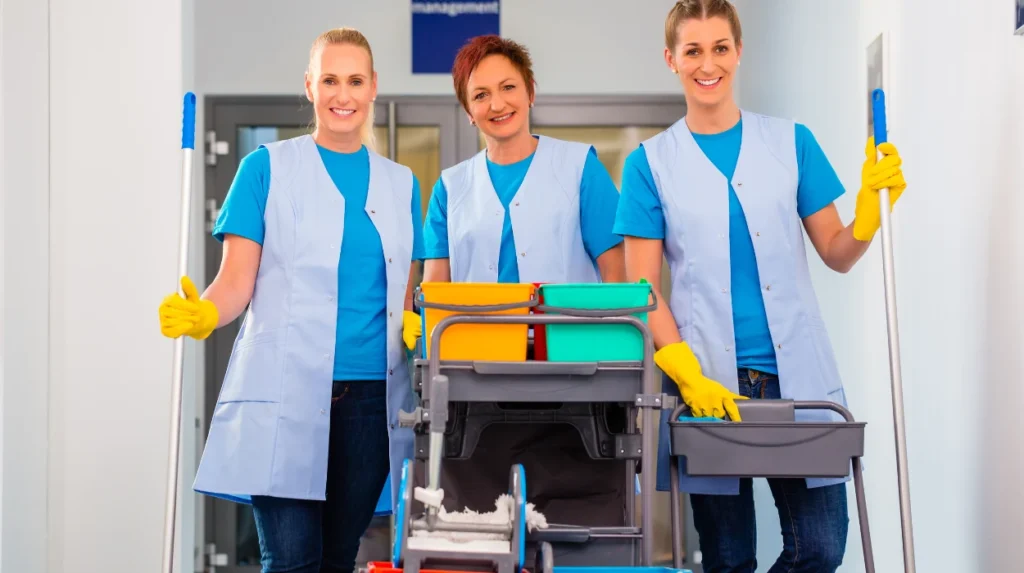
Selecting a cleaning provider involves more than comparing prices. Warehouse environments require experience, appropriate cleaning-equipment, trained personnel, and a clear understanding of industrial cleaning requirements.
A professional provider should conduct a site assessment before recommending a cleaning programme. This allows them to identify facility-specific challenges, operational constraints, and safety considerations. Cleaning plans should be tailored to warehouse layouts, stock types, and business activities.
Experience with commercial and industrial facilities is particularly important. Large warehouses often require flexible scheduling, specialist machinery, and detailed risk assessments before cleaning activities begin. Businesses should also evaluate whether providers can scale services as operational requirements evolve.
Companies throughout Oldham often prioritise trusted commercial cleaning partners capable of delivering consistent service standards across a variety of commercial environments.
The Future of Warehouse Cleaning in Oldham
Warehouse cleaning continues to evolve alongside advances in logistics, automation, and facility management. Modern facilities increasingly rely on data-driven maintenance strategies that support operational efficiency and sustainability goals.
Advanced cleaning-equipment improves productivity while reducing water and chemical consumption. Improved cleaning technologies also help businesses maintain higher standards with less disruption to warehouse operations.
As warehouse facilities expand to meet growing logistics demands, structured cleaning programmes will remain an important component of facility management. Clean environments contribute to safer workplaces, better operational performance, and improved asset protection across industrial sectors.
Warehouse Cleaning in Oldham is a critical part of maintaining safe, efficient, and professional large-scale facilities. From floor maintenance and dust control to high-level cleaning and inventory protection, a structured cleaning programme supports operational performance and workplace safety. By combining effective cleaning-equipment, scheduled maintenance, and professional expertise, businesses can create cleaner environments that support long-term operational success. Bee Cleaning Services Manchester provides professional cleaning solutions designed to help warehouses maintain high standards across every area of their facility.
Frequently Asked Questions
How often should a warehouse be professionally cleaned?
Most warehouses benefit from daily maintenance cleaning combined with weekly and monthly deep cleaning tasks. The exact frequency depends on traffic levels, stock types, operational activity, and industry requirements. Larger facilities generally require more structured cleaning schedules.
What cleaning-equipment is commonly used in warehouses?
Industrial scrubber dryers, warehouse vacuums, pressure cleaning systems, and high-level access equipment are commonly used. The specific cleaning-equipment selected depends on warehouse size, flooring materials, and operational requirements.
Can warehouse cleaning improve workplace safety?
Yes. Regular cleaning reduces dust, debris, spillages, and obstructions that contribute to workplace accidents. Cleaner environments support safer movement of employees, forklifts, and inventory throughout the facility.
Is warehouse cleaning different from office cleaning?
Warehouse cleaning involves larger spaces, industrial environments, specialist equipment, and unique safety considerations. Office cleaning focuses primarily on workstations, meeting rooms, and employee areas, while warehouses require broader operational maintenance.
Why do people on Reddit and Quora ask about warehouse dust control?
Warehouse dust is a common operational challenge because it affects inventory quality, machinery performance, employee comfort, and air quality. Effective cleaning schedules and suitable equipment help reduce dust accumulation and improve overall facility conditions.