

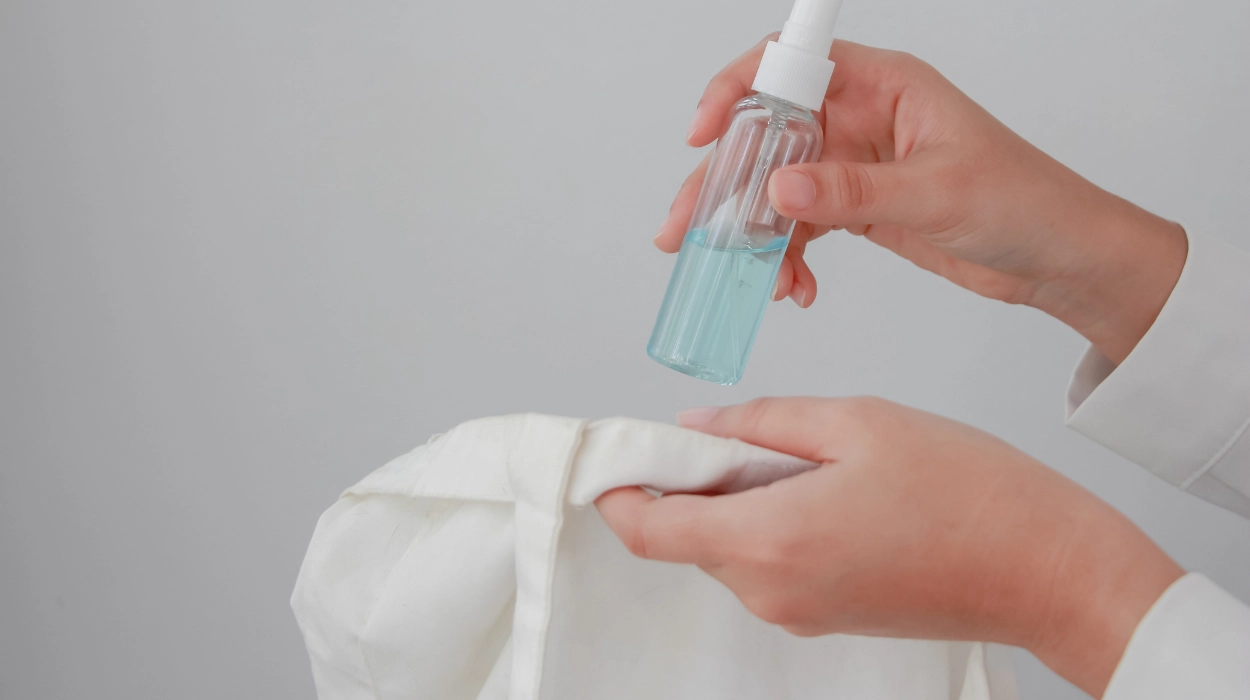
A lot of individuals query the question of what residents misunderstand about antiviral sanitization in Altrincham, since people think the word is technical, burdensome, or even not required by a normal home. People tend to listen to it when there is a flu season, when there is an outbreak in a family, or when a guest has been recommended to take it. Its primary confusion is based on the belief that it is either a complete overhaul, such as a hospital cleaning or an alternative to day-to-day cleaning.
Examples include some individuals thinking it gets rid of all visible stains, dusts or viruses in the house, resulting in unrealistic expectations. Others feel that after the service is done, their house is airtight against the viruses and this is not the case. The result of such misunderstandings may include frustration and expended funds or even a lack of trust in professional services.
Personally, I have witnessed families in Altrincham resort to antiviral sanitization following a cold, and I was disappointed that the floor had not been dusted or the counter was not shining. The fact is that antiviral sanitization is focused on minimizing viruses, not to carry out general cleaning, and should be used in addition to regular housekeeping processes.
Antiviral Sanitization in everyday homes
This is a misconception that antiviral sanitisation is subject to, since people tend to hear the term and pass by without fully comprehending what this is, often seeing it online or being advised by a well-meaning friend about it. Most individuals believe that it is either heavy, time-consuming, or only useful in hospitals or offices. In an actual sense, antiviral sanitisation is a practice that removes viruses on high-contact surfaces; this includes door handles, kitchen counters, switches, and handrails. It fails to eliminate dirt, grime and dust, which still need the normal cleaning.
A big number of families in Altrincham express shock to be informed that antiviral sanitisation is most effective when performed upon a house that is already cleaned due to the fact that dirt and debris may decrease the efficacy of antiviral products. My personal experience is that there was one family which ordered the service following a minor outbreak of flu, and they were expecting to have a clean house, yet they found it dusty.
The service had been successful in lowering the number of viruses, yet it was under the wrong assumption that it would have visual results. This knowledge of difference can guide the residents to schedule cleaning routines accordingly, and therefore, the service is an addition to the daily habit and not in lieu of it, where the service will offer genuine, lasting hygiene benefits.
Antiviral sanitisation is particularly aimed at lowering the viruses on the surfaces to less hazardous levels as opposed to eradicating all germs or substituting all clean-ups. Confusion can occur in many cases because many residents in Altrincham associate it with disinfecting or deep cleaning.
Other families even delay their ordinary cleaning by believing that their homes will be fully clean and safe in antiviral sanitisation. The reality is that the process is aimed at attacking the viruses on previously washed surfaces and utilizes approved chemicals that are sprayed to high-contact places in a controlled fashion. I remember that one of our neighbours hired an antiviral cleaning service because their child had a cold and predicted that the house would be immaculate after the treatment.
Why confusion around antiviral sanitization is common
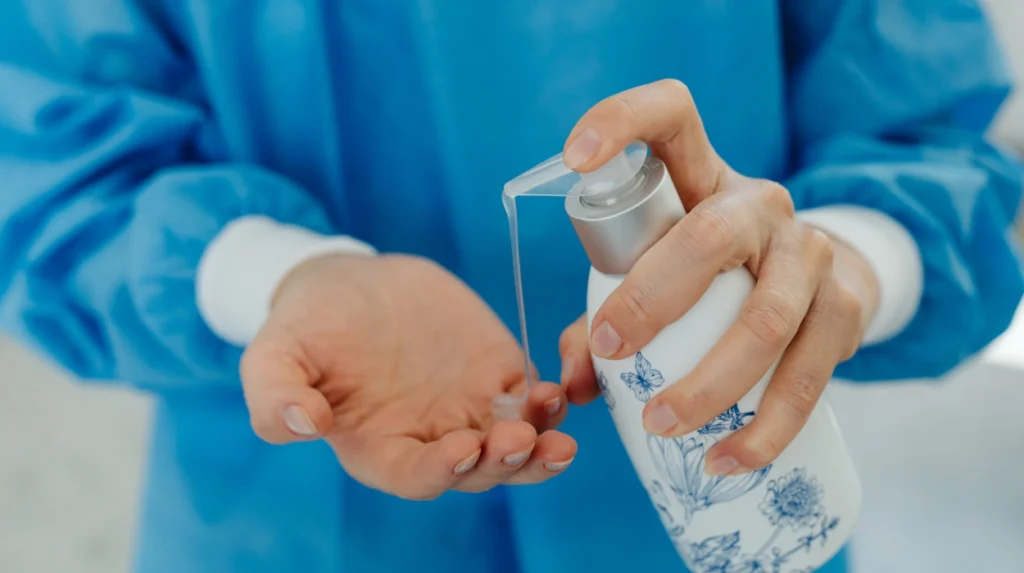
The problem with antiviral sanitisation is that there is confusion due to the use of words such as cleaning, disinfecting, and sanitising being used interchangeably in marketing, and the residents fail to understand what each of the services entails. The majority think that the antiviral sanitisation is the best solution to all domestic hygiene issues and assume that when this is done, it will not allow any illnesses or germs to spread.
A busy family of Altrincham, children, pets and tight schedules are the most inclined to such misunderstandings, and it is in this case that the family needs to find a fast solution to keep the place clean after an illness or a visitor. I have also noticed that such families tend to be irritated when their house does not appear the way it should at the end of a service, even though the antiviral sanitisation effectively minimised the amount of the virus. It is the issue of misunderstanding due to a personal lack of a clear explanation of what the service is and is not.
By teaching residents about such differences, one will make sure that they make informed choices, integrating routine cleaning with specific antiviral interventions. Once the expectations match with the reality, the service is meaningful, useful and enjoyed as to what it truly provides.
Sanitisation, disinfection and cleaning are not similar
The most significant misconception is that cleaning services have identical outcomes. Regular cleaning eliminates the apparent dirt, dust, crumbs and other stains. Disinfection removes germs and bacteria from surfaces. Sanitisation and especially antiviral sanitisation will be formulated with the aim of eliminating viral loads to safer levels. There is a common misconception among the residents of Altrincham that antiviral sanitisation is enough, and they do not have to clean the place regularly.
I recall the family that ordered antiviral sanitisation in anticipation that it would substitute vacuuming, dusting and overall cleaning.
Although the virus levels were lessened, the home did not look clean, and this disappointed. The moral is obvious: antiviral sanitisation is one more, specific, hygiene layer which supplements daily cleaning activities, rather than replacing them. By knowing this difference, residents will be able to make wise choices, spend money on services wisely and keep both the visual and health clean. Such a strategy will create a trusting relationship between service providers and households so that families will be convinced of the usefulness of antiviral cleaning by professionals.
When antiviral sanitization is actually useful
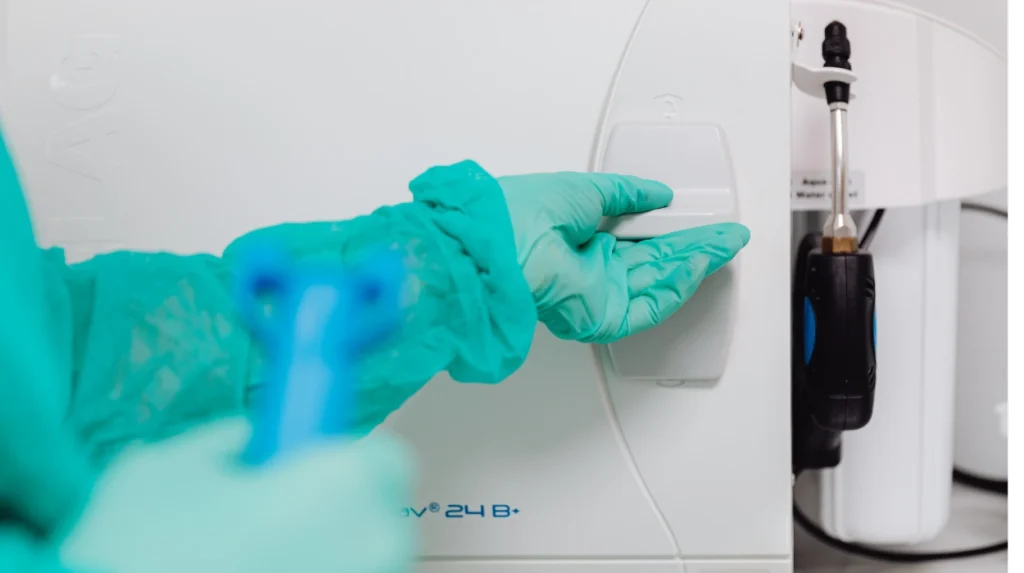
Frequency is not crucial like timing and context. The antiviral sanitisation is the most advantageous after the known disease, contact with an infected person, or a time of high visitor numbers. It assists in restoring hygiene and minimizing the number of viruses on the surfaces, especially in kitchens, bathrooms, and high-contact places. I have noticed that families that abuse the service by failing to clean them regularly will end up frustrated and losing money, whereas those who use them in a strategic manner will realize a tangible reward.
To illustrate, antiviral sanitization is a warranty that a child can have after his or her recovery following a bout of flu and minimises the chances of being re-infected. It is used as an element of a common hygiene plan and not in isolation, but it is meaningful in its protection. Knowledge of the timing and the method of use of the service will ensure the residents record the maximum results and have sustainability in their cleaning practices. The balance ensures that antiviral sanitisation proves to be an effective and economical resource in the family of Altrincham.
Residents’ misconceptions about antiviral sanitisation in Altrincham are cleared up, and it results in families being better informed, hence able to achieve realistic outcomes. Antiviral sanitisation is an important service; however, it gives the best results when the expectations are set right and is done along with the normal cleaning schedules. It helps in reducing the virus risk, enhancing hygiene, and giving confidence, but it does not cancel out the need for daily care and does not guarantee any safety.
The families that know these facts use the service smartly, make savings, and enjoy healthier homes. For the residents who want professional, trustworthy, and open antiviral cleaning in Altrincham, Bee Cleaning Services Manchester brings expert support, safe solutions, and services built around actual household needs that allow families to control the spread of the virus while making sure their daily routines remain easy.