

The ideal frequency for office cleaning services in Farnworth depends entirely on your daily foot traffic, staff size, and the specific hygiene standards required for your industry. While high-traffic environments benefit from daily maintenance to prevent grime buildup, smaller professional offices often find that a thorough weekly deep clean is more cost-effective and sufficient for their needs.
Assessing Your Workplace Traffic and Density
Determining the right cadence for your workplace maintenance requires a thorough assessment of how your physical space is utilized throughout the work week. Many business owners struggle to balance the desire for a pristine environment with the practical constraints of their operational budget and staff schedules. Choosing the right office cleaning services in Farnworth involves looking at the density of your workforce and the frequency of client visits to the premises. A quiet consultancy firm with only five employees will have vastly different sanitation requirements than a bustling call center or a medical facility. When you evaluate your needs, consider how quickly dust accumulates on electronic surfaces and how fast communal areas like kitchens become cluttered. Understanding these variables ensures that you invest in a plan that maintains professional standards without overspending on unnecessary visits.
The Advantages of Consistent Daily Maintenance
Daily cleaning is often the gold standard for businesses that host frequent client meetings or operate in sectors where hygiene is a critical component of the brand image. This consistent approach ensures that high-touch points such as door handles, elevator buttons, and shared desks are disinfected every twenty four hours to minimize the spread of germs. In a busy corporate environment, the accumulation of waste and the staining of carpets can happen rapidly, making a nightly service essential for maintaining a polished appearance.
By addressing spills and trash removal daily, you prevent small issues from becoming permanent eyesores that could negatively impact employee morale or client perceptions. Furthermore, daily attention to restroom facilities is almost always a requirement for any office with more than ten employees to ensure a sanitary and comfortable environment.
Strategic Benefits of Weekly Deep Cleaning

Weekly cleaning schedules offer a more focused and intense approach to maintenance that can be highly effective for smaller teams or specialized office layouts. Instead of brief daily visits, a weekly service allows cleaners to spend more time on detailed tasks such as dusting high shelving, deep cleaning upholstery, and polishing hard flooring. This schedule is particularly suitable for businesses that follow a hybrid working model where the office is not occupied at full capacity every day.
It provides a significant refresh that resets the workspace for the coming week, ensuring that every corner is addressed with precision and care. For many local enterprises, this represents a strategic way to manage facility costs while still benefiting from professional expertise and high-grade industrial equipment. You might also find that a comprehensive spring office maintenance plan helps bridge the gap between these regular visits.
Adapting to Seasonal and Environmental Changes
The decision-making process should also account for the seasonal changes that affect the cleanliness of a Manchester-based office throughout the calendar year. During the wetter months, mud and debris are tracked into buildings more frequently, which might necessitate a temporary shift from weekly to daily floor maintenance. Conversely, during periods of lower activity, you might scale back to prioritize specific areas that see the most use like the breakroom or the reception desk.
Bee Cleaning Services Manchester works with clients to identify these shifting needs, providing flexibility that adapts to the rhythm of the local business cycle. By analyzing the flow of people through your doors, you can identify “hot zones” that require more frequent attention than the quiet corners of your storage or filing rooms. This data-driven approach to scheduling ensures that your resources are allocated where they will have the most significant impact on hygiene.
Health, Productivity, and Professional Standards
Integrating professional janitorial support into your operations is not just about aesthetics; it is a fundamental part of your workplace health and safety strategy. Clean environments are proven to reduce the number of sick days taken by employees by limiting the transmission of seasonal viruses and bacteria across shared surfaces. When you choose office cleaning services in Farnworth, you are investing in the long-term productivity of your team and the longevity of your office furniture and flooring.
Professional cleaners use specific chemical solutions and techniques that are designed to preserve materials while eliminating pathogens that standard domestic products might miss. This technical expertise is especially valuable for modern offices that feature a mix of delicate technology and high-end finishes that require specialized handling. Consistency in these tasks builds a foundation of wellness that supports your company’s overall mission and professional standing.
Balancing Financial Efficiency with Quality Results
Budgetary considerations are always at the forefront of facility management, but the cheapest option is rarely the most valuable when it comes to professional sanitation. A weekly clean might seem cheaper on paper, but if the buildup of dirt leads to premature carpet replacement or equipment failure, the long-term costs will far exceed the savings. On the other hand, daily services must be managed efficiently to ensure that cleaners are not simply repeating tasks that do not yet require attention. The most successful businesses often utilize a hybrid approach, where high-traffic areas are addressed daily while deeper structural cleaning is reserved for a weekly or bi-weekly schedule.
Working with an experienced provider like Bee Cleaning Services Manchester allows you to customize a plan that hits the sweet spot between financial efficiency and a spotless work environment. They can help you navigate the complexities of choosing eco-friendly solutions that align with your corporate social responsibility goals.
Implementing a Seamless Workflow Integration
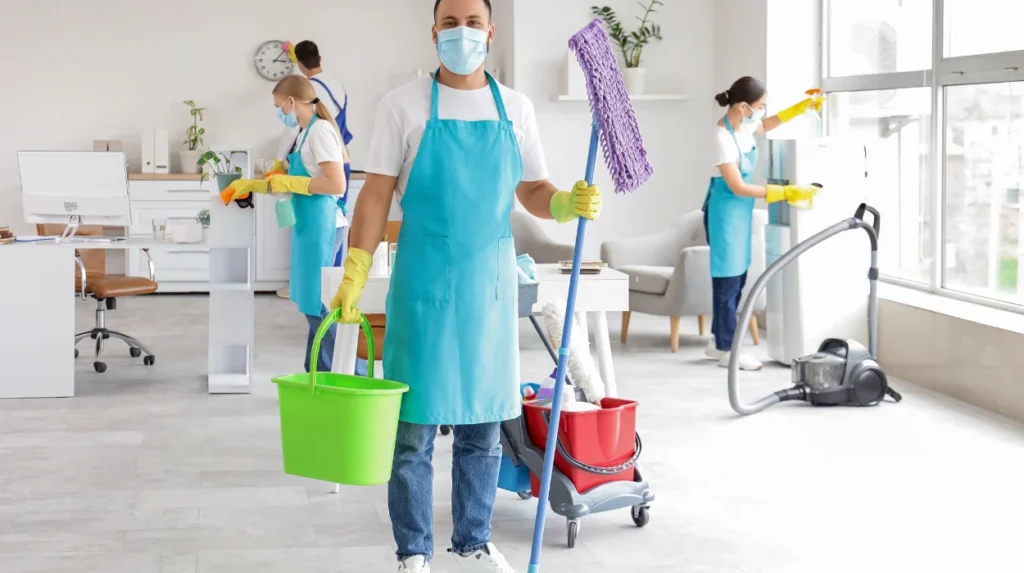
The transition between different cleaning frequencies should be handled with clear communication to both your staff and your chosen service provider to ensure a smooth workflow. If you are moving from a weekly to a daily schedule, it is helpful to define which tasks are the priority for the nightly team to avoid any overlap or confusion. Employees should also be encouraged to maintain their personal workspaces, which allows the professional crew to focus on the more technical aspects of sanitation and disinfection. This partnership between your internal team and the external cleaning experts creates a culture of respect for the physical workspace that benefits everyone involved. When the environment is consistently clean, staff members are more likely to take pride in their surroundings and maintain higher standards of organization. Ultimately, the right schedule is one that feels invisible because the office is always ready for business without any disruption to your daily operations.
Environmental Responsibility in Office Maintenance
Environmental impact is another factor that modern businesses must weigh when selecting the frequency and type of cleaning services they utilize for their premises. Daily cleaning involves more frequent transport for the cleaning crew and a higher consumption of water and chemical agents over the course of a month. If your business is committed to a low-carbon footprint, you might opt for a high-intensity weekly service that uses concentrated, biodegradable products to achieve the same hygienic results. This choice reflects a growing trend in the Farnworth business community toward sustainable operations that do not sacrifice quality for the sake of speed or convenience. By selecting professional cleaning outcomes that prioritize both health and the environment, you position your brand as a forward-thinking and responsible member of the local economy. It is possible to maintain a pristine office while remaining conscious of the ecological legacy your business leaves behind.
Finding the perfect balance for your office maintenance involves a blend of practical observation, budgetary planning, and a commitment to employee well-being. Whether you determine that daily visits are essential for your high-energy workspace or a weekly deep clean suits your professional pace, the goal remains a healthy and productive environment. Bee Cleaning Services Manchester offers the expertise required to assess your unique needs and implement a schedule that keeps your facility in peak condition. Their professional team understands the nuances of various industries and provides the reliable support needed to ensure your office reflects the high standards of your brand. By choosing a tailored approach, you can focus on your core business activities while knowing that your workspace is being managed by dedicated experts who care about the details as much as you do.
What is the 20 10 rule for cleaning?
The 20 10 rule involves cleaning for 20 minutes followed by a 10 minute break. This structured approach prevents burnout and makes daunting office tasks more manageable, ensuring consistent productivity without overwhelming the staff responsible for maintaining the workplace environment.
What are the 3 R’s in housekeeping?
The 3 R’s stand for Reduce, Reuse, and Recycle. In professional housekeeping, these principles guide staff to minimize waste production, find secondary uses for materials, and ensure proper disposal of paper or plastic to maintain a sustainable and eco-friendly office.
What is R1 to R9 in housekeeping?
R1 to R9 refers to a standardized color-coding system for cleaning chemicals. For example, R1 is typically for bathrooms and R2 for hard surfaces. This system ensures safety, prevents cross-contamination, and helps professional teams use the correct solution for every surface.
What are the 4 types of waste management?
The four primary types are recycling, composting, landfill disposal, and incineration. A strategic waste management plan in an office setting ensures that hazardous materials, electronics, and general refuse are handled correctly to minimize environmental impact and meet local regulatory standards.
How can I apply the 4 R’s at home?
Apply the 4 R’s—Reduce, Reuse, Recycle, and Recover—by limiting single-use plastics, repurposing glass jars for storage, sorting paper waste, and composting organic scraps. These habits create a cleaner living space and significantly reduce the volume of trash sent to landfills.