

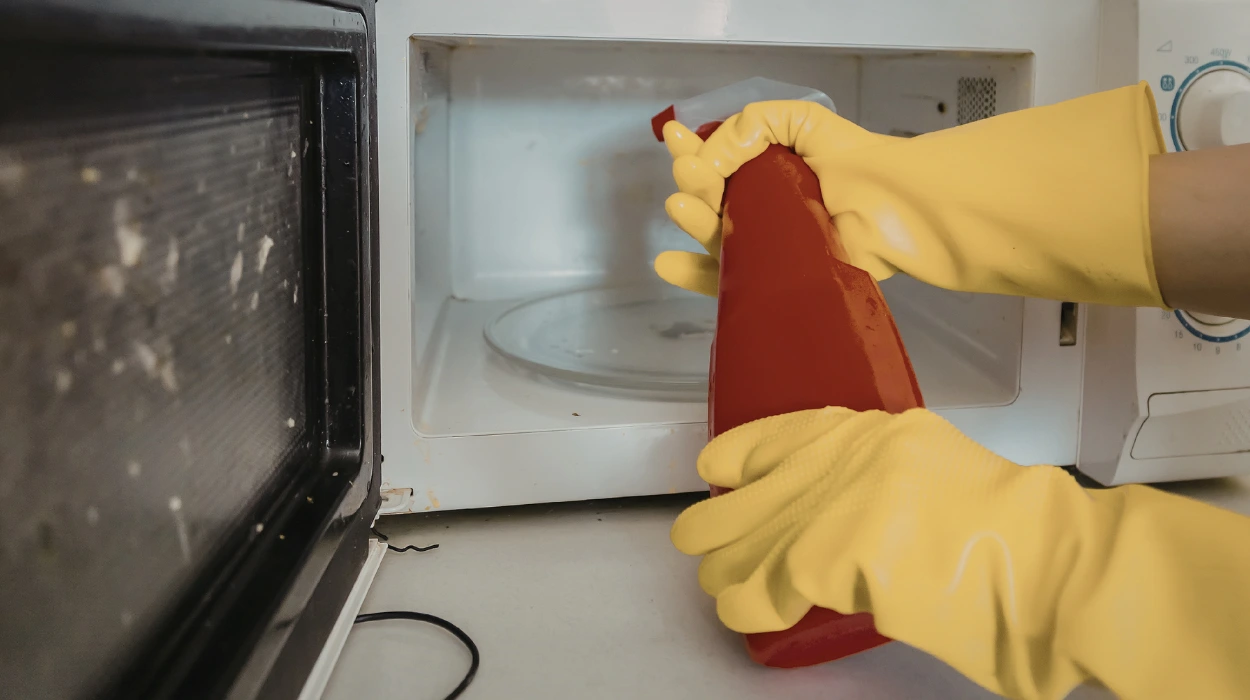
Oven Cleaning Services in Farnworth frequently address smoking appliances caused by the accumulation of food debris, grease, or chemical residues from past cleaning attempts. To stop an oven from smoking, you must identify the source of the residue, whether it is spilled fat or a faulty heating element—and perform a thorough deep clean of the interior surfaces.
Common Causes of Oven Smoke
When an oven begins to emit smoke shortly after being switched on, the most frequent culprit is organic buildup from previous cooking sessions. High temperatures cause old grease and carbonized food particles to burn, releasing acrid smoke into the kitchen environment. This is more than just an aesthetic or olfactory nuisance; it can affect the flavor of your food and even pose a fire hazard if the buildup is significant. In many cases, a simple wipe-down is insufficient because the grease has migrated into hard-to-reach areas like the fan housing or behind the heating elements.
Another common factor involves the presence of factory coatings or chemical residues. If the appliance is brand new, it may smoke during its initial “burn-in” period as protective oils used during manufacturing are vaporized. Conversely, if you have recently used a store-bought aerosol cleaner, any remaining suds or film can smoke and produce toxic fumes when the oven reaches high temperatures. Professional intervention through expert sanitation ensures that all traces of these volatile substances are safely removed from the cavity before you prepare your next meal.
The Impact of Grease Accumulation on Performance
Grease is a highly efficient fuel for smoke, and in a busy Manchester household, it accumulates faster than most realize. As fats splatter during the roasting process, they coat the walls, roof, and floor of the oven. Over time, these layers undergo a process of carbonization, turning into a hard, black crust that smokes every time the heating element cycles on. This persistent smoking is a primary reason why residents seek out specialized maintenance for their kitchen appliances to restore a hygienic cooking environment.
Beyond the smoke itself, the presence of thick carbon deposits forces the oven to work harder to maintain consistent internal temperatures. The thermostat may struggle to read accurately through a layer of grime, leading to unevenly cooked food or longer preheating times. By addressing the root cause of the smoke, you are also improving the energy efficiency and longevity of the unit. A clean oven allows for better heat reflection and distribution, ensuring that your roasts and bakes are consistent every time you use the appliance.
Identifying Mechanical Failures Versus Dirt

While dirt is the most likely reason for a smoking oven, mechanical issues should not be ignored. If the smoke is accompanied by a sharp, metallic smell or if the smoke is coming specifically from the heating elements without any visible debris, the element itself may be short-circuiting or reaching the end of its lifespan. In such instances, the smoke is often grey or blue rather than the brown or black smoke associated with burning food. Distinguishing between a dirty oven and a broken one is a critical step in home safety.
If the smoke is localized to the door area, it often indicates a perished or dirty door seal. When the gasket is covered in grease, it cannot create an airtight seal, allowing heat and smoke to escape the cavity. This not only smokes up the kitchen but also causes the control knobs and fascia to overheat. Understanding the steps involved in a comprehensive professional scrubbing can help you realize where your own cleaning routine might be falling short and where a deeper level of care is required to fix the issue.
The Dangers of Self-Cleaning Cycles
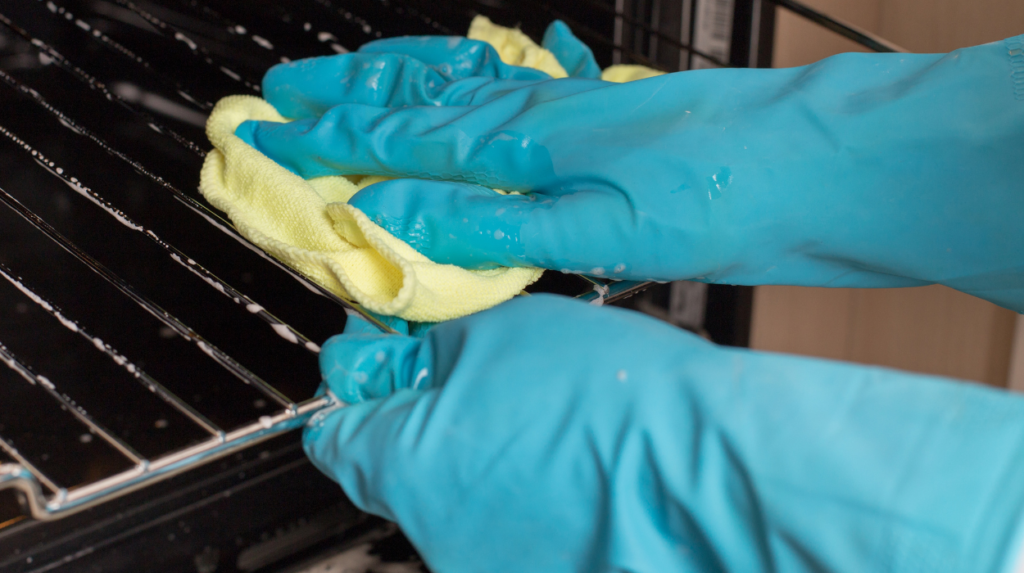
Many modern ovens come equipped with a pyrolytic self-cleaning function, which incinerates waste at extremely high temperatures. While convenient, this process is a frequent cause of heavy smoke, especially if the oven has a large amount of wet grease inside. The intense heat can cause the grease to ignite, leading to kitchen fires or damage to the oven’s internal electronics. Many manufacturers recommend manually removing large chunks of debris before starting this cycle, yet smoke remains a common byproduct of the high-heat method.
Furthermore, the fumes produced during a self-clean cycle can be harmful to pets and individuals with respiratory sensitivities. The burning of food waste at $500°C$ releases carbon monoxide and other particulates into the home. For those who prefer a smoke-free and chemical-free home environment, opting for expert local oven sanitation specialists is often a safer and more effective alternative. Professional cleaners use non-toxic, fume-free products that achieve a better result without the risks associated with extreme heat or harsh domestic chemicals.
Professional Solutions for a Smoke-Free Kitchen
Bee Cleaning Services Manchester understands that a smoking oven is a sign that the appliance requires immediate attention to remain safe and functional. Our process involves a systematic dismantling of the oven, including the removal of racks, trays, and the fan cover to ensure that every hidden pocket of grease is eliminated. By using dip-tank technology and specialized tools, we can remove the carbonized layers that cause smoke, which are often impossible to shift with standard supermarket cleaning supplies.
When you choose Oven Cleaning Services in Farnworth, you are investing in the health of your home and the quality of your food. Our technicians are trained to identify the specific causes of smoke and provide a solution that leaves your oven looking and smelling like new. Bee Cleaning Services Manchester provides professional cleaning solutions that help residents maintain their appliances properly, ensuring a smoke-free kitchen and a safer cooking experience for every household in the area.
Is it normal for my oven to smoke while baking?
While a tiny amount of vapor is common for new ovens or high-heat roasting, visible smoke is generally not normal. It usually indicates that food debris, grease, or cleaner residue is burning off inside the unit.
What causes smoke in an oven?
The most frequent culprits are spilled food, grease splatters, or leftover chemical residue from cleaning products. In some cases, a faulty heating element or a brand-new oven “burning off” factory coatings can also cause smoke.
Is the oven supposed to smoke while preheating?
No, an oven should heat up cleanly. If it smokes during preheating, there is likely old residue on the floor or walls from a previous meal, or you may have a failing heating element that needs inspection.
How do I stop my oven from smoking?
First, turn it off and let it cool; then, wipe away any visible crumbs or grease with a damp cloth. For stubborn issues, ensure all cleaning agents are thoroughly rinsed out and use roasting pans to catch future drips.
What are common signs of oven failure?
Beyond persistent smoke, watch for inconsistent temperatures, buzzing sounds, or visible cracks in the heating elements. If you see electrical sparks or smell a distinct “metallic” burning, it’s time to call a professional.