


Recognizing the signs you need disability-specific cleaning support involves identifying when physical limitations, sensory sensitivities, or executive functioning challenges prevent you from maintaining a safe and hygienic living environment. If your home maintenance is impacting your health or independence, transitioning to NDIS Cleaning Services in Farnworth ensures you receive tailored assistance that aligns with your specific mobility requirements and NDIS plan goals.
Identifying Physical Strain and Mobility Limitations in Home Maintenance
One of the primary indicators that specialized help is required is a noticeable increase in physical exhaustion or pain following routine household tasks. When vacuuming, mopping, or scrubbing surfaces begins to compromise your energy levels for essential daily activities, it suggests that standard domestic chores are no longer sustainable without professional intervention. For residents in the local area, accessing NDIS Cleaning Services in Farnworth provides a way to delegate these high-effort tasks to professionals who understand how to work around mobility aids and sensitive medical equipment. This support allows participants to preserve their physical well-being while ensuring their living space remains free of dust and allergens that could further impact their health.
Managing a home with a disability often requires navigating narrow spaces or reaching high surfaces that may be inaccessible to those using wheelchairs or walking frames. If you notice that grime is accumulating in hard-to-reach areas or that floors are becoming slippery and hazardous, it is a clear sign that your current cleaning routine is insufficient for your safety. Professional disability-focused cleaners are trained to identify these specific environmental risks, focusing on high-traffic areas and touchpoints that are vital for infection control. By addressing these physical barriers, specialized cleaning support helps maintain a level of environmental accessibility that supports long-term independence within your own home without the risk of falls or overexertion.
The Impact of Executive Functioning and Sensory Sensitivities
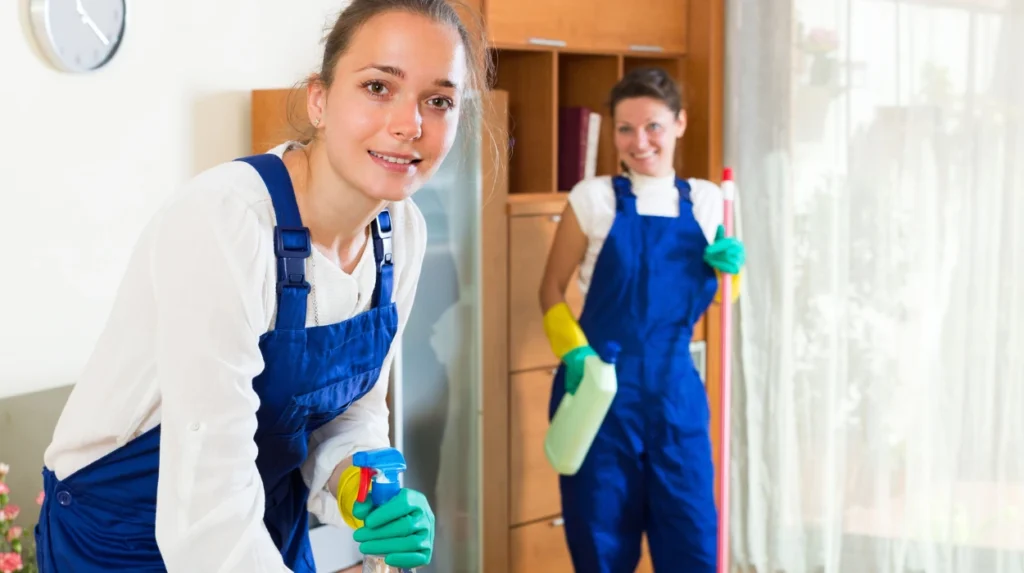
Disability-specific cleaning is not solely about physical labor; it also addresses the cognitive and sensory challenges that can make home maintenance overwhelming. For individuals with neurodivergent conditions, the accumulation of clutter or the presence of strong chemical odors from standard cleaning products can lead to significant sensory overload or anxiety. When the state of your home begins to cause mental distress or if the complexity of organizing cleaning tasks feels unmanageable, it is time to seek out specialized disability household assistance. These services prioritize the use of low-scent, non-toxic products and follow structured routines that respect the sensory needs of the resident, ensuring the process is as stress-free as possible.
Furthermore, a decline in the organization of a living space can often be a silent sign that a participant’s current support system is failing to meet their needs. Executive functioning challenges may make it difficult to prioritize tasks like laundry, waste removal, or kitchen sanitation, leading to an environment that feels chaotic and unsupportive. Professional cleaners who specialize in disability support understand the importance of consistency and predictable scheduling to help mitigate this overwhelm. They do not just clean surfaces; they help maintain the order necessary for a functional home, which is a key component of many NDIS plans focused on improving daily living skills and general well-being.
Evaluating Health Risks and Sanitary Standards in the Home
A home that is difficult to keep clean can quickly become a breeding ground for bacteria and allergens, posing a direct threat to individuals with compromised immune systems. If you find that respiratory issues are worsening or that skin irritations are becoming more frequent, it may be due to a buildup of dust mites, mold, or pet dander that is not being adequately addressed by light cleaning. Utilizing NDIS Cleaning Services in Farnworth ensures that deep cleaning protocols are followed, targeting the hidden areas where pathogens reside. This medical-grade focus on sanitation is a hallmark of disability-specific support, moving beyond mere aesthetics to prioritize the biological safety of the environment for the resident.
Maintaining a hygienic kitchen and bathroom is particularly critical for those who may have difficulties with traditional cleaning postures or grip strength. If soap scum is building up in the shower or if kitchen surfaces are no longer being disinfected daily, the risk of foodborne illness or infection increases significantly. It is important to verify the credentials and insurance of your provider to ensure they are equipped to handle these sensitive areas with the required level of professional rigor. When these domestic standards slip, it serves as a factual indicator that the current level of support is inadequate and that a move toward a more comprehensive, disability-focused cleaning strategy is necessary for health preservation.
Navigating the Transition to Professional NDIS Support
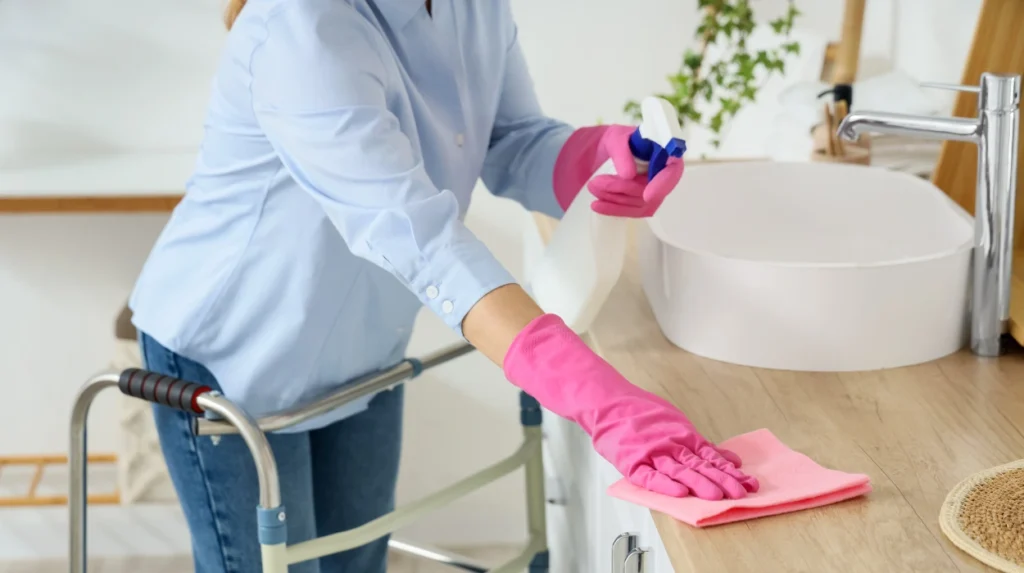
Recognizing the need for help is the first step toward reclaiming a sense of agency over your living environment and ensuring your NDIS funding is used effectively. Many participants hesitate to request cleaning support because they feel they should be able to manage on their own, yet the NDIS framework is specifically designed to fund “reasonable and necessary” supports that foster independence. If your time is being consumed by failing attempts at housework rather than engaging in community participation or therapy, your plan is not working at its peak efficiency. Transitioning to a professional service ensures that every hour of support is maximized, providing a high standard of cleanliness that meets the specific compliance requirements of the NDIS Quality and Safeguards Commission.
When choosing a provider, it is essential to look for those who offer transparent communication and a clear understanding of NDIS line items and reporting. This ensures that the services provided are directly contributing to the goals outlined in your plan, whether that is maintaining your home or building capacity for future independence. For those moving between properties, it is also wise to arrange for professional bond recovery cleaning to ensure that the transition is seamless and that financial interests are protected through high-quality results. Ultimately, disability-specific cleaning is about more than just a tidy house; it is about creating a stable, safe, and dignified foundation for your daily life.
Bee Cleaning Services Manchester understands the nuances involved in maintaining a home for individuals with diverse needs. By focusing on detailed sanitation and professional reliability, they provide essential support that allows residents to focus on their personal goals while living in a healthy, well-maintained environment. Their approach to professional cleaning solutions ensures that every home they service meets the high standards required for safety and comfort in the Farnworth community.
What support does NDIS offer?
The NDIS provides Core Supports for domestic assistance, which includes funding for household chores that a participant cannot perform due to their disability. This covers tasks such as vacuuming, mopping, laundry, dishwashing, and basic yard maintenance to help participants maintain a safe and independent living environment.
What qualifications do I need to be a cleaner?
In Australia, there are no mandatory formal qualifications to start as a domestic cleaner. However, many professional agencies require a National Police Check and NDIS Worker Screening. For those seeking a competitive edge, a Certificate III in Cleaning Operations is the recognized vocational standard.
What is the minimum salary for a cleaner?
As of 2026, under the Cleaning Services Award, the minimum base rate for a Level 1 full-time cleaner is approximately $25.85 per hour. Casual employees receive a 25% loading, bringing their minimum rate to roughly $32.31 per hour, with higher rates applicable for nights, weekends, or public holidays.
What is the highest paying cleaning?
The highest-paying roles in the industry are specialized or managerial positions. Cleaning Validation Consultants in the pharmaceutical sector can earn between $79,000 and $85,000 annually. In general commercial sectors, Housekeeping Supervisors and Executive Housekeepers command the highest hourly rates, often exceeding $38 per hour.
Do I tip a house cleaner?
Tipping is not customary or expected in Australia, as cleaners are covered by fair award wages. While you are not obligated to tip, a small gift or a “round-up” of the bill is sometimes given as a gesture of appreciation for exceptional service or during the holiday season.