
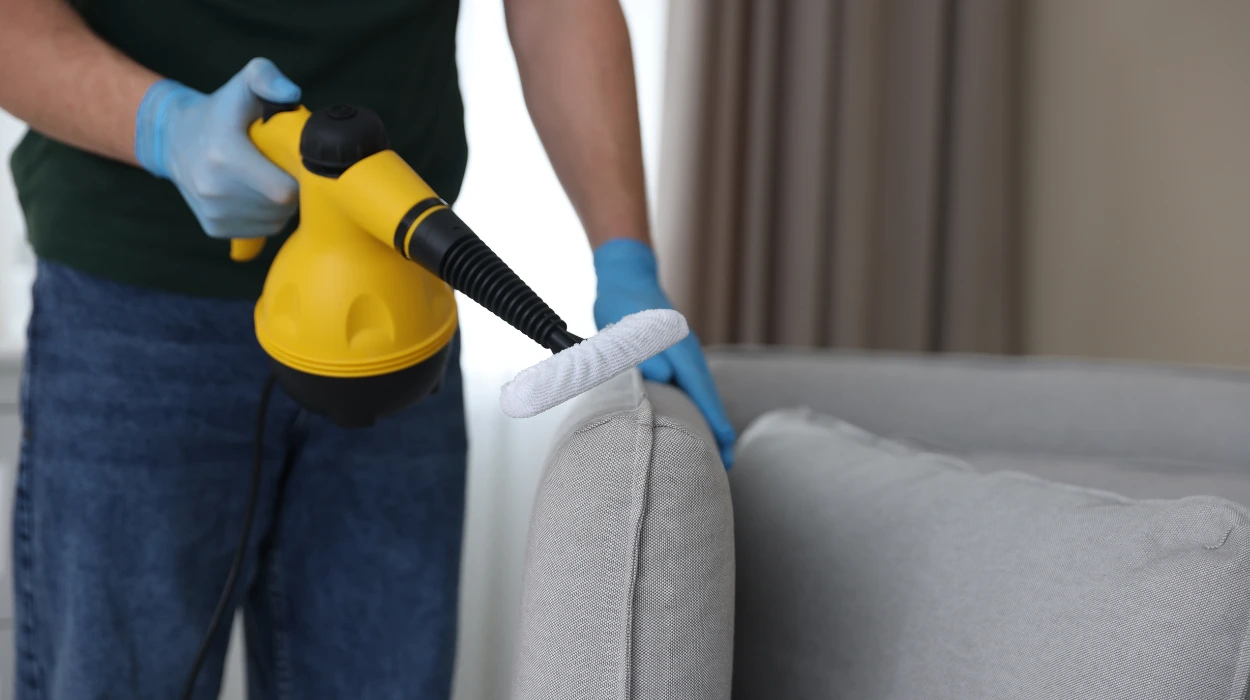
DIY vs expert results from Upholstery Cleaning Services in Oldham compared shows that professional cleaning completely extracts deeply embedded allergens, oils, and soils without risking fabric shrinkage or chemical water staining, whereas household machines often leave behind moisture and sticky soap residues that accelerate re-soiling.
Understanding the deep structural differences between domestic vacuuming and industrial dirt extraction is essential for home maintenance. Sofas act as large air filters in living rooms, collecting dead skin cells, airborne dust, pet dander, and oily atmospheric pollutants every day. While surface blemishes can sometimes be lightened using store-bought spray bottles, household cleaners lack the thermal energy and vacuum suction required to draw deep pollutants out from thick internal foam layers. Over time, these buried residues break down fabric fibers through friction, which gradually causes visible wear patterns and dulls the textile color permanently.
Domestic treatment attempts often cause accidental surface damage because household fabrics respond poorly to generic retail stain removers. Most consumer cleaning solutions rely on high-pH soaps that remain sticky if they are not rinsed out with professional equipment, which causes the fabric to attract new dirt much faster than before. Furthermore, over-wetting furniture with consumer spot-cleaners can cause delicate backing glues to dissolve or trigger structural water marks that are impossible to fix. Investing in specialized maintenance protects furniture investments by utilizing precise chemical balances tailored to specific fabric weaves.
The Core Technical Differences in Cleaning Systems
Industrial Thermal Extraction vs. Consumer Extraction Machinery
The performance gap between consumer rental machines and truck-mounted thermal extraction systems depends on heat control and pressure stabilization. Industrial units heat cleaning solutions to stable temperatures exceeding 100 degrees Celsius, which splits stubborn oils from synthetic and natural fibers instantly without requiring excessive chemical saturation. Consumer tools cannot maintain these temperatures, forcing users to scrub hard manually and scrub the delicate pile out of shape. High-powered vacuum lift systems also remove over 95 percent of used water, allowing furniture to dry rapidly before mold spores can grow.
Chemical Formulation Precision and Fabric Safety
Professional cleaners use specialized chemistry, varying formulas based on whether a textile is cotton, linen, wool, acrylic, or sensitive viscose blends. Using a generic high-alkaline detergent on wool or delicate viscose can cause fiber browning, color bleeding, or permanent texture hardening. Experienced technicians check fiber types using burn tests or chemical reaction checks before applying neutralizers that return fabrics to a safe pH balance. When homeowners book Upholstery Cleaning Services in Oldham, this careful chemical balancing ensures that soft surfaces remain clean and free from sticky chemical films that irritate sensitive skin.
What Happens Underground? Analyzing Hidden Contaminants
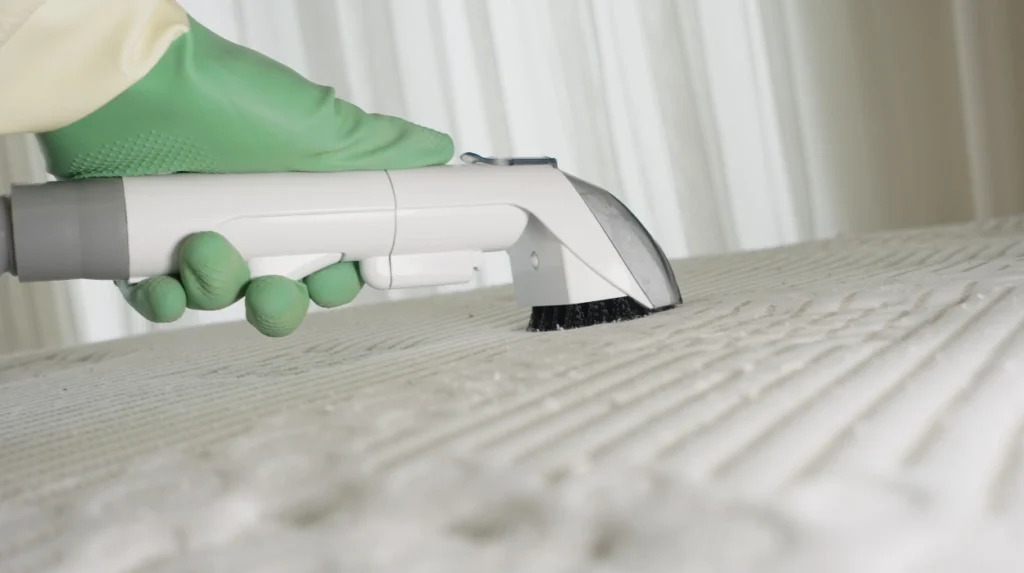
Deep inside furniture cushions lies an ecosystem of microscopic debris that normal household vacuums cannot reach. Dust mites thrive inside warm cushion cores, feeding on shed human skin scales and releasing fecal particles that can trigger asthma attacks and seasonal respiratory issues. Spilled drinks and sweat also soak deep into internal layers, creating a perfect environment for bacterial growth and stale odors that air fresheners only mask temporarily. Standard domestic care only manages surface appearances, leaving biological contaminants deep inside seating areas where families sit every day.
Using industrial dirt extraction targets these deep structural layers rather than just wiping the top surface clean. High-pressure spray systems inject targeted rinsing solutions deep into foam padding before instantly pulling the dirty mixture back out into waste tanks. This process purges old, embedded layers of dust, sports drinks, and skin oils that have settled deep down over many years. Eliminating this deep-set dirt improves indoor air quality throughout the home and stops unpleasant musty smells at their true source.
Evaluating Material Longevity and Financial Return
Choosing professional care can extend the usable lifespan of expensive home furnishings by several years. Tiny, sharp dirt particles behave like sandpaper against delicate threads whenever people sit down, slowly cutting apart woven structures and thinning out seat cushions. Removing these abrasive hidden elements stops premature fabric thinning and helps prevent the structural tears that often force homeowners to buy replacement furniture early. Spending a small amount on regular deep cleans prevents the major cost of replacing whole furniture sets prematurely.
| Performance Attribute | DIY Household Cleaning | Professional Extraction Service |
| Max Solution Temperature | Tap water warmth (~40°C max) | Regulated thermal delivery (>100°C) |
| Moisture Extraction Rate | 50% – 60% fluid recovery | >95% high-lift fluid recovery |
| Typical Drying Duration | 24 to 48 hours ambient time | 3 to 6 hours optimized airflow |
| Fiber Protection Standard | High risk of fiber shrinking | Specialized pH-balanced chemical rinsing |
Using certified care specialists also keeps structural manufacturing warranties valid for premium furniture brands. Many high-end furniture makers explicitly require hot water extraction or dry-chem treatments every 12 to 18 months to keep product warranties active. Neglecting these requirements can leave homeowners uncovered if seams separate or structural supports fail early. Documented professional care protects consumer rights and preserves the soft texture of delicate furniture fabrics.
Process Overview: Professional Fabric Management
Deep cleaning operations follow a structured sequence designed to maximize soil removal without compromising material stability. Technicians begin by dry-vacuuming surfaces with high-filtration machines to remove loose hairs and dust before moisture is applied. Next, safe pre-treatment solutions are applied to break down sticky skin oils, grease, and spots without intense scrubbing. This allows stubborn stains to lift gently from delicate fibers, preventing fuzzing or surface distortion.
The final rinsing phase uses high-vacuum extraction tools to wash away broken-down soils and old soap residues completely. This step applies specialized conditioning rinses that stabilize delicate dyes, lower textile pH levels, and leave fabrics feeling soft. Technicians then use industrial air movers to speed up drying times, dropping relative humidity levels around the furniture rapidly. This fast drying process ensures furniture is ready to use quickly and prevents musty odors from forming during slow ambient drying.
Connecting Home Maintenance Priorities
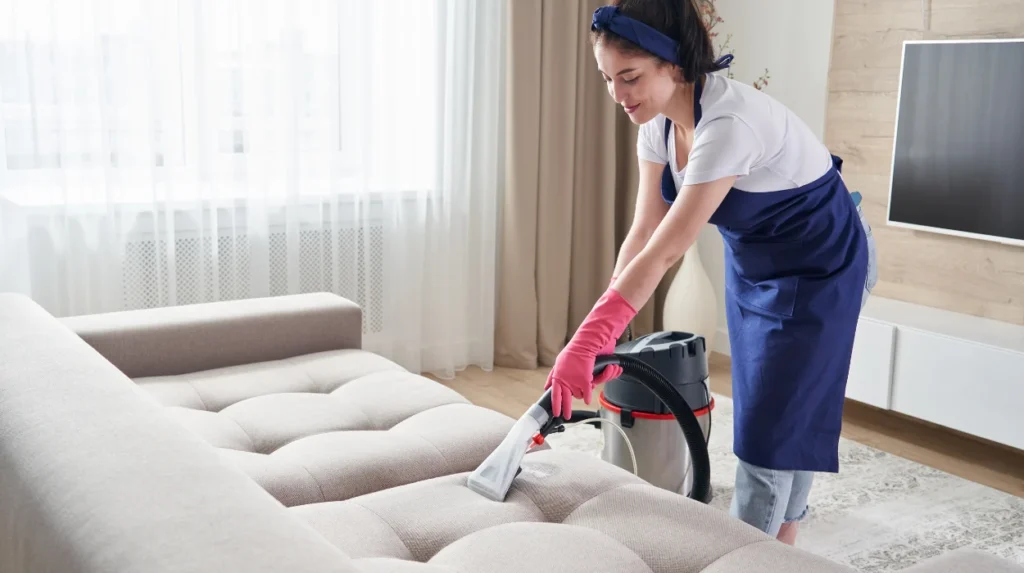
Maintaining clean furniture is an essential part of keeping a home healthy, comfortable, and presentable. For deep property overhauls, coordinating your upholstery care alongside reliable end of tenancy cleaning services in oldham ensures the whole living space is fully refreshed to professional standards. Integrating these specialized services helps keep entire rooms cleaner for longer, removing deep-set dirt patterns that simple surface vacuuming always leaves behind. Combining smart household habits with seasonal deep cleans creates a fresher indoor environment for your family.
Homeowners can easily tackle simple day-to-day spots on their own by learning how to successfully clean window drapes using safe, low-moisture maintenance practices. Blotting fresh spills with clean microfiber cloths and vacuuming cushions weekly prevents everyday dust from turning into tough, embedded grime. However, when dealing with deep-set oils or delicate fabrics, scheduling specialized upholstery cleaning services in oldham provides the deep extraction needed to truly refresh your furniture safely. Balancing basic home care with regular professional maintenance keeps household fabrics looking their best over time.
Sustainable Fabric Care Solutions
While basic household cleaning can handle quick surface spills, it cannot match the deep sanitization and fiber protection provided by commercial thermal extraction. Investing in premium Upholstery Cleaning Services in Oldham removes deeply buried allergens, protects delicate woven materials, and extends the life of your furniture. For homeowners looking to restore their seating, Bee Cleaning Services Manchester provides dependable, professional solutions tailored to protect and refresh your home investments.
Frequently Asked Questions
Is professional sofa cleaning worth it?
Yes, hiring specialists is highly beneficial because industrial extraction machinery removes deep-set oils, dirt, and allergens that home vacuums cannot reach. Professional care protects delicate fabric weaves from shrinking, dye bleeding, and fiber damage, extending the life of your furniture.
How long does an upholstery item take to dry after an extraction process?
Most fabrics dry within three to six hours when treated with commercial high-lift vacuum extraction tools. Drying times depend on room airflow, indoor humidity levels, and the fabric type, but professional air movers can speed up this process significantly.
Can expert cleaning technicians remove old pet urine odors from cushions?
Yes, technicians use specialized enzyme treatments that break down urine crystals hidden deep within cushion foam layers. Standard store-bought sprays only mask these smells temporarily, but commercial extraction pulls the biological source completely out of the furniture.
Will hot water extraction cause delicate lounge fabrics to shrink?
Professional extraction systems use precise moisture controls and correct temperatures suited to specific fiber types to prevent shrinkage. Technicians check fabric labels and run fiber tests first to ensure delicate materials like wool or viscose are cleaned safely.
How often should a family sofa be deep cleaned by a service provider?
Most manufacturers recommend arranging a deep extraction clean every 12 to 18 months to prevent abrasive dirt from wearing down fabric fibers. Homes with pets, young children, or allergy sufferers often benefit from more frequent cleanings to maintain healthy indoor air quality.