

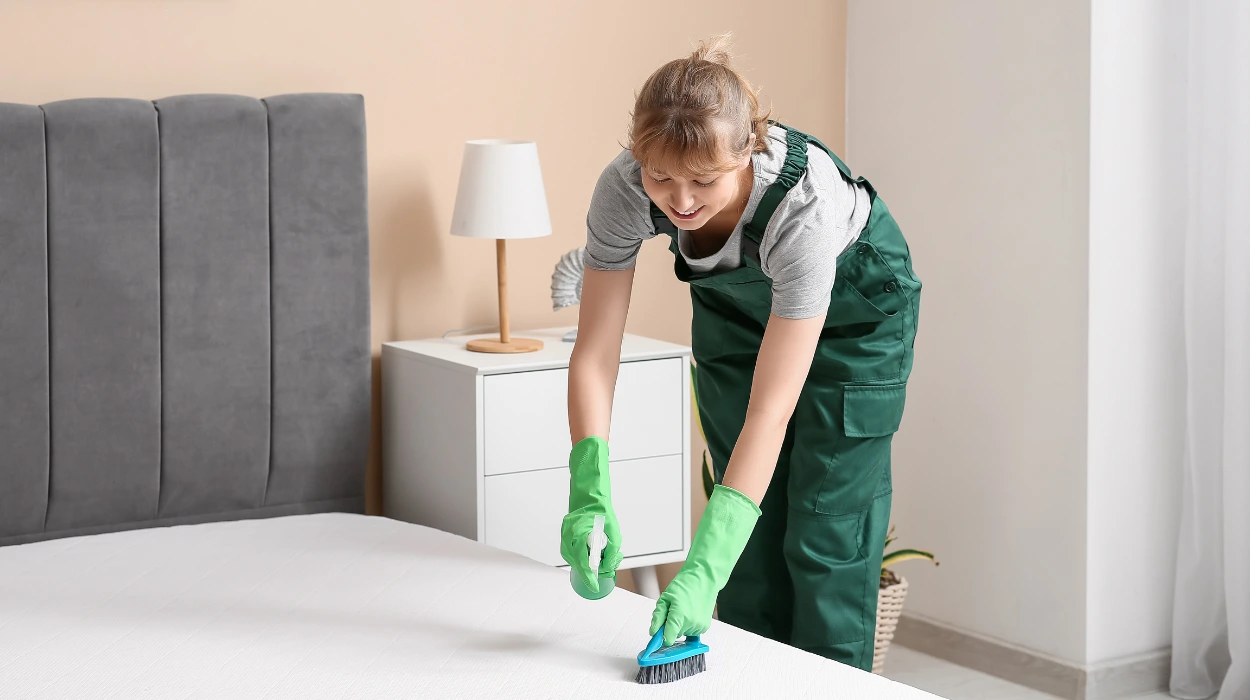
Baking soda and enzyme cleaners can help with surface freshness, but they often fail to remove deep mattress stains completely. This is because deep stains penetrate layers where DIY solutions cannot reach or break down embedded organic matter effectively.
Nature of Deep Mattress Stains
Mattress stains are not just surface-level marks; they often seep deep into the fabric and padding layers over time. Sweat, body oils, and accidental spills create complex organic compounds that bind tightly with mattress fibers. As these substances oxidize, they turn into stubborn yellow or brown stains that are difficult to lift. Moisture also encourages bacterial growth, which worsens discoloration and odor issues. Many homeowners assume visible stains are the main problem, but unseen contamination is often more significant. DIY cleaning methods usually target only what is visible. This creates a false sense of cleanliness while deeper layers remain untreated. Effective stain removal requires both extraction and breakdown of embedded residues.
Why Baking Soda Is Not Enough for Deep Cleaning
Baking soda is widely used for deodorizing and light cleaning, but its capabilities are limited when it comes to deep mattress stains. It works by absorbing moisture and neutralizing odors rather than breaking down complex organic matter. While it can make a mattress smell fresher temporarily, it does not penetrate deeply enough to remove embedded stains. The powder remains mostly on the surface and cannot dissolve proteins found in sweat or bodily fluids. Overuse can even leave residue trapped in the fabric layers. This buildup may attract more dirt over time. For mild freshness, it is useful, but for deep stain removal, it lacks the necessary chemical action. This is why results often fall short when dealing with long-standing stains.
How Enzyme Cleaners Work and Their Limitations

Enzyme cleaners are designed to break down organic matter such as sweat, urine, and food stains. They use biological enzymes to digest proteins and other compounds, making them more effective than basic household solutions. However, their performance depends on proper application, temperature, and dwell time. Many users apply them incorrectly or do not allow enough time for the enzymes to work fully. Additionally, enzyme cleaners may not reach deeply embedded stains without proper extraction equipment. They can also struggle with older stains that have oxidized and bonded with fibers. While they are a step above baking soda, they are still limited in DIY settings. Without professional tools, their effectiveness remains partial rather than complete.
The Science Behind Deep Stain Penetration
Mattresses are made of multiple layers, including fabric, foam, and padding, which allow liquids to seep quickly below the surface. Once absorbed, stains spread and settle into lower layers where air circulation is minimal. This environment encourages bacteria and mold growth, which further complicates cleaning. DIY methods typically lack the ability to extract contaminants from these deeper sections. Even when surface stains appear lighter, the underlying issue may still exist. This is why odors often return after a few days. True stain removal requires both chemical breakdown and deep extraction. Without both steps, cleaning remains incomplete and temporary.
Common DIY Mistakes That Worsen Stains
Many people unintentionally make stains worse by using excessive water or incorrect cleaning techniques. Over-wetting a mattress pushes stains deeper into the material instead of removing them. Scrubbing aggressively can damage fibers and spread the stain further. Using multiple cleaning products together may cause chemical reactions that set the stain permanently. Another common issue is not drying the mattress properly, which leads to mold growth. DIY approaches often focus on quick fixes rather than proper cleaning processes. These mistakes not only reduce effectiveness but can also shorten the lifespan of the mattress. Understanding these risks is essential before attempting any cleaning method.
Surface Cleaning vs Deep Extraction Methods
Surface cleaning methods, such as baking soda application or light spraying, are designed for maintenance rather than restoration. They help manage odors and minor stains but do not address deeper contamination. Deep extraction methods, on the other hand, involve injecting cleaning solutions and extracting them along with dirt and bacteria. This process reaches below the surface layers and removes embedded residues. Professional equipment is specifically designed for this purpose. Without it, achieving the same level of cleanliness is nearly impossible. This distinction explains why DIY efforts often fail on heavily stained mattresses. Deep cleaning requires more than just visible treatment.
When DIY Cleaning May Still Be Useful
Although DIY methods have limitations, they can still play a role in regular mattress maintenance. Light deodorizing, immediate stain response, and routine care can help prevent buildup over time. For example, using baking soda occasionally can reduce surface odors. Enzyme cleaners may help with fresh spills if applied correctly and promptly. However, these methods should be seen as preventive rather than corrective. Once stains become deep or persistent, DIY solutions are no longer sufficient. Regular maintenance combined with periodic professional cleaning provides better long-term results. This balanced approach helps maintain hygiene and extend mattress life.
The Role of Professional Equipment in Stain Removal
Professional mattress cleaning involves specialized equipment that combines heat, pressure, and extraction. These machines can penetrate deep into mattress layers and remove both moisture and contaminants effectively. High-powered extraction ensures that residues are not left behind. Additionally, professional-grade cleaning solutions are formulated to break down complex stains more efficiently. This combination of technology and expertise delivers results that DIY methods cannot match. Companies like Bee Cleaning Services Manchester use such advanced processes to achieve thorough cleaning. Their approach targets both visible stains and hidden contamination. This ensures a more complete and lasting outcome.
Why Deep Mattress Cleaning Requires Expertise
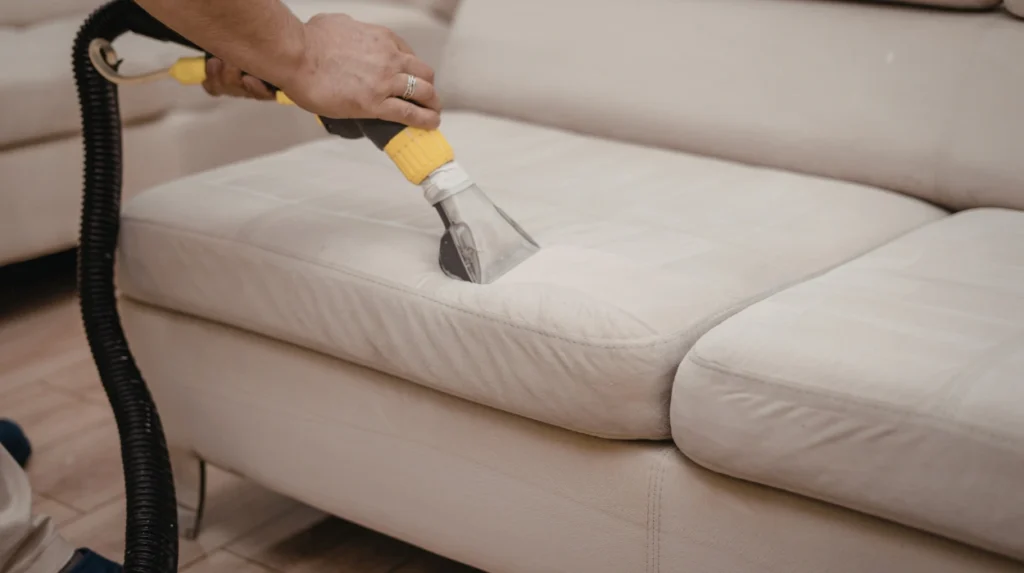
Deep cleaning is not just about applying products; it requires understanding stain types, material sensitivity, and correct techniques. Different stains respond to different treatments, and incorrect methods can cause permanent damage. Professionals assess the condition of the mattress before choosing the appropriate cleaning method. They also control moisture levels to prevent mold growth. Experience plays a key role in achieving effective results without harming the mattress. This level of precision is difficult to replicate with DIY methods. Expertise ensures that cleaning is both safe and effective. It also reduces the risk of recurring issues.
Health Implications of Incomplete Cleaning
A mattress that is not properly cleaned can harbor bacteria, allergens, and dust mites. These contaminants can affect indoor air quality and contribute to respiratory issues. Persistent moisture can also lead to mold growth, which poses additional health risks. DIY cleaning often leaves behind residues that continue to support microbial growth. Even if the mattress looks clean, it may still contain harmful elements. Proper deep cleaning eliminates these hidden threats. Maintaining a clean mattress is essential for a healthy sleeping environment. This is especially important for individuals with allergies or sensitivities.
Choosing the Right Cleaning Approach in Farnworth
For residents seeking effective solutions, understanding the limitations of DIY methods is crucial. While home remedies may offer temporary improvement, they rarely address the root cause of deep stains. Opting for professional services ensures a more comprehensive cleaning process. Those exploring mattress hygiene can also learn more through this guide on removing yellow sweat stains from mattresses effectively. Additionally, investing in expert solutions such as deep mattress cleaning solutions in Farnworth homes provides long-term benefits. When stains become severe, considering professional mattress stain restoration in Farnworth is often the most practical choice. These approaches focus on thorough cleaning rather than temporary fixes.
DIY methods like baking soda and enzyme cleaners serve a purpose in light maintenance, but they fall short when dealing with deep mattress stains. The structure of mattresses and the nature of organic stains require more advanced cleaning techniques than household solutions can provide. Without proper extraction and treatment, stains and contaminants remain embedded below the surface.
Bee Cleaning Services Manchester delivers professional cleaning processes that address both visible and hidden issues effectively. Their Mattress Cleaning Services in Farnworth focus on restoring hygiene and extending mattress lifespan through proven methods. A well-maintained mattress supports better health, comfort, and long-term cleanliness.
Why do mattresses stain so easily?
Mattresses absorb sweat, oils, and spills quickly because of their porous layers. These substances sink deep inside and oxidize over time, causing visible yellow or brown stains.
Is it better to spot clean or deep clean?
Spot cleaning works for fresh, minor stains, but deep cleaning is necessary for embedded dirt and bacteria. For long-term hygiene, deep cleaning is more effective than surface treatment.
How many times a month should you deep clean?
Deep cleaning is not required monthly; it is usually recommended every 3 to 6 months. However, frequency depends on usage, allergies, and the presence of stains.
What is the 20 minute rule of cleaning?
The 20 minute rule involves cleaning in short, focused sessions to maintain consistency. It helps manage light maintenance but is not effective for deep mattress stain removal
What are the 6 main stages of effective deep cleaning?
Effective deep cleaning includes inspection, vacuuming, stain treatment, solution application, extraction, and proper drying. Each step ensures both surface and deep layers are thoroughly cleaned.