
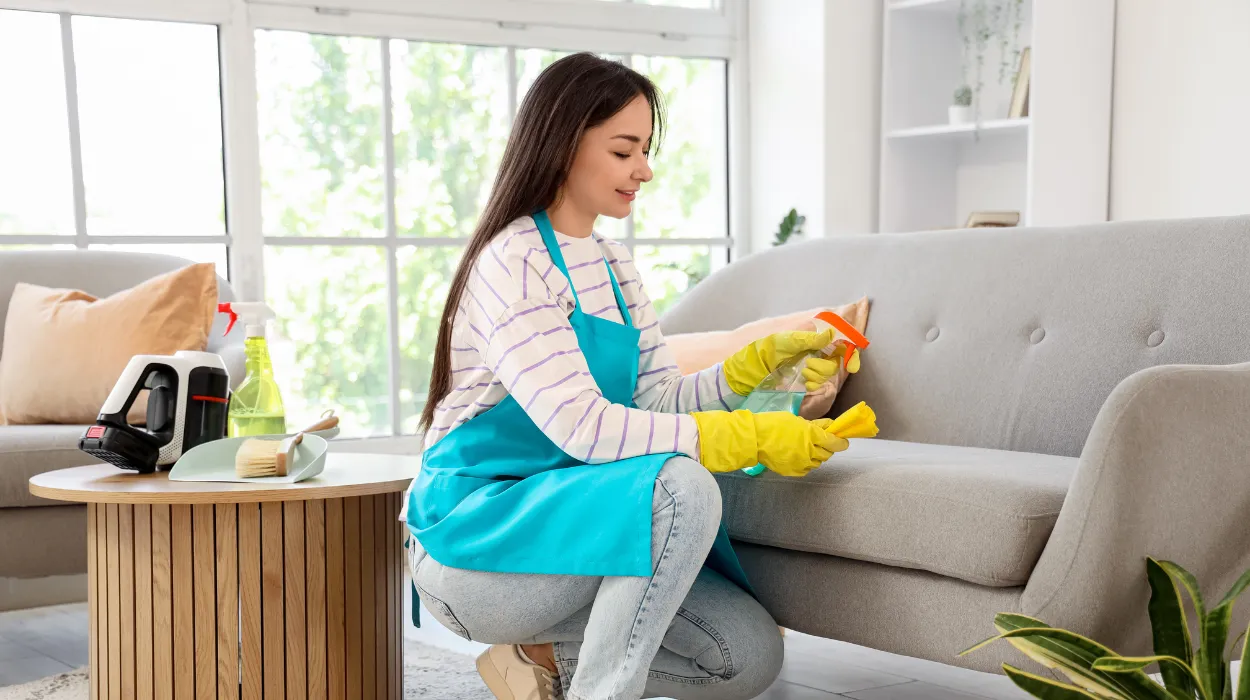
Pet Stain and Odour Removal from Sofas in Oldham can significantly improve the appearance, hygiene, and freshness of upholstered furniture. Professional treatment removes deep-set stains, unpleasant smells, and hidden contaminants that ordinary household cleaning often leaves behind.
Why Pet Stains and Odours Are Difficult to Remove
Pets are an important part of many households, but accidents on sofas can create lasting problems. Urine, saliva, mud, and organic matter can penetrate deep into upholstery fibres and padding. Once moisture reaches the inner layers of a sofa, bacteria begin to develop and odours become trapped beneath the surface. Standard cleaning sprays may temporarily mask smells, but they rarely address the source of the problem.
Many homeowners notice that unpleasant pet odours return after a few days, especially during warm weather. This happens because the contaminants remain inside the upholstery structure. Professional Upholstery Cleaning Services in Oldham use specialised techniques to target the source rather than simply treating visible stains. This provides a more complete and longer-lasting result. Professional extraction methods are widely used throughout the upholstery cleaning industry to remove embedded dirt, allergens, stains, and odours from soft furnishings.
How Pet Stains Affect Sofa Fabrics
Different upholstery materials react differently to pet-related contamination. Natural fibres can absorb liquids quickly, while synthetic fabrics may trap odours within their structure. Over time, untreated pet stains can weaken fibres and contribute to permanent discolouration. Repeated exposure to moisture can also affect the internal cushioning of the sofa.
The longer a stain remains untreated, the more difficult it becomes to remove completely. Pet urine is particularly challenging because it contains compounds that crystallise as they dry. These residues continue producing odours whenever humidity levels increase. Early intervention helps prevent long-term damage and improves the chances of full stain removal.
What Causes Persistent Pet Odours?
A visible stain is often only a small part of the issue. Pet accidents can seep below the upholstery surface and reach the padding underneath. When this occurs, bacteria feed on organic residues and release unpleasant smells. Even if the surface appears clean, odours may continue developing beneath the fabric.
Professional technicians assess both the stain and the affected depth before selecting a treatment method. Deodorising solutions are designed to neutralise odour-causing compounds rather than covering them with fragrances. This approach helps restore a fresher indoor environment and improves overall upholstery hygiene. Professional upholstery cleaning services commonly include stain assessment, odour treatment, and deep extraction processes to address these issues effectively.
The Professional Pet Stain Removal Process
Bee Cleaning Services Manchester follows a structured cleaning process designed for upholstery safety and effective stain removal. The first stage involves identifying the upholstery material and assessing the type of contamination. Different fabrics require different cleaning methods to prevent damage while achieving the best possible result.
The affected areas are then pre-treated with specialised stain-removal solutions. These products help loosen contamination before deep cleaning begins. Advanced cleaning-equipment is used to extract dirt, bacteria, and cleaning agents from the upholstery fibres. This process removes significantly more contamination than standard household methods and helps accelerate drying times.
Inspection and Fabric Testing
Every sofa contains unique fibres, dyes, and construction materials. Professional testing helps determine which cleaning solution is safest and most effective. This stage reduces the risk of colour loss or fabric damage while ensuring suitable treatment selection.
Technicians also identify whether stains are fresh, aged, or previously treated. Older stains often require additional attention because contaminants may have bonded with the upholstery fibres. Careful inspection improves treatment accuracy and helps achieve better cleaning outcomes.
Deep Cleaning and Extraction
Hot water extraction remains one of the most effective methods for upholstery cleaning. The process injects cleaning solution into the fibres and immediately removes it along with loosened dirt, allergens, and odour-causing residues. This method reaches deeper than many surface-cleaning alternatives and helps improve overall hygiene. Professional upholstery cleaning providers commonly use extraction-based methods because they effectively remove embedded contaminants and allergens.
Extraction cleaning also helps remove pet hair, dust particles, and microscopic debris that accumulate over time. Many homeowners are surprised by the amount of contamination removed from furniture that appears clean on the surface. The result is a fresher, cleaner sofa with improved appearance and comfort.
Can Professional Cleaning Remove Old Pet Stains?
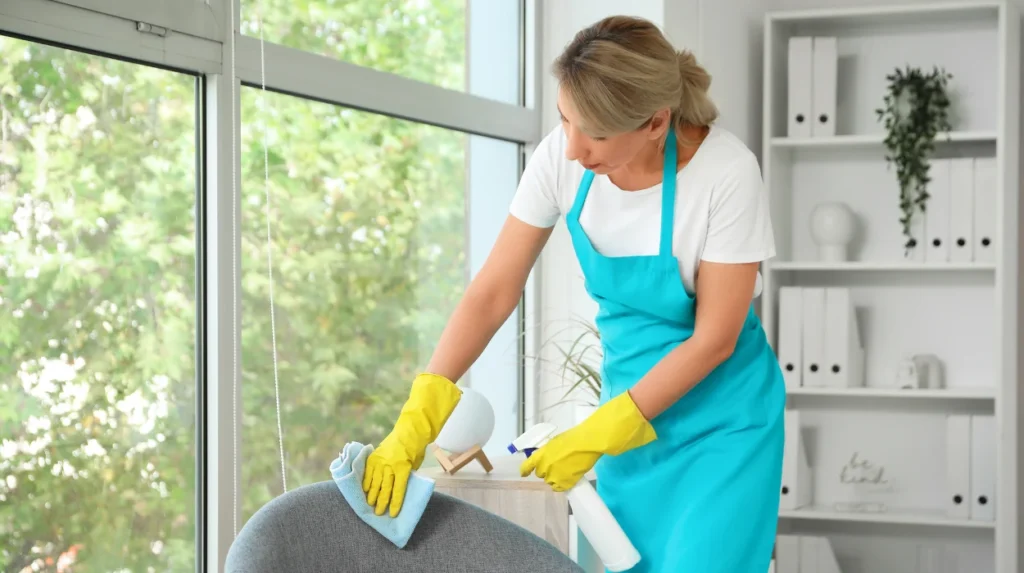
The success of stain removal depends on several factors, including the age of the stain, upholstery material, and previous cleaning attempts. Fresh stains are generally easier to remove than those that have been left untreated for months or years. However, professional treatment can often significantly reduce or eliminate many older stains.
Some permanent discolouration may remain if staining has chemically altered the fibres. In such situations, the goal shifts from complete removal to substantial improvement. Professional assessment provides realistic expectations and helps homeowners understand the likely outcome before cleaning begins.
How Pet Stain Removal Improves Indoor Hygiene
Sofas collect more than visible dirt. Pet accidents can introduce bacteria, allergens, and organic contaminants into upholstery. These substances may contribute to unpleasant indoor conditions and affect overall cleanliness. Deep upholstery cleaning removes a significant portion of these contaminants and supports a healthier home environment.
Homeowners concerned about allergens may also benefit from learning more about indoor upholstery contamination by reading our guide on Sofa allergens and indoor air quality issues. Understanding how upholstery affects indoor conditions can help property owners make informed cleaning decisions.
Why DIY Methods Often Fall Short
Many supermarket stain removers are designed for surface-level treatment. While they may reduce visible marks temporarily, they rarely reach deep contamination hidden inside upholstery layers. Excessive use of household products can also leave residues that attract more dirt over time.
Incorrect product selection can create additional problems. Certain chemicals may react with upholstery dyes or fibres, leading to fading or texture changes. Professional cleaners use industry-approved solutions selected specifically for upholstery fabrics and contamination types. This reduces risks while improving cleaning effectiveness.
How Long Does a Sofa Take to Dry?
Drying time depends on fabric type, room ventilation, humidity, and cleaning method. Most professionally cleaned sofas dry within several hours, although thicker materials may require longer. Modern extraction equipment helps remove excess moisture and speeds up the drying process.
If you want a detailed explanation of drying times after professional cleaning, read our article on professional upholstery drying expectations. Understanding drying factors can help homeowners prepare their space more effectively after cleaning.
When Should You Book Professional Upholstery Cleaning?

Several signs indicate that professional attention may be beneficial. Persistent odours, visible staining, repeated pet accidents, and noticeable fabric discolouration are among the most common indicators. Delaying treatment can allow contamination to spread deeper into the upholstery, making restoration more difficult.
Regular maintenance also helps preserve furniture condition and appearance. Many homeowners schedule upholstery cleaning periodically to prevent long-term build-up of dirt, allergens, and pet-related contamination. This proactive approach often extends the life of upholstered furniture and maintains a cleaner home environment.
Choosing Professional Upholstery Cleaning Services in Oldham
When selecting Upholstery Cleaning Services in Oldham, homeowners should look for experienced providers that use suitable cleaning-equipment, safe cleaning products, and proven upholstery cleaning methods. Professional assessment, stain treatment expertise, and fabric-specific cleaning processes all contribute to better results.
Bee Cleaning Services Manchester provides Upholstery Cleaning Services in Oldham designed to address common household issues such as pet stains, odours, allergens, and embedded dirt. Professional cleaning helps restore upholstery freshness while supporting a cleaner and more comfortable indoor environment.
Pet stains and odours can affect both the appearance and hygiene of upholstered furniture. Surface cleaning often fails to remove contamination hidden beneath the fabric, allowing smells and stains to return over time. Professional treatment targets the source of the problem through inspection, stain removal, deodorisation, and deep extraction cleaning.
Bee Cleaning Services Manchester delivers professional upholstery cleaning solutions that help remove pet-related contamination, improve sofa freshness, and maintain upholstery condition. Timely professional care can make a significant difference in restoring comfort and cleanliness to your home.
Frequently Asked Questions
Can professional sofa cleaning remove pet urine odours completely?
In many cases, yes. Professional upholstery cleaning targets the source of the odour rather than masking it. Specialised treatments and extraction methods help remove urine residues, bacteria, and odour-causing contaminants trapped within the upholstery.
How long does pet stain and odour removal take?
Most sofa cleaning appointments take between one and two hours depending on the size of the furniture, the severity of staining, and the upholstery material. Heavily affected sofas may require additional treatment time.
Can old pet stains be removed from upholstery?
Many old stains can be significantly reduced or removed, although results depend on the stain type, fabric, and how long the contamination has been present. Permanent fibre damage or dye changes may limit complete stain removal.
Is professional upholstery cleaning safe for pets and children?
Yes. Professional upholstery cleaning solutions are designed to be safe when used correctly. Once the sofa is fully dry, it is generally safe for both pets and children to use.
Why does my sofa still smell after DIY cleaning?
DIY products often clean only the surface layer. Pet urine and organic residues can penetrate deep into cushions and padding, allowing odours to return. Professional extraction removes contamination from deeper within the upholstery.